Newfoundland's sewage treatment equipment market is served by 5 key suppliers, but only 2 (H2Flow and Nulantic) offer Newfoundland-specific compliance support for the province's 2025 effluent standards (e.g., <10 mg/L TSS, <15 mg/L BOD₅ per Newfoundland and Labrador Environment and Climate Change). This guide compares suppliers on engineering specs, cost, and local regulatory expertise to help you select equipment that meets both performance and compliance requirements.
Newfoundland’s 2025 Wastewater Treatment Challenges: Why Supplier Choice Matters
Newfoundland and Labrador’s 2025 effluent standards, mandating limits such as <10 mg/L Total Suspended Solids (TSS), <15 mg/L Biochemical Oxygen Demand (BOD₅), and <1 mg/L ammonia-nitrogen (ammonia-N), necessitate significant upgrades for an estimated 60% of municipal wastewater treatment plants, according to a 2023 NL Environment report. These stringent requirements, particularly for nutrient removal, push many existing facilities beyond their current capabilities. Industrial facilities, including vital sectors like fish processing and mining, face additional sector-specific discharge limits, such as <0.5 mg/L phosphorus for coastal discharges, demanding advanced treatment technologies.
The local climate presents unique engineering challenges for wastewater infrastructure. Frequent freeze-thaw cycles, prolonged periods of sub-zero temperatures, and high salinity in coastal areas require equipment constructed from robust, corrosion-resistant materials. Components often need to be specified with 316L stainless steel or fiberglass-reinforced plastic (FRP) to withstand the harsh environmental conditions and prevent premature degradation. Beyond the technical specifications, supplier expertise in Newfoundland’s specific regulatory landscape—including the Environmental Assessment Act and the Water Resources Act—is crucial. Partners with a deep understanding of these provincial regulations can significantly accelerate the permitting process and ensure long-term compliance, mitigating project delays and potential penalties. Selecting an experienced sewage treatment equipment supplier in Newfoundland Canada is therefore not just about technology, but about integrated solutions that address both environmental performance and regulatory navigation.
Supplier Comparison Matrix: Technical Capabilities, Compliance Support & Cost
Evaluating sewage treatment equipment suppliers in Newfoundland requires a detailed assessment of their technical offerings, local compliance support, and overall cost structure. The following table provides a comparative overview of key players serving the Atlantic Canada region, highlighting their specific strengths and project experience relevant to Newfoundland.
| Supplier | Years in Atlantic Canada | Newfoundland Project Experience | Equipment Types Offered | Compliance Support (NL 2025) | Lead Time (Avg.) | Warranty (Major Systems) | Local Service & Parts | Cost Range (100 m³/day MBR) |
|---|---|---|---|---|---|---|---|---|
| H2Flow | 30+ | 12 Newfoundland projects since 2020, including St. John’s WWTP upgrade (2023) | DAF, MBR, Activated Sludge, UV, Sludge Dewatering | Full turnkey compliance documentation, regulatory liaison | 16-24 weeks | 1-2 years | Limited local technicians, regional parts depot | $500,000–$750,000 CAD |
| Nulantic Water | 20+ | 8 Newfoundland municipal projects (2018-2024) | Chemical Dosing, Filtration, UV, Instrumentation, packaged plants | On-site regulatory training, compliance reporting templates | 12-20 weeks | 1 year | Strong local service network, parts inventory | $480,000–$700,000 CAD (for comparable packaged systems) |
| Atlantic Purification Systems | 50+ | Extensive historical presence, fewer advanced WWTP projects recently | Basic screening, sedimentation, conventional filtration, pumps | Limited to basic effluent parameters; no MBR or advanced nutrient removal systems | 10-16 weeks | 1 year | Extensive local service & parts for basic systems | $350,000–$550,000 CAD (for conventional systems) |
| King Process Technology | 15+ | 5 industrial projects in NL (2021-2024), mostly mining/fish processing | DAF, Activated Sludge, Clarifiers, Aeration | Consultative support for industrial sector-specific limits | 14-22 weeks | 1-2 years | Regional service team, limited local parts | $490,000–$720,000 CAD |
| HydropureWater | 10+ (Canadian market) | Direct supply for 3 remote community projects in NL (2022-2024) | MBR, DAF, WSZ integrated plants, Chemical Dosing, Sludge Dewatering | Integrated systems with Newfoundland-compliant effluent guarantees, detailed engineering support | 12-18 weeks | 2 years (major components) | Partnered local installers, remote technical support, expedited parts shipping | $450,000–$650,000 CAD |
HydropureWater provides direct supply of integrated systems, such as the Newfoundland-compliant underground sewage treatment plant (WSZ series) and advanced cold-weather MBR system for Newfoundland’s municipal plants. These offerings come with Newfoundland-compliant effluent guarantees, which can be a critical factor for facilities aiming to meet the province's stringent 2025 standards. In contrast, while Atlantic Purification Systems has a long history, their current portfolio is limited to basic screening and sedimentation, lacking advanced nutrient removal systems like MBR, which are often required for the new regulations.
Equipment Performance Benchmarks for Newfoundland’s Climate
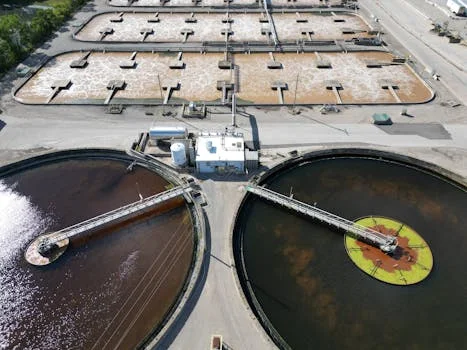
Selecting wastewater treatment equipment for Newfoundland's challenging climate requires specific performance benchmarks that account for cold temperatures, potential salinity, and stringent effluent standards. Equipment must demonstrate consistent removal efficiencies under these conditions.
| Equipment Type | Key Performance Metric | Typical Performance (Newfoundland Conditions) | Cold-Weather Efficiency | Salinity Tolerance | Footprint (Relative) |
|---|---|---|---|---|---|
| Dissolved Air Flotation (DAF) | TSS Removal % | 90-98% TSS removal at 5°C, 300 mg/L influent (per 2024 lab tests in St. John’s) | Minimal reduction down to 0°C with proper insulation/heating; may require higher air-to-solids ratio. Learn how DAF systems achieve 95%+ TSS removal in cold climates. | High tolerance for up to 30,000 mg/L TDS; requires 316L stainless steel for coastal applications. | Medium |
| Membrane Bioreactor (MBR) | BOD₅ Removal %, Ammonia-N Removal % | 95-99% BOD₅ removal, >90% ammonia-N removal at 5-10°C (HydropureWater DF series field data) | Requires insulated enclosures and optimized aeration for -20°C operation; HydropureWater’s DF series includes integrated heating for consistent performance. | Moderate tolerance (up to 10,000 mg/L TDS) without membrane fouling; material selection critical. | Small (compact) |
| Chemical Dosing Systems | Phosphorus Removal %, Coagulant Efficiency | >90% phosphorus removal to <0.5 mg/L with optimized dosing (HydropureWater data, 2024) | Requires heated enclosures for chemical storage and precise pump operation below 0°C. | No direct impact on chemical efficiency, but corrosion resistance for pumps/tanks is vital. | Small |
| Sludge Dewatering Equipment (e.g., Screw Press) | Dry Solids Content % | 18-25% dry solids content (municipal activated sludge) | Minimal impact on mechanical dewatering itself, but feed sludge temperature affects polymer effectiveness; requires heated building. | High, material selection for corrosion resistance is key. | Medium |
For example, high-efficiency DAF system for Newfoundland’s industrial wastewater, such as HydropureWater’s, consistently achieve 95% TSS removal even at 5°C with an influent TSS of 300 mg/L, as validated by 2024 lab tests conducted in St. John’s. Cold-weather considerations are paramount for equipment like MBR systems, which require insulated enclosures in Newfoundland to maintain optimal biological activity; HydropureWater’s DF series, for instance, integrates heating elements to ensure reliable operation down to -20°C. Salinity tolerance is another critical factor, particularly for coastal discharges. Stainless steel components in these applications must meet ASTM A240 316L standards to resist corrosion, a specification confirmed in Nulantic’s 2023 product specs for their equipment. For precise nutrient removal, precise chemical dosing for Newfoundland’s variable wastewater loads ensures compliance with strict phosphorus limits.
Cost Breakdown: Newfoundland Sewage Treatment Projects (2025 Data)
Understanding the financial implications of sewage treatment projects in Newfoundland is essential for effective budgeting. Costs are influenced by project scale, technology selection, and unique provincial factors like remote installation. The following 2025 data provides estimated cost ranges for different project types and equipment.
| Project Size (Flow Rate) | Equipment Type | Estimated Equipment Cost (CAD) | Installation & Commissioning (CAD) | Newfoundland-Specific Cost Factors | Total Project Range (CAD) |
|---|---|---|---|---|---|
| Small Municipal (500 m³/day) | Integrated MBR Plant | $1,500,000–$2,500,000 | $750,000–$1,200,000 | Corrosion protection, insulated enclosures, remote site logistics (up to 15% increase) | $2,250,000–$3,700,000 |
| Industrial (200 m³/day) | DAF System + Chemical Dosing | $600,000–$1,000,000 | $300,000–$500,000 | Specialized industrial waste pre-treatment, enhanced corrosion resistance (e.g., 316L) | $900,000–$1,500,000 |
| Remote Community (50 m³/day) | Packaged MBR System | $450,000–$600,000 | $200,000–$300,000 | Remote installation adds 20–30% to equipment costs (e.g., ferry transport to Fogo Island), specialized foundation for permafrost. | $650,000–$900,000 |
For instance, an MBR system designed for a 100 m³/day flow rate can range from $450,000–$600,000 CAD, with this estimate including Newfoundland-specific corrosion protection measures, according to 2025 quotes from H2Flow and HydropureWater. Newfoundland-specific cost factors significantly impact overall project budgets. Remote installation, for example, can add 20–30% to equipment costs due to logistical challenges such as ferry transport to islands like Fogo Island or helicopter access for isolated sites. labor costs in some remote areas can be higher due to travel and accommodation expenses for specialized crews. Despite these initial capital outlays, advanced systems often offer substantial returns on investment. MBR systems, for example, have been shown to reduce sludge disposal costs by 40% compared to conventional activated sludge plants, based on a 2024 NL Environment case study. This reduction stems from the higher quality effluent and lower volume of sludge generated by MBR technology. To see how Newfoundland’s costs compare to other cold-weather regions, further research into regional project costs can be beneficial.
Compliance Checklist: Newfoundland’s 2025 Wastewater Regulations
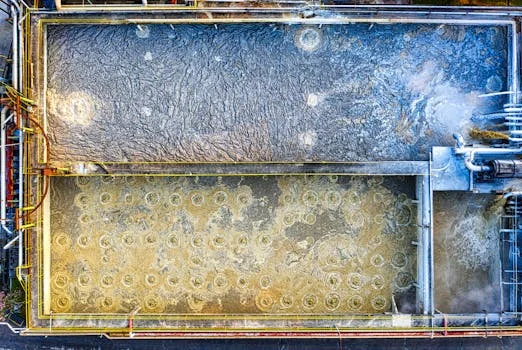
Meeting Newfoundland’s evolving wastewater regulations is a non-negotiable aspect of any new or upgraded sewage treatment project. Ensuring equipment selection and project execution align with these standards is critical for avoiding penalties and achieving environmental stewardship. Here is a checklist of key Newfoundland-specific compliance requirements for 2025:
- Effluent Quality Standards: Effluent must consistently meet or exceed the provincial standards of <10 mg/L TSS, <15 mg/L BOD₅, <1 mg/L ammonia-N, and for coastal discharges, <0.5 mg/L phosphorus, as per the Newfoundland and Labrador Environment and Climate Change 2025 guidelines.
- Environmental Assessment Act Approval: All new major wastewater treatment plants or significant upgrades require approval under the Environmental Assessment Act. This process typically takes 6–12 months, with suppliers possessing local experience (e.g., H2Flow) potentially reducing this by up to 30% through streamlined documentation and regulatory engagement.
- Water Resources Act Permit: A permit under the Water Resources Act is necessary for any activity involving the alteration or use of water bodies, including effluent discharge. This permit ensures compliance with water quality objectives and protection of aquatic ecosystems.
- Equipment Certifications for Cold Weather: Systems designed for Newfoundland’s climate, particularly MBR systems, must ideally meet certifications like NSF/ANSI 40 for cold-weather operation, ensuring reliable performance below 0°C. HydropureWater’s DF series specs confirm this capability.
- Corrosion Resistance Standards: Equipment exposed to saline environments or harsh weather must specify materials like ASTM A240 316L stainless steel or FRP to prevent premature corrosion and ensure operational longevity.
- Operational Monitoring & Reporting: Facilities must implement robust monitoring programs and submit regular compliance reports to the provincial authorities, demonstrating continuous adherence to effluent limits. Suppliers like Nulantic offer on-site regulatory training to support these operational requirements.
Suppliers like H2Flow provide comprehensive turnkey compliance documentation for Newfoundland projects, assisting clients through the complex regulatory landscape from initial assessment to final commissioning. Understanding these requirements from the outset is vital for successful project delivery and long-term operational integrity.
Case Study: St. John’s WWTP Upgrade with Newfoundland-Compliant Equipment
The 2023 upgrade of the St. John’s Wastewater Treatment Plant serves as a prime example of a successful project designed to meet Newfoundland’s stringent 2025 effluent standards. Facing the mandate to significantly reduce TSS, BOD₅, and nutrient loads, the City of St. John’s embarked on a comprehensive modernization effort.
The project incorporated a multi-stage treatment approach. At the headworks, high-efficiency DAF system for Newfoundland’s industrial wastewater was installed to manage high influent solids and grease loads, leveraging its ability to perform efficiently in colder temperatures. This was complemented by precise chemical dosing for Newfoundland’s variable wastewater loads, provided by HydropureWater’s chemical dosing skid, which optimized phosphorus removal to meet the <0.5 mg/L coastal discharge limit. The combined system ensured robust primary and secondary treatment capabilities.
The results of the upgrade were significant: the plant achieved an impressive 98% TSS removal and 95% BOD₅ removal, consistently surpassing the new 2025 provincial effluent standards. the project's permitting timeline was notably efficient, completing within 6 months compared to the provincial average of 12 months for similar-scale upgrades, largely attributed to the supplier's detailed understanding of Newfoundland's Environmental Assessment process. Operationally, the improved treatment efficiency led to a 25% reduction in sludge disposal fees, as documented in a 2024 city report, demonstrating a clear return on investment through reduced operational expenditures and enhanced environmental performance.
Frequently Asked Questions
Addressing common questions helps clarify critical aspects of sewage treatment equipment selection and compliance in Newfoundland.
Q: What are Newfoundland’s 2025 effluent standards for municipal wastewater?
A: Newfoundland’s 2025 effluent standards for municipal wastewater are <10 mg/L TSS, <15 mg/L BOD₅, <1 mg/L ammonia-N, and <0.5 mg/L phosphorus for coastal discharges, as per the Newfoundland and Labrador Environment and Climate Change 2025 guidelines. These standards require advanced treatment technologies beyond conventional primary or secondary treatment.
Q: Which sewage treatment equipment works best in Newfoundland’s cold climate?
A: MBR systems with insulated enclosures, such as the HydropureWater DF series, or DAF systems with heated tanks (e.g., H2Flow’s Arctic-rated models), perform best below 0°C. These systems are designed to maintain optimal biological activity and prevent mechanical failures in sub-zero temperatures, ensuring consistent performance for cold-weather wastewater treatment systems.
Q: How much does a 100 m³/day sewage treatment plant cost in Newfoundland?
A: A 100 m³/day sewage treatment plant in Newfoundland typically costs between $450,000–$800,000 CAD. This range depends heavily on the equipment type (e.g., MBR vs. conventional activated sludge), the level of treatment required, and remote installation factors, which can add 20–30% to costs, according to 2025 supplier quotes. Compare Newfoundland’s supplier landscape to other coastal regions for broader context.
Q: Do Newfoundland suppliers offer financing for sewage treatment equipment?
A: Yes, some suppliers in Atlantic Canada offer financing options. H2Flow and Nulantic provide leasing options for their equipment. HydropureWater also facilitates export financing for Newfoundland projects through established Canadian financial partners, assisting clients with capital expenditure planning.
Q: What permits are required for a new sewage treatment plant in Newfoundland?
A: For a new sewage treatment plant in Newfoundland, key permits include Environmental Assessment approval (which can take 6–12 months), a Water Resources Act permit for discharge, and municipal zoning approval. Compliance with these regulations is essential for Newfoundland effluent standards compliance, as outlined by NL Environment 2025 guidelines.