In 2025, Sri Lanka’s Central Environmental Authority (CEA) enforces strict sewage discharge limits: BOD < 30 mg/L, TSS < 50 mg/L, and fecal coliform < 1,000 CFU/100mL for industrial and commercial facilities. Regional technology providers and local engineering firms offer systems ranging from LKR 12M compact SBR plants (50 m³/day) to LKR 95M Johkasou MBR systems (500 m³/day), with removal efficiencies of 92–98% for BOD/TSS. This guide compares equipment types, engineering specs, and cost data to help you select compliant, cost-effective equipment.
Why Sri Lanka’s Sewage Treatment Regulations Demand Advanced Equipment
CEA’s 2025 discharge standards for sewage require BOD levels below 30 mg/L and TSS below 50 mg/L for all industrial facilities to prevent the contamination of inland surface waters. While these baseline limits apply to most factories, hotels and commercial developments located near sensitive water bodies or coastal zones often face stricter "General Standards" that can mandate BOD levels as low as 10 mg/L. These regulations are designed to mitigate the risk of eutrophication and pathogen spread in high-density areas like Colombo, Gampaha, and the Southern coastal belt.
Penalties for non-compliance have intensified following the 2023 enforcement updates, with fines reaching up to LKR 500,000 per violation and the potential for immediate operational shutdowns. Beyond legal risks, the volume of industrial effluent produced by expanding manufacturing sectors cannot be resolved by natural processes alone, necessitating engineered interventions. For instance, a Colombo-based hotel faced LKR 2.3M in cumulative fines in 2024 due to exceeding TSS limits during peak tourist season; an investment in a LKR 18M SBR system would have yielded a payback period of less than three years by avoiding penalties and enabling treated water reuse for landscaping.
| Parameter | CEA Standard (Industrial) | CEA Standard (Hotels/Sensitive) | Typical Raw Sewage |
|---|---|---|---|
| BOD5 (mg/L) | < 30 | < 10–20 | 250–450 |
| TSS (mg/L) | < 50 | < 30 | 200–600 |
| Fecal Coliform (CFU/100mL) | < 1,000 | < 400 | 10^6 – 10^8 |
| Oil & Grease (mg/L) | < 10 | < 5 | 50–150 |
Sewage Treatment Technologies Compared: SBR vs. Johkasou vs. MBR for Sri Lankan Projects
Sequencing Batch Reactors (SBR) achieve 92–97% COD removal by utilizing a four-stage cyclic process—fill, react, settle, and decant—within a single reactor vessel. This technology is highly favored by Sri Lankan factories with variable flow rates because the cycle times (typically 4–8 hours) can be adjusted to handle surge loads. While SBRs are cost-effective, they require a larger footprint (approximately 1.5 m²/m³ of treated water) compared to membrane-based alternatives.
Johkasou systems, primarily based on Japanese package plant engineering, offer a modular, underground solution ideal for boutique hotels and luxury villas. These systems provide BOD removal efficiencies of 95–98% and are designed for a 20-year lifespan with minimal mechanical intervention. For high-density urban projects where space is at a premium, MBR systems for 99% BOD/TSS removal and water reuse are the superior choice. MBR technology utilizes PVDF membranes with a pore size of 0.1 μm, effectively filtering out pathogens and solids to a level where the effluent is suitable for cooling tower make-up or toilet flushing.
Engineering data indicates that while MBR has a higher energy consumption (0.6–1.2 kWh/m³) compared to SBR (0.4–0.7 kWh/m³), the footprint is 60% smaller, making it the standard for modern WSZ series underground STP for hotels and factories. For projects involving high fats and oils, incorporating pre-treatment options like DAF for high-TSS wastewater is essential to protect downstream biological processes.
| Feature | SBR (Batch) | Johkasou (Modular) | MBR (Membrane) |
|---|---|---|---|
| BOD Removal Efficiency | 92–95% | 95–98% | > 99% |
| Footprint Requirement | High (1.5 m²/m³) | Medium (0.8 m²/m³) | Low (0.5 m²/m³) |
| Energy Use (kWh/m³) | 0.4 – 0.7 | 0.3 – 0.5 | 0.6 – 1.2 |
| Effluent Quality | Discharge only | Discharge/Irrigation | High-grade Reuse |
Top 5 Sewage Treatment Equipment Suppliers in Sri Lanka: Head-to-Head Comparison
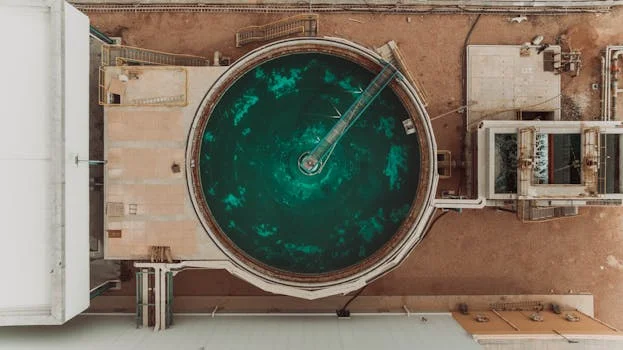
Selecting a sewage treatment equipment supplier in Sri Lanka requires evaluating CEA approval status alongside 24/7 technical support capabilities to ensure long-term operational stability. The local market is divided between established engineering firms specializing in traditional activated sludge systems and international technology subsidiaries focusing on advanced membrane or package plants. While local firms often provide faster civil works integration, international providers typically offer superior automation and membrane warranties.
When evaluating a potential sewage treatment equipment supplier in sri lanka, red flags include a lack of local service teams, vague removal efficiency data, or systems that lack automated sludge wasting controls. Tier 1 suppliers will provide detailed hydraulic calculations and process flow diagrams (PFD) that align with the how Sri Lanka’s suppliers compare to regional peers in terms of manufacturing quality and automation levels. HydropureWater, for instance, focuses on PLC-controlled MBR systems that offer a 10-year membrane warranty, addressing the common failure point of membrane fouling through automated backwashing sequences.
| Supplier Category | Primary Technology | Lead Time | Best For | CEA Approval Support |
|---|---|---|---|---|
| Local Tier 1 Provider | SBR / DAF | 4–6 Weeks | Textile/Food Factories | Full Documentation |
| Japanese Tech Subsidiary | Johkasou | 2–4 Weeks | Residential/Boutique Hotels | Pre-approved Designs |
| Specialist EPC Firm | Custom STP | 8–12 Weeks | Municipal/Large Scale | EIA Assistance |
| HydropureWater | MBR / WSZ | 8–12 Weeks | Industrial Reuse/Hospitals | Technical Specs Only |
| Industrial Hardware Agent | Components Only | Stock-based | Maintenance/Upgrades | None |
Sewage Treatment Plant Costs in Sri Lanka: 2025 CAPEX, OPEX, and ROI Calculator
Capital expenditure (CAPEX) for a 100 m³/day sewage treatment plant in Sri Lanka ranges from LKR 22M to LKR 45M depending on the membrane technology utilized and the extent of civil works required. While SBR systems represent the lower end of the CAPEX spectrum, MBR systems command a premium due to the cost of PVDF or reinforced membranes and sophisticated control systems. These costs are comparable to global wastewater treatment plant cost benchmarks, though local civil labor costs in Sri Lanka offer a slight reduction in total project pricing compared to Western markets.
Operating expenditure (OPEX) is dominated by energy costs, which account for 40–60% of monthly bills, followed by chemical dosing (coagulants/disinfectants) at LKR 500–1,500 per cubic meter. For MBR systems, a significant hidden cost is the membrane replacement fund; membranes typically last 5–8 years and can cost LKR 2M–5M to replace for a mid-sized plant. However, the Return on Investment (ROI) is often achieved within 3 to 5 years for facilities that reuse treated effluent for toilet flushing and cooling, as this reduces the purchase of municipal water and eliminates the LKR 500,000 fines associated with CEA violations.
| Capacity (m³/day) | SBR CAPEX (LKR) | MBR CAPEX (LKR) | Avg. OPEX (LKR/m³) |
|---|---|---|---|
| 50 | 12M – 18M | 20M – 28M | 180 – 250 |
| 200 | 35M – 45M | 55M – 70M | 140 – 210 |
| 500 | 65M – 85M | 95M – 130M | 110 – 180 |
CEA Compliance Checklist: How to Get Your Sewage Treatment Plant Approved in 2025
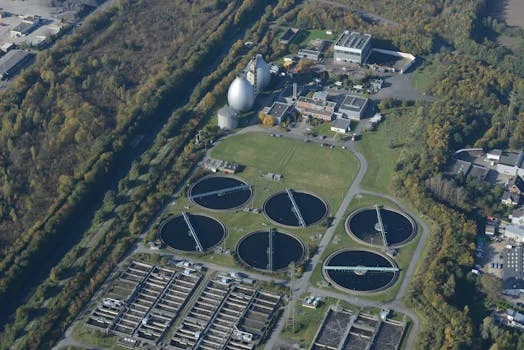
CEA regulations mandate an Environmental Impact Assessment (EIA) for any sewage treatment project exceeding a 200 m³/day processing capacity or those located within 100 meters of a riverbank. The approval process begins with a site assessment to evaluate soil permeability and flood risks, followed by a preliminary design review where the CEA evaluates the proposed "3-barrier" approach: primary screening, biological secondary treatment, and tertiary disinfection. For healthcare facilities, this must include CEA-approved medical wastewater treatment with ozone disinfection to neutralize specific pathogens and pharmaceutical residues.
Common reasons for permit rejection in Sri Lanka include inadequate sludge storage capacity and the absence of a bypass contingency plan for pump failures. To ensure approval within the typical 4–8 week timeline, applicants must submit detailed hydraulic calculations, equipment data sheets (specifying membrane pore size for MBR), and a certified maintenance schedule. Once the Environmental Protection License (EPL) is granted, facilities are required to submit quarterly water quality reports and maintain logs of sludge disposal for at least