Why Chennai’s Sewage Treatment Market Demands Data-Driven Supplier Selection
Chennai’s Tamil Nadu Pollution Control Board (TNPCB) enforces a discharge limit of BOD < 30 mg/L and TSS < 100 mg/L for all inland surface water disposals as of the 2024 General Standards. For industrial facilities, failure to meet these benchmarks results in penalties ranging from ₹10,000 to ₹5 Lakh per violation, often accompanied by mandatory plant shutdowns. A prominent hotel in Chennai recently faced a ₹5L fine after its legacy system failed to manage peak organic loads, highlighting the risk of selecting equipment based on price rather than technical resilience.
The city's water crisis further complicates procurement decisions. With Chennai facing a 2024 water deficit of approximately 400 million liters per day (MLD), according to Metro Water Supply data, the demand for high-quality effluent has shifted from simple disposal to mandatory reuse. Systems that cannot produce reuse-quality water (BOD < 10 mg/L) force facilities to purchase expensive tanker water, increasing long-term operational costs. For example, a Chennai textile factory reduced its annual TNPCB penalty exposure by 70% after upgrading to a 200 m³/day MBR systems for hospital and industrial wastewater in Chennai, which allowed them to recycle 85% of their process water.
Common procurement pitfalls in the Chennai market often stem from undersized equipment. Many suppliers quote for average flow rather than peak hydraulic loads. An undersized 50 m³/day system forced to handle 100 m³/day during monsoon surges will experience a 30% increase in OPEX due to rapid membrane fouling and frequent sludge removal. Data-driven selection requires matching the equipment's hydraulic loading rate (HLR) and organic loading rate (OLR) to the specific influent profile of the site.
5 Leading Sewage Treatment Equipment Suppliers in Chennai: Head-to-Head Specs
Comparative data for Chennai’s sewage treatment equipment market indicates that Membrane Bioreactor (MBR) systems achieve 97% TSS removal while requiring 40% less footprint than traditional Sequencing Batch Reactor (SBR) configurations. The following table compares five major equipment profiles available in the Chennai market, based on standard 2025 engineering specifications for industrial and municipal applications.
| Supplier Profile | Primary Technology | Capacity (m³/day) | TSS Removal (%) | BOD Removal (%) | Footprint (m²/100m³) | Energy (kWh/m³) | Lead Time |
|---|---|---|---|---|---|---|---|
| Industrial MBR Specialist | MBR | 10–500 | 97–99% | >95% | 15–25 | 0.8–1.2 | 6–8 Weeks |
| Municipal SBR Provider | SBR | 50–2000 | 90–94% | 90–92% | 45–60 | 0.4–0.6 | 10–12 Weeks |
| Package Plant Manufacturer | Moving Bed Biofilm (MBBR) | 5–150 | 85–92% | 88–90% | 30–40 | 0.5–0.7 | 4–6 Weeks |
| Textile Effluent Specialist | DAF + Biological | 100–1000 | 95–98% | 92–94% | 50–70 | 1.0–1.4 | 12–14 Weeks |
| Hospital STP Provider | Fluidized Bed Bio Reactor | 20–300 | 92–96% | 93–95% | 35–50 | 0.6–0.8 | 8–10 Weeks |
Suppliers specializing in how MBR systems work for Chennai’s industrial wastewater typically provide the highest effluent quality, which is essential for pharmaceutical and hospital clients. Those focusing on SBR technology offer better energy efficiency for large-scale municipal projects where land is not the primary constraint. ISO-certified manufacturers in the region, particularly those serving the pharmaceutical sector, often include integrated automation and remote monitoring as standard, reducing the risk of human error during chemical dosing.
When evaluating these suppliers, the lead time is a critical factor for Chennai projects facing TNPCB deadlines. While package plants can be deployed within a month, custom-engineered MBR or DAF systems for high-COD textile wastewater require up to 14 weeks for fabrication and commissioning. Procurement managers must balance this timeline against the immediate risk of non-compliance fines.
Engineering Specs That Matter: How to Match Equipment to Your Wastewater Profile
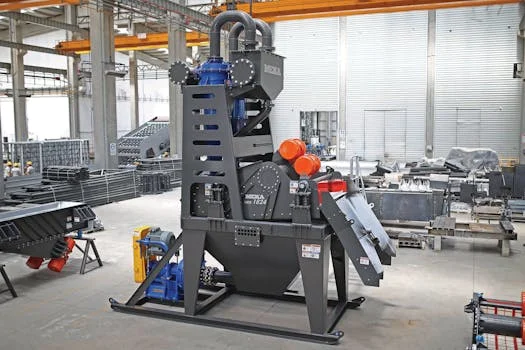
Textile industrial influent in Chennai typically exhibits a Biological Oxygen Demand (BOD) range of 500–1200 mg/L, necessitating specialized treatment stages beyond standard municipal parameters. Selecting equipment without a detailed influent analysis leads to rapid system failure. For instance, hospital wastewater requires specific disinfection stages to address E. coli concentrations of 10^6–10^8 CFU/100mL, a standard that conventional residential STPs cannot meet. Using a Chennai hospital STP compliance strategies approach ensures that high-pathogen loads are neutralized before discharge.
| Wastewater Type | Recommended Tech | Pros | Cons | Effluent Quality (BOD/TSS) |
|---|---|---|---|---|
| Textile/Dyeing | DAF + MBR | Handles high color & COD | High chemical cost | <10 / <5 mg/L |
| Hospital/Medical | MBR | 99.9% pathogen removal | Higher CAPEX | <5 / <2 mg/L |
| Residential/IT Park | SBR or MBBR | Low OPEX; easy to run | Large footprint | <20 / <30 mg/L |
| Food Processing | DAF systems for Chennai’s textile and food processing industries | Excellent fat/oil removal | Requires sludge dewatering | <30 / <50 mg/L |
Hydraulic loading rates (HLR) are the primary engineering constraint for Chennai’s space-constrained sites. According to EPA 2023 guidelines, MBR systems operate at an HLR of 0.5–1.0 m³/m²/day, whereas SBRs require significantly more area at 0.8–1.5 m³/m²/day due to the batch settling phases. For underground installations in commercial basements, an underground package STP for Chennai’s space-constrained sites is often the only viable option to meet TNPCB requirements without sacrificing parking or retail space.
Monsoon surge management is a Chennai-specific engineering requirement. During heavy rainfall, influent flow can increase by 2–3 times the dry season average due to groundwater infiltration into old sewer lines. Engineers should specify a buffer tank capacity equal to at least 25% of the daily flow or opt for modular systems that can scale treatment intensity during peak periods. Without this buffer, the hydraulic surge will wash out the biological biomass, leading to weeks of system downtime while the bacteria recolonize.
Cost Breakdown: CAPEX, OPEX, and ROI for Chennai’s STP Systems
Capital expenditure for a 200 m³/day sewage treatment plant in Chennai currently ranges between ₹40L and ₹60L, depending on the integration of membrane technology. While the initial investment for MBR is approximately 20–30% higher than SBR, the total cost of ownership over a 10-year period is often lower due to the avoidance of water purchase costs. A detailed cost comparison for Chennai’s STP buyers shows that the payback period for a high-efficiency system is typically between 3 and 5 years.
| System Size (m³/day) | CAPEX Range (2025) | OPEX/Year (Est.) | Savings (Penalty + Reuse) | Payback Period |
|---|---|---|---|---|
| 50 | ₹12L – ₹18L | ₹1.8L – ₹2.4L | ₹4.5L/year | 3.5 Years |
| 200 | ₹40L – ₹60L | ₹5.0L – ₹7.2L | ₹18.0L/year | 3.2 Years |
| 500 | ₹80L – ₹120L | ₹12.0L – ₹15.0L | ₹42.0L/year | 2.8 Years |
Operational expenses (OPEX) in Chennai are dominated by energy costs, which account for 40% of the monthly budget. Chemicals for coagulation and disinfection contribute 25%, while labor and maintenance make up the remaining 35%. For a 100 m³/day MBR system, facility owners should budget between ₹15,000 and ₹20,000 per month for routine operations. This estimate includes the cost of specialized membrane cleaning chemicals required to maintain flux rates in high-hardness Chennai groundwater.
Hidden costs frequently derail STP budgets. Sludge disposal in Chennai costs between ₹2 and ₹4 per kilogram, and a poorly optimized system can produce twice the necessary sludge volume. Additionally, TNPCB permit fees (Consent to Operate) range from ₹50,000 to ₹2L per year depending on the industry scale. Budgeting an additional 10–20% of CAPEX for monsoon surge buffers and online monitoring equipment is recommended to prevent emergency repairs and regulatory fines.
TNPCB Compliance Checklist: How to Avoid Chennai’s Most Common Violations
Data from the TNPCB 2024 annual report indicates that 60% of sewage treatment plant violations in the Chennai metropolitan area are attributed to Total Suspended Solids (TSS) exceeding the 100 mg/L threshold. These failures are rarely due to the technology itself but rather to inadequate sedimentation or lack of proper aeration control. To ensure continuous compliance, plant engineers must implement a rigorous sampling and testing protocol based on APHA (American Public Health Association) methods.
| Parameter | TNPCB Limit (2025) | Sampling Frequency | Common Violation Cause |
|---|---|---|---|
| BOD (5-day) | < 30 mg/L | Weekly | Low Dissolved Oxygen (DO) |
| TSS | < 100 mg/L | Daily (Visual) | Poor sludge settling |
| pH | 6.5 – 8.5 | Continuous/Daily | Chemical dosing errors |
| Oil & Grease | < 10 mg/L | Monthly | Lack of grease trap maintenance |
| Fecal Coliform | < 1000 CFU/100mL | Monthly | Inadequate chlorine contact time |
Supplier red flags often include a lack of TNPCB-certified performance data or vague guarantees regarding effluent quality. A reputable supplier should provide a performance bank guarantee (PBG) that ensures the system meets specific parameters for at least 12 months post-installation. the absence of local service teams in Chennai is a critical risk; during the monsoon, a 24-hour response time is necessary to prevent system overflows that could lead to environmental contamination and legal action.
Implementing online monitoring systems for pH, ORP (Oxidation-Reduction Potential), and DO is a proactive strategy to catch process drifts before they exceed discharge limits. While these sensors add ₹3–5L to the initial cost, they provide the data needed to defend against "unjustified" TNPCB notices. Additionally, facility owners should budget for third-party lab testing at least once a quarter to verify internal sensor accuracy and maintain a transparent record for regulatory inspections.
Frequently Asked Questions
Q: What’s the best sewage treatment technology for a Chennai hospital?
A: MBR systems are the gold standard for hospitals because they achieve 99% E. coli removal and meet TNPCB’s strict limits for medical effluent. They provide a physical barrier to pathogens that SBR or MBBR systems cannot match. CAPEX for a 50 m³/day hospital MBR typically ranges from ₹25L to ₹35L.
Q: How much does a 100 m³/day STP cost in Chennai?
A: For 2025, an SBR system costs approximately ₹20–30L, while an MBR system costs ₹30–45L. Monthly OPEX for these systems ranges from ₹12,000 to ₹18,000. The investment usually pays for itself within 3–5 years through the avoidance of TNPCB penalties and the reuse of treated water for landscaping or cooling towers.
Q: What are TNPCB’s penalties for non-compliance in 2025?
A: Penalties include fines of ₹10k–5L per violation and potential plant shutdowns. In 2024, Chennai saw 47 industrial shutdowns due to persistent wastewater violations. TNPCB also has the authority to disconnect electricity and water services for non-compliant facilities.
Q: Can I reuse treated sewage water for industrial processes in Chennai?
A: Yes, but TNPCB requires stricter effluent quality for reuse (BOD < 10 mg/L and TSS < 2 mg/L). This typically requires tertiary treatment stages like Ultrafiltration (UF) or Reverse Osmosis (RO) following the biological treatment. Reuse is currently mandatory for many large IT parks and industrial zones in Chennai to offset water scarcity.
Q: How do I choose between MBR and SBR for my factory?
A: Follow this decision framework: If you have high COD (>1000 mg/L) or space constraints, choose MBR. If you have a limited CAPEX budget and ample land, SBR is more cost-effective. If your goal is high-quality water reuse for sensitive processes, MBR is the technically superior choice.
Further Reading
Explore these in-depth articles on related wastewater treatment topics: