In Maharashtra, hospital wastewater treatment must comply with CPCB and Maharashtra Pollution Control Board (MPCB) discharge limits—typically BOD < 30 mg/L, COD < 250 mg/L, and fecal coliform < 100 MPN/100 mL. Effective systems combine biological treatment (e.g., MBR or SBR) with advanced disinfection (e.g., chlorine dioxide or ozone) to remove 99.9% of pathogens and 90%+ of pharmaceutical residues. Costs range from ₹12–25 lakhs for a 50 m³/day compact STP, with OPEX of ₹0.8–1.5/m³ treated.
Why Maharashtra Hospitals Need Specialized Wastewater Treatment
Hospital wastewater in Maharashtra contains higher concentrations of pathogens (e.g., E. coli, Salmonella), pharmaceuticals (e.g., antibiotics, hormones), and chemicals (e.g., formaldehyde, glutaraldehyde) than domestic sewage, according to CPCB 2024 data. Unlike residential effluent, hospital discharge carries a high risk of containing multi-drug resistant (MDR) bacteria, which can bypass conventional municipal treatment plants and enter local water bodies. In regions like the Marathwada or Vidarbha belts, where groundwater reliance is high, the infiltration of untreated medical effluent into aquifers poses a severe public health risk. A 2023 MPCB report linked localized waterborne disease outbreaks in peri-urban areas to inadequate sterilization of medical liquid waste.
The regulatory environment in Maharashtra has become increasingly stringent. MPCB enforcement guidelines for 2024 state that penalties for non-compliance range from ₹50,000 to ₹2 lakhs per violation. Persistent failure to meet effluent standards can lead to the withdrawal of the "Consent to Operate" (CTO) and the forced closure of the facility. For instance, a major hospital in Pune was fined ₹1.8 lakhs in 2023 after MPCB regional officers found BOD levels exceeding 150 mg/L in their primary discharge point, illustrating the financial and operational risks of inadequate treatment infrastructure.
Specialized treatment is also necessary to handle the high chemical oxygen demand (COD) resulting from laboratory reagents and diagnostic imaging chemicals. Conventional sewage treatment plants (STPs) are often ill-equipped to degrade complex pharmaceutical residues such as ciprofloxacin or paracetamol, which require advanced oxidation or membrane filtration. Implementing a dedicated detailed guide to medical wastewater treatment processes ensures that these specific contaminants are neutralized before discharge.
Maharashtra and CPCB Regulations for Hospital Wastewater: Discharge Limits and Permitting
The Maharashtra Pollution Control Board (MPCB) enforces discharge limits that align with the General Standards for Discharge of Environmental Pollutants (2024), but with specific regional nuances. For hospitals, the primary focus is on pathogen elimination and the reduction of organic load to prevent eutrophication in Maharashtra’s rivers, such as the Mula-Mutha or the Godavari. CPCB guidelines (2023) further mandate a 99.9% pathogen removal rate and at least a 90% reduction in pharmaceutical residues for hospitals with more than 10 beds.
| Parameter | MPCB Discharge Limit (2025) | CPCB Requirement |
|---|---|---|
| pH Value | 6.5–8.5 | 6.5–9.0 |
| BOD (3 days at 27°C) | < 30 mg/L | < 30 mg/L |
| COD (Chemical Oxygen Demand) | < 250 mg/L | < 250 mg/L |
| TSS (Total Suspended Solids) | < 100 mg/L | < 100 mg/L |
| Fecal Coliform | < 100 MPN/100 mL | < 100 MPN/100 mL |
| Oil and Grease | < 10 mg/L | < 10 mg/L |
| Residual Chlorine | < 0.2 mg/L (Mumbai/Pune) | < 1.0 mg/L |
The permitting process in Maharashtra involves two critical stages: Consent to Establish (CTE) and Consent to Operate (CTO). Hospitals must apply via the MPCB online portal, providing detailed engineering drawings of the STP, expected hydraulic load, and a sludge management plan. Timelines for approval typically range from 45 to 90 days. A local nuance in Mumbai and Pune is the strict limit on residual chlorine (< 0.2 mg/L) to protect local aquatic ecosystems, which often necessitates de-chlorination steps or the use of ozone-based disinfection. Common compliance pitfalls include the lack of real-time monitoring sensors for pH and COD, which are increasingly required for hospitals with over 50 beds.
While Maharashtra has specific local requirements, engineers should also be aware of how these compare to other regions, such as the hospital wastewater treatment standards in Assam, to understand the national trend toward zero liquid discharge (ZLD) in the healthcare sector.
Hospital Wastewater Characteristics: Influent Quality and Treatment Challenges
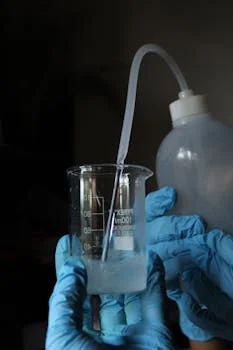
Typical influent quality for Maharashtra hospitals shows BOD levels ranging from 200 to 600 mg/L and COD levels between 500 and 1,200 mg/L, according to CPCB 2024 benchmarks. The presence of high-strength disinfectants like glutaraldehyde from surgical tool sterilization can inhibit the biological activity in standard STPs, leading to system "upsets" where the bacterial culture in the aeration tank dies off. fecal coliform counts in hospital raw sewage are significantly higher than domestic levels, often reaching 10^8 MPN/100 mL.
| Contaminant Source | Key Pollutants | Concentration Range (Influent) |
|---|---|---|
| Patient Wards / Toilets | Pathogens, Pharmaceuticals | BOD: 200–400 mg/L |
| Laboratories / X-Ray | Heavy Metals, Solvents | COD: 800–1,200 mg/L |
| Operation Theaters | Blood, Disinfectants | TSS: 200–500 mg/L |
| Canteens / Kitchens | Oil and Grease | O&G: 20–50 mg/L |
Seasonal variations significantly impact STP performance in Maharashtra. During the monsoon season, hydraulic loading can increase by 20–30% due to stormwater ingress into aging sewer lines, potentially washing out the biomass in biological reactors. Conversely, during the hot summer months, reduced water usage leads to highly concentrated influent, which increases the toxicity of the wastewater. Engineers must design systems with equalization tanks that can buffer these fluctuations. Another emerging challenge is the presence of antibiotic resistance genes (ARGs), which require advanced tertiary treatment to ensure that the effluent does not contribute to the "superbug" crisis in local water bodies.
Treatment Process Deep Dive: How Hospital STPs Work in Maharashtra
The treatment of hospital effluent requires a multi-stage process to address both organic loads and specialized medical contaminants. The process begins with Pretreatment, utilizing high-efficiency screening to remove large solids and medical debris. A rotary mechanical bar screen with a 5–10 mm gap is essential for protecting downstream pumps and membranes from clogging, offering up to 95% TSS removal at the primary stage.
Primary Treatment involves sedimentation or the use of lamella clarifiers to reduce the organic load. A high-efficiency sedimentation tank with a surface loading rate of 30–40 m/h can achieve a 30–40% reduction in BOD, significantly lowering the energy demand of the subsequent biological stage. Following this, Secondary Treatment employs biological processes. For many Maharashtra facilities, a compact underground STP for hospitals is preferred due to space constraints. These systems typically utilize Anoxic/Oxic (A/O) or Moving Bed Biofilm Reactor (MBBR) technology to achieve 90–95% BOD removal.
Tertiary Treatment is where the most critical medical disinfection occurs. After filtration through multi-media and activated carbon filters, the water must undergo advanced disinfection. An advanced disinfection for hospital effluent system using chlorine dioxide is highly effective, as it maintains a stable residual without the high levels of trihalomethanes (THMs) associated with standard liquid chlorine. This ensures a 99.9% pathogen kill rate, meeting MPCB’s strictest fecal coliform standards.
Finally, Sludge Management is handled by dewatering equipment. A plate and frame filter press is used to compress biological sludge into a dry cake with 20–30% solids content. This cake must be handled as hazardous waste or disposed of in accordance with the Bio-Medical Waste Management Rules, often requiring incineration or disposal in secured landfills authorized by MPCB.
Technology Comparison: MBR vs. SBR vs. Conventional Activated Sludge for Hospital STPs
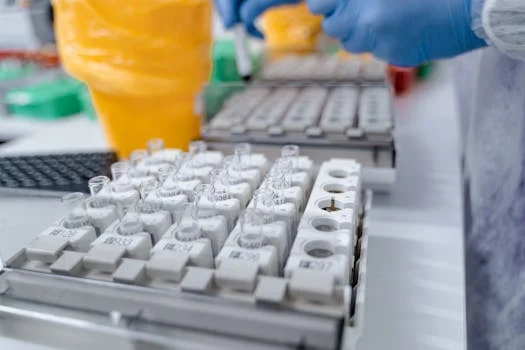
Selecting between Membrane Bioreactor (MBR), Sequencing Batch Reactor (SBR), and Conventional Activated Sludge (CAS) depends on footprint and effluent quality goals. In space-constrained cities like Mumbai, a high-efficiency MBR system for space-constrained hospitals is the gold standard. MBR combines biological degradation with membrane filtration (pore size < 0.1 μm), producing effluent that is often suitable for non-potable reuse in cooling towers or toilet flushing.
| Feature | MBR (Membrane Bioreactor) | SBR (Sequencing Batch) | CAS (Conventional) |
|---|---|---|---|
| Effluent Quality | Excellent (Reuse Quality) | High | Moderate |
| Footprint | Compact (60% smaller) | Moderate | Large |
| Pathogen Removal | 99.9% (Physical Barrier) | 90–95% | 80–85% |
| CAPEX | High (₹20–30L for 50m3) | Medium (₹12–20L) | Low (₹8–15L) |
| OPEX | ₹1.2–1.8/m³ | ₹1.0–1.4/m³ | ₹0.8–1.2/m³ |
SBR systems are highly effective for hospitals in cities like Pune or Nashik that experience variable hydraulic loads. The batch process allows for flexible aeration times, which is useful for treating the fluctuating concentrations of disinfectants found in hospital waste. However, CAS remains a viable option for rural Maharashtra facilities where land is available and the budget is limited. While CAS has the lowest CAPEX, it requires a larger footprint and more intensive tertiary disinfection to meet pathogen limits. For a deeper analysis of long-term costs, engineers should consult a cost comparison of MBR and extended aeration systems.
Cost Breakdown: Hospital STPs in Maharashtra (CAPEX, OPEX, and ROI)
The capital expenditure (CAPEX) for a hospital STP in Maharashtra in 2025 typically ranges from ₹8 lakhs to over ₹1.2 crore, depending on capacity and technology. For a standard 100 m³/day plant, the equipment accounts for approximately 60% of the cost, while civil works (tanks and housing) take up 20%. Installation and commissioning make up the remaining 20%. MBR systems sit at the higher end of this range but offer significant value through land savings and water reuse potential.
| Capacity (m³/day) | Estimated CAPEX (2025) | Estimated OPEX (per m³) |
|---|---|---|
| 50 m³/day | ₹12–25 Lakhs | ₹1.0–1.5 |
| 100 m³/day | ₹20–60 Lakhs | ₹0.9–1.3 |
| 200 m³/day | ₹50–120 Lakhs | ₹0.8–1.2 |
Operational expenditure (OPEX) is driven primarily by energy consumption (40%) and chemical dosing (25%). To minimize OPEX, hospitals are increasingly adopting automation. An automatic chemical dosing system with PLC control ensures that disinfectants and coagulants are only used when necessary, reducing chemical waste by up to 15%.
The Return on Investment (ROI) for a modern STP is realized through three channels: avoided MPCB penalties, reduced freshwater procurement costs via water reuse, and extended equipment life through proper maintenance. For a 100-bed hospital treating 200 m³/day, a CAPEX of ₹40 lakhs can often be recovered in 3.5 years. Financing is supported by the SIDBI Green Finance Scheme, which provides low-interest loans for environmental infrastructure, and MPCB occasionally offers subsidies for Tier 2 and Tier 3 city hospitals to upgrade their treatment facilities.
Equipment Selection Framework: How to Choose the Right Hospital STP for Your Facility
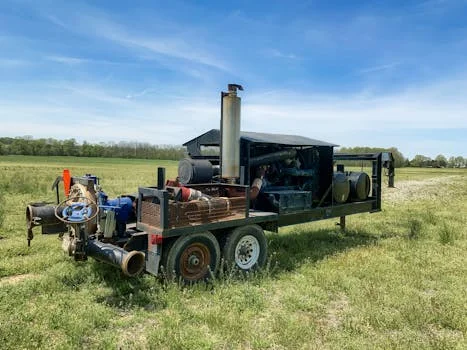
An effective equipment selection framework begins with a comprehensive analysis of influent characteristics. Facility managers should not rely on generic sewage data; instead, they must test for specific hospital markers, including pharmaceutical residues and high-level disinfectants. This data dictates whether the biological system needs specialized bacterial strains or advanced oxidation pretreatment.
- Assess Influent and Flow: Test BOD, COD, and peak hourly flow. Hospital flow is typically highest between 8:00 AM and 2:00 PM.
- Determine Discharge Goals: Are you discharging to a municipal sewer (standard limits) or a sensitive water body (stricter Mumbai/Pune limits)?
- Evaluate Site Constraints: If the STP must be located in a basement or parking lot, MBR or integrated underground systems are mandatory.
- Compare TCO: Evaluate the Total Cost of Ownership over 10 years, including membrane replacement for MBR or higher chemical costs for CAS.
- Verify Compliance Certifications: Ensure the supplier provides MPCB-compliant design certificates and local service support within Maharashtra.
- Check for Automation: Systems with remote monitoring allow facility managers to track effluent quality in real-time, preventing accidental discharge of non-compliant water.
Red flags during the selection process include suppliers who cannot provide a detailed mass balance for the treatment process or those who claim "zero maintenance." In the context of Maharashtra’s regulatory climate, choosing a system without a robust local service network in cities like Mumbai, Pune, or Nagpur is a high-risk decision that can lead to prolonged downtime and subsequent MPCB fines.
Frequently Asked Questions
What are the MPCB discharge limits for hospital wastewater in Maharashtra?
The limits are typically BOD < 30 mg/L, COD < 250 mg/L, TSS < 100 mg/L, and fecal coliform < 100 MPN/100 mL. In Mumbai and Pune, residual chlorine must often be below 0.2 mg/L.
How much does a hospital STP cost in Maharashtra?
A 50 m³/day plant costs between ₹12–25 lakhs, while a 100 m³/day plant ranges from ₹20–60 lakhs, depending on whether MBR or SBR technology is used.
What is the best technology for hospital wastewater: MBR, SBR, or conventional?
MBR is best for space-constrained urban hospitals requiring high-quality effluent. SBR is ideal for facilities with fluctuating flow, and conventional systems are the most budget-friendly for rural areas with sufficient land.
How can hospitals reduce STP operating costs?
Implementing energy-efficient blowers, utilizing automated chemical dosing systems, and reusing treated water for gardening or cooling towers can significantly lower OPEX.
What are the penalties for non-compliance with MPCB regulations?
Penalties range from ₹50,000 to ₹2 lakhs per violation, and MPCB has the authority to shut down facilities that repeatedly fail to meet standards.