Wastewater treatment expert: +86-181-0655-2851 Get Expert Consultation

Engineering Solutions & Case Studies

Municipal Sewage Treatment Plants in Angola: 2025 Engineering Guide with Cost Data, Compliance & Equipment Checklist

Municipal Sewage Treatment Plants in Angola: 2025 Engineering Guide with Cost Data, Compliance & Equipment Checklist

Municipal Sewage Treatment Plants in Angola: 2025 Engineering Guide with Cost Data, Compliance & Equipment Checklist

Angola’s municipal sewage treatment plants face unique challenges: influent with high organic loads (COD 600–1,200 mg/L), temperatures up to 35°C, and discharge limits set by the National Water Directorate (DNA) under Decree 5/95. For a 10,000 PE plant, MBR systems achieve 95%+ BOD removal but cost $3.2M–$4.8M CAPEX, while activated sludge plants (ASP) offer 85–90% removal at $1.8M–$2.5M. Local compliance requires tertiary treatment (e.g., chlorine dioxide disinfection) to meet DNA’s <1,000 CFU/100mL E. coli limit. This guide provides engineering specs, cost models, and equipment checklists for Angola’s urban and rural projects.

Angola’s Municipal Sewage Crisis: Why Treatment Plants Are Urgent

Only 30% of Angola’s urban population currently has access to adequate sewerage infrastructure, according to a 2023 WHO report, creating a significant public health and environmental crisis. In Luanda alone, a city of 8 million residents, an estimated 400,000 cubic meters per day of untreated wastewater is discharged directly into waterways and coastal areas, as reported by the National Water Directorate (DNA) in 2024. This widespread lack of treatment facilities contributes directly to preventable diseases and environmental degradation across the nation. The economic repercussions of untreated sewage are substantial. Cholera outbreaks in Angola during 2022–2023, directly linked to the discharge of raw sewage, incurred an estimated $120 million in healthcare costs and lost tourism revenue, according to World Bank analysis. Recognizing this critical infrastructure gap, DNA’s 2025 targets mandate that 60% of provincial capitals achieve comprehensive sewerage coverage, necessitating an estimated $1.5 billion investment to bridge the current infrastructure deficit, as identified by the African Development Bank (AfDB). Angola’s climate presents additional complexities for sewage treatment plant design and operation. Seasonal heavy rainfall leads to significant influent dilution, impacting treatment efficiency and requiring robust equalization capacity. Consistently high ambient temperatures, often reaching 30–35°C, accelerate biological processes but also increase the volatility of certain pollutants and demand careful process control to prevent foaming or system upsets. coastal cities such as Benguela experience significant saline intrusion into their sewer networks, which can increase chloride levels in influent and necessitate the use of corrosion-resistant materials and specialized biological treatment processes. Addressing these unique challenges is paramount for the successful and sustainable development of `municipal sewage treatment plant in Angola` projects.

Angola’s Sewage Treatment Regulations: DNA Standards and Compliance Checklist
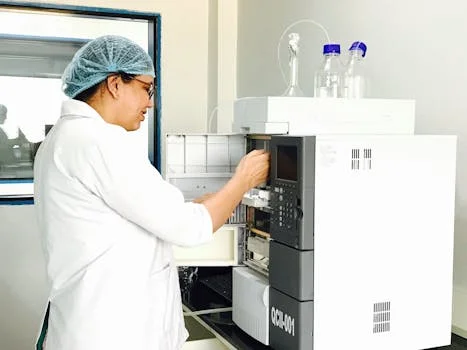
municipal sewage treatment plant in angola - Angola’s Sewage Treatment Regulations: DNA Standards and Compliance Checklist
Angola’s National Water Directorate (DNA) sets stringent effluent limits under Decree 5/95, which are crucial for the design and operation of any `Angola sewage treatment engineering` project. For general municipal wastewater discharge, Decree 5/95 mandates effluent quality of biochemical oxygen demand (BOD) less than 30 mg/L, chemical oxygen demand (COD) less than 125 mg/L, total suspended solids (TSS) less than 35 mg/L, and *E. coli* counts below 1,000 CFU/100mL. This *E. coli* standard is notably stricter than the World Health Organization’s (WHO) <10,000 CFU/100mL guideline often acceptable for certain water reuse applications, underscoring Angola’s commitment to public health. For large-scale facilities, discharge permits for `municipal sewage treatment plant in Angola` projects exceeding 5,000 Population Equivalent (PE) require a mandatory 12-month pilot testing period to demonstrate consistent compliance with these limits, as stipulated by DNA in 2024. Coastal cities, including Lobito and Namibe, face additional regulatory requirements under Decree 12/04, which mandates chloride levels below 250 mg/L in discharged effluent, primarily to protect marine ecosystems from excessive salinity. Adhering to Angola’s regulatory framework involves a multi-step permitting process and ongoing compliance. Key required documentation includes a comprehensive Environmental Impact Assessment (EIA), official DNA site approval for construction, and annual compliance audits conducted by certified laboratories, such as the National Institute of Environmental Affairs (INEA). Non-compliance carries severe penalties, with DNA having the authority to impose fines up to $500,000 or even order the complete shutdown of a non-compliant plant, as documented in 2023. Understanding these regulations is vital for any entity evaluating `Angola water reuse regulations` or seeking to implement wastewater solutions. For insights into how other African and Latin American countries handle wastewater compliance, see our guide on hospital wastewater treatment in Mexico.
Parameter DNA Decree 5/95 Effluent Limit (General) DNA Decree 12/04 Effluent Limit (Coastal)
BOD5 <30 mg/L <30 mg/L
COD <125 mg/L <125 mg/L
TSS <35 mg/L <35 mg/L
E. coli <1,000 CFU/100mL <1,000 CFU/100mL
Chlorides No specific limit <250 mg/L

Engineering Specifications for Angola’s Municipal Sewage Plants

Influent quality in Angola's municipal sewage systems typically presents high organic and solids loads, demanding robust treatment solutions. Based on DNA 2024 samples from major urban centers like Luanda and Huambo, raw sewage influent is characterized by Chemical Oxygen Demand (COD) ranging from 600–1,200 mg/L, Biochemical Oxygen Demand (BOD) between 300–600 mg/L, and Total Suspended Solids (TSS) from 250–500 mg/L. These concentrations are often higher than those found in temperate climates due to lower per capita water consumption and less industrial dilution, necessitating careful consideration in `Angola sewage treatment engineering` designs. High ambient temperatures, frequently between 30–35°C, significantly influence biological treatment processes. While these elevated temperatures accelerate microbial activity, potentially reducing hydraulic retention times (HRT) in bioreactors, they also necessitate careful aeration control to prevent oxygen depletion and can increase the rate of volatile organic compound (VOC) stripping. For instance, biological processes operating at 30–35°C may require aeration basins sized 20–30% larger than those in temperate climates to manage higher oxygen transfer rates and ensure stable performance, according to EPA 2023 guidelines for warm climates. Saline intrusion poses a critical design challenge for `coastal sewage treatment Angola` projects, particularly in cities like Benguela. Seawater infiltration into aging sewer networks can elevate chloride levels in the influent to 500–1,500 mg/L. This high salinity not only impacts the efficacy of certain biological treatment strains but also necessitates the specification of corrosion-resistant materials throughout the plant, such as 316L stainless steel for pumps, piping, and submerged components, or high-density polyethylene (HDPE) for tanks and conduits. Primary treatment is essential for removing gross solids and a significant portion of suspended matter. This typically involves the deployment of Rotary mechanical bar screens (GX Series) with 6mm spacing, designed for 95%+ TSS removal, followed by aerated grit chambers. These grit chambers must be meticulously sized for 30–60 seconds of retention time, with adjustments for the often sand-heavy influent characteristic of Angolan urban areas, especially after rainfall events. For secondary treatment, the choice between MBR and Activated Sludge Plants (ASP) is critical. MBR systems, with their 0.1 μm membrane filtration, offer superior effluent quality and a significantly smaller footprint, making them ideal for urban areas with high organic loads and space constraints. Conversely, conventional Activated Sludge Plants, often designed with a 30–40 day Sludge Retention Time (SRT) to handle high organic loads, require substantially more land but may offer lower operational complexity in some rural settings.
Parameter Typical Angolan Municipal Influent (DNA 2024) Impact on Design
COD 600–1,200 mg/L Requires robust biological or advanced oxidation processes.
BOD5 300–600 mg/L Demands sufficient aeration capacity and biomass retention.
TSS 250–500 mg/L Requires effective primary screening and sedimentation.
Temperature 30–35°C Accelerates biological activity, requires larger aeration volume for O2 transfer.
Chlorides (Coastal) 500–1,500 mg/L Necessitates corrosion-resistant materials (316L SS, HDPE).

Technology Comparison: MBR vs. Activated Sludge vs. DAF for Angola’s Municipal Plants

municipal sewage treatment plant in angola - Technology Comparison: MBR vs. Activated Sludge vs. DAF for Angola’s Municipal Plants
Selecting the optimal wastewater treatment technology for a `municipal sewage treatment plant in Angola` depends heavily on local factors such as available land, budget constraints, and desired effluent quality. For highly urbanized areas like Luanda, where land is at a premium, MBR systems for Angola’s urban sewage plants offer a compelling solution. These systems achieve exceptional BOD removal rates of 95–98% and boast a compact footprint, typically 60% smaller than conventional activated sludge plants. While MBR systems exhibit higher energy consumption, ranging from 0.8–1.2 kWh/m³, their superior effluent quality often reduces the need for extensive tertiary treatment and facilitates water reuse. CAPEX for MBR systems in Angola is estimated at $3,200–$4,800 per Population Equivalent (PE) in 2025. Conversely, conventional Activated Sludge Plants (ASP) remain a viable and often more economical option for provincial towns and rural areas where land costs are significantly lower. ASP systems typically achieve 85–90% BOD removal, consuming less energy at 0.4–0.6 kWh/m³. However, they require 2–3 times the land area of MBR systems. The CAPEX for ASP projects in Angola is considerably lower, estimated at $1,800–$2,500/PE (2025), making them a cost-effective choice for communities with less stringent space constraints. Dissolved Air Flotation (DAF) systems, such as the ZSQ Series DAF pre-treatment for coastal cities with high FOG, primarily excel at removing total suspended solids (TSS) with efficiencies of 70–80%. While not a complete biological treatment solution, DAF is highly effective as a pre-treatment step, particularly in coastal cities like Lobito where commercial and industrial discharges contribute high levels of fats, oils, and grease (FOG). This pre-treatment protects downstream biological processes from fouling and improves overall system stability. CAPEX for DAF systems typically ranges from $800–$1,500/PE. For detailed engineering specs on DAF systems, refer to our article on how a DAF machine works. Angola-specific trade-offs are critical for decision-making. MBR’s higher CAPEX is often offset by its smaller footprint and superior effluent quality, which can enable more valuable water reuse opportunities and reduce long-term land acquisition costs in urban settings. ASP's lower CAPEX and OPEX make it attractive for projects with ample land and budget sensitivities. DAF systems are particularly suitable for influent with high FOG or for pre-treatment of saline wastewater, providing robust solids separation. However, MBR systems can be susceptible to membrane fouling risks at high temperatures and with specific influent characteristics, requiring diligent pre-treatment and maintenance.
Technology BOD Removal Efficiency Energy Use (kWh/m³) Footprint (relative to ASP) CAPEX (2025, per PE) Suitability for Angola
MBR System 95–98% 0.8–1.2 60% smaller $3,200–$4,800 Urban areas, high effluent quality, water reuse, space constraints.
Activated Sludge (ASP) 85–90% 0.4–0.6 1x (baseline) $1,800–$2,500 Provincial towns, rural areas, lower land costs, budget sensitivity.
DAF System (Pre-treatment) 70–80% TSS removal 0.2–0.4 Moderate $800–$1,500 Coastal cities with high FOG, industrial wastewater pre-treatment.

Cost Breakdown for Angola’s Municipal Sewage Treatment Plants: CAPEX, OPEX, and ROI Calculator

The capital expenditure (CAPEX) for a 10,000 PE `municipal sewage treatment plant in Angola` ranges significantly from $1.8 million for a conventional activated sludge plant to $4.8 million for an advanced MBR system, based on 2025 estimates. This total CAPEX typically comprises civil works (approximately 40% of the total cost, including site preparation, concrete structures, and buildings), equipment procurement (around 35%), and installation, commissioning, and engineering services (the remaining 25%). These figures are critical for procurement teams evaluating a `sewage plant cost Angola 2025` project. Operational expenditure (OPEX) varies substantially by technology. Activated sludge plants generally incur OPEX between $0.15–$0.30/m³ of treated wastewater, while MBR systems, with their higher energy demands for membrane filtration and aeration, typically range from $0.25–$0.45/m³. These costs encompass energy consumption, chemical reagents (e.g., coagulants, disinfectants, membrane cleaning agents), and labor for plant operators and maintenance staff. Return on Investment (ROI) for wastewater treatment projects in Angola is driven by several key factors beyond mere compliance. Treated effluent, especially from MBR systems, can be reused for industrial processes, agricultural irrigation, or groundwater recharge, generating revenue through sales to industries at approximately $0.50/m³. investing in treatment infrastructure directly mitigates public health crises, such as cholera outbreaks, which cost Angola an estimated $120 million annually in healthcare and lost tourism. Avoiding DNA compliance penalties, which can reach $500,000 per plant for violations, also contributes significantly to ROI. Several local cost factors must be considered. Import duties on specialized equipment can add 10–25% to procurement costs. Local labor costs for skilled operators and technicians typically range from $5–$15/hour, which is lower than in many developed nations but still a significant OPEX component. Land prices also vary drastically, from $50–$200/m² in prime Luanda urban areas to $5–$20/m² in rural provinces, directly impacting the CAPEX of land-intensive technologies like ASP. A simplified ROI formula for these projects can be calculated as: (Annual savings from water reuse + avoided penalties and health costs) / (CAPEX + Annual OPEX). This model suggests a payback period of 5–8 years for MBR systems, while activated sludge plants can achieve ROI in 3–5 years, depending on specific project conditions and water reuse opportunities.
Cost Category Activated Sludge (10,000 PE) MBR System (10,000 PE) Notes
CAPEX Range (2025) $1.8M – $2.5M $3.2M – $4.8M Includes civil works (40%), equipment (35%), installation (25%).
OPEX Range (per m³) $0.15 – $0.30 $0.25 – $0.45 Includes energy, chemicals, labor.
Typical Payback Period 3 – 5 years 5 – 8 years With water reuse and avoided costs.
Import Duties (Equipment) 10% – 25% Significant local cost factor.
Labor Costs (Operators) $5 – $15/hour Varies by skill and location.
Land Price (Luanda vs. Rural) $50–$200/m² vs. $5–$20/m² Impacts land-intensive technologies.

Equipment Checklist for Angola’s Municipal Sewage Treatment Plants

municipal sewage treatment plant in angola - Equipment Checklist for Angola’s Municipal Sewage Treatment Plants
A comprehensive equipment checklist is fundamental for engineers and procurement teams designing `municipal wastewater equipment suppliers` solutions in Angola, ensuring all critical components are specified with local conditions in mind. For primary treatment, robust mechanical screening is paramount. This includes Rotary mechanical bar screens (GX Series) with 6mm spacing to efficiently remove large debris and rags, followed by aerated grit chambers designed for 30–60 seconds of retention time to settle out inorganic solids. Flow equalization tanks, typically sized for 2–4 hours of average daily flow, are essential to manage diurnal flow variations and hydraulic shock loads, providing a consistent influent to downstream processes. For secondary biological treatment, the choice dictates the subsequent equipment. If opting for Membrane Bioreactors (MBR), specify MBR systems (DF Series) utilizing 0.1 μm PVDF membranes, known for their durability and high flux rates, suitable for producing high-quality effluent required for `Angola water reuse regulations`. For Activated Sludge Plants (ASP), diffused aeration systems with fine bubble diffusers are recommended for energy efficiency, paired with secondary clarifiers designed for adequate solids-liquid separation and a sludge return system to maintain a 30–40 day Sludge Retention Time (SRT). Tertiary treatment is crucial for meeting stringent DNA discharge limits and enabling water reuse. This typically involves chlorine dioxide disinfection for Angola’s tertiary treatment (ZS Series, 50–20,000 g/h) for pathogen inactivation, often preceded by multi-media filters (JY Series) for polishing effluent by removing residual TSS. Sludge handling is another critical component, requiring plate and frame filter presses (1–500 m² filtration area) for efficient dewatering, complemented by lime dosing systems to stabilize dewatered sludge to a pH of 12 for pathogen reduction and odor control. Angola-specific considerations should influence equipment selection. For off-grid or remote rural sites, solar-powered aeration systems can significantly reduce reliance on unstable grid electricity and lower OPEX. Coastal plants, exposed to saline conditions, demand corrosion-resistant materials, specifically 316L stainless steel for wetted parts and structural components, to ensure long-term operational integrity. remote monitoring and control systems are highly beneficial for rural locations, allowing central oversight and proactive maintenance without constant on-site presence.

Frequently Asked Questions

What are the discharge limits for municipal sewage plants in Angola?

DNA’s Decree 5/95 sets stringent effluent limits for municipal sewage plants in Angola: BOD <30 mg/L, COD <125 mg/L, TSS <35 mg/L, and E. coli <1,000 CFU/100mL. Additionally, coastal cities must meet a chloride limit of <250 mg/L under Decree 12/04 to protect marine environments.

How much does a 10,000 PE sewage treatment plant cost in Angola?

The Capital Expenditure (CAPEX) for a 10,000 Population Equivalent (PE) sewage treatment plant in Angola ranges from $1.8 million for an Activated Sludge Plant (ASP) to $4.8 million for an MBR system, based on 2025 estimates. Operational Expenditure (OPEX) typically falls between $0.15–$0.45/m³ of treated water. Local factors such as import duties (10–25%) and land costs can add an additional 10–30% to the total project cost.

Which technology is best for Angola’s high-temperature climate?

Both MBR and Activated Sludge (ASP) systems can operate effectively in Angola's high-temperature climate (30–35°C), which accelerates biological processes. MBR systems are ideal for urban areas due to their compact footprint and 95%+ BOD removal, producing high-quality effluent suitable for water reuse. ASP systems are more cost-effective for rural towns with lower land costs, offering reliable treatment with lower energy consumption.

What are the penalties for non-compliance with Angola’s sewage regulations?

Non-compliance with Angola’s DNA regulations, particularly Decree 5/95, can result in severe penalties. DNA has the authority to impose fines up to $500,000 or order the complete shutdown of a non-compliant plant. annual compliance audits are mandatory for all facilities exceeding 5,000 PE to ensure ongoing adherence to discharge standards.

Can treated sewage be reused in Angola?

Yes, treated sewage can be reused in Angola. DNA allows water reuse for purposes such as irrigation, industrial processes, or groundwater recharge, provided the effluent meets specific quality standards, including a WHO guideline of <10,000 CFU/100mL E. coli. MBR systems are often preferred for reuse applications due to their ability to consistently produce high-quality effluent that meets or exceeds these stringent requirements.

Related Articles

Industrial Dust Collection Systems Explained: Engineering, Efficiency & Cost-Optimized Selection Guide 2025
May 22, 2026

Industrial Dust Collection Systems Explained: Engineering, Efficiency & Cost-Optimized Selection Guide 2025

Discover how industrial dust collection systems work, their engineering specs, efficiency data (99.…

Industrial Wastewater Treatment in Chile 2025: Engineering Specs, Compliance & Cost-Optimized Equipment Guide
May 22, 2026

Industrial Wastewater Treatment in Chile 2025: Engineering Specs, Compliance & Cost-Optimized Equipment Guide

Discover 2025 industrial wastewater treatment solutions for Chile—engineering specs, SISS complianc…

Top 5 Sewage Treatment Equipment Suppliers in South Africa: 2025 Engineering Specs, Cost Data & Compliance Checklist
May 22, 2026

Top 5 Sewage Treatment Equipment Suppliers in South Africa: 2025 Engineering Specs, Cost Data & Compliance Checklist

Compare South Africa’s leading sewage treatment equipment suppliers with 2025 engineering specs, co…

Contact
Contact Us
Call Us
+86-181-0655-2851
Email Us Get a Quote Contact Us