Silicon carbide (SiC) wastewater treatment systems deliver superior chemical resistance and 99.5%+ TSS removal at a unit cost of $130–$150 per SiC membrane (Alibaba 2025), though system-level CAPEX ranges from $50,000–$200,000 depending on flow rate and automation. SiC’s 5–10x longer lifespan vs. PVDF membranes offsets higher upfront costs, with ROI achieved in 2–3 years for high-fouling applications like semiconductor or metalworking wastewater. Key advantages include 0.1–1 MPa operating pressure, 40nm–100nm pore sizes, and compatibility with acidic/alkaline streams (pH 1–14).
Why Silicon Carbide Outperforms PVDF and Ceramic Membranes in Industrial Wastewater
Silicon carbide (SiC) membranes consistently demonstrate superior performance in challenging industrial wastewater applications due to their exceptional material properties compared to polymeric (PVDF) and traditional ceramic membranes. SiC's Mohs hardness of 9.5, for instance, significantly exceeds PVDF's 2.0 and typical ceramic (alumina/zirconia) membranes' 7.0, providing unparalleled abrasion resistance against suspended solids, a critical factor for extending membrane lifespan in high-TSS streams (Thunder Said Energy, 2023). This hardness translates directly into a 5-10x longer operational life, reducing replacement frequency and associated downtime.
Chemical resistivity is another key differentiator. SiC membranes maintain structural integrity and filtration efficiency across a pH range of 1–14, making them compatible with highly acidic wastewater from pickling baths in metalworking facilities or strongly alkaline streams from chemical cleaning processes. In contrast, PVDF membranes typically degrade above pH 12, limiting their application in many industrial scenarios and requiring extensive pH neutralization pre-treatment. SiC also withstands aggressive cleaning agents like concentrated chlorine and organic solvents without compromising pore structure or flux, which is essential for effective cleaning-in-place (CIP) protocols in industries like semiconductor manufacturing where diverse and harsh chemicals are present.
Thermal stability further distinguishes SiC, allowing it to operate continuously at temperatures up to 2,700°C, a stark contrast to PVDF's maximum of approximately 150°C. This extreme thermal resistance is crucial for treating high-temperature industrial streams, such as flue gas condensate or certain chemical reaction effluents, where other membrane materials would rapidly fail. SiC's inherent hydrophilicity contributes to superior fouling resistance. Its smooth, negatively charged surface reduces the adhesion of organic matter, colloids, and biological films by an estimated 40–60% compared to hydrophobic PVDF membranes (industry benchmarks, 2024), leading to longer filtration cycles and reduced chemical cleaning frequency.
A semiconductor fabrication plant previously struggling with quarterly PVDF membrane replacement due to severe fouling from chemical mechanical planarization (CMP) wastewater, for example, transitioned to a CMP wastewater treatment solution utilizing SiC membranes. This switch extended membrane lifespan to biennial replacements, cutting operational expenditure (OPEX) related to membrane procurement and labor by an estimated 70%.
| Feature | SiC Membranes | PVDF Membranes | Ceramic Membranes (Alumina/Zirconia) |
|---|---|---|---|
| Mohs Hardness | 9.5 (Exceptional abrasion resistance) | 2.0 (Low abrasion resistance) | 7.0 (Good abrasion resistance) |
| Chemical Resistance (pH) | 1–14 (Acidic, alkaline, solvents, chlorine) | 2–12 (Degrades >pH 12, chlorine-sensitive) | 1–13 (Good, but less robust than SiC) |
| Thermal Stability (°C) | Up to 2,700 (Ideal for high-temp streams) | Up to 150 (Limited for high-temp) | Up to 1,000 (Good, but lower than SiC) |
| Fouling Resistance | High (Hydrophilic, low biofilm adhesion) | Moderate (Hydrophobic, prone to biofilm) | High (Hydrophilic, but can be susceptible to scaling) |
| Operating Pressure (MPa) | 0.1–1 MPa (High pressure capability) | 0.05–0.5 MPa (Lower pressure) | 0.1–0.8 MPa (Moderate to high pressure) |
Silicon Carbide Wastewater Treatment System Costs: CAPEX, OPEX, and ROI Breakdown
A comprehensive cost analysis for silicon carbide wastewater treatment systems reveals that while initial capital expenditure (CAPEX) can be higher than conventional polymeric systems, the significantly reduced operational expenditure (OPEX) and extended lifespan typically lead to a rapid return on investment (ROI). For a typical 100 m³/h SiC membrane system, the total CAPEX generally ranges from $80,000 to $120,000, influenced by the degree of automation and specific site requirements.
The breakdown of this initial investment includes:
- Membrane Modules: $15,000–$25,000 (for approximately 100-150 SiC membrane units, based on typical Alibaba vendor specifications of $130-150 per unit).
- Housing & Pumps: $30,000–$40,000 (includes robust membrane housings, high-pressure pumps for 0.1–1 MPa operation, and recirculation pumps).
- Automation & Controls: $20,000–$30,000 (covers PLC-controlled systems for backwash, cleaning, flow regulation, and remote monitoring).
- Installation & Commissioning: $15,000–$25,000 (varies by site complexity and labor costs).
Operational costs for SiC systems are notably lower due to their durability and efficiency. Key OPEX components include:
- Energy Use: 0.3–0.5 kWh/m³ of treated wastewater, which is competitive with or better than other membrane technologies due to optimized flux and reduced backwash frequency.
- Chemical Cleaning: Approximately 1–2% of the initial CAPEX per year. SiC's chemical resistance allows for harsher, less frequent cleaning, reducing chemical consumption and labor compared to PVDF.
- Membrane Replacement: 5–10% of CAPEX per year, reflecting the 5–10 year lifespan of SiC membranes. This is a substantial saving compared to PVDF membranes, which often require 20–30% of their CAPEX annually for replacements (typically 1–3 year lifespan).
The ROI for SiC systems is typically achieved in 2–3 years, particularly for high-fouling, corrosive, or high-temperature streams such as semiconductor CMP wastewater or metalworking emulsions. For instance, a facility treating high-TSS wastewater could save significantly on replacement membranes and cleaning chemicals. While PVDF systems may have a lower upfront cost, their frequent replacement and higher cleaning demands can extend their payback period to 5+ years.
Hidden costs to consider include pre-treatment and post-treatment requirements. For wastewater streams with TSS concentrations exceeding 500 mg/L, a DAF pre-treatment system for high-TSS wastewater is often necessary to prevent rapid clogging and ensure optimal SiC membrane performance. Similarly, if ultra-pure water is required for reuse, a post-treatment reverse osmosis (RO) system may be integrated. Financing options, such as equipment leasing, can help CAPEX-sensitive buyers manage the initial investment, spreading costs over several years with example monthly costs ranging from $1,500-$3,000 for a 100 m³/h system, depending on lease terms and interest rates.
| Cost Component | SiC System (100 m³/h) | PVDF System (100 m³/h, for comparison) |
|---|---|---|
| CAPEX (Year 0) | ||
| Membrane Modules | $15,000–$25,000 | $10,000–$15,000 |
| Housing & Pumps | $30,000–$40,000 | $25,000–$35,000 |
| Automation & Controls | $20,000–$30,000 | $15,000–$25,000 |
| Installation | $15,000–$25,000 | $10,000–$20,000 |
| Total CAPEX | $80,000–$120,000 | $60,000–$95,000 |
| OPEX (Annual) | ||
| Energy Use (0.3-0.5 kWh/m³) | $10,000–$15,000 | $12,000–$18,000 |
| Chemical Cleaning (1-2% CAPEX) | $800–$2,400 | $1,200–$3,800 |
| Membrane Replacement (5-10% SiC, 20-30% PVDF) | $4,000–$12,000 | $12,000–$28,500 |
| Total Annual OPEX | $14,800–$29,400 | $25,200–$50,300 |
| 3-Year Cost Comparison | ||
| Total Cost (CAPEX + 3x OPEX) | $124,400–$208,200 | $135,600–$246,500 |
SiC vs. PVDF vs. Ceramic Membranes: Performance, Lifespan, and Cost Comparison
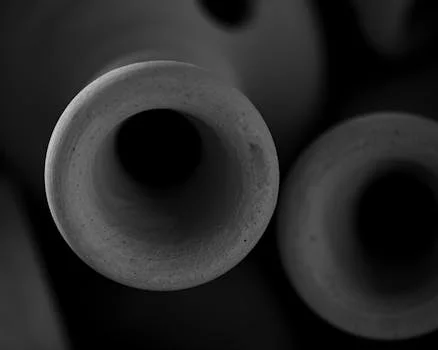
Selecting the optimal membrane technology for industrial wastewater treatment requires a direct comparison of silicon carbide (SiC), polyvinylidene fluoride (PVDF), and traditional ceramic membranes across key performance indicators, lifespan, and overall cost. SiC membranes consistently demonstrate superior contaminant removal efficiency, achieving up to 99.5% TSS removal and 95% COD reduction, outperforming PVDF (typically 90% TSS, 85% COD) and often exceeding ceramic membranes (98% TSS, 92% COD) in demanding applications (industry benchmarks for industrial wastewater, 2024).
Lifespan is a critical economic factor. SiC membranes offer an exceptional operational life of 5–10 years, significantly reducing replacement costs and minimizing downtime. This is a substantial advantage over PVDF membranes, which typically last 1–3 years, and even ceramic membranes, which generally have a lifespan of 3–7 years. The extended durability of SiC directly translates to lower long-term OPEX and improved system reliability.
Energy consumption is another important metric. SiC membranes operate efficiently, typically requiring 0.3–0.5 kWh/m³ of treated water. This is comparable to, and often better than, PVDF membranes (0.4–0.6 kWh/m³) and ceramic membranes (0.5–0.8 kWh/m³), especially when considering the higher operating pressures and flux rates that SiC can sustain (based on typical vendor specifications for 1000 L/hour flow rate per unit at 0.1-1 MPa operating pressure, Alibaba). The robust construction of SiC allows for stable operation at higher fluxes, potentially reducing the overall membrane area required and thus the energy intensity per cubic meter.
Chemical compatibility is paramount for industrial applications. SiC membranes are highly resistant to a broad range of chemicals, tolerating pH 1–14 and aggressive cleaning agents like concentrated chlorine, making them ideal for diverse industrial effluents. PVDF membranes are more sensitive, degrading above pH 12 and being susceptible to chlorine attack, which limits their use and necessitates milder cleaning protocols. Ceramic membranes generally offer good chemical resistance (pH 1–13) and are chlorine-resistant, but SiC often provides superior resilience in extreme conditions.
Matching the membrane technology to the specific use-case is crucial. SiC membranes are the preferred choice for high-fouling, corrosive, or high-temperature streams prevalent in semiconductor manufacturing, metalworking, and chemical processing. PVDF membranes, while less robust, offer a lower upfront cost and are suitable for lower-fouling streams, municipal wastewater, or applications with less aggressive chemical profiles. Ceramic membranes provide a good balance for moderate fouling and neutral pH streams, offering better durability than PVDF but generally not matching SiC's extreme chemical and thermal resistance.
| Parameter | SiC Membranes | PVDF Membranes | Ceramic Membranes |
|---|---|---|---|
| TSS Removal Efficiency | 99.5% | 90% | 98% |
| COD Reduction Efficiency | 95% | 85% | 92% |
| Typical Lifespan | 5–10 years | 1–3 years | 3–7 years |
| Energy Use (kWh/m³) | 0.3–0.5 | 0.4–0.6 | 0.5–0.8 |
| Chemical Compatibility (pH) | 1–14 (Highly resistant, chlorine-proof) | 2–12 (Chlorine-sensitive) | 1–13 (Chlorine-resistant) |
| Upfront Cost (per m²) | Higher ($200–$300) | Lower ($50–$100) | Moderate ($150–$250) |
| Best Use Case | High-fouling, corrosive, high-temp industrial streams | Low-cost, low-fouling, municipal wastewater | Moderate fouling, neutral pH industrial streams |
How to Select the Right SiC Membrane System for Your Wastewater Stream
Selecting the appropriate silicon carbide (SiC) membrane system requires a structured decision framework that considers the unique characteristics of your wastewater, required treatment efficiency, and operational goals. A systematic approach ensures optimal performance and cost-effectiveness for your industrial application.
Step 1: Characterize Your Wastewater
The foundational step is a thorough analysis of your wastewater stream. This involves measuring key parameters such as Total Suspended Solids (TSS), Chemical Oxygen Demand (COD), pH, temperature, and average/peak flow rates. Accurate characterization provides the baseline data needed to design an effective treatment system. For instance, high TSS values will inform pre-treatment strategies, while extreme pH levels confirm the necessity of SiC's robust chemical resistance.
| Parameter | Measurement Range | Significance for SiC Selection |
|---|---|---|
| Total Suspended Solids (TSS) | mg/L | Indicates pre-treatment needs (e.g., DAF for >500 mg/L) |
| Chemical Oxygen Demand (COD) | mg/L | Determines organic load and overall treatment efficiency requirements |
| pH | 0–14 | Confirms SiC's suitability (pH 1–14 compatibility) or need for adjustment |
| Temperature | °C | Verifies SiC's thermal stability for high-temp streams |
| Flow Rate (Average/Peak) | m³/h | Essential for sizing membrane area and system capacity |
Step 2: Determine Pre-treatment Needs
While SiC membranes are highly robust, effective pre-treatment is critical for maximizing their lifespan and efficiency, especially for challenging industrial effluents. For wastewater with TSS concentrations exceeding 500 mg/L, integrating a DAF pre-treatment system for high-TSS wastewater is essential to remove larger particulate matter and prevent premature membrane clogging. For streams outside SiC’s 1–14 pH range (though rare, for extreme cases), a simple pH adjustment system would be necessary. This proactive approach minimizes fouling and reduces the frequency of membrane cleaning.
Step 3: Size the System
System sizing is determined by the required flow rate and contaminant load. SiC membrane systems are scalable and can effectively handle flow rates from 50–500 m³/h. To calculate the required membrane area, use a typical flux rate, often around 1,000 L/hour per tubular SiC membrane unit (Alibaba vendor specifications). This calculation helps determine the number of membrane modules and housing units needed to meet your treatment capacity.
Step 4: Choose Membrane Configuration
SiC membranes are available in various configurations, each suited to different wastewater characteristics:
- Tubular Membranes: Best for high-solids content and viscous streams, offering excellent cleanability.
- Flat Sheet Membranes: Suitable for lower solids concentrations and can be more compact.
- Multi-channel Membranes: Provide a balanced approach, combining good solids handling with higher packing density.
The choice depends on the specific fouling potential and solid content of your wastewater.
Step 5: Evaluate Automation Level
The degree of automation significantly impacts operational efficiency and labor costs. Manual systems are less expensive upfront but require more operator intervention for tasks like chemical dosing and backwash cycles. PLC-controlled systems offer automated chemical dosing for SiC membrane cleaning, backwash sequences, and remote monitoring capabilities, ensuring consistent performance and reducing labor requirements. These systems also often integrate advanced features for optimizing operating pressure (e.g., 0.1-1 MPa) and flow, as seen in advanced PLC-controlled chemical dosing for SiC membrane cleaning solutions.
Case Study: 150 m³/h SiC System Achieves 99.5% TSS Removal in Semiconductor Wastewater
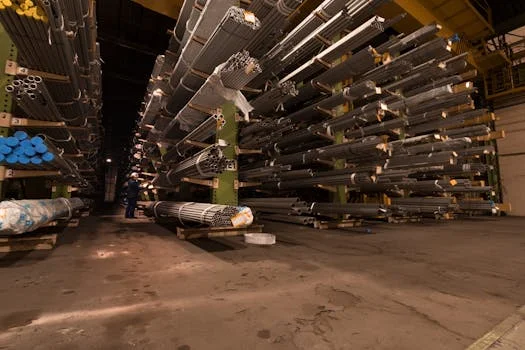
A leading semiconductor fabrication plant in Taiwan successfully deployed a silicon carbide (SiC) membrane system, dramatically improving wastewater treatment efficiency and reducing operational costs. The facility initially faced significant challenges with its existing PVDF membrane system, which was plagued by frequent fouling from chemical mechanical planarization (CMP) wastewater, necessitating membrane replacement every three months. This led to persistent compliance violations, as effluent TSS levels often exceeded the local discharge limit of 30 mg/L.
HydropureWater designed and installed a custom 150 m³/h SiC membrane system to address these issues. The solution incorporated a DAF pre-treatment system for high-TSS wastewater to handle the high solids load (often >1,000 mg/L TSS) prior to membrane filtration. The core of the system featured robust SiC tubular membranes, coupled with a PLC-controlled backwash and chemical cleaning system to ensure consistent performance and minimize manual intervention. A simplified process flow involved primary screening, DAF flotation, SiC membrane filtration, and final effluent discharge.
The results were transformative: the SiC system consistently achieved 99.5% TSS removal, with effluent concentrations reliably below 10 mg/L, well within regulatory limits. COD reduction also improved significantly, reaching 95%. Crucially, the SiC membranes demonstrated an impressive 5-year lifespan, a substantial improvement over the previous PVDF membranes' 1-year average. The total CAPEX for the system was $180,000. Annual OPEX, including energy, chemicals, and significantly reduced membrane replacement, fell to $12,000, a stark contrast to the estimated $40,000/year spent on the PVDF system. This led to an impressive ROI achieved in just 2.5 years.
Key lessons learned from this semiconductor wastewater treatment case study highlighted the critical role of effective pre-treatment for high-TSS streams. The SiC membranes' exceptional chemical resistance also proved invaluable, allowing for more aggressive yet less frequent cleaning, which reduced chemical consumption and overall cleaning frequency by an estimated 80%.
Frequently Asked Questions
Understanding the common inquiries about silicon carbide (SiC) wastewater treatment is crucial for engineers and plant managers evaluating this advanced technology.
What is the price per square meter of SiC membranes?
The price per square meter of SiC membranes typically ranges from $200–$300, which is higher than PVDF membranes ($50–$100/m²). However, SiC's significantly longer lifespan (5–10x that of PVDF) and superior durability often offset the higher upfront cost through reduced replacement frequency and lower operational expenditures over the system's lifetime (Alibaba vendor specifications).
How does SiC compare to ceramic membranes for wastewater treatment?
SiC generally offers higher thermal stability and broader chemical resistance (pH 1–14) compared to traditional ceramic membranes (pH 1–13). While both are robust, SiC often provides a longer lifespan and superior performance in extremely aggressive or high-temperature industrial wastewater streams. Ceramic membranes are typically cheaper upfront, ranging from $150–$250/m² compared to $200–$300/m² for SiC.
What are the operating costs of a SiC wastewater treatment system?
The operating costs (OPEX) for a SiC wastewater treatment system are primarily driven by energy consumption, chemical cleaning, and membrane replacement. Energy use typically ranges from 0.3–0.5 kWh/m³ of treated water. Chemical cleaning and maintenance costs can be estimated at $1–2/m³ annually, significantly lower than other membrane types due to SiC's inherent fouling resistance and extended lifespan (refer to the OPEX breakdown in the "Silicon Carbide Wastewater Treatment System Costs" section).
Can SiC membranes handle high-TSS wastewater?
Yes, SiC membranes are highly effective in treating high-TSS wastewater due to their robust construction and resistance to abrasion. However, for wastewater streams with Total Suspended Solids (TSS) concentrations exceeding 500 mg/L, pre-treatment is strongly recommended. A DAF pre-treatment system for high-TSS wastewater is commonly used to remove larger particles and prevent premature clogging, thereby optimizing membrane performance and extending its lifespan.
What industries benefit most from SiC wastewater treatment?
Industries that generate challenging wastewater streams benefit most from SiC technology. This includes semiconductor manufacturing (e.g., CMP wastewater with high solids and harsh chemicals), metalworking facilities (oily emulsions, heavy metals, varying pH), chemical processing plants (corrosive streams, high temperatures), and certain food and beverage operations (high organic loads, aggressive cleaning cycles).
Related Equipment
The following HydropureWater products are engineered for the wastewater challenges discussed above:
- MBR system with PVDF membranes for comparison — view specifications, capacity range, and technical data
Need a customized solution? Request a free quote with your specific flow rate and pollutant parameters.