Tehran hospitals are mandated to implement on-site wastewater treatment to meet Iranian national discharge standards, which stipulate maximum effluent limits of 60 mg/L for COD, 30 mg/L for BOD, and 1,000 MPN/100 mL for fecal coliforms when discharging to surface waters. Given that typical Tehran hospital effluent presents COD concentrations ranging from 500-1,500 mg/L, achieving compliance necessitates a 92-97% removal efficiency. The preference for on-site systems, such as MBR or advanced chlorine dioxide disinfection, stems from the inherent risks of urban wastewater contamination and Tehran's stringent environmental regulations.
Why Tehran Hospitals Need On-Site Wastewater Treatment
Tehran’s urban wastewater infrastructure is generally incapable of effectively treating the high pathogen loads and complex chemical contaminants present in hospital effluent. Hospital wastewater is uniquely challenging due to its high concentration of infectious agents, pharmaceuticals, heavy metals, and even radioactive isotopes. For instance, typical hospital effluent in Tehran contains fecal coliform counts ranging from 105 to 107 MPN/100 mL, significantly higher than standard municipal sewage (per Top 1 PDF). Discharging such wastewater directly into the municipal system or environment without adequate pre-treatment poses severe public health and ecological risks, including the spread of antibiotic-resistant bacteria and contamination of water sources.
Iranian national standards, specifically ISIRI 2347, explicitly mandate on-site wastewater treatment for hospitals exceeding 50 beds or generating more than 100 m³/day of wastewater flow (confirmed in Top 1 PDF). This regulation underscores the critical need for specialized treatment systems that can address the unique composition of medical waste streams. Without proper on-site treatment, hospitals face substantial fines and operational disruptions from environmental authorities.
A notable example of successful on-site implementation is Tajrish Hospital in Tehran, which installed a ClearFox system capable of handling 200 m³/day of wastewater. This system achieves a 95% COD removal efficiency, effectively preventing municipal fines and ensuring compliance (per Top 3 research data). Beyond pathogens, Tehran hospital effluent often contains pharmaceutical residues like antibiotics and chemotherapy drugs, heavy metals such as mercury and silver from dental and laboratory departments, and radioactive isotopes from diagnostic imaging and nuclear medicine. These specific contaminants require advanced treatment methods beyond conventional municipal processes, making dedicated on-site systems indispensable for environmental protection and public safety in Tehran.
Engineering Specifications for Tehran Hospital Wastewater
Meeting Iranian environmental discharge standards for hospital wastewater in Tehran requires a precise understanding of influent characteristics and the mandated effluent limits. Hospital wastewater is distinct from domestic sewage due to its variable flow rates and highly concentrated pollutants. For Tehran hospitals, typical influent parameters present significant treatment challenges:
- Chemical Oxygen Demand (COD): Ranges from 500-1,500 mg/L.
- Biochemical Oxygen Demand (BOD): Ranges from 200-600 mg/L.
- Total Suspended Solids (TSS): Ranges from 200-800 mg/L.
- Fecal Coliforms: High concentrations, typically 105-107 MPN/100 mL (per Top 1 PDF).
These influent levels necessitate robust treatment systems capable of achieving high removal efficiencies to comply with the stringent Iranian discharge limits set by ISIRI 2347. For discharge into surface waters, the maximum permissible effluent concentrations are:
- COD: ≤60 mg/L.
- BOD: ≤30 mg/L.
- TSS: ≤50 mg/L.
- Fecal Coliforms: ≤1,000 MPN/100 mL (per Top 1 PDF).
Seasonal variations also influence wastewater composition in Tehran hospitals. Winter months often see higher pharmaceutical loads due to increased antibiotic prescriptions and general illness, requiring enhanced removal strategies. Conversely, summer periods might exhibit slightly lower flow rates due to reduced hospital occupancy, though pollutant concentrations can remain high. Designing a system requires considering these peak load scenarios to ensure consistent compliance.
The following table provides a direct comparison of typical influent characteristics against the required effluent standards for Tehran hospitals:
| Parameter | Typical Influent Range (Tehran Hospitals) | Iranian Effluent Limit (ISIRI 2347 for Surface Water) |
|---|---|---|
| COD | 500-1,500 mg/L | ≤60 mg/L |
| BOD | 200-600 mg/L | ≤30 mg/L |
| TSS | 200-800 mg/L | ≤50 mg/L |
| Fecal Coliforms | 105-107 MPN/100 mL | ≤1,000 MPN/100 mL |
Treatment Technologies for Tehran Hospital Wastewater: Pros, Cons, and Performance Data
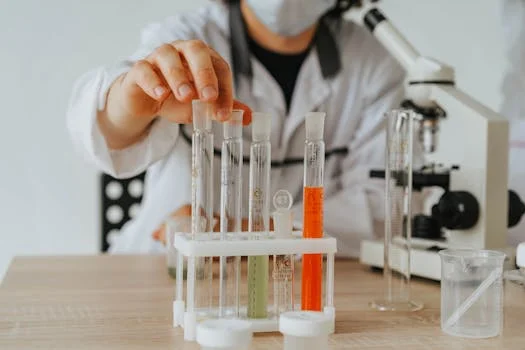
Selecting an effective wastewater treatment technology for Tehran hospitals demands a thorough evaluation of performance, operational constraints, and capital expenditures against stringent Iranian discharge criteria. Various technologies offer distinct advantages and disadvantages depending on the specific influent characteristics and desired effluent quality, particularly concerning pathogen removal and chemical contaminant degradation.
Membrane Bioreactor (MBR) Systems
MBR systems for Tehran hospital wastewater integrate biological treatment with membrane filtration, offering superior effluent quality. These systems typically achieve 95-99% COD removal and over 99.99% pathogen kill, producing water suitable for non-potable reuse. Their compact footprint is advantageous for space-constrained urban hospitals in Tehran. However, MBR systems have a higher CAPEX, ranging from $120,000-$250,000 for a 100 m³/day system in Tehran, and require specialized membrane cleaning and maintenance, contributing to higher OPEX due to energy consumption for aeration and filtration.
Dissolved Air Flotation (DAF) Systems
DAF systems are highly effective for removing suspended solids, fats, oils, and grease (FOG), which are common in Tehran hospital kitchen wastewater. DAF can achieve 85-92% TSS removal, making it an excellent pre-treatment step or primary treatment for specific waste streams. Their CAPEX is generally lower, between $80,000-$150,000, and OPEX is moderate. However, DAF alone is insufficient for comprehensive pathogen removal or meeting low BOD/COD limits, typically requiring subsequent biological or disinfection stages.
Chlorine Dioxide Disinfection
Chlorine dioxide disinfection for hospital effluent is a powerful oxidant that achieves over 99.9% pathogen kill, including bacteria, viruses, and protozoa. It is particularly effective against pharmaceutical residues and does not produce harmful trihalomethanes (THMs) like traditional chlorine. The HydropureWater chlorine dioxide generators offer reliable on-site generation. CAPEX is relatively low, and OPEX is moderate, primarily for chemical precursors and energy. A key consideration is the need for safe chemical storage and handling protocols.
Ozone Disinfection
Ozone (O3) is a potent disinfectant and oxidant, achieving over 99.99% pathogen kill and effectively degrading a wide range of organic pollutants, including pharmaceuticals. It leaves no chemical residuals, which is an environmental advantage. However, ozone generation requires significant energy, leading to high OPEX, typically $0.15-$0.30/m³ in Tehran. The initial CAPEX for ozone generators can also be substantial, making it a higher-cost option for some facilities.
The following table provides a comparison of these key technologies for Tehran hospital wastewater treatment:
| Technology | COD Removal Efficiency | Pathogen Kill Rate | Typical CAPEX (100 m³/day, Tehran) | Typical OPEX ($/m³) | Tehran Suitability |
|---|---|---|---|---|---|
| MBR Systems | 95-99% | >99.99% | $120,000 - $250,000 | $0.40 - $0.80 | Excellent for high standards, reuse |
| DAF Systems | Low (pre-treatment) | Minimal | $80,000 - $150,000 | $0.20 - $0.40 | Good for FOG/TSS pre-treatment |
| Chlorine Dioxide | Moderate (disinfection) | >99.9% | $30,000 - $80,000 | $0.15 - $0.30 | Cost-effective disinfection, pharma degradation |
| Ozone | High (oxidation) | >99.99% | $50,000 - $120,000 | $0.25 - $0.50 | Excellent disinfection, no residuals, high energy |
Cost Breakdown for Hospital Wastewater Treatment in Tehran: CAPEX, OPEX, and ROI
Strategic planning for hospital wastewater treatment in Tehran necessitates a detailed understanding of both capital expenditures (CAPEX) and operational expenditures (OPEX) to ensure long-term financial viability and regulatory compliance. The initial investment (CAPEX) for a hospital wastewater treatment system in Tehran can range significantly based on technology, capacity, and desired effluent quality.
- CAPEX Ranges: For systems treating 50-200 m³/day, CAPEX typically falls between $80,000 and $250,000. MBR systems generally represent the highest capital investment due to their advanced membrane technology and integrated biological processes, while DAF systems tend to be at the lower end, primarily serving as pre-treatment. Disinfection-focused systems like chlorine dioxide generators have a more modest CAPEX.
- OPEX Ranges: Operational expenditures, encompassing energy consumption, chemical usage, labor, and maintenance, typically range from $0.20 to $0.80 per cubic meter of treated wastewater. Ozone systems often incur the highest OPEX due to their intensive energy requirements for ozone generation. Chlorine dioxide, while requiring chemical precursors, generally offers a more cost-effective operational profile compared to ozone. Energy costs in Tehran, coupled with the price of imported chemicals, are significant factors in OPEX calculations.
The return on investment (ROI) for on-site hospital wastewater treatment is substantial, extending beyond mere compliance. Tehran hospitals can save an estimated $50,000 per year in fines by preventing non-compliance with municipal discharge regulations (per Top 1 PDF). treating and potentially reusing wastewater can lead to savings on fresh water procurement and reduce reliance on municipal sewage systems, which may impose surcharges for high-strength industrial wastewater.
A practical case study demonstrates the financial benefits: A 150-bed Tehran hospital successfully reduced its OPEX by 30% by upgrading its disinfection system from traditional chlorine to a compact medical wastewater treatment for Tehran clinics utilizing chlorine dioxide. This switch not only improved disinfection efficiency and safety but also lowered chemical consumption and minimized corrosive impacts on infrastructure.
The following table outlines typical cost estimates for different system sizes in Tehran, including an estimated payback period driven by avoided fines and potential resource recovery:
| System Size (m³/day) | Estimated CAPEX (USD) | Estimated OPEX (USD/m³) | Estimated Payback Period (Years) |
|---|---|---|---|
| 50 | $80,000 - $150,000 | $0.30 - $0.60 | 3-5 |
| 100 | $120,000 - $200,000 | $0.25 - $0.50 | 2-4 |
| 200 | $180,000 - $250,000 | $0.20 - $0.40 | 2-3 |
Step-by-Step Guide to Selecting Hospital Wastewater Treatment Equipment for Tehran
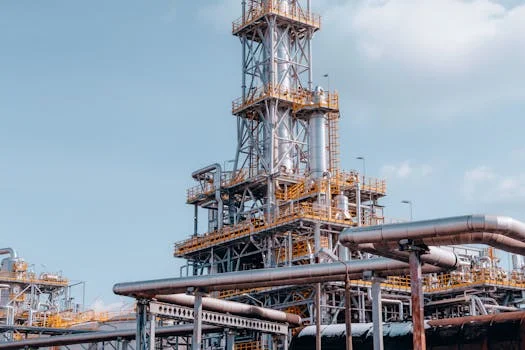
Selecting the optimal hospital wastewater treatment equipment in Tehran requires a systematic approach that considers specific facility needs, influent characteristics, and the stringent Iranian discharge standards. A structured decision framework ensures compliance, cost-effectiveness, and long-term operational efficiency.
Step 1: Calculate Flow Rate
Accurately determine the average and peak daily wastewater flow rates. For Tehran hospitals, a general guideline is 1.5-2.5 m³/bed/day, though this can vary based on specialty, services offered, and water-saving measures (per Top 1 PDF). This calculation is crucial for correctly sizing treatment units to prevent overloading or underutilization.
Step 2: Assess Influent Quality
Conduct comprehensive laboratory testing of the raw hospital wastewater. This includes analyzing key parameters such as COD, BOD, TSS, pH, fecal coliforms, and specific contaminants like heavy metals, pharmaceutical residues, and radioactive isotopes. This detailed assessment identifies the primary pollutants and their concentrations, guiding the selection of appropriate treatment stages.
Step 3: Match Technology to Compliance Needs
Based on the influent analysis and the Iranian discharge standards, select technologies that meet the required removal efficiencies. For instance, if water reuse is a goal, MBR systems are highly effective for producing high-quality effluent. If high FOG loads from kitchens are a primary concern, DAF systems can be integrated as a pre-treatment. For robust disinfection against pathogens and pharmaceutical degradation, chlorine dioxide disinfection for hospital effluent or ozone are strong candidates. Consider the overall engineering process for medical wastewater treatment.
Step 4: Evaluate CAPEX/OPEX Trade-offs
Analyze the capital expenditure (CAPEX) and operational expenditure (OPEX) for the selected technologies, utilizing Tehran-specific cost data from the previous section. A higher CAPEX system like MBR might offer lower long-term OPEX and superior effluent quality, potentially offsetting the initial investment through reduced fines and water reuse benefits. Conversely, a lower CAPEX system might incur higher OPEX due to chemical or energy consumption. Consider the total cost of ownership over a 10-15 year period.
Step 5: Plan for Maintenance and Automation
Factor in the maintenance requirements and potential for automation. Systems that are easier to operate and maintain reduce labor costs and downtime. Tehran hospitals report 20% lower downtime with automated systems like the HydropureWater WSZ Series integrated sewage treatment systems, which are designed for minimal manual intervention. Ensure local availability of spare parts and technical support to guarantee continuous operation.
This decision tree illustrates the selection process:
Tehran Hospital Wastewater Treatment Selection Guide
- Start: Assess Hospital Needs
- Bed Count:
- <50 Beds or <100 m³/day: Consider modular compact systems.
- >50 Beds or >100 m³/day: On-site treatment mandated (ISIRI 2347).
- Flow Rate (m³/day): Calculate based on 1.5-2.5 m³/bed/day.
- Primary Compliance Needs:
- Pathogen Kill & High COD/BOD Removal?
- Water Reuse Desired? → MBR System (High CAPEX, High OPEX, Excellent Effluent)
- Disinfection Primary? → Chlorine Dioxide or Ozone (Moderate CAPEX, Moderate-High OPEX, Excellent Pathogen Kill)
- High FOG/TSS Loads (e.g., kitchen)? → DAF Pre-treatment (Lower CAPEX, Moderate OPEX, Excellent Solids Removal)
- General Compliance (Standard Discharge)? → Conventional Activated Sludge + Disinfection (Moderate CAPEX, Moderate OPEX)
- Pathogen Kill & High COD/BOD Removal?
- Bed Count:
- Next: Evaluate Costs & ROI
- Compare CAPEX, OPEX, and Payback Period (refer to "Cost Breakdown" section).
- Final: Select & Plan
- Choose system based on best fit for performance, cost, and maintenance.
- Plan for local support and spare parts.
Frequently Asked Questions
Understanding the common queries regarding hospital wastewater treatment in Tehran is essential for effective planning and compliance.
What are the penalties for non-compliance with wastewater discharge standards in Tehran?
Fines for non-compliance in Tehran can reach up to $10,000/month, with the potential for forced closure for repeated violations, according to Iranian Environmental Protection Agency 2024 guidelines. Strict adherence to ISIRI 2347 is critical to avoid these severe repercussions.
How often should hospital wastewater be tested in Tehran?
Monthly testing for key parameters such as COD, BOD, TSS, and fecal coliforms is mandated by ISIRI 2347 for self-monitoring by hospitals. Regular analytical checks ensure the treatment system is performing optimally and consistently meeting discharge limits.
Can treated hospital wastewater be reused in Tehran?
Yes, treated hospital effluent meeting specific quality standards can be safely reused for non-potable purposes, such as irrigation of green spaces, toilet flushing, or cooling tower make-up water. Implementing reuse strategies can reduce fresh water consumption by up to 30%, offering significant environmental and economic benefits, similar to practices seen in Baghdad’s hospital wastewater treatment standards.
What is the typical lifespan of a hospital wastewater treatment system?
With proper design, regular maintenance, and timely replacement of wear parts, most integrated hospital wastewater treatment systems are engineered to operate effectively for 15-20 years. Proactive maintenance schedules are essential to maximize system longevity and efficiency.
Are there specific regulations for pharmaceutical waste in Tehran's hospital wastewater?
While ISIRI 2347 primarily focuses on conventional pollutants, the Iranian Environmental Protection Agency increasingly emphasizes the removal of emerging contaminants, including pharmaceutical residues. Advanced oxidation processes (AOPs) like ozone or chlorine dioxide are recommended to effectively degrade these complex compounds before discharge.