Why Baghdad Hospitals Need Specialized Wastewater Treatment
Baghdad hospitals discharge wastewater with TDS levels up to 930 ppm—30% above Tigris River baseline—contaminating the city’s primary water source with heavy metals (Cd²⁺, Pb²⁺) and pathogens. Untreated effluent from major facilities like Baghdad Medical City contributes to a measurable 8% increase in Electrical Conductivity (EC) and a 12% increase in Total Dissolved Solids (TDS) at downstream sampling points. This ecological pressure is compounded by the fact that the Tigris serves as the primary source for municipal water treatment plants downstream of the capital, creating a dangerous cycle of contamination and public health risk.
The concentration of heavy metals in Iraqi hospital effluent is a critical engineering concern. Research indicates that Cadmium (Cd²⁺) and Lead (Pb²⁺) levels frequently exceed WHO drinking water guidelines by 300% to 500%. These metals are persistent bioaccumulative toxins that traditional municipal sewage systems in Baghdad are not equipped to remove. The pathogen load in these waste streams is exceptionally high, with E. coli and various antibiotic-resistant bacteria measuring between 10⁴ and 10⁶ CFU/mL. Without specialized treatment, these biological agents enter the river system, where they can survive and propagate under local climatic conditions.
Regulatory pressure is intensifying as the Iraqi Ministry of Environment moves toward stricter enforcement of the 2024 draft standards for hospital effluent. These standards are expected to lower the permissible limits for Chemical Oxygen Demand (COD) and Biological Oxygen Demand (BOD₅) while introducing stringent requirements for disinfection byproducts. For facility managers, this shift means that legacy "dilution and discharge" practices are no longer viable. Investing in advanced treatment is not only an environmental necessity but a legal requirement to avoid significant fines and potential facility shutdowns.
Engineering Specs: Contaminant Profile of Baghdad Hospital Wastewater
Baghdad hospital effluent exhibits a characteristically high chemical oxygen demand (COD) ranging from 300 to 1,200 mg/L, requiring robust biological or chemical oxidation to meet discharge standards. Engineering a system for this environment requires a precise understanding of the raw influent data, which varies significantly from standard municipal sewage due to the presence of pharmaceuticals, laboratory reagents, and high-strength disinfectants. The following table summarizes the typical contaminant profile based on recent longitudinal studies of Baghdad’s healthcare facilities.
| Parameter | Concentration Range (Baghdad) | Baseline Tigris River (Upstream) | Impact Factor |
|---|---|---|---|
| pH | 6.5 – 8.2 | 7.8 – 8.1 | Moderate Variability |
| EC (µs/cm) | 475 – 1,374 | 591 – 1,453 | 8% Increase Downstream |
| TDS (ppm) | 378 – 930 | 304 – 879 | 12% Increase Downstream |
| COD (mg/L) | 300 – 1,200 | < 20 | High Organic Load |
| BOD₅ (mg/L) | 150 – 600 | < 5 | Significant Oxygen Depletion |
| TSS (mg/L) | 200 – 800 | Variable | High Sludge Potential |
| Cd²⁺ (mg/L) | 0.015 – 0.045 | < 0.003 | 5x WHO Limit |
| Pb²⁺ (mg/L) | 0.05 – 0.15 | < 0.01 | 3x WHO Limit |
Seasonal variations in Baghdad significantly impact treatment efficiency, with TDS levels peaking in August—a 58.25% increase compared to January values—due to lower Tigris River flow and higher evaporation rates. This peak requires specialized medical wastewater treatment systems capable of handling high salinity without compromising biological activity. The high organic load results in a chlorine demand of 10-25 mg/L, significantly higher than municipal averages. Engineers must also account for sludge production rates of 0.3-0.5 kg TSS per kg of BOD removed, necessitating efficient dewatering systems capable of operating in Baghdad’s high-temperature summer climate.
Treatment Technology Comparison: MBR vs. DAF vs. Chlorine Dioxide for Baghdad Hospitals
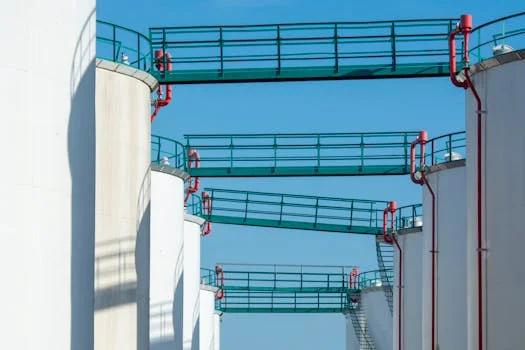
Membrane Bioreactors (MBR) provide a superior footprint-to-efficiency ratio for Baghdad’s urban hospitals compared to traditional activated sludge plants, achieving 99.9% pathogen removal. Given the high land costs and limited space in areas surrounding Medical City, the compact nature of MBR is a decisive advantage. However, for hospitals with high concentrations of fats, oils, and grease (FOG) from large-scale kitchens or laundry facilities, Dissolved Air Flotation (DAF) serves as an essential primary treatment step. The selection between these technologies depends on specific effluent goals and operational constraints.
| Feature | MBR (HydropureWater DF Series) | DAF | ClO₂ |
|---|---|---|---|
| Primary Goal | COD/BOD & Pathogen Removal | TSS, FOG & Heavy Metals | Disinfection & Odor Control |
| Removal Efficiency | 98% COD, 99.9% Pathogens | 92-97% TSS, 90% FOG | 99.9% Bacteria/Viruses |
| Footprint | Ultra-Compact | Moderate | Small (Modular) |
| Energy Use | High (Aeration & Scouring) | Moderate | Low |
| Reuse Quality | Excellent (Irrigation/Cooling) | Pre-treatment only | Disinfected only |
For hospitals requiring high-level disinfection without the formation of toxic Trihalomethanes (THMs), chlorine dioxide generators for hospital effluent disinfection offer a more stable alternative to liquid chlorine. ClO₂ remains effective across a wider pH range, which is critical given the fluctuations in Baghdad’s water chemistry. For facilities targeting total water independence, MBR systems for hospital wastewater in Baghdad are the preferred choice, as they produce effluent that meets international standards for non-potable reuse. Alternatively, DAF systems for high-TSS hospital wastewater are highly effective as a pretreatment stage to protect downstream membranes or to meet basic sewer discharge requirements at a lower capital cost.
Compliance Checklist: Iraqi Ministry of Environment Standards for Hospital Effluent
The Iraqi Ministry of Environment's 2024 draft standards mandate a maximum Biological Oxygen Demand (BOD₅) of 30 mg/L for all healthcare facilities discharging into public water bodies. Compliance requires a multi-stage approach focusing on organic load reduction, heavy metal precipitation, and rigorous disinfection. Because the Tigris River is a sensitive receptor, the Ministry has signaled that non-compliance will result in escalating penalties. Facility managers should use the following checklist to audit their current or proposed systems.
| Parameter | 2024 Draft Standard Limit | Monitoring Frequency |
|---|---|---|
| COD (Chemical Oxygen Demand) | ≤ 120 mg/L | Weekly |
| BOD₅ (Biological Oxygen Demand) | ≤ 30 mg/L | Weekly |
| TSS (Total Suspended Solids) | ≤ 30 mg/L | Weekly |
| Residual Chlorine | 0.5 – 1.0 mg/L | Daily |
| Fecal Coliform | ≤ 100 CFU/100mL | Monthly |
| Lead (Pb) | ≤ 0.01 mg/L | Quarterly |
| Cadmium (Cd) | ≤ 0.003 mg/L | Quarterly |
To achieve these limits, systems must demonstrate a Log 4 reduction for viruses and a Log 6 reduction for bacteria. This is typically achieved through how MBR membranes achieve 99.9% pathogen removal via physical exclusion. The permitting process in Iraq requires a detailed engineering design (FEED), an Environmental Impact Assessment (EIA), and a monthly reporting schedule to the Ministry. Documentation must include proof of sludge disposal through authorized hazardous waste contractors, as hospital sludge often contains concentrated heavy metals and pharmaceutical residues.
Cost-Benefit Analysis: Hospital Wastewater Treatment in Baghdad
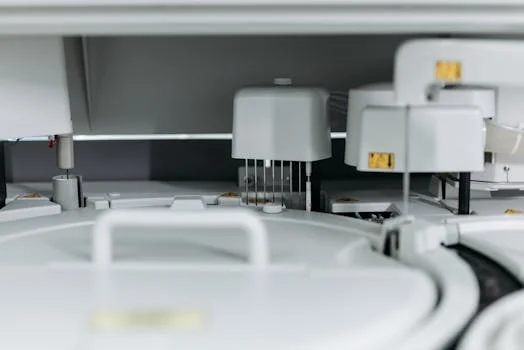
The capital expenditure for a 100 m³/day MBR system in Baghdad typically ranges from $120,000 to $500,000, but this investment is offset by the avoidance of environmental fines and water procurement savings. In the current regulatory climate, the Iraqi Ministry of Environment can levy penalties up to $50,000 per year for persistent non-compliance. When compared to the operational costs of an MBR system ($0.20–$0.40/m³), the return on investment (ROI) becomes clear, particularly for facilities that can reuse treated effluent for landscaping or cooling towers.
Operational costs in Baghdad are influenced by power instability and chemical supply chains. While DAF systems have lower capital costs ($80,000–$300,000), their reliance on coagulants and polymers can lead to higher long-term OpEx if chemical prices fluctuate. Chlorine dioxide generators ($20,000–$100,000) offer the lowest OpEx ($0.05–$0.15/m³) for disinfection but do not address the BOD/COD requirements on their own. For a typical 50-bed Baghdad hospital generating 20 m³/day, a compact MBR system often achieves a payback period of 3.5 to 5 years through the elimination of sewer fees and fines.
Funding for these projects is increasingly available through Iraqi government healthcare infrastructure grants and international development programs. The Ministry of Health’s Environmental Health Department provides technical guidance and, in some cases, subsidized financing for hospitals upgrading to "Green Building" standards. Private sector partnerships are also emerging as a viable route, allowing hospitals to outsource wastewater management to specialized firms while focusing on patient care.
Supplier Decision Framework: Choosing a Wastewater Treatment Partner in Iraq
Selecting a wastewater treatment partner in Iraq requires verifying their ability to provide on-site technical support within 24 hours to mitigate environmental liability. Given