Hospitals in Al Ain must treat wastewater to meet stringent UAE DoH and EPA standards, including a maximum of 30 mg/L for Total Suspended Solids (TSS), 20 mg/L for Biochemical Oxygen Demand (BOD), and 200 CFU/100mL for fecal coliform. While the Allahamah Plant, with a capacity of 130,000 m³/day, manages municipal wastewater for Al Ain, hospitals necessitate dedicated on-site systems to effectively address unique contaminants such as pharmaceuticals, persistent pathogens like SARS-CoV-2, and significantly higher organic loads. Technologies such as Membrane Bioreactors (MBR) can achieve over 99% pathogen removal, while chlorine dioxide disinfection systems typically provide a 99.9% kill rate. Local regulations now mandate continuous monitoring for COVID-19 RNA in effluent, with non-compliance potentially incurring fines up to AED 50,000 under UAE Federal Law No. 24 of 1999.
Why Al Ain Hospitals Need Dedicated Wastewater Treatment Systems
Hospitals generate wastewater with contaminant profiles far exceeding typical municipal sewage, necessitating specialized on-site treatment systems in Al Ain. UAE DoH and EPA standards for hospital effluent are strict, requiring TSS below 30 mg/L, BOD below 20 mg/L, and fecal coliform counts under 200 CFU/100mL (DoH 2024 guidelines). These stringent limits are critical because hospital wastewater contains a unique cocktail of pollutants that pose direct public health and environmental risks if improperly discharged. For instance, the organic load in hospital wastewater, measured as Chemical Oxygen Demand (COD), typically ranges from 500–1,500 mg/L, significantly higher than the 200–500 mg/L found in municipal wastewater.
Key unique contaminants include a wide array of pharmaceuticals, such as antibiotics (e.g., ciprofloxacin, metronidazole) and chemotherapy drugs (e.g., 5-fluorouracil), which are often resistant to conventional municipal treatment processes and can contribute to antibiotic resistance in the environment. Pathogens are another major concern; a DoH study (Top 2 research) confirmed SARS-CoV-2 RNA detection in Al Ain wastewater downstream of COVID-19 treatment facilities, highlighting the need for robust disinfection. Beyond these, hospital effluent often contains heavy metals, disinfectants, and radioactive isotopes from diagnostic procedures, all requiring specific treatment protocols.
Beyond compliance, effective wastewater treatment also offers substantial operational benefits. Ain Al Khaleej Hospital in Al Ain, for example, has demonstrated over 60% water savings by implementing water recycling measures (Top 4 research), illustrating the potential for significant cost reductions for other facilities through reduced potable water consumption and discharge fees. However, the regulatory landscape carries considerable risks for non-compliance. UAE Federal Law No. 24 of 1999, Article 65, stipulates fines up to AED 50,000 for environmental violations, including non-compliant wastewater discharge. the mandatory monitoring for COVID-19 RNA in hospital effluent, as indicated by DoH studies, adds another layer of regulatory scrutiny, making robust and compliant compact medical wastewater treatment systems for Al Ain hospitals an essential investment.
Al Ain’s Regulatory Landscape: UAE DoH, EPA, and Local Compliance Checklist
Adhering to Al Ain's wastewater discharge regulations requires a comprehensive understanding of federal, emirate-level, and local mandates. UAE Federal Law No. 24 of 1999 establishes the overarching framework for environmental protection, setting general wastewater discharge standards including limits for TSS, BOD, and coliform bacteria that all facilities, including hospitals, must meet. Building upon this, DoH Circular No. 5/2020 introduced mandatory SARS-CoV-2 RNA monitoring in hospital effluent, a critical measure in public health surveillance, with precedents set by studies conducted in Al Ain (Top 2 research). At the local level, Al Ain Municipality Local Order No. 1/2023 specifies additional requirements tailored to the region, such as maintaining effluent pH between 6 and 9, and limiting oil and grease content to less than 10 mg/L. The EPA UAE 2024 Guidelines further regulate disinfection byproducts, stipulating that Total Trihalomethanes (THMs) in treated effluent from chlorine-based systems must not exceed 80 µg/L to prevent secondary environmental contamination.
To navigate these multifaceted requirements, hospital facility managers in Al Ain can follow an 8-step compliance process:
| Step | Action Item | Regulatory Basis |
|---|---|---|
| 1 | Understand specific effluent limits for TSS, BOD, COD, pH, oil/grease, fecal coliform, and pharmaceuticals. | UAE Federal Law No. 24/1999, Al Ain Municipality Local Order No. 1/2023 |
| 2 | Implement on-site wastewater treatment technology capable of meeting all discharge parameters. | DoH 2024 Guidelines, EPA UAE 2024 Guidelines |
| 3 | Establish a routine effluent sampling schedule (e.g., weekly for critical parameters, monthly for others). | DoH Circular No. 5/2020 |
| 4 | Engage DoH-approved laboratories for all wastewater analysis, including SARS-CoV-2 RNA testing. | DoH Circular No. 5/2020 (Top 2 research protocols) |
| 5 | Ensure weekly testing for SARS-CoV-2 RNA in effluent if treating COVID-19 patients, or monthly otherwise. | DoH Circular No. 5/2020 (Top 2 research protocols) |
| 6 | Maintain detailed records of all wastewater analysis reports and operational logs for at least five years. | UAE Federal Law No. 24/1999 |
| 7 | Submit mandatory compliance reports to the Al Ain Municipality and DoH as per specified frequencies (e.g., monthly or quarterly). | Al Ain Municipality Local Order No. 1/2023 |
| 8 | Develop and implement a Corrective Action Plan (CAP) immediately if non-compliance is detected, reporting progress to the DoH. | UAE Federal Law No. 24/1999 |
Hospital Wastewater Characteristics in Al Ain: Influent Data and Treatment Challenges
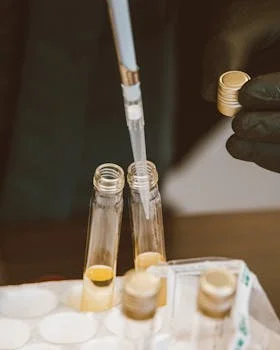
Understanding the specific characteristics of hospital wastewater influent is fundamental for designing an effective treatment system in Al Ain. Hospital wastewater significantly differs from municipal wastewater due to its diverse and often highly concentrated pollutant load. Typical influent characteristics for Al Ain hospitals, based on regional benchmarks and studies (Top 2 research), demonstrate these distinctions:
| Parameter | Typical Hospital Influent Range (Al Ain) | Comparison to Municipal Wastewater |
|---|---|---|
| Chemical Oxygen Demand (COD) | 500–1,500 mg/L | 200–500 mg/L (2-3x higher) |
| Biochemical Oxygen Demand (BOD) | 200–600 mg/L | 100–300 mg/L (2x higher) |
| Total Suspended Solids (TSS) | 100–400 mg/L | 100–250 mg/L (similar to higher) |
| Fecal Coliform | 10⁶–10⁸ CFU/100mL | 10⁵–10⁷ CFU/100mL (significantly higher) |
| Pharmaceuticals (e.g., Ciprofloxacin) | 10–50 µg/L | Typically <1 µg/L (trace) |
| Chemotherapy drugs (e.g., 5-fluorouracil) | 5–20 µg/L | Not typically detected |
| SARS-CoV-2 RNA detection | Detected in 30% of samples downstream of COVID-19 hospitals (Top 2 research) | Variable, community-dependent |
These elevated concentrations of organic matter, solids, and particularly pathogenic microorganisms and pharmaceuticals, pose significant challenges for treatment. The presence of antibiotics, for instance, requires treatment processes that can effectively degrade these complex compounds to prevent environmental accumulation and the proliferation of antibiotic-resistant bacteria. Pathogens like SARS-CoV-2 necessitate advanced disinfection strategies to ensure complete inactivation before discharge, as detection rates in Al Ain highlight (Top 2 research).
Beyond contaminant load, operational challenges include high variability in flow rates, which can range from 5–50 m³/h for small hospitals to 100–300 m³/h for large facilities, making system design complex. Temperature fluctuations, often between 25–45°C, can impact biological treatment efficiency, and intermittent high loads from specific hospital activities, such as laundry operations, can create spikes in TSS and COD that demand resilient pre-treatment and equalization.
Treatment Technology Comparison: MBR vs. DAF vs. Chlorine Dioxide for Al Ain Hospitals
Selecting the optimal wastewater treatment technology for hospitals in Al Ain requires a detailed evaluation of performance, cost, and specific contaminant removal capabilities. Three prominent technologies—Membrane Bioreactors (MBR), Dissolved Air Flotation (DAF), and Chlorine Dioxide (ClO₂) Disinfection—offer distinct advantages depending on a hospital’s size, budget, and effluent quality targets.
Membrane Bioreactor (MBR) systems integrate biological treatment with membrane filtration, typically using submerged PVDF membranes with a 0.1 µm pore size. This combination achieves exceptional effluent quality, including over 99% pathogen removal, with treated water often suitable for reuse (TSS <5 mg/L, BOD <10 mg/L). MBRs offer a small footprint, up to 60% smaller than conventional activated sludge systems, and are highly modular for scalability. However, they come with a higher Capital Expenditure (CAPEX), typically AED 1.2–2.5M for a 100 m³/h system, and are energy-intensive (0.8–1.2 kWh/m³), with a risk of membrane fouling requiring regular cleaning. MBRs are best suited for large hospitals (100+ beds) with space constraints or ambitious water reuse goals, providing comprehensive treatment for detailed guide to medical wastewater treatment processes.
Dissolved Air Flotation (DAF) systems use micro-bubbles (10–80 µm) to float suspended solids, oils, and greases to the surface for removal. DAF systems achieve 92–97% TSS removal and 60–80% COD removal, making them effective for high-solids influent. Their CAPEX is generally lower than MBRs, ranging from AED 500K–1.5M for a 100 m³/h system, and they handle high solids loads efficiently, often compatible with chemical dosing for enhanced coagulation. A drawback is the requirement for upstream pre-treatment (e.g., screening) and the ongoing costs associated with sludge disposal. DAF systems offer limited pathogen removal and necessitate downstream disinfection. These DAF systems for high-TSS hospital wastewater are ideal for medium-sized hospitals (50–100 beds) with significant TSS loads, such as those from laundry departments.
Chlorine Dioxide (ClO₂) Disinfection systems involve on-site generation of ClO₂, typically in capacities from 50–20,000 g/h. ClO₂ achieves a 99.9% pathogen kill rate, including high efficacy against SARS-CoV-2 (per Top 2 research), without forming harmful trihalomethanes (THMs), which is crucial for meeting EPA UAE 2024 Guidelines. ClO₂ systems have the lowest CAPEX among the three, from AED 200K–800K for a 100 m³/h system, and no residual toxicity. However, they require pre-treatment (e.g., sedimentation), are pH-sensitive (optimal 6–9), and involve chemical handling risks. Chlorine dioxide generators are best for small hospitals (<50 beds) or as a polishing step for MBR or DAF systems where robust disinfection is the primary goal.
A comparative overview for a typical 100 m³/h hospital wastewater treatment system:
| Feature | Membrane Bioreactor (MBR) | Dissolved Air Flotation (DAF) | Chlorine Dioxide (ClO₂) Disinfection |
|---|---|---|---|
| Primary Function | Biological + Filtration | Solids/Oil Removal | Disinfection |
| Effluent Quality (TSS) | <5 mg/L | 20–50 mg/L (after DAF only) | No TSS removal (disinfection only) |
| Pathogen Removal | >99% | Limited (requires downstream disinfection) | >99.9% |
| CAPEX (for 100 m³/h) | AED 1.2M–2.5M | AED 500K–1.5M | AED 200K–800K |
| OPEX (per m³) | 1.5–2.0 AED/m³ (energy, membrane cleaning) | 0.8–1.2 AED/m³ (chemicals, sludge) | 0.5–0.8 AED/m³ (chemicals, electricity) |
| Footprint | Compact (0.5–0.8 m²/m³/h) | Moderate (1.0–1.5 m²/m³/h) | Small (0.2–0.4 m²/m³/h) |
| Reuse Potential | High | Low (requires further treatment) | Low (requires further treatment) |
Step-by-Step Equipment Selection Framework for Al Ain Hospitals
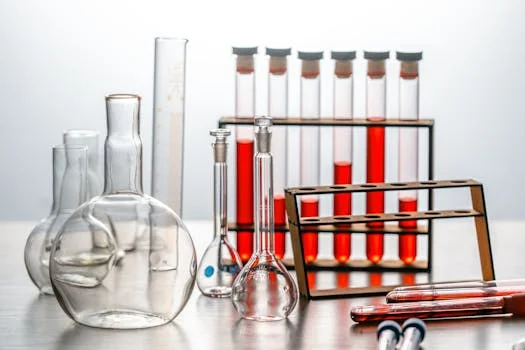
Selecting the appropriate wastewater treatment equipment for a hospital in Al Ain is a critical decision that impacts compliance, operational costs, and environmental responsibility. A structured framework ensures all key factors are considered, tailored to Al Ain’s specific regulatory and operational environment.
- Step 1: Assess Influent Characteristics. Begin by thoroughly characterizing your hospital’s raw wastewater. This involves measuring parameters such as COD (500–1,500 mg/L), BOD (200–600 mg/L), TSS (100–400 mg/L), and conducting pathogen analysis, including SARS-CoV-2 RNA testing (as detected in Al Ain, per Top 2 research). This data from the "Hospital Wastewater Characteristics" section is the foundation for treatment design.
- Step 2: Determine Effluent Quality Targets. Define the required effluent quality. This includes mandatory DoH/EPA limits (TSS <30 mg/L, BOD <20 mg/L, fecal coliform <200 CFU/100mL) but also considers any aspirations for water reuse. If treated water is intended for irrigation, for example, stricter targets like TSS <5 mg/L and BOD <10 mg/L will apply.
- Step 3: Evaluate Site Constraints. Analyze physical limitations of your hospital site. Space availability is crucial, as MBR systems typically require a smaller footprint compared to conventional systems. Consider power availability and consumption for energy-intensive technologies like MBR (0.8–1.2 kWh/m³), and assess chemical handling and storage risks for systems utilizing chlorine dioxide.
- Step 4: Compare Technologies. Utilize the cost and performance data from the "Treatment Technology Comparison" section to evaluate MBR, DAF, and ClO₂ systems against your specific needs. Compare CAPEX (ranging from AED 200K–2.5M), OPEX (0.5–2.0 AED/m³), and compliance performance for each technology to identify the most suitable option for your hospital's size and budget.
- Step 5: Select Pre-treatment. Based on your influent characteristics, determine necessary pre-treatment steps. For high solids loads, rotary mechanical bar screens (GX Series) are essential to protect downstream equipment. Equalization tanks are often required to manage variable flow rates and pollutant loads, ensuring consistent feed to the main treatment units.
- Step 6: Plan for Monitoring and Reporting. Establish a robust monitoring program. This includes regular effluent sampling and analysis by DoH-approved laboratories for all required parameters, especially SARS-CoV-2 RNA testing (per Top 2 research study protocols). Develop a clear reporting schedule to submit compliance data to the Al Ain Municipality and DoH, as mandated by local regulations.
A 5-year Total Cost of Ownership (TCO) model for a 100 m³/h system provides a comprehensive financial perspective:
| Cost Component | MBR System (Estimated) | DAF System (Estimated) | ClO₂ Disinfection (Estimated) |
|---|---|---|---|
| CAPEX (Initial Investment) | AED 1,800,000 | AED 1,000,000 | AED 500,000 |
| Annual OPEX (100 m³/h @ 300 days/year) | AED 450,000 (1.5 AED/m³) | AED 300,000 (1.0 AED/m³) | AED 210,000 (0.7 AED/m³) |
| 5-Year Cumulative OPEX | AED 2,250,000 | AED 1,500,000 | AED 1,050,000 |
| Compliance Savings (Reduced Fines/Water Reuse) | AED 100,000 - 500,000 (potential) | AED 50,000 - 200,000 (potential) | AED 50,000 - 150,000 (potential) |
| 5-Year TCO (CAPEX + OPEX - Savings) | AED 3,550,000 - 3,950,000 | AED 2,300,000 - 2,450,000 | AED 1,400,000 - 1,500,000 |
Frequently Asked Questions
This section addresses common inquiries from hospital facility managers and environmental engineers regarding hospital wastewater treatment in Al Ain.
What are the penalties for non-compliant hospital wastewater in Al Ain?
Fines for non-compliant hospital wastewater discharge in Al Ain can reach up to AED 50,000 under UAE Federal Law No. 24 of 1999, Article 65, with potential facility shutdowns for repeat violations. Additionally, the DoH may mandate corrective action plans (CAPs) that require quarterly progress reports, adding significant administrative burden and operational costs.
How often should hospitals test for SARS-CoV-2 in wastewater?
DoH Circular No. 5/2020 mandates weekly testing for SARS-CoV-2 RNA in wastewater for hospitals actively treating COVID-19 patients, with results required to be reported to the Al Ain Municipality within 48 hours. Hospitals not treating COVID-19 patients are generally required to conduct monthly testing, according to protocols established in DoH studies (Top 2 research).
Can hospital wastewater be reused in Al Ain?
Yes, hospital wastewater can be reused in Al Ain, provided it is treated to meet stringent reuse standards, which typically include TSS <5 mg/L, BOD <10 mg/L, and fecal coliform <1 CFU/100mL. Membrane Bioreactor (MBR) systems are the most common and effective solution for achieving this high level of treatment, as exemplified by Ain Al Khaleej Hospital, which successfully recycles 60% of its treated effluent for irrigation and other non-potable uses (Top 4 research).
What is the most cost-effective treatment technology for small hospitals?
Chlorine dioxide disinfection (ClO₂) is generally the most cost-effective treatment technology for small hospitals (typically with fewer than 50 beds) in Al Ain. With a CAPEX as low as AED 200K for a 50 m³/h system, it achieves a 99.9% pathogen removal rate and complies with UAE EPA disinfection byproduct limits (THMs <80 µg/L), offering an efficient solution for disinfection as a polishing step after basic physical-chemical treatment.
How does Al Ain’s wastewater treatment compare to Abu Dhabi’s?
Al Ain’s Allahamah Plant, with a treatment capacity of 130,000 m³/day, is smaller than Abu Dhabi’s Mafraq Plant, which processes 300,000 m³/day; however, both utilize advanced tertiary treatment processes, including UV disinfection, to produce high-quality treated effluent. Hospitals in Al Ain face particularly strict and explicit monitoring requirements for SARS-CoV-2 RNA in their wastewater (per Top 2 research), reflecting a localized public health focus, while Abu Dhabi generally emphasizes large-scale water recycling initiatives for agricultural and landscape irrigation (Top 5 research).
Further Reading
Explore these in-depth articles on related wastewater treatment topics: