In Samarkand, wastewater treatment plant costs in 2025 range from $80,000 for a 150 m³/day hospital MBR system to $140M for a 140,000 m³/day municipal upgrade. Key drivers include capacity (m³/day), technology (e.g., MBR vs. DAF), and compliance with Uzbekistan’s effluent standards (TSS <30 mg/L, COD <125 mg/L). This guide provides engineering specs, local regulatory requirements, and an ROI calculator to help municipalities and industries budget effectively.
Why Samarkand’s Wastewater Treatment Costs Are Rising in 2025
Samarkand’s population growth of 12% from 2020–2024 (Uzbekstat 2024) has directly increased municipal wastewater treatment plant demand by an estimated 30,000 m³/day, driving up infrastructure costs. This rapid urbanization, coupled with significant industrial expansion, places immense pressure on existing wastewater infrastructure and necessitates substantial investment in new facilities or upgrades for a sustainable Samarkand sewage treatment plant budget.
Further exacerbating cost pressures are Uzbekistan’s stringent 2025 effluent standards, which mandate TSS <30 mg/L and COD <125 mg/L. These regulations effectively require tertiary treatment, such as advanced membrane bioreactors (MBR) or dissolved air flotation (DAF) systems, for an estimated 80% of industrial dischargers (Ministry of Ecology 2024). This technological shift from conventional primary/secondary treatment to more sophisticated processes inherently increases capital expenditure and operational complexity, directly influencing Uzbekistan WWTP engineering specifications.
While the World Bank’s $140 million Bukhara-Samarkand Sewerage Project (2016–2025) successfully upgraded Samarkand’s municipal capacity from 70,000 m³/day to 140,000 m³/day, private sector industrial projects often face a lack of transparent funding mechanisms and clear cost benchmarks. This financial opacity makes accurate budgeting challenging for facility managers and investors. The urgency for compliant treatment is underscored by real-world examples: a 2024 audit of Samarkand Textile Park revealed that 60% of factories exceeded COD limits, facing potential fines up to $50,000 per year (CABAR.asia). Such penalties highlight the critical need for proactive investment in compliant wastewater treatment.
Wastewater Treatment Plant Costs in Samarkand: 2025 Benchmark Ranges
Wastewater treatment plant costs in Samarkand for 2025 exhibit significant variation, ranging from $80,000 for compact hospital systems to $140 million for large-scale municipal infrastructure upgrades. These benchmarks provide a critical starting point for developing a municipal wastewater treatment cost breakdown or an industrial effluent treatment pricing Uzbekistan strategy.
For hospitals, systems typically fall between $80,000 and $350,000 for capacities of 150–500 m³/day, often incorporating compact MBR technology combined with ozone disinfection. Industrial facilities, particularly in textile or food processing, can expect to invest $250,000 to $2.5 million for plants treating 500–5,000 m³/day, which usually feature DAF for pretreatment followed by robust biological treatment. Municipal-scale projects, handling 10,000–140,000 m³/day, represent the largest investments, from $5 million to $140 million, typically employing activated sludge processes with advanced tertiary filtration.
Key cost drivers include the chosen technology (e.g., MBR vs. conventional activated sludge, or DAF vs. primary sedimentation), the level of automation required, and site-specific conditions such as soil stability, land availability, and proximity to existing sewer lines. Beyond capital expenditure, hidden costs can significantly impact the overall project budget. Permitting fees alone can range from $10,000 to $50,000, while ongoing Operation & Maintenance (O&M) costs typically vary from $0.15 to $0.40 per cubic meter of treated water. Sludge disposal, an often-underestimated expense, adds another $50 to $150 per ton, depending on local regulations and disposal methods.
The following table provides a high-level cost overview for various wastewater treatment plant types in Samarkand:
| Plant Type | Capacity (m³/day) | Typical Technology | Estimated Capital Cost (2025 USD) | Estimated O&M Cost (per m³) |
|---|---|---|---|---|
| Hospital | 150–500 | MBR + Ozone Disinfection | $80,000–$350,000 | $0.25–$0.40 |
| Industrial (Textile/Food) | 500–5,000 | DAF + Biological Treatment | $250,000–$2.5M | $0.20–$0.35 |
| Municipal | 10,000–140,000 | Activated Sludge + Tertiary Filtration | $5M–$140M | $0.15–$0.30 |
Engineering Specifications by Plant Type: What You’re Actually Paying For
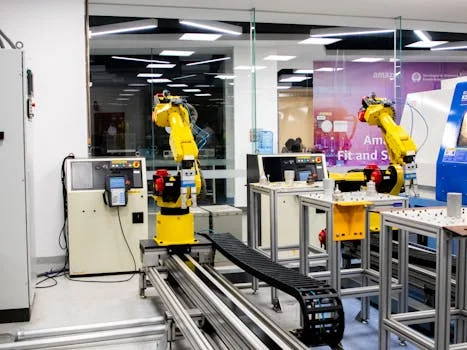
Specific engineering specifications for wastewater treatment plants directly dictate the capital and operational expenses, with hospital, industrial, and municipal systems each having distinct technical requirements in Samarkand. Understanding these details is crucial for evaluating any proposal for Uzbekistan WWTP engineering specifications and for making an informed MBR vs DAF cost comparison Samarkand.
Hospital WWTPs (150–500 m³/day)
Hospitals require specialized treatment due to the presence of pathogens and pharmaceuticals. The Uzbekistan Ministry of Health (2024) mandates stringent removal targets: TSS <30 mg/L, COD <125 mg/L, and fecal coliform <1,000 CFU/100mL. A typical process train includes fine screening to remove solids, followed by equalization to buffer flow and concentration fluctuations. The core treatment often involves compact MBR systems for hospital and industrial wastewater in Samarkand, which utilize 0.1 μm membranes for high-quality effluent, followed by ozone or chlorine dioxide disinfection before discharge. These systems are designed for minimal footprint, typically requiring 0.5–2 m²/m³/day, often installed underground or in containerized units. Energy consumption for MBR systems is generally in the range of 0.8–1.2 kWh/m³.
Industrial WWTPs (500–5,000 m³/day)
Industrial wastewater characteristics vary significantly by sector. For example, textile facilities often target COD <250 mg/L and color <50 Pt-Co, while food processing plants focus on high organic load reduction. The process typically begins with coarse screening, followed by DAF systems for industrial pretreatment in Samarkand’s textile and food processing sectors, which achieve 92–97% TSS removal. This is crucial for protecting subsequent biological treatment stages, such as Anaerobic/Anoxic/Oxic (A/O) or Sequencing Batch Reactors (SBR). Final polishing is often achieved with sand filtration. Industrial plants are frequently designed as modular or skid-mounted units, requiring a footprint of 1–3 m²/m³/day. Energy use for DAF combined with activated sludge typically ranges from 0.4–0.8 kWh/m³.
Municipal WWTPs (10,000–140,000 m³/day)
Large municipal wastewater treatment plants, such as those in Samarkand, must meet World Bank (2025) standards for TSS <30 mg/L, BOD <25 mg/L, and nitrogen <15 mg/L. The treatment sequence usually starts with bar screens and grit removal to protect mechanical equipment. Primary sedimentation removes a significant portion of suspended solids, followed by activated sludge for biological nutrient removal. Tertiary filtration (e.g., sand or disc filters) and UV or chlorine disinfection ensure final effluent quality. These large-scale facilities demand substantial land, with footprints typically ranging from 0.2–0.5 m²/m³/day. Energy consumption for municipal plants is generally 0.3–0.6 kWh/m³, with potential for energy recovery from biogas produced during anaerobic sludge digestion.
Below is a comparative table of engineering specifications by plant type:
| Parameter | Hospital WWTP | Industrial WWTP | Municipal WWTP |
|---|---|---|---|
| Capacity Range (m³/day) | 150–500 | 500–5,000 | 10,000–140,000 |
| Key Effluent Targets | TSS <30, COD <125, Fecal Coliform <1,000 CFU/100mL | Varies by industry (e.g., Textile: COD <250, Color <50 Pt-Co) | TSS <30, BOD <25, Nitrogen <15 |
| Typical Process Train | Fine Screening → Equalization → MBR → Ozone/ClO₂ Disinfection | Coarse Screening → DAF → Biological (A/O or SBR) → Sand Filtration | Bar Screens → Grit Removal → Primary Sedimentation → Activated Sludge → Tertiary Filtration → UV/Chlorine Disinfection |
| Footprint (m²/m³/day) | 0.5–2 (underground/containerized) | 1–3 (modular/skid-mounted) | 0.2–0.5 (large land requirement) |
| Energy Use (kWh/m³) | 0.8–1.2 | 0.4–0.8 | 0.3–0.6 (with energy recovery) |
Local Compliance Checklist: Avoiding Fines and Delays in Samarkand
Compliance with Uzbekistan’s environmental regulations is non-negotiable for all wastewater treatment projects in Samarkand, with fines reaching up to $100,000 or plant shutdown for repeat violations (Uzbekistan Code of Administrative Offenses, Article 190). Navigating the permitting process and adhering to evolving effluent standards is critical for avoiding costly delays and penalties under Samarkand water treatment regulations 2025.
The permitting process typically begins with an Environmental Impact Assessment (EIA), which is mandatory for any project exceeding 500 m³/day capacity, as stipulated by Uzbekistan Law No. 543-II (2023). The approval timeline for an EIA and subsequent permits can range from 3 to 6 months, involving coordination with the Ministry of Ecology and local Khokimiyat (municipal administration). Associated fees are usually calculated as 0.1–0.5% of the total project cost, capped at $50,000.
Uzbekistan’s 2025 effluent standards are increasingly stringent. For municipal wastewater, the limits are TSS <30 mg/L, BOD <25 mg/L, nitrogen <15 mg/L, and phosphorus <2 mg/L. Industrial facilities face sector-specific limits, such as COD <125–250 mg/L and heavy metals like chromium and lead <0.1–1 mg/L. Hospitals have unique requirements, including fecal coliform <1,000 CFU/100mL and emerging standards for pharmaceuticals <1 μg/L (Ministry of Health 2024). Achieving these disinfection targets often requires robust systems utilizing on-site ClO₂ generators for hospital wastewater disinfection in Samarkand.
Monitoring requirements are also becoming more rigorous. Continuous online monitoring for parameters like pH, TSS, and flow is mandatory for plants exceeding 1,000 m³/day. Additionally, quarterly lab tests for COD, BOD, and specific pathogens must be conducted by accredited laboratories. Non-compliance can lead to substantial financial penalties and, in severe cases, the temporary or permanent closure of the facility. For a more detailed guide to industrial wastewater treatment in Uzbekistan, including specific compliance checklists, refer to our detailed guide to industrial wastewater treatment in Uzbekistan. Additionally, managing sludge effectively is a key part of compliance; consider our insights on sludge dewatering solutions for Samarkand WWTPs.
ROI Calculator: Is Your Wastewater Treatment Plant a Smart Investment?
A well-designed wastewater treatment plant in Samarkand can deliver a significant return on investment, with payback periods for industrial facilities often falling within 5 years due to avoided fines and water reuse savings. Evaluating the financial feasibility of a wastewater treatment project requires a clear understanding of potential cost savings and revenue streams, making the wastewater treatment plant payback period a critical metric for investors and municipalities.
Key drivers for cost savings include:
- Avoiding Fines: Non-compliance penalties in Samarkand can range from $10,000 to $100,000 per year, representing a direct and significant annual saving for compliant operations.
- Water Reuse: Treated effluent can be reused for non-potable applications such as irrigation, cooling towers, or industrial processes, offsetting municipal water costs in Samarkand, which typically range from $0.50 to $2.00 per cubic meter.
- Energy Recovery: For larger municipal WWTPs, anaerobic digestion of sludge can produce biogas. This biogas can be captured and used to generate electricity or heat, potentially offsetting 20–40% of the plant's total energy consumption.
The basic Return on Investment (ROI) formula for a wastewater treatment plant is:
Payback Period (Years) = (Total Capital Cost) / (Annual Savings + Revenue)
For example, a $1 million industrial WWTP that generates $200,000 per year in combined savings (e.g., $50,000 in avoided fines and $150,000 from water reuse) would have a payback period of 5 years. This calculation provides a tangible metric for justifying capital expenditure.
Several financing options are available in Uzbekistan to support wastewater treatment projects:
- World Bank Loans: Municipal projects exceeding 50,000 m³/day often qualify for World Bank loans, typically offering favorable terms with 2–3% interest rates and 20-year repayment periods.
- Green Climate Fund (GCF) Grants: For projects incorporating energy-efficient systems or climate-resilient technologies, GCF grants can cover up to 50% of the capital costs, significantly reducing the initial investment burden.
- Private Sector Financing: Industrial facilities can explore leasing arrangements or Build-Operate-Transfer (BOT) models, where a private entity finances, constructs, and operates the plant for a set period before transferring ownership.
The following table illustrates potential ROI scenarios for different plant types:
| Plant Type | Capital Cost Example | Annual Savings/Revenue | Payback Period (Years) |
|---|---|---|---|
| Hospital (150 m³/day MBR) | $150,000 | $15,000 (fines avoided) | 10 |
| Industrial (1,000 m³/day DAF+Bio) | $750,000 | $150,000 (fines + water reuse) | 5 |
| Municipal (50,000 m³/day Activated Sludge) | $40,000,000 | $2,500,000 (energy + compliance) | 16 |
Frequently Asked Questions
Common questions regarding wastewater treatment plant costs and operations in Samarkand often revolve around technology choices, comparative capacities, compliance challenges, and reuse potential.
What is the cheapest wastewater treatment option for a small factory in Samarkand?
For capacities under 500 m³/day, a containerized MBR system ($80,000–$200,000) typically offers the lowest long-term O&M costs and smallest footprint, making it suitable for factories with limited space. Alternatively, DAF systems are often cheaper upfront ($50,000–$150,000) but require more space and consistent chemical dosing for effective operation.
How does Samarkand’s WWTP capacity compare to other Uzbek cities?
Samarkand’s updated wastewater treatment plant capacity of 140,000 m³/day is second only to Tashkent, which operates at approximately 300,000 m³/day. Bukhara’s WWTP, for comparison, handles 80,000 m³/day (World Bank 2024), positioning Samarkand as a major regional hub for wastewater treatment infrastructure.
What are the most common compliance violations in Samarkand?
According to CABAR.asia (2024) data, the most frequent compliance violations in Samarkand include exceeding COD limits (observed in 40% of industrial facilities), inadequate disinfection protocols (affecting 25% of hospitals), and improper sludge disposal practices (reported in 15% of municipal plants).
Can I reuse treated wastewater in Samarkand?
Yes, treated wastewater can be reused in Samarkand, but strictly for non-potable applications such as agricultural irrigation, industrial cooling, or process water. This typically requires additional tertiary filtration (e.g., reverse osmosis or UV disinfection). Potable reuse, which involves treating wastewater to drinking water standards, is rarely granted approval by the Ministry of Health due to stringent public health requirements.
What is the lifespan of a wastewater treatment plant in Uzbekistan?
The lifespan of a wastewater treatment plant in Uzbekistan generally ranges from 20–30 years for major civil structures like concrete tanks and buildings. Mechanical and electrical components, such as pumps, blowers, and control systems, typically have a shorter lifespan of 10–15 years, while advanced components like MBR membranes usually require replacement every 5–8 years depending on operation and maintenance.