Why Food Processors in Uzbekistan Need Specialized Wastewater Treatment
Uzbekistan’s Decree No. 550 (2023) mandates that food processing facilities failing to meet effluent standards face administrative fines up to 500 times the base calculated value, approximately UZS 34.2 million per violation in 2025. This regulatory pressure is compounded by the country’s aggressive 60% water recycling target for new industrial projects, particularly in water-stressed regions like the Fergana Valley. Unlike municipal sewage, food processing wastewater is characterized by extreme organic loads, with Chemical Oxygen Demand (COD) ranging from 1,500 to 10,000 mg/L and Fats, Oils, and Grease (FOG) concentrations reaching up to 1,500 mg/L. Standard municipal treatment systems are not designed to handle these surges, leading to rapid biological system failure and subsequent legal penalties.
In the dairy sector, wastewater contains high concentrations of dissolved sugars (lactose) and proteins, which contribute to rapid acidification and odors if not treated immediately. Meat processing plants in regions like Samarkand face additional challenges with high nitrogen levels and suspended solids from blood and tissue processing. A typical dairy plant in Tashkent, for example, producing 200 m³ of wastewater daily, can face annual environmental fines exceeding $80,000 if its discharge exceeds the 150 mg/L COD limit. By implementing a combined high-efficiency DAF system for food processing wastewater and an MBR unit, such plants have successfully reduced COD from 8,500 mg/L to under 120 mg/L, ensuring full compliance while securing water for non-potable utility use.
The urgency for specialized treatment also stems from the rising cost of municipal water supply. In 2025, Tashkent’s industrial water tariffs have reached UZS 2,500/m³, making the "once-through" water model economically unsustainable. Specialized systems allow for the recovery of valuable byproducts, such as fats for rendering or treated water for cooling towers and irrigation, directly impacting the plant's bottom line. For engineers, the challenge lies in selecting a system that maintains stability despite the high variability of influent strength caused by Clean-in-Place (CIP) cycles and seasonal production peaks.
Uzbekistan’s Wastewater Discharge Standards for Food Processing: 2025 Compliance Checklist
Direct discharge into Uzbekistan’s natural water bodies requires compliance with SanPiN 2.1.4.1074-01, which limits Chemical Oxygen Demand (COD) to below 150 mg/L and Total Suspended Solids (TSS) to 30 mg/L. For facilities discharging into municipal sewers, the Tashkent City Water Utility (Suvokova) 2024 guidelines permit higher thresholds, typically COD < 500 mg/L and TSS < 200 mg/L, though these come with significant "heavy loader" surcharges. Plant managers must navigate a rigorous permitting process that includes a mandatory Environmental Impact Assessment (EIA) for any facility with a flow rate exceeding 100 m³/day, a process that can take 6 to 12 months to complete under the Law on Environmental Protection.
Compliance is monitored through strict sampling protocols. According to national standards, flow rates must be recorded daily, while COD, TSS, and FOG levels must be analyzed weekly by an accredited laboratory. Failure to maintain these records can result in a 3-month plant closure for repeat violations. The following table outlines the primary discharge limits for food processing plants in Uzbekistan as of 2025:
| Parameter | Direct Discharge (Decree 550) | Municipal Sewer (Tashkent 2024) | Typical Food Influent (Pre-Treatment) |
|---|---|---|---|
| COD (mg/L) | < 150 | < 500 | 1,500 – 10,000 |
| BOD5 (mg/L) | < 30 | < 250 | 800 – 5,000 |
| TSS (mg/L) | < 30 | < 200 | 500 – 3,000 |
| FOG (mg/L) | < 10 | < 50 | 200 – 1,500 |
| pH | 6.5 – 8.5 | 6.0 – 9.0 | 4.5 – 11.0 |
| Ammonia (mg/L) | < 10 | < 25 | 30 – 150 |
To ensure 2025 compliance, procurement officers must prioritize equipment that offers automated data logging and remote monitoring capabilities. This aligns with the Ministry of Ecology’s shift toward digital environmental reporting. the 60% recycling mandate means that for many new beverage and dairy plants, the "discharge" standard is effectively irrelevant, as the water must meet internal reuse quality, which often requires tertiary treatment such as Ultrafiltration (UF) or Reverse Osmosis (RO).
Food Processing Wastewater Treatment Technologies: Performance Benchmarks and Selection Guide
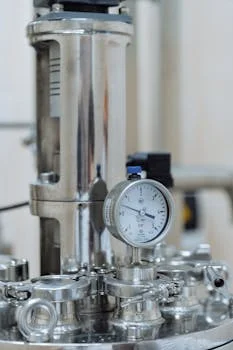
Dissolved Air Flotation (DAF) systems remain the primary pretreatment technology for Uzbekistan’s meat and dairy sectors, capable of removing up to 97% of Total Suspended Solids (TSS) and 90% of Fats, Oils, and Grease (FOG). For food processors, the DAF utilizes micro-bubbles (20–50 microns) to lift emulsified fats to the surface for mechanical skimming. This step is critical because high FOG levels will blind membranes in downstream biological systems and inhibit oxygen transfer in activated sludge tanks. In Uzbekistan’s climate, where winter temperatures can drop below -10°C, DAF units are often housed in insulated enclosures to prevent freezing of the skimmer assembly and chemical dosing lines.
For plants aiming for high-quality reuse, the MBR system for water reuse in beverage and dairy plants offers a compact footprint and superior effluent quality. MBR technology combines biological degradation with membrane filtration, eliminating the need for secondary clarifiers. It consistently produces effluent with turbidity below 0.2 NTU, making it ideal for cooling tower make-up or floor washing. However, engineers must account for a 15% drop in biological activity during peak winter months, necessitating either heat exchangers or increased hydraulic retention times (HRT). The selection between DAF, MBR, and Anaerobic Digestion depends heavily on the influent COD concentration and the desired end-use of the treated water.
| Technology | COD Removal % | TSS Removal % | Ideal Application | OpEx Level |
|---|---|---|---|---|
| DAF | 40 – 60% | 92 – 97% | Pretreatment (Meat/Dairy) | Moderate (Chemicals) |
| MBR (DF Series) | 95 – 98% | > 99% | Water Reuse (Beverage) | High (Energy/CIP) |
| Anaerobic Digestion | 70 – 85% | 50 – 70% | High-Strength (>5,000 mg/L COD) | Low (Biogas recovery) |
| Activated Sludge | 85 – 90% | 85 – 95% | Standard Compliance | Moderate |
Chemical dosing is a significant component of operational performance. In Uzbekistan, polymer consumption for DAF systems typically ranges from 2–5 mg/L, while MBR systems require 0.5–1 mg/L of flocculant depending on the organic load. For meat processing facilities with very high organic strength (>5,000 mg/L COD), anaerobic digestion is recommended as a primary stage to reduce the load on aerobic systems and generate biogas, which can be utilized for boiler pre-heating, further improving the plant's energy efficiency.
Cost Breakdown: Wastewater Treatment Systems for Food Processing Plants in Uzbekistan
Capital expenditure for turnkey wastewater treatment plants in the Tashkent and Samarkand regions typically ranges from $500,000 to $2.5 million for medium-to-large scale food processing operations. A 100 m³/h capacity system for a dairy plant, including a detailed DAF system specifications for food processing and MBR secondary treatment, generally falls between $800,000 and $1.2 million. These figures include equipment, shipping, and basic automation. Installation and civil works (concrete tanks, piping, and electrical) usually add an additional 20% to 30% to the equipment cost, depending on the site’s existing infrastructure.
Operating expenses (OpEx) are influenced by Uzbekistan’s relatively low electricity costs ($0.08/kWh) and labor rates ($300–$500/month for a qualified operator). However, chemical costs for coagulants and polymers can be volatile as many high-grade chemicals are imported. Sludge management is another critical cost factor; using a sludge dewatering equipment for food processing plants can reduce sludge volume by 70-80%, lowering disposal costs which currently range from $50 to $150 per ton at specialized landfills. The following table provides a 2025 cost benchmark for a 200 m³/day food processing treatment facility:
| Cost Category | Estimated Cost (USD) | Notes / Drivers |
|---|---|---|
| Equipment (DAF + MBR) | $450,000 – $700,000 | Based on 200 m³/day flow |
| Installation & Civil Works | $120,000 – $180,000 | Local labor and materials |
| Annual Electricity | $12,000 – $18,000 | $0.08/kWh average tariff |
| Annual Chemicals | $8,000 – $15,000 | Polymer and pH adjustment |
| Annual Sludge Disposal | $5,000 – $10,000 | Assumes use of filter press |
| Total Estimated ROI | 3.5 – 5.0 Years | Includes fine avoidance and water savings |
Financing these projects has become more accessible in Uzbekistan through government-backed incentives. The Ministry of Ecology offers a 30% capital cost subsidy for systems that achieve greater than 60% water recycling. Uzbekinvest and local commercial banks provide specialized green credits with 5-year repayment terms, often covering up to 70% of the equipment cost. These financial tools, combined with the avoidance of municipal surcharges and fines, significantly accelerate the Return on Investment (ROI) for modern treatment systems.
Step-by-Step Equipment Selection Framework for Food Processors
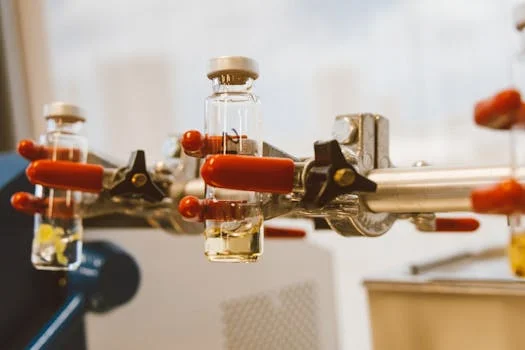
Selecting a wastewater treatment system in Uzbekistan requires a six-step engineering evaluation that aligns influent characteristics with the 60% water recycling mandate for new industrial projects. The process begins with comprehensive wastewater characterization. Because food processing effluent varies wildly during the day, engineers must take composite samples over a 7-day production cycle to identify peak COD and FOG loads. Relying on a single "grab sample" often leads to undersized equipment that fails during intensive cleaning shifts.
- Step 1: Characterize Influent: Measure flow rate, COD, TSS, FOG, and pH. Use 7-day composite sampling to capture CIP cycle spikes.
- Step 2: Determine Discharge Goals: Decide between direct discharge (Decree 550), municipal sewer, or internal reuse. Reuse requires MBR or RO.
- Step 3: Select Pretreatment: Implement a DAF system if FOG > 100 mg/L or TSS > 500 mg/L to protect biological stages.
- Step 4: Design Biological Stage: Choose MBR for high-quality reuse or activated sludge for simple discharge compliance. Consider containerized wastewater treatment solutions for rapid deployment if site space is limited.
- Step 5: Integrate Sludge Dewatering: Select a plate and frame filter press or screw press to minimize disposal volumes and meet local landfill requirements.
- Step 6: Evaluate Support & Compliance: Choose suppliers with local engineering presence in Uzbekistan to assist with the 6-12 month EIA and permitting process.
For rapid expansion or remote facilities, containerized systems are increasingly popular in Uzbekistan. These pre-integrated units reduce installation time by 60% and are easily relocated if the plant expands. When evaluating suppliers, procurement officers should demand performance guarantees specifically for "peak load" scenarios and verify that the automation software is compatible with local telecommunications for remote monitoring. This structured approach ensures that the selected system is not just a capital purchase, but a long-term compliance asset that supports the plant's operational stability.
Frequently Asked Questions
What are the biggest compliance risks for food processors in Uzbekistan?
The most common risks are exceeding FOG limits in meat and dairy plants and COD limits in beverage facilities. Exceeding these standards triggers fines up to 500x the minimum wage. Implementing a DAF system is the most effective way to reduce FOG by 85-90%, mitigating these risks immediately.
How much does a turnkey wastewater treatment system cost for a 100 m³/h dairy plant?
In the 2025 market, a turnkey system for this capacity ranges from $800,000 to $1.2 million. This typically includes DAF pretreatment, MBR biological treatment, and sludge dewatering. Costs vary based on the level of automation and the specific effluent quality required for water recycling.
Can treated wastewater be reused in food processing?
Yes, but the level of reuse depends on the technology. Effluent from an MBR system is suitable for non-potable uses like floor cleaning, cooling towers, and irrigation. For potable-grade reuse (water that contacts food), a combination of MBR and Reverse Osmosis (RO) is required to meet WHO and local SanPiN standards.
What are the maintenance requirements for a DAF system?
Standard maintenance includes weekly inspection of the surface skimmer, monthly calibration of the polymer dosing pumps, and quarterly servicing of the air saturation compressor. Proper maintenance ensures the system maintains its 92-97% TSS removal efficiency.
Are there government incentives for wastewater treatment in Uzbekistan?
Yes, the Uzbek government provides a 30% capital cost subsidy for industrial wastewater projects that achieve at least 60% water recycling. Additionally, there are "green" financing options with preferential interest rates for equipment that reduces environmental impact.
Further Reading
Explore these in-depth articles on related wastewater treatment topics: