Wastewater Treatment Plant Cost in Tel Aviv 2025: Engineering Breakdown, Local Compliance & ROI Calculator
In 2025, wastewater treatment plant costs in Tel Aviv range from $1.2M for compact MBR systems (10–50 m³/day) to $300M+ for municipal upgrades like the SHAFDAN plant (360,000 m³/day). Key cost drivers include system type (conventional vs. MBR), energy efficiency, and compliance with Israel’s stringent effluent reuse standards (85% of treated wastewater reused for agriculture). This guide provides engineering specs, local supplier comparisons, and an ROI calculator for Tel Aviv projects.
Tel Aviv’s Wastewater Challenge: Why SHAFDAN’s $300M Upgrade Matters
The SHAFDAN (Greater Tel Aviv Wastewater Treatment Plant) currently treats 360,000 m³/day of municipal wastewater, with its recent upgrade and expansion estimated to cost US $300 million between 2016 and 2025 (per NASA ADS data). This significant investment underscores Tel Aviv's commitment to advanced wastewater management, driven by Israel's unique water scarcity challenges and ambitious reuse targets. Israel is a global leader in water recycling, with approximately 85% of all effluent directed to agricultural consumption (per Jerusalem Post), which mandates exceptionally strict treatment standards.
Tel Aviv's rapid population growth, at an average of 3.5% annually, coupled with industrial expansion, places immense pressure on existing infrastructure and increases the demand for efficient, often decentralized, treatment solutions. The SHAFDAN upgrade focused on key areas to meet these demands: extensive membrane upgrades for superior effluent quality, implementation of energy-efficient aeration systems to reduce operational costs, and advanced tertiary treatment processes essential for compliance with Israel's stringent agricultural reuse standards. These investments are critical not only for environmental protection but also for ensuring a sustainable water supply for the nation's agricultural sector, reducing reliance on freshwater sources or desalinated seawater.
A key factor in Tel Aviv's wastewater management strategy is balancing treatment capacity with environmental goals. The city aims to enhance its wastewater treatment infrastructure to support both population growth and industrial development while meeting strict effluent standards.
Wastewater Treatment Plant Costs in Tel Aviv: 2025 Breakdown by System Type
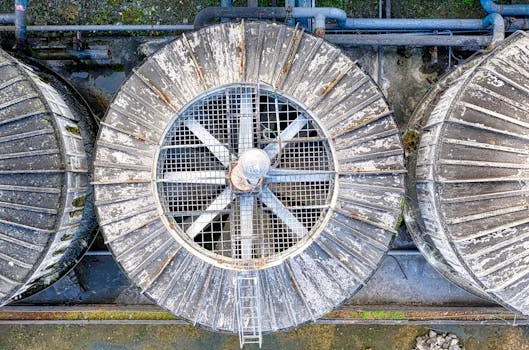
Conventional activated sludge (CAS) systems for capacities between 50–500 m³/day typically incur capital costs ranging from $0.80–$1.50 per cubic meter of daily capacity in Tel Aviv, while larger systems (500–5,000 m³/day) can see costs drop to $0.50–$1.00/m³. These costs generally include primary and secondary treatment, clarification, and disinfection stages. For projects requiring higher effluent quality or facing land constraints, Membrane Bioreactor (MBR) systems present a compelling alternative. MBR system costs are higher upfront, averaging $2.50–$4.00/m³ for smaller installations (10–50 m³/day) and $1.50–$2.50/m³ for medium-scale projects (50–500 m³/day), but offer a 60% smaller footprint and produce reuse-ready effluent directly. For industrial facilities, DAF systems for industrial pretreatment in Tel Aviv are critical, costing $1.20–$2.00/m³ for flow rates between 4–300 m³/h. These systems are essential for removing fats, oils, greases, and suspended solids from wastewater generated by industries such as food processing, textile manufacturing, and metalworking within Tel Aviv’s industrial zones, preventing surcharge fines and protecting municipal sewage infrastructure.
Local compliance requirements significantly impact these costs. Israel’s Ministry of Health mandates strict effluent quality parameters for agricultural reuse, specifically requiring treated wastewater to meet thresholds of less than 10 mg/L BOD, less than 10 mg/L TSS, and less than 1 mg/L phosphorus (per SHAFDAN specifications). Achieving these standards often necessitates advanced tertiary treatment stages, such as ultrafiltration or reverse osmosis, which add to both capital and operational expenditures but ensure compliance with the nation's ambitious effluent reuse standards Israel.
| System Type | Capacity Range (m³/day) | Typical Capital Cost (USD/m³ daily capacity) | Key Benefits for Tel Aviv Projects | Compliance Relevance |
|---|---|---|---|---|
| Conventional Activated Sludge (CAS) | 50–5,000 | $0.50–$1.50 | Proven technology, lower upfront cost for basic treatment | Requires tertiary treatment for Israel's reuse standards |
| Membrane Bioreactor (MBR) | 10–500 | $1.50–$4.00 | 60% smaller footprint, high-quality effluent (reuse-ready) | Meets stringent Israel Ministry of Health wastewater compliance for reuse |
| Dissolved Air Flotation (DAF) | 4–300 (m³/h) | $1.20–$2.00 | Effective industrial pretreatment, removes FOG/TSS | Essential for industrial facilities to meet municipal discharge limits |
Engineering Specs That Drive Costs: Footprint, Energy, and Chemical Consumption
Engineering specifications are paramount in determining both the initial capital expenditure and the long-term operational costs of wastewater treatment plants in Tel Aviv. For instance, compact MBR systems for Tel Aviv’s high land costs require approximately 60% less space than conventional activated sludge systems (per HydropureWater MBR specs). This reduction is a critical factor in Tel Aviv, where land costs in industrial zones can range from $5,000 to $10,000/m², making efficient footprint utilization a significant cost-saving advantage. The smaller physical footprint of MBR systems translates directly into lower land acquisition or leasing costs, a major component of Tel Aviv sewage treatment plant budgets.
Energy consumption is another substantial operational cost driver. MBR systems typically consume between 0.8–1.2 kWh/m³ of treated wastewater, which is higher than the 0.4–0.6 kWh/m³ for conventional systems (per EPA 2024 benchmarks). However, this increased energy use in MBRs is often offset by reduced sludge handling costs, as MBRs produce 30% less sludge than conventional systems, mitigating a portion of the overall wastewater treatment energy consumption. Chemical consumption also plays a role, especially in DAF systems for industrial pretreatment. DAF systems require coagulants at 50–100 mg/L and flocculants at 1–5 mg/L (per HydropureWater DAF specs) to achieve optimal separation. Notably, the Tel Aviv water authority may subsidize chemicals for projects contributing to agricultural reuse, providing an incentive for advanced treatment. Sludge disposal costs in Israel range from $150–$300/ton for dewatered sludge (per Israel Ministry of Environmental Protection), making the 30% reduction in sludge volume from MBR systems a considerable long-term operational saving.
| Parameter | Conventional Activated Sludge (CAS) | Membrane Bioreactor (MBR) | Dissolved Air Flotation (DAF) | Cost Impact in Tel Aviv |
|---|---|---|---|---|
| Footprint | Larger (reference baseline) | 60% smaller than CAS (HydropureWater MBR specs) | Compact for pretreatment | Significant savings due to high Tel Aviv land costs ($5,000–$10,000/m²) |
| Energy Consumption | 0.4–0.6 kWh/m³ (EPA 2024) | 0.8–1.2 kWh/m³ (EPA 2024) | Varies by application, generally moderate for separation | Higher electricity costs for MBR, but offset by other savings |
| Chemical Consumption | Minimal for primary/secondary, more for tertiary | Low for membranes, some for cleaning | 50–100 mg/L coagulant, 1–5 mg/L flocculant (HydropureWater DAF specs) | DAF chemical costs can be substantial, potential subsidies for reuse projects |
| Sludge Production | Higher (reference baseline) | 30% less than CAS | Moderate to high, depending on influent solids | Lower disposal costs for MBR ($150–$300/ton for dewatered sludge in Israel) |
For optimizing chemical use, chemical dosing systems for Israel’s reuse standards are crucial, ensuring precise application and minimizing waste. Additionally, efficient sludge dewatering equipment like a plate and frame filter press can further reduce sludge volume and disposal costs, enhancing the overall economic viability of a wastewater treatment plant in Tel Aviv. Understanding how wastewater treatment costs compare in other high-regulation markets, such as detailed in Wastewater Treatment Plant Cost in Ontario 2025, can provide valuable context for Tel Aviv projects.
Local vs. International Suppliers: Tel Aviv’s Equipment Market Compared
The choice between local and international suppliers for wastewater treatment equipment in Tel Aviv involves a strategic evaluation of upfront costs, lead times, and compliance assurance. Local Israeli manufacturers typically present 10–20% higher upfront equipment costs compared to international providers. However, this premium often comes with distinct advantages: significantly faster lead times, usually 4–8 weeks, and equipment that is inherently designed and certified to comply with Israel’s stringent effluent reuse standards and local regulations, streamlining the permitting process.
Conversely, international suppliers, such as HydropureWater, can offer equipment at 20–30% lower costs, providing a substantial budget advantage. The trade-off, however, includes longer lead times, often 12–16 weeks due to shipping and customs, and a potential need for additional certification or modifications to meet Israel’s Ministry of Health requirements. A Tel Aviv food processing plant, for example, reportedly saved 25% by importing a DAF system from China but faced three-month delays for necessary compliance testing and local approvals. When evaluating suppliers, project managers must consider both short-term costs and long-term operational implications.
| Factor | Local Israeli Suppliers | International Suppliers (e.g., HydropureWater) |
|---|---|---|
| Upfront Equipment Cost | 10–20% higher | 20–30% lower |
| Lead Times | 4–8 weeks | 12–16 weeks (due to shipping/customs) |
| Compliance with Israel Standards | Built-in, easier certification | May require additional testing/certification for Israel Ministry of Health |
| Service & Maintenance | More accessible, faster response, better service contracts | Potentially longer response times, higher travel costs for technicians |
| Typical Application | Time-sensitive projects, complex compliance needs, long-term support focus | Budget-sensitive projects, standard equipment, established local partners |
ROI Calculator: How to Justify Wastewater Treatment Costs in Tel Aviv
Investing in advanced wastewater treatment in Tel Aviv offers significant financial returns beyond environmental compliance, primarily through water reuse savings. The cost of wastewater treatment plant implementation can be substantial; however, treated effluent can be valued at $0.50–$1.20/m³ for agricultural or industrial purposes, a considerable saving compared to the $1.80–$3.00/m³ cost of freshwater from the