Costa Rica’s Wastewater Crisis: Why the $565M AyA Program Is Urgent
Costa Rica’s municipal sewage treatment infrastructure is at a critical juncture: as of 2025, only 14% of wastewater is treated properly, with 70% discharged untreated, threatening public health and tourism. This alarming statistic, reflecting data as recent as 2018 for untreated volumes (KarenRealEstate.com, Top 1), underscores a profound environmental and public health challenge. The reliance on individual septic tanks, while common, proves inadequate for urban and coastal areas due to space constraints and inconsistent maintenance, leading to widespread contamination. Untreated wastewater directly pollutes rivers and beaches, impacting agricultural products and posing significant public health risks to communities nationwide.
The nation's vital tourism industry, generating over $4 billion annually, faces direct threats from compromised water quality, as highlighted by an International Water Association (IWA) review on surface water quality in Costa Rica (Water Diplomat, Top 2). In response, the Costa Rican Institute of Aqueducts and Sewers (AyA) has secured a substantial $565 million loan from the Central American Bank for Economic Integration (CABEI). This comprehensive program aims to construct four new municipal sewage treatment plant in Costa Rica, establish 57 pumping stations, and connect 159,000 households by 2035. These critical infrastructure projects will target key urban centers such as San José, Jacó, Quepos, Palmares, and Golfito, benefiting over one million residents and generating approximately 200 jobs in the beneficiary communities. the program is designed to protect crucial ecosystems like the Golfito National Wildlife Refuge, aligning with AyA's National Wastewater and Sanitation Policy (PNARS) goals for 100% urban treatment coverage.
PNARS 2035/2045 Compliance: Engineering Specs for Costa Rica’s Municipal Plants
AyA's National Wastewater and Sanitation Policy (PNARS) sets ambitious targets, aiming for 100% urban sewerage with treatment by 2035 and 100% national coverage of adequate sanitation by 2045 (Water Diplomat, Top 2). Achieving these goals requires municipal sewage treatment plants to incorporate specific treatment stages to meet stringent effluent quality standards. Typical required treatment stages include pre-treatment for screening and grit removal, followed by primary sedimentation, secondary biological treatment, and often tertiary filtration and disinfection to ensure compliance.
Pre-treatment involves physical processes like screening to remove large solids and grit chambers to settle sand and heavier inorganic materials, protecting downstream equipment. Primary treatment typically utilizes clarifiers for sedimentation, reducing suspended solids and organic matter. Secondary treatment, often biological, employs activated sludge or similar processes to break down dissolved organic pollutants. Tertiary treatment, if required for specific discharge or reuse applications, may include advanced filtration (e.g., sand filters, membrane filtration) and disinfection using methods such as UV, chlorination, or on-site ClO₂ generators for reliable disinfection.
Effluent quality standards mandated by AyA are critical for environmental protection. For general discharge, typical targets include TSS < 30 mg/L, COD < 125 mg/L, BOD < 25 mg/L, and fecal coliform < 1,000 CFU/100mL (AyA guidelines, 2023). However, coastal areas such as Golfito, Jacó, and Quepos often face stricter limits to protect sensitive marine ecosystems, sometimes requiring lower nutrient loads (nitrogen and phosphorus) and more rigorous disinfection. Sludge management is also a key component, requiring dewatering (e.g., with belt presses or centrifuges) to reduce volume and stabilize solids before environmentally safe disposal, often in designated landfills or for beneficial reuse if treated to appropriate standards. Continuous monitoring and reporting are essential, with AyA increasingly requiring real-time sensors for parameters like flow, pH, turbidity, and dissolved oxygen to ensure ongoing compliance and operational transparency.
| Parameter | AyA Effluent Quality Standard (General Discharge) | Coastal Zone Standard (Example: Jacó, Golfito) |
|---|---|---|
| Total Suspended Solids (TSS) | < 30 mg/L | < 10 mg/L (for sensitive areas) |
| Chemical Oxygen Demand (COD) | < 125 mg/L | < 50 mg/L |
| Biochemical Oxygen Demand (BOD₅) | < 25 mg/L | < 10 mg/L |
| Fecal Coliform | < 1,000 CFU/100mL | < 200 CFU/100mL |
| Total Nitrogen (TN) | Report Only (Recommended < 15 mg/L) | < 10 mg/L |
| Total Phosphorus (TP) | Report Only (Recommended < 2 mg/L) | < 1 mg/L |
| pH | 6.0 - 9.0 | 6.0 - 9.0 |
Equipment Selection Guide: MBR vs. DAF vs. Underground Systems for Costa Rica’s Urban and Coastal Projects
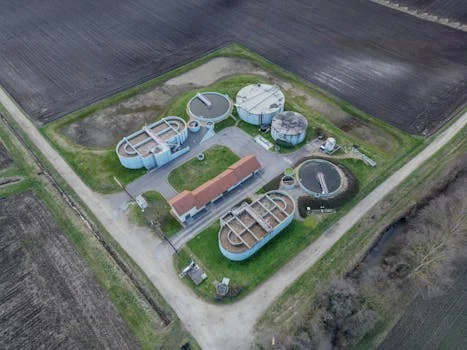
Selecting the appropriate technology for a municipal sewage treatment plant in Costa Rica requires careful consideration of site constraints, effluent quality targets, and operational costs, particularly for urban and coastal applications. For space-constrained urban areas like San José and Palmares, compact underground sewage treatment systems for urban areas (e.g., HydropureWater WSZ Series) are an ideal solution. These package plants offer capacities typically ranging from 1 to 80 m³/h, minimizing above-ground footprint and visual impact while meeting secondary treatment standards.
For projects demanding high-quality effluent, especially for water reuse applications in agriculture, golf courses, or industrial processes, high-efficiency MBR systems for near-reuse-quality effluent are often the preferred choice. Membrane Bioreactor (MBR) technology combines activated sludge treatment with membrane filtration, producing effluent with TSS generally below 1 mg/L and significantly reduced BOD and COD. This advanced treatment is particularly beneficial where discharge limits are strict or water scarcity necessitates reuse, offering superior performance compared to conventional secondary treatment (HydropureWater field data, 2025). For a deeper understanding of the technology, refer to our detailed MBR membrane performance data.
Coastal areas such as Jacó and Quepos often deal with municipal wastewater containing higher concentrations of fats, oils, and grease (FOG) from restaurants and tourism facilities. In these scenarios, DAF systems for high FOG and oil/grease removal (e.g., HydropureWater) can be an optimal pre-treatment or primary treatment step. Dissolved Air Flotation (DAF) effectively removes FOG, suspended solids, and some colloidal matter, improving the efficiency of downstream biological processes and preventing operational issues. For comprehensive DAF system selection criteria, consult our DAF system selection guide. When considering tropical climates like Costa Rica, equipment must be adapted for high humidity, elevated temperatures, and potential seismic activity. Robust construction materials, corrosion-resistant coatings, and designs capable of withstanding seismic loads are crucial. While specific equipment details for the Los Tajos plant expansion are not publicly detailed, such a significant project in San José would likely involve conventional activated sludge systems complemented by advanced tertiary treatment for nutrient removal and disinfection, reflecting a blend of proven and modern technologies to handle large urban flows.
| System Type | Typical Flow Rate (m³/h) | Footprint Requirement | Energy Use (kWh/m³) | Effluent Quality (TSS) | Maintenance Complexity |
|---|---|---|---|---|---|
| Underground Package Plant (WSZ Series) | 1 - 80 | Very Low (sub-surface) | 0.3 - 0.6 | < 30 mg/L | Medium |
| MBR System | 10 - 500+ | Low (compact biological + membrane) | 0.6 - 1.2 | < 1 mg/L | High (membrane cleaning) |
| DAF System (Pre-treatment) | 5 - 200+ | Medium (above-ground tank) | 0.1 - 0.3 | < 50 mg/L (pre-treatment) | Medium |
Cost Breakdown: Municipal Sewage Treatment Plant Budgets in Costa Rica (2025 Data)
Understanding the financial implications of developing a municipal sewage treatment plant in Costa Rica is essential for effective planning and securing funding under programs like the AyA/CABEI initiative. Capital costs for municipal sewage treatment plants vary significantly based on capacity, technology, and site-specific conditions. Smaller plants, typically treating 1,000–5,000 m³/day, generally incur capital costs ranging from $2 million to $5 million. Medium-sized plants, designed for 5,000–20,000 m³/day, can require investments between $10 million and $30 million. These figures include civil works, equipment procurement, installation, and initial commissioning (AyA/CABEI project data, 2025).
Operating costs are primarily driven by energy consumption, chemical usage, and labor. For a typical municipal plant in Costa Rica, operating costs can range from $0.20 to $0.50 per cubic meter of treated wastewater. Energy accounts for a significant portion, particularly for aeration in biological processes and pumping. Chemical costs include coagulants, flocculants, and disinfectants. Labor costs are influenced by the plant's automation level and the local wage structure. Per capita costs for connecting households to new or expanded sewerage systems are estimated by AyA to be in the range of $150–$300 per connected household, reflecting the investment in collection networks and treatment capacity.
The return on investment (ROI) for these projects extends beyond direct financial returns. Protecting Costa Rica's $4 billion/year tourism industry from water pollution represents a massive economic benefit. public health savings from reduced waterborne diseases and the preservation of vital ecosystems contribute significant, albeit harder to quantify, value. Funding sources for these critical infrastructure projects primarily include the CABEI loans, direct allocations from the AyA budget, and increasingly, Public-Private Partnership (PPP) models. Eligibility for CABEI loans typically involves national or municipal government sponsorship, demonstrating project feasibility and alignment with national development goals. Cost-saving strategies include the deployment of modular systems for phased expansion, selecting energy-efficient equipment, and fostering local partnerships for construction and long-term maintenance, which can reduce both capital and operational expenditures.
| Cost Category | Small Plant (1,000-5,000 m³/day) | Medium Plant (5,000-20,000 m³/day) | Unit Cost/Benefit |
|---|---|---|---|
| Capital Costs (Construction & Equipment) | $2M - $5M | $10M - $30M | N/A |
| Operating Costs (Energy, Chemicals, Labor) | $0.20 - $0.50/m³ | $0.20 - $0.50/m³ | Per m³ of treated water |
| Per Capita Connection Cost | $150 - $300 | $150 - $300 | Per connected household |
| Annual Tourism Revenue Protected | Indirect (part of $4B national) | Indirect (part of $4B national) | $4B+/year (national) |
| Public Health Savings (Estimated) | Significant, localized | Significant, regional | Reduced healthcare burden |
Step-by-Step Implementation: How to Deploy a Municipal Sewage Treatment Plant in Costa Rica
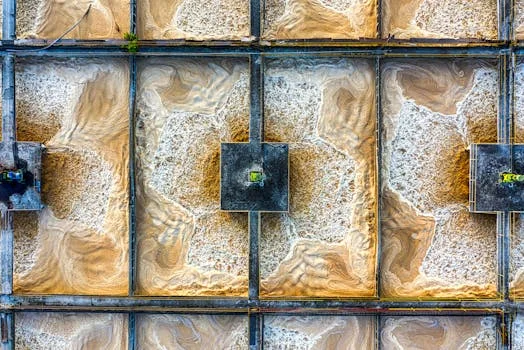
Deploying a municipal sewage treatment plant in Costa Rica under AyA’s ambitious program requires a structured, multi-stage approach. The initial phase is a comprehensive feasibility study, which includes detailed site selection, accurate flow projections based on population growth and water consumption, and a thorough environmental impact assessment (EIA) to identify potential ecological effects. AyA's requirements for these studies are rigorous, ensuring that projects are environmentally sound and technically viable.
Following feasibility, the permitting process is critical. This involves securing AyA approval for the project design and operational plan, obtaining environmental permits from the National Environmental Technical Secretariat (SETENA), and ensuring compliance with municipal zoning and land-use regulations. Timelines for these permits can range from several months to over a year, depending on project complexity and local authority review processes. The design phase then focuses on selecting appropriate treatment stages and equipment, such as MBR or DAF systems, and incorporating redundancy planning to ensure continuous operation and minimize downtime, adhering to best practices for tropical climates and seismic zones.
Construction involves civil works, equipment installation, and the establishment of necessary utilities. AyA provides guidelines for construction quality and safety, often requiring regular inspections to ensure adherence to approved designs and national building codes (AyA, 2025 guidelines). Local labor requirements are often emphasized to support community employment. Commissioning is the crucial stage where the plant undergoes extensive testing, including hydraulic and performance tests, to validate its ability to meet effluent quality standards. This phase also includes comprehensive operator training to ensure the local workforce can effectively manage and maintain the plant. AyA's acceptance criteria for commissioning are based on sustained compliance with effluent quality and operational reliability.
Finally, ongoing operation and maintenance (O&M) are paramount for long-term success. This includes continuous monitoring of key parameters, adherence to a strict sludge disposal plan, and establishing robust emergency protocols for system failures or unexpected events. AyA's reporting requirements for O&M ensure accountability and allow for performance tracking, contributing to the overall success of Costa Rica's sanitation goals.
Frequently Asked Questions
What are the effluent quality standards for municipal sewage treatment plants in Costa Rica?
AyA’s PNARS guidelines typically mandate effluent quality standards of TSS < 30 mg/L, COD < 125 mg/L, BOD < 25 mg/L, and fecal coliform < 1,000 CFU/100mL for general discharge. Stricter limits apply to sensitive coastal areas and for water reuse applications.
How much does a municipal sewage treatment plant cost in Costa Rica?
Capital costs range from $2–5 million for small plants (1,000–5,000 m³/day) to $10–30 million for medium plants (5,000–20,000 m³/day). Operating costs are typically $0.20–0.50/m³ for energy, chemicals, and labor.
What equipment is best for coastal areas like Jacó and Quepos?
For coastal areas with high FOG loads, DAF systems are highly effective for pre-treatment. MBR systems are ideal for achieving high-quality effluent suitable for reuse, while compact underground systems can address space constraints in densely populated coastal towns.
How can municipalities secure funding for sewage treatment projects?
Municipalities can secure funding through CABEI loans, direct budget allocations from AyA, or Public-Private Partnership (PPP) models. Eligibility typically involves demonstrating project feasibility and alignment with national sanitation goals.
What are the key challenges in deploying sewage treatment plants in Costa Rica?
Key challenges include navigating space constraints in urban areas, designing for climate resilience (high humidity, temperature, seismic activity), and ensuring adequate local labor training for operation and maintenance. Solutions often involve compact, robust technologies and comprehensive training programs.