In Mendoza, hospital wastewater treatment must comply with Argentina’s National Law 24.051 and provincial Decree 1844/2019, requiring 99% pathogen removal and <50 mg/L BOD discharge limits. Local hospitals face fines up to ARS 5M for non-compliance, with treatment costs ranging from ARS 1.2M–4.5M depending on system capacity (10–100 m³/day). Effective solutions include MBR systems (92–97% COD removal) and chlorine dioxide generators (99.9% microbial kill rate), tailored to Mendoza’s semi-arid climate and water reuse potential.
Why Mendoza Hospitals Need Specialized Wastewater Treatment
Hospital wastewater contains a complex and hazardous cocktail of contaminants that necessitate specialized treatment beyond conventional municipal systems. Mendoza’s semi-arid climate, characterized by water scarcity, intensifies the need for effective wastewater treatment, making water reuse a critical priority as outlined in the province’s 1991 master plan for water management. Untreated hospital effluent poses significant public health and environmental risks due to the presence of antibiotic-resistant bacteria, pharmaceuticals, heavy metals, and viruses like SARS-CoV-2, which was confirmed in wastewater samples from Las Heras, Mendoza, according to an MDPI study. These contaminants can overwhelm standard municipal treatment plants, leading to their discharge into local waterways or aquifers.
Non-compliance with provincial environmental regulations carries substantial financial penalties for healthcare facilities in Mendoza. Provincial Decree 1844/2019 stipulates fines ranging from ARS 1M to ARS 5M for inadequate wastewater treatment, with enforcement having demonstrably increased post-pandemic. For instance, a typical 200-bed hospital in Mendoza generates approximately 50–80 m³/day of wastewater. This effluent often exhibits biochemical oxygen demand (BOD) levels 3–5 times higher than domestic sewage, alongside typical influent parameters such as Chemical Oxygen Demand (COD) ranging from 500–1,200 mg/L, Total Suspended Solids (TSS) between 200–400 mg/L, and fecal coliform concentrations often exceeding 10^6–10^8 CFU/100mL. Such high contaminant loads require robust treatment solutions to mitigate environmental impact and avoid punitive measures.
Mendoza’s Hospital Wastewater Treatment Standards: What You Must Achieve
Achieving compliance for hospital wastewater discharge in Mendoza requires adherence to specific national and provincial regulatory frameworks. Argentina’s National Law 24.051, governing hazardous waste management, and Provincial Decree 1844/2019 collectively establish the discharge limits and treatment mandates for medical facilities. These regulations are designed to protect public health and the environment from the unique hazards posed by hospital effluent.
Discharge limits are clearly defined for key parameters. Biochemical Oxygen Demand (BOD) must be less than 50 mg/L, indicating a low concentration of biodegradable organic matter. Chemical Oxygen Demand (COD) must not exceed 250 mg/L, reflecting the total organic pollutant load. Total Suspended Solids (TSS) are limited to less than 30 mg/L to prevent accumulation in receiving waters. Fecal coliforms must be reduced to less than 1,000 CFU/100mL, serving as an indicator of pathogenic bacterial contamination. Meeting these limits is critical for preventing eutrophication, oxygen depletion, and disease transmission in Mendoza’s aquatic ecosystems.
Disinfection requirements are stringent, mandating a 99.9% microbial kill rate to neutralize bacteria, viruses, and protozoa. For hospital wastewater, chlorine dioxide or ozone are often preferred over traditional chlorination due to their effectiveness against antibiotic-resistant bacteria and minimal formation of harmful disinfection byproducts. if treated wastewater is intended for reuse, particularly for irrigation, Mendoza Water Authority guidelines require even stricter standards, including turbidity below 2 NTU and no detectable E. coli. Monitoring frequency is also prescribed: weekly testing for BOD, COD, and TSS, and daily monitoring for disinfection residuals, ensuring continuous compliance through established sampling protocols.
| Parameter | Discharge Limit (Decree 1844/2019) | Water Reuse Standard (Mendoza Water Authority - Irrigation) | Significance |
|---|---|---|---|
| BOD | <50 mg/L | <10 mg/L | Measure of biodegradable organic pollution. |
| COD | <250 mg/L | <50 mg/L | Measure of total organic pollution (biodegradable & non-biodegradable). |
| TSS | <30 mg/L | <5 mg/L | Solids that contribute to turbidity and sludge accumulation. |
| Fecal Coliforms | <1,000 CFU/100mL | No detectable E. coli | Indicator of fecal contamination and potential pathogens. |
| Turbidity | N/A | <2 NTU | Clarity of water, important for disinfection effectiveness and reuse. |
| Disinfection | 99.9% microbial kill rate | 99.99% microbial kill rate (e.g., ClO₂, UV) | Elimination of harmful microorganisms. |
Hospital Wastewater Treatment Technologies: How They Work and What They Cost
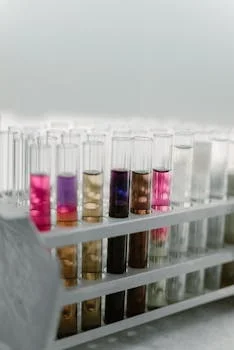
While waste stabilization ponds are commonly employed for domestic wastewater treatment in Mendoza, they are largely ineffective for hospital effluent due to its high pathogen loads and complex chemical composition. These conventional systems require extensive land area, offer poor removal efficiency for pharmaceuticals and antibiotic residues, and struggle with the fluctuating flow rates typical of hospital operations.
Modern solutions for hospital wastewater in Mendoza often involve advanced biological and physical-chemical processes. MBR systems for hospital wastewater treatment in Mendoza, for example, combine activated sludge biological treatment with membrane filtration. These systems achieve 92–97% COD removal and over 99% pathogen removal, producing high-quality effluent suitable for discharge or even reuse. MBRs require up to 60% less footprint than conventional activated sludge systems, making them ideal for urban hospitals with limited space. The membrane barrier effectively retains bacteria, viruses, and suspended solids, leading to superior effluent quality. However, they require careful pre-treatment to prevent membrane fouling.
For robust disinfection, chlorine dioxide generators for hospital effluent disinfection are highly effective. Chlorine dioxide (ClO₂) provides a 99.9% microbial kill rate, effectively neutralizing bacteria, viruses, and protozoa, including antibiotic-resistant strains. Unlike chlorine, ClO₂ does not react with organic matter to form harmful trihalomethanes (THMs) and leaves minimal chemical residuals, aligning with WHO guidelines for safe disinfection. Typical dosing requirements for hospital wastewater range from 0.5–2 mg/L ClO₂ with a contact time of 30–60 minutes, depending on the influent quality and desired effluent standards.
DAF systems for pre-treatment of hospital wastewater are highly effective for removing Total Suspended Solids (TSS), fats, oils, grease (FOG), and certain pharmaceuticals through flotation. DAF systems inject fine air bubbles into the wastewater under pressure (typically 4–6 bar), causing suspended particles to float to the surface for skimming. They can achieve 90–95% TSS removal and are particularly beneficial as a pre-treatment step to reduce the load on downstream biological or membrane processes. Operating parameters often include a 10–15% recycle ratio to ensure efficient bubble generation and particle attachment.
| Technology | Key Benefits for Hospitals | Typical Removal Efficiency (COD/Pathogens) | Footprint | Estimated CAPEX (USD) | Estimated CAPEX (ARS) |
|---|---|---|---|---|---|
| MBR System | High effluent quality, pathogen removal, compact | 92-97% COD, >99% pathogens | Small (60% less than conventional) | $80,000 – $250,000 | ARS 10M – 30M |
| Chlorine Dioxide Generator | Effective disinfection, no harmful byproducts, targets antibiotic-resistant bacteria | >99.9% microbial kill rate | Very Small | $15,000 – $50,000 | ARS 2M – 6M |
| DAF System | Excellent TSS, FOG, and pharmaceutical removal (pre-treatment) | 90-95% TSS, significant FOG/pharmaceuticals | Medium | $30,000 – $120,000 | ARS 4M – 15M |
Equipment Selection Checklist: Matching Technology to Your Hospital’s Needs
Selecting the appropriate wastewater treatment technology for a hospital in Mendoza requires a systematic approach that considers influent characteristics, regulatory requirements, site constraints, and financial parameters. An effective equipment selection process ensures optimal performance, compliance, and cost-efficiency.
Step 1: Assess Influent Quality. Begin by characterizing your hospital's raw wastewater. This involves measuring key parameters such as Biochemical Oxygen Demand (BOD), Chemical Oxygen Demand (COD), Total Suspended Solids (TSS), pH, temperature, and microbiological indicators like fecal coliforms and specific pathogens. Understanding the baseline contaminant profile is crucial for designing an effective treatment train.
Step 2: Determine Discharge or Reuse Goals. Clearly define whether the treated effluent will be discharged to a municipal sewer, a natural waterway, or reused on-site. Mendoza’s reuse standards, particularly for irrigation, are significantly stricter than municipal sewer discharge limits. For example, irrigation reuse often requires turbidity below 2 NTU and no detectable E. coli, necessitating advanced tertiary treatment.
Step 3: Evaluate Space Constraints. Hospital sites, especially in urban areas, often have limited space for new infrastructure. Membrane Bioreactor (MBR) systems are known for their compact footprint, often requiring 60% less space than conventional activated sludge systems. Dissolved Air Flotation (DAF) systems also offer a relatively compact solution for pre-treatment, while traditional waste stabilization ponds demand extensive land area, making them unsuitable for most hospital settings.
Step 4: Budget Considerations. Analyze both Capital Expenditure (CAPEX) and Operational Expenditure (OPEX). MBR systems typically have a higher upfront CAPEX due to membrane costs but can offer lower OPEX in terms of sludge handling and overall operational footprint. Chlorine dioxide generators have moderate CAPEX and OPEX, primarily for chemical consumables. Consider the trade-offs between initial investment and long-term operating costs, including energy consumption, chemical usage, and maintenance.
Step 5: Local Supplier Support. The availability of reliable after-sales service and technical support is paramount, particularly for hospitals located in Mendoza’s more remote areas. Choose a supplier with a proven track record in the region, offering prompt maintenance, spare parts availability, and technical expertise to ensure continuous system operation and compliance.
| Scenario | Primary Challenge | Recommended Solution | Justification |
|---|---|---|---|
| High BOD (>500 mg/L) & Limited Space | Organic load, footprint | MBR System | High removal efficiency, compact design, superior effluent quality. |
| High FOG (>100 mg/L) & Pharmaceuticals | Pre-treatment, specific contaminant removal | DAF + Biological Treatment + ClO₂ | DAF for FOG/TSS, biological for organics, ClO₂ for disinfection. |
| Wastewater Reuse for Irrigation | Strict reuse standards (E. coli, turbidity) | MBR + UV Disinfection (or advanced ClO₂) | MBR provides high-quality effluent, UV ensures pathogen-free for reuse. |
| Compliance with Disinfection Regulations | Antibiotic-resistant bacteria, pathogens | Chlorine Dioxide Generator | Broad-spectrum disinfectant, effective against resistant strains, minimal byproducts. |
Cost Breakdown and ROI Calculator for Mendoza Hospitals
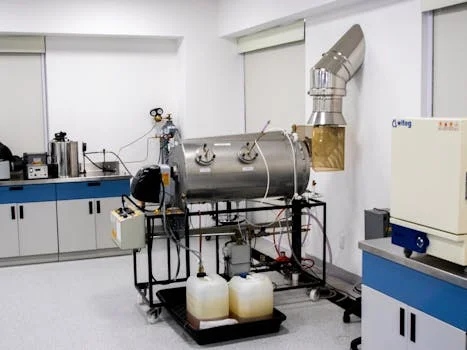
Understanding the financial implications of hospital wastewater treatment is essential for justifying investments and securing budgets in Mendoza. The costs are typically divided into Capital Expenditure (CAPEX) for equipment purchase and installation, and Operational Expenditure (OPEX) for ongoing maintenance and consumables.
CAPEX Breakdown (2025 ARS):
- MBR System: For a capacity of 10–50 m³/day, the CAPEX typically ranges from ARS 10M–30M. This includes the membrane modules, tanks, pumps, blowers, and control systems.
- Chlorine Dioxide Generator: Depending on the capacity (50–20,000 g/h), a ClO₂ generator can cost between ARS 2M–6M. This covers the generator unit, dosing pumps, and storage tanks for precursor chemicals.
- DAF System: For flow rates from 4–300 m³/h, a DAF system’s CAPEX is estimated at ARS 4M–15M, encompassing the flotation tank, air saturation system, pumps, and skimmers.
OPEX Breakdown (Annual 2025 ARS):
- MBR System: Annual operating costs for an MBR system are approximately ARS 1.5M–3M. This primarily covers energy for aeration and pumping, membrane cleaning chemicals, and membrane replacement, which typically occurs every 5–8 years.
- Chlorine Dioxide Generator: OPEX for a ClO₂ generator is about ARS 500K–1.2M annually, largely driven by the cost of precursor chemicals (sodium chlorite and hydrochloric acid), which are around ARS 150–200/kg.
- DAF System: Annual OPEX for a DAF system ranges from ARS 800K–2M. Key costs include energy for pumps and compressors, and the purchase of polymers for coagulation/flocculation, which can cost ARS 200–300/kg.
ROI Calculation: The Return on Investment (ROI) for hospital wastewater treatment in Mendoza is primarily driven by the avoidance of regulatory fines and potential water reuse savings. Considering fines of ARS 1M–5M per year for non-compliance, a well-designed treatment system can offer a significant payback. For an MBR system, the payback period through fines avoided typically ranges from 2–5 years. For a simpler chlorine dioxide system, the payback period can be as short as 1–3 years. Additionally, the ability to reuse treated water for non-potable purposes, such as irrigation or toilet flushing, can lead to substantial savings on municipal water bills, further enhancing ROI, especially in Mendoza’s water-scarce environment.
Funding Options: Mendoza’s Provincial Environmental Fund (Fondo Provincial del Medio Ambiente) occasionally offers grants for environmental projects, including hospital wastewater treatment upgrades. Hospitals may be eligible for grants covering up to 30% of project costs. Application processes typically involve submitting a detailed project proposal, environmental impact assessment, and cost breakdown to the provincial environmental authority.
| Component | CAPEX Range (ARS) | Annual OPEX Range (ARS) | Key Cost Drivers | Typical Payback Period (via fines avoided) |
|---|---|---|---|---|
| MBR System (10-50 m³/day) | ARS 10M – 30M | ARS 1.5M – 3M | Membranes, energy, maintenance | 2 – 5 years |
| ClO₂ Generator (50-20,000 g/h) | ARS 2M – 6M | ARS 500K – 1.2M | Chemicals, energy | 1 – 3 years |
| DAF System (4-300 m³/h) | ARS 4M – 15M | ARS 800K – 2M | Energy, polymers, maintenance | (Typically part of larger system ROI) |
| Potential Fines Avoided | N/A | ARS 1M – 5M | Non-compliance with Decree 1844/2019 | Immediate savings upon compliance |
Case Study: Upgrading Wastewater Treatment at a 300-Bed Hospital in Mendoza
A 300-bed hospital in the greater Mendoza area faced significant regulatory challenges due to its outdated wastewater treatment system, which was discharging approximately 120 m³/day of effluent directly to the municipal sewer. The untreated wastewater consistently showed high contaminant levels, including BOD of 600 mg/L, COD of 1,100 mg/L, and fecal coliform counts exceeding 10^7 CFU/100mL. These levels were in clear violation of Provincial Decree 1844/2019, resulting in cumulative fines that approached ARS 4M annually.
HydropureWater was contracted to design and implement an advanced treatment solution. The chosen solution involved a phased approach, starting with a DAF system for pre-treatment of hospital wastewater to remove fats, oils, grease, and suspended solids, followed by a MBR system for hospital wastewater treatment in Mendoza with a capacity of 50 m³/day (designed for modular expansion), and finally a chlorine dioxide generator for hospital effluent disinfection with a capacity of 1,000 g/h. The MBR system incorporated advanced PVDF membranes with a 0.1 μm pore size, ensuring high-quality filtration. The ClO₂ generator was selected for its effectiveness against antibiotic-resistant bacteria prevalent in hospital effluent.
Within six months of commissioning, the upgraded system consistently achieved remarkable results. The treated effluent now demonstrates BOD levels below 10 mg/L, COD below 50 mg/L, and fecal coliform counts reduced to less than 10 CFU/100mL. These parameters are well within the provincial discharge limits, bringing the hospital into full compliance and eliminating the risk of further fines. The total CAPEX for the project was ARS 22M, with an annual OPEX of approximately ARS 2.5M, primarily for energy, chemicals, and routine maintenance. The projected payback period, solely through avoided fines, was calculated at 3 years.
A key lesson learned from this project was the critical importance of robust pre-treatment to protect the sensitive MBR membranes. The initial DAF system proved invaluable in reducing the load of suspended solids and organic matter, thereby extending the lifespan of the MBR membranes and reducing cleaning frequency. A strict maintenance schedule, including daily checks and quarterly chemical cleanings of the membranes, was also established to ensure sustained optimal performance.
Frequently Asked Questions

Navigating the complexities of hospital wastewater treatment in Mendoza often raises common questions among facility managers and engineers. Here are concise answers to frequently asked inquiries:
What are the primary regulatory bodies governing hospital wastewater in Mendoza?
Hospital wastewater in Mendoza is primarily governed by Argentina's National Law 24.051 (Hazardous Waste Management) and Provincial Decree 1844/2019, which set specific discharge limits and treatment requirements for medical facilities.
Why is hospital wastewater considered different from domestic sewage?
Hospital wastewater contains a unique mix of contaminants, including pharmaceuticals, antibiotic-resistant bacteria, heavy metals, and pathogens like SARS-CoV-2, at concentrations significantly higher than typical domestic sewage, requiring specialized treatment.
Can treated hospital wastewater be reused in Mendoza?
Yes, treated hospital wastewater can be reused in Mendoza, primarily for non-potable purposes like irrigation, provided it meets stringent standards set by the Mendoza Water Authority, including very low turbidity and no detectable E. coli.
What are the typical costs for a modern hospital wastewater treatment system in Mendoza?
Capital expenditure for systems like MBR can range from ARS 10M–30M, while operational costs typically fall between ARS 1.5M–3M annually, depending on capacity and technology. Disinfection systems like ClO₂ generators cost ARS 2M–6M CAPEX.
How do MBR systems handle antibiotic-resistant bacteria?
MBR systems are highly effective against antibiotic-resistant bacteria due to their membrane filtration barrier, which physically removes bacteria and viruses, combined with biological degradation processes. This achieves over 99% pathogen removal.
What is the typical payback period for investing in hospital wastewater treatment in Mendoza?
The payback period for a new treatment system in Mendoza, primarily through avoided regulatory fines (ARS 1M–5M annually), can range from 1–5 years, depending on the system's complexity and the severity of prior non-compliance penalties.
Related Equipment
- compact medical wastewater treatment systems for small clinics — view specifications, capacity range, and technical data
Need a customized solution? Request a free quote with your specific flow rate and pollutant parameters.