Phuket hospitals must treat wastewater to Thai Ministry of Public Health standards (BOD ≤ 20 mg/L, COD ≤ 120 mg/L, fecal coliform ≤ 1,000 MPN/100mL) under the 2016 Water Quality Management Act. With tourist influxes exceeding 13 million annually and broken municipal plants (e.g., Patong’s non-operational sewer system), on-site treatment is critical. This guide provides 2025 engineering specs, compliance checklists, and cost comparisons for MBR, DAF, and chlorine dioxide systems tailored to Phuket’s infrastructure gaps.
Why Phuket Hospitals Need On-Site Wastewater Treatment in 2025
Phuket's municipal wastewater treatment infrastructure faces a significant deficit, with a capacity of 56.16 million m³/year against a demand of 64.37 million m³ in 2016, resulting in an 8.21 million m³ shortfall (ESCAP, 2016). This capacity gap has worsened with continued development and a robust tourism sector, which saw 13.3 million annual visitors in 2016, placing immense strain on aging and often non-functional systems. For instance, Patong’s sewer plant has been reported as broken, and Kamala lacks adequate wastewater treatment facilities entirely, leading to untreated sewage discharge into natural waterways (The Phuket News, 2025; Facebook, 2025).
The reliance on inadequate municipal infrastructure exposes hospitals to severe regulatory risks. Thai Ministry of Public Health (MoPH) regulations mandate strict effluent standards (BOD ≤ 20 mg/L, COD ≤ 120 mg/L), with non-compliance incurring fines up to 1 million THB and potential operational shutdowns. These stringent requirements, coupled with the unreliability of public systems, make on-site hospital wastewater treatment a non-negotiable necessity for compliance and public health protection. Effective on-site treatment not only mitigates financial penalties but also safeguards Phuket’s environment and reputation as a tourist destination.
Advanced on-site solutions, such as UV disinfection systems, have demonstrated high efficacy in medical wastewater disinfection in Thailand. A case study involving ULTRAAQUA UV technology for Thai hospital wastewater achieved a 99.9% pathogen removal rate, confirming the viability and effectiveness of localized treatment (ULTRAAQUA, 2023). Implementing robust on-site systems provides hospitals with direct control over their effluent quality, ensuring continuous compliance even amidst municipal infrastructure failures and the variability of tourist-season flow rates.
Phuket Hospital Wastewater Treatment Standards: 2025 Compliance Checklist
Phuket hospitals must adhere to specific effluent quality limits to comply with the Thai Ministry of Public Health (MoPH) 2016 Water Quality Management Act. Key parameters include a Biochemical Oxygen Demand (BOD) of ≤ 20 mg/L, Chemical Oxygen Demand (COD) of ≤ 120 mg/L, Total Suspended Solids (TSS) of ≤ 30 mg/L, and fecal coliform levels of ≤ 1,000 MPN/100mL (Thai MoPH, 2016). Meeting these stringent limits requires robust on-site treatment capabilities, especially given the high pollutant concentrations typical of hospital wastewater.
Disinfection is a critical component of medical wastewater treatment in Thailand, requiring either a chlorine residual of ≥ 1 mg/L or a UV dose of ≥ 40 mJ/cm² to ensure effective pathogen inactivation (WHO Guidelines for Drinking-water Quality, 2017). Beyond liquid effluent, sludge management is also regulated; dewatered sludge from hospital wastewater treatment must achieve a minimum of 20% dry solids before disposal, as specified by the Phuket Provincial Water Authority in 2023. Regular monitoring is mandated to ensure ongoing compliance, with daily testing for BOD/COD and weekly testing for pathogens (Thai Industrial Standards Institute TIS 2572-2554).
Non-compliance with these standards carries significant penalties, ranging from fines of 100,000 to 1 million THB, and in severe cases, operational shutdowns. A notable instance in 2023 involved a Phuket hospital facing a 30-day closure due to repeated wastewater discharge violations, underscoring the serious implications of inadequate treatment (Phuket Environmental Office, 2023). Adhering to this compliance checklist is essential for hospitals to avoid legal repercussions and maintain operational integrity.
| Parameter | Thai MoPH 2016 Standard (Effluent) | Monitoring Frequency (TIS 2572-2554) |
|---|---|---|
| Biochemical Oxygen Demand (BOD) | ≤ 20 mg/L | Daily |
| Chemical Oxygen Demand (COD) | ≤ 120 mg/L | Daily |
| Total Suspended Solids (TSS) | ≤ 30 mg/L | Weekly |
| Fecal Coliform | ≤ 1,000 MPN/100mL | Weekly |
| Chlorine Residual (if chlorinated) | ≥ 1 mg/L | Daily |
| UV Dose (if UV disinfected) | ≥ 40 mJ/cm² | Continuous/Daily Check |
| Dewatered Sludge Dry Solids | ≥ 20% (Phuket PWA 2023) | Monthly |
Engineering Specifications for Hospital Wastewater Treatment Systems in Phuket
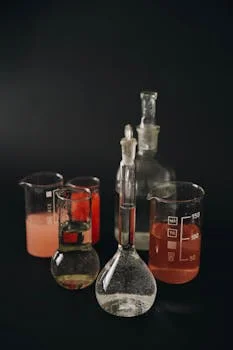
Hospital wastewater in Phuket typically exhibits high pollutant concentrations, with Biochemical Oxygen Demand (BOD) ranging from 200–500 mg/L, Chemical Oxygen Demand (COD) from 400–1,200 mg/L, and Total Suspended Solids (TSS) from 150–400 mg/L (Phuket Environmental Office, 2024). To consistently meet Thai MoPH effluent standards (BOD ≤ 20 mg/L, COD ≤ 120 mg/L, TSS ≤ 30 mg/L), treatment systems must achieve significant removal efficiencies: BOD removal ≥ 90%, COD removal ≥ 85%, and TSS removal ≥ 95%. These targets are crucial for preventing environmental contamination and avoiding regulatory fines.
Flow rate considerations are paramount for designing appropriately sized systems, varying significantly based on facility type and size. Small clinics typically generate 5–20 m³/day, medium hospitals 50–200 m³/day, and large hospitals can produce 300–1,000 m³/day. These flow rates can also fluctuate with tourist seasons, requiring systems with inherent flexibility or buffer capacity. For biological treatment stages, such as Activated Sludge or MBR systems, optimal process parameters include a Hydraulic Retention Time (HRT) of 6–12 hours, a Sludge Retention Time (SRT) of 10–20 days, and a Mixed Liquor Suspended Solids (MLSS) concentration of 3,000–5,000 mg/L. These parameters ensure effective degradation of organic pollutants.
Disinfection performance is another critical engineering specification for medical wastewater disinfection in Thailand. UV systems are designed to achieve a 99.9% pathogen kill rate at a minimum UV dose of 40 mJ/cm². For chemical disinfection, chlorine dioxide systems are engineered to maintain a residual of 1–2 mg/L for a contact time of at least 30 minutes, effectively inactivating a broad spectrum of microorganisms. HydropureWater offers advanced MBR systems for hospital wastewater in Phuket and compact ozone disinfection systems for Phuket clinics, engineered to meet these precise specifications and local conditions.
| Parameter | Typical Raw Hospital Wastewater (Phuket, 2024) | Required Removal Efficiency (to meet MoPH) | Target Effluent Quality (MoPH 2016) |
|---|---|---|---|
| BOD | 200–500 mg/L | ≥ 90% | ≤ 20 mg/L |
| COD | 400–1,200 mg/L | ≥ 85% | ≤ 120 mg/L |
| TSS | 150–400 mg/L | ≥ 95% | ≤ 30 mg/L |
| Fecal Coliform | 10^5–10^7 MPN/100mL | > 99.9% | ≤ 1,000 MPN/100mL |
Hospital Wastewater Treatment Equipment for Phuket: MBR vs. DAF vs. Chlorine Dioxide Systems
Selecting the optimal wastewater treatment equipment for Phuket hospitals requires a careful evaluation of performance, footprint, capital expenditure (capex), and operational expenditure (opex) relative to local conditions. Membrane Bioreactor (MBR) systems are highly effective, producing near-reuse quality effluent with TSS typically below 1 mg/L. Their compact design offers a 60% smaller footprint compared to conventional activated sludge systems, making them ideal for space-constrained urban hospitals. However, MBR systems generally have higher capex, ranging from 3.5–5 million THB for a 50 m³/day capacity, and higher energy consumption at 0.8–1.2 kWh/m³ due to membrane aeration and filtration (HydropureWater field data, 2025).
Dissolved Air Flotation (DAF) systems are particularly well-suited for DAF systems for high-TSS hospital wastewater in Phuket, effectively removing high concentrations of Total Suspended Solids (TSS) and Fats, Oils, and Grease (FOG) with removal efficiencies often exceeding 95%. DAF systems offer a lower initial capex, typically 1.5–2.5 million THB for a 50 m³/day unit. A trade-off is the continuous requirement for chemical dosing (e.g., flocculants at 50–100 mg/L), which contributes to ongoing opex. This makes DAF a cost-effective choice for facilities with significant particulate and colloidal waste streams.
For medical wastewater disinfection in Thailand, on-site chlorine dioxide generators for Phuket hospitals offer a safe and efficient solution. These systems generate chlorine dioxide (ClO₂) on-site at capacities ranging from 50–20,000 g/h, eliminating the hazards and logistics associated with storing bulk chlorine. While ClO₂ systems have lower capex (0.8–1.5 million THB), their opex can be higher due to chemical costs (0.1–0.3 THB/m³) and the need for continuous residual monitoring. Chlorine dioxide is particularly useful for remote clinics or as a final disinfection step where pathogen removal is critical. For instance, a Phuket hospital that implemented an MBR system in 2023 successfully reduced its BOD from 450 mg/L to 12 mg/L, resulting in estimated annual savings of 800,000 THB in potential fines (HydropureWater case study, 2023).
| System Type | Key Advantages | Key Disadvantages | Typical Capex (50 m³/day) | Typical Opex (per m³) | Ideal Use Case in Phuket |
|---|---|---|---|---|---|
| MBR (Membrane Bioreactor) | Near-reuse quality effluent (TSS < 1 mg/L), 60% smaller footprint, high BOD/COD removal | Higher capex, higher energy use (0.8–1.2 kWh/m³), membrane fouling potential | 3.5–5 million THB | 1.2–1.8 THB | Space-constrained hospitals, high effluent quality demands, potential for water reuse |
| DAF (Dissolved Air Flotation) | Excellent for high TSS/FOG loads (removal ≥ 95%), lower capex, robust pre-treatment | Requires chemical dosing (flocculants 50–100 mg/L), sludge management, not a complete treatment system | 1.5–2.5 million THB | 0.8–1.2 THB | Hospitals with significant solid waste, FOG, or as a pre-treatment stage |
| Chlorine Dioxide (ClO₂) | On-site generation (50–20,000 g/h), no storage hazards, broad-spectrum disinfection | Higher opex for chemicals, requires residual monitoring, primarily disinfection, not primary treatment | 0.8–1.5 million THB | 0.5–0.8 THB | Remote clinics, final disinfection for small to medium flow rates, emergency backup |
Cost Breakdown: Hospital Wastewater Treatment in Phuket (2025 Data)

Understanding the full cost implications of hospital wastewater treatment in Phuket is critical for budgeting and investment justification. Capital expenditure (capex) varies significantly by technology and capacity. For a 50 m³/day system, MBR systems typically range from 3.5–5 million THB, DAF systems from 1.5–2.5 million THB, and chlorine dioxide generators from 0.8–1.5 million THB (HydropureWater, 2025). These figures represent the initial investment in equipment, installation, and commissioning.
Operational expenditure (opex) is a recurring cost that includes energy, chemicals, labor, and sludge disposal. Per cubic meter of treated wastewater, MBR systems typically incur 1.2–1.8 THB, DAF systems 0.8–1.2 THB, and chlorine dioxide systems 0.5–0.8 THB. Phuket-specific costs heavily influence these figures: electricity averages 4.5 THB/kWh, labor for a dedicated operator is approximately 30,000 THB/month, and sludge disposal costs around 2,000 THB/ton (Phuket Environmental Office, 2025). These local cost factors must be integrated into any financial model.
The Return on Investment (ROI) for advanced hospital wastewater treatment in Phuket is compelling, driven primarily by the avoidance of substantial regulatory fines. With potential fines for non-compliance reaching 800,000 THB per year, MBR systems often demonstrate a payback period of 3–5 years. the Thai government offers financial incentives, including grants of up to 50% of capex for hospitals with fewer than 100 beds, and low-interest loans through programs like the Bank of Thailand Green Credit Program, which can significantly reduce the financial burden of initial investment (Bank of Thailand, 2025).
| Cost Category | MBR (50 m³/day) | DAF (50 m³/day) | Chlorine Dioxide (50 m³/day) |
|---|---|---|---|
| Capex Range | 3.5–5 million THB | 1.5–2.5 million THB | 0.8–1.5 million THB |
| Opex per m³ (Estimated) | 1.2–1.8 THB | 0.8–1.2 THB | 0.5–0.8 THB |
| Phuket Electricity Cost (per kWh) | 4.5 THB | ||
| Phuket Labor Cost (per month) | 30,000 THB (for operator) | ||
| Phuket Sludge Disposal Cost (per ton) | 2,000 THB | ||
| Estimated ROI (vs. fines) | 3–5 years | 2–4 years | 1–3 years (if primary issue is disinfection) |
How to Select a Wastewater Treatment Supplier for Phuket Hospitals: Decision Framework
Selecting a reliable wastewater treatment supplier for Phuket hospitals requires a structured evaluation process that prioritizes compliance, local support, and proven performance. A critical first step is to verify the supplier's credentials, ensuring they hold ISO 14001 certification for environmental management and possess a demonstrable track record of compliance with Thai MoPH standards. Crucially, the supplier must have a local service team based in Phuket to ensure rapid response and maintenance, which is vital for uninterrupted operation (HydropureWater, 2025).
Several red flags should prompt caution: a lack of specific case studies in Thailand, vague effluent quality guarantees, or the absence of clear after-sales support agreements. To verify compliance claims, prospective buyers should request third-party laboratory reports from similar hospital projects, specifically detailing BOD/COD removal rates and disinfection efficacy. This provides objective evidence of the system's ability to meet local regulatory requirements. For detailed engineering specs for medical wastewater systems, these reports offer invaluable insights.
Local support is non-negotiable, particularly given Phuket’s monsoon season and potential for infrastructure disruptions. Suppliers must offer 24/7 emergency response capabilities and maintain a readily available inventory of spare parts within Thailand to minimize downtime. A simplified decision tree can guide initial selection: small clinics (5–20 m³/day) are often best served by compact chlorine dioxide systems, medium hospitals (50–200 m³/day) may find DAF systems cost-effective for high solids, while large hospitals (300–1,000 m³/day) or those with severe space constraints benefit most from advanced MBR systems. This framework, combined with rigorous supplier vetting, ensures a sustainable and compliant wastewater treatment solution for Phuket hospitals.
Frequently Asked Questions
What are the fines for non-compliance with Phuket’s hospital wastewater standards?
Fines for non-compliance range from 100,000 to 1 million THB, with potential 30-day operational shutdowns, as per 2023 Phuket Environmental Office data.
Can Phuket hospitals discharge treated wastewater into the municipal sewer system?
Only if the effluent meets MoPH standards (BOD ≤ 20 mg/L, COD ≤ 120 mg/L). Most hospitals require on-site treatment due to the unreliability and capacity issues of municipal plants.
What is the best wastewater treatment system for a small clinic in Phuket?
Chlorine dioxide systems (e.g., HydropureWater) are ideal for clinics (5–20 m³/day), offering low capex (0.8–1.5 million THB) and minimal maintenance requirements.
How much does it cost to install an MBR system in a Phuket hospital?
The capital expenditure (capex) for a 50 m³/day MBR system typically ranges from 3.5–5 million THB, with operational expenditure (opex) of 1.2–1.8 THB/m³ (2025 data). ROI is often 3–5 years via fine avoidance.
Are there government grants for hospital wastewater treatment in Phuket?
Yes, the Thai government offers up to 50% capex grants for hospitals with fewer than 100 beds, accessible through programs like the 2025 Bank of Thailand Green Credit Program.