Hospital Wastewater Treatment in Hawalli 2025: Engineering Specs, Kuwait Compliance & Cost-Effective Equipment Guide
Hospital wastewater in Hawalli, Kuwait, requires treatment to meet KEPA’s stringent effluent standards (e.g., COD < 125 mg/L, BOD < 25 mg/L, fecal coliform < 1,000 CFU/100mL). Local influent data from slaughterhouse studies (TSS: 800–1,200 mg/L, COD: 1,500–2,500 mg/L) suggest hospital effluent may exceed these limits by 3–5×, necessitating advanced treatment. This guide provides 2025 engineering specs, compliance requirements, and cost-effective equipment options for 99%+ pathogen removal in Hawalli’s arid climate.
For a facility manager at a major Hawalli healthcare center, the pressure of a Kuwait Environmental Public Authority (KEPA) audit is a constant reality. Unlike municipal sewage, hospital effluent carries a complex load of pharmaceuticals, radionuclides, and multidrug-resistant pathogens that cannot be effectively managed by the overextended Hawalli sewage treatment plant capacity. Failure to comply with the Environmental Protection Law No. 42 of 2014 often results in heavy penalties, making on-site treatment not just a regulatory necessity but a financial safeguard.
Why Hospital Wastewater Treatment in Hawalli Demands Specialized Solutions
Hawalli’s arid climate reduces natural dilution in local receiving bodies, which significantly increases the toxicity risk of untreated hospital effluent according to KEPA 2023 guidelines. In Kuwait’s high-temperature environment, biological activity in untreated sewage accelerates, leading to rapid oxygen depletion and the proliferation of hazardous odors in urban areas. This is compounded by the fact that hospital wastewater in Kuwait contains 3–10× higher antibiotic residues and pathogens than municipal sewage (per Oman STP study), requiring more robust oxidation and disinfection than standard domestic systems.
KEPA’s 2025 effluent standards for healthcare facilities are among the most rigorous in the GCC, mandating COD < 125 mg/L, BOD < 25 mg/L, and fecal coliform < 1,000 CFU/100mL. These standards are designed to protect Kuwait's limited groundwater and marine ecosystems from pharmaceutical contamination. To understand the impact of these regulations, facility managers should evaluate how COD/BOD ratios affect hospital wastewater treatment in Hawalli, as the high concentration of non-biodegradable medical compounds often skews traditional treatment calculations.
A case example from 2023 involved a large hospital in Hawalli (name redacted) that faced significant KEPA fines after an audit revealed effluent exceeding heavy metal limits, specifically Chromium (Cr) and Mercury (Hg), which were traced back to laboratory and oncology wing discharges. This incident underscored the necessity of specialized pretreatment and tertiary stages that standard municipal connections simply do not provide. For engineers, this means designing systems that can handle fluctuating hydraulic loads while maintaining 99.9% pathogen inactivation under Hawalli’s 45°C+ summer conditions.
Hawalli Hospital Wastewater Characteristics: Influent vs. KEPA Effluent Limits
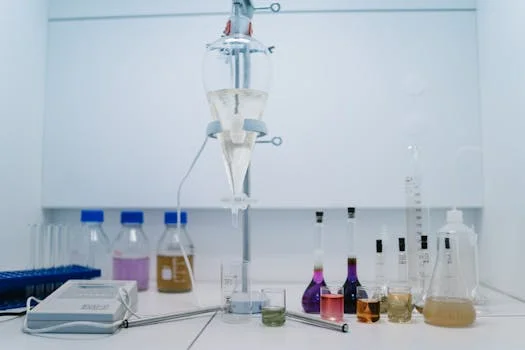
Accurate characterization of influent is the first step for any Hawalli-based engineer assessing treatment needs against Kuwaiti law. Hospital wastewater is notoriously heterogeneous, featuring high concentrations of Total Suspended Solids (TSS) and Chemical Oxygen Demand (COD) due to the presence of blood, disinfectants, and laboratory reagents. Data adapted from local Hawalli industrial studies and regional hospital benchmarks suggest that influent parameters often dwarf the allowable discharge limits set by KEPA.
| Parameter | Hawalli Hospital Influent (Estimated) | KEPA Effluent Limit (2025) | Treatment Requirement |
|---|---|---|---|
| COD (mg/L) | 1,500 – 2,500 | < 125 | 92 – 95% Removal |
| BOD (mg/L) | 600 – 1,000 | < 25 | 96 – 98% Removal |
| TSS (mg/L) | 800 – 1,200 | < 35 | 97%+ Removal |
| Oil & Grease (mg/L) | 50 – 150 | < 5 | Advanced Separation |
| Fecal Coliform (CFU/100mL) | 10^6 – 10^8 | < 1,000 | 4-Log Reduction |
| pH | 6.5 – 8.5 | 6.5 – 8.5 | Neutralization |
| Mercury (Hg) (mg/L) | 0.01 – 0.05 | < 0.001 | Specific Adsorption |
Beyond standard parameters, heavy metals such as Lead (0.2–1.0 mg/L) and Chromium (0.1–0.5 mg/L) are frequently detected in Kuwaiti hospital streams. research from Lebanon suggests that cytotoxic drug residues, such as 5-Fluorouracil (5-FU), are resistant to conventional activated sludge processes. In the Hawalli context, where water scarcity drives interest in MBR systems for Hawalli hospitals with water reuse potential, these persistent organic pollutants must be addressed through tertiary treatment like advanced oxidation or high-efficiency membrane filtration.
Kuwait’s KEPA Standards for Hospital Wastewater: 2025 Compliance Checklist
KEPA’s Urban Wastewater Treatment Directive (2025) imposes a structured compliance path for healthcare providers. Facility managers must ensure their onsite systems follow a multi-stage protocol to avoid legal repercussions. The following checklist outlines the essential engineering components required for a KEPA-compliant installation in Hawalli.
- Primary Treatment: Must include a rotary mechanical bar screen for removing medical debris (6–10 mm), grit removal chambers, and an equalization tank with a minimum 4-hour retention time to buffer peak flows from morning ward rounds.
- Secondary Treatment: Biological processes such as activated sludge or Membrane Bioreactors (MBR) are required to achieve ≥90% BOD/COD removal. In Hawalli, these systems must be designed to withstand high ambient temperatures which can affect dissolved oxygen levels.
- Tertiary Treatment: Advanced disinfection is mandatory. KEPA requires a 99.9% pathogen kill rate. Options include UV sterilization, ozone, or chlorine dioxide disinfection for Hawalli hospital effluent, which is often preferred for its residual effect in Kuwait’s warm distribution pipes.
- Sludge Management: All sludge must be dewatered using a filter press or centrifuge to reduce volume before transport to KEPA-approved landfills. On-site drying beds are generally discouraged in Hawalli due to odor concerns in residential vicinities.
- Continuous Monitoring: Installations must feature online sensors for pH, TSS, and COD. Weekly laboratory verification for heavy metals and coliforms is standard for hospitals with more than 100 beds.
Penalties for non-compliance are severe. According to the KEPA 2023 enforcement report, fines can reach up to KWD 10,000 per violation, with the authority holding the power to order facility shutdowns for repeated negligence. This regulatory environment makes the selection of high-reliability equipment a critical procurement decision.
Treatment Technologies for Hawalli Hospitals: Performance, Costs & Footprint
Selecting the right technology for hospital wastewater treatment in Hawalli requires balancing performance against local constraints such as limited land area and extreme heat. While traditional Activated Sludge Processes (ASP) are common, newer technologies like Membrane Bioreactors (MBR) are gaining traction due to their small footprint and superior effluent quality.
| Technology | COD/BOD Removal | Pathogen Kill | Footprint | Capex (KWD/m³) | Opex (KWD/m³/yr) |
|---|---|---|---|---|---|
| Activated Sludge (ASP) | 85–92% | 99% (w/ ClO₂) | High (15 m²) | 1,200 – 1,800 | 0.8 – 1.2 |
| Membrane Bioreactor (MBR) | 95–99% | 99.99% | Low (7 m²) | 2,000 – 3,000 | 1.5 – 2.5 |
| Constructed Wetland | 70–85% | 90–95% | V. High (40 m²) | 800 – 1,500 | 0.3 – 0.5 |
| DAF + Disinfection | 60–75% | 99% | Medium (12 m²) | 1,500 – 2,200 | 1.0 – 1.5 |
For hospitals with large canteen facilities, a DAF system for high-FOG wastewater is often necessary as a pretreatment step to prevent grease from fouling biological reactors. In Hawalli, MBR and ASP systems typically require supplemental cooling or specialized aeration during the summer months to maintain biological health, which can increase Opex by 15–20%. Despite the higher cost, MBR is often the preferred choice for new Hawalli developments because the effluent meets Sharjah’s and Kuwait's high standards for non-potable reuse, such as landscape irrigation.
Step-by-Step Equipment Selection for Hawalli Hospitals
Engineering teams in Hawalli should follow a rigorous decision framework when selecting wastewater equipment. The primary drivers are hydraulic flow rate, available space, and the specific effluent goals (discharge vs. reuse).
- Step 1: Assess Flow Rate: For small clinics discharging <10 m³/day, a compact medical wastewater treatment system for Hawalli clinics is the most efficient choice. For larger hospitals (>50 m³/day), integrated MBR or ASP plants are required.
- Step 2: Evaluate Space: In densely populated areas of Hawalli, an underground sewage treatment for Hawalli hospitals with space constraints allows the surface to be used for parking or green space while minimizing noise and odor.
- Step 3: Define Reuse Goals: If the hospital intends to use treated water for cooling towers or irrigation, MBR is non-negotiable due to its ability to produce water with TSS < 1 mg/L and turbidity < 0.5 NTU.
Case Study: Hawalli General Hospital
In 2024, Hawalli General Hospital implemented a 50 m³/day MBR system to replace an aging activated sludge plant. The hospital faced space constraints and a mandate to reduce municipal water consumption. By selecting an MBR system, they achieved COD levels < 50 mg/L and BOD < 10 mg/L, allowing 100% of the effluent to be reused for site landscaping. The total Capex was approximately 125,000 KWD, with an estimated Opex of 3,500 KWD per year, including membrane replacements every five years. This transition not only ensured KEPA compliance but also saved the facility over 4,000 KWD annually in water utility costs.
Disinfection Strategies for Hawalli: Chlorine Dioxide vs. UV vs. Ozone

Disinfection is the most critical stage for hospital wastewater treatment in Hawalli to ensure the elimination of pathogens and antibiotic-resistant bacteria. Each method has specific trade-offs regarding cost and efficacy in Kuwait's unique environmental conditions.
| Method | Pathogen Kill | Residual Effect | Capex (KWD) | Opex (KWD/m³) | KEPA Status |
|---|---|---|---|---|---|
| Chlorine Dioxide (ClO₂) | 99.99% | High (30+ days) | 20,000 – 50,000 | 0.1 – 0.3 | Approved |
| UV Irradiation | 99.9% | None | 15,000 – 40,000 | 0.05 – 0.15 | Approved* |
| Ozone (O₃) | 99.99% | None | 30,000 – 70,000 | 0.2 – 0.5 | Approved |
*UV requires pre-filtration to TSS < 10 mg/L to prevent "shadowing" where particles protect microbes from light.
In Hawalli, Chlorine Dioxide (ClO₂) is frequently recommended because it maintains a disinfectant residual throughout the storage and irrigation system, preventing microbial regrowth in Kuwait’s heat. Unlike standard chlorine, it does not produce harmful trihalomethanes (THMs) in the presence of organic matter. Ozone is highly effective for breaking down complex pharmaceutical residues but carries the risk of bromate formation—a carcinogen—if the source water has high bromide levels, which is common in Kuwait’s brackish groundwater-influenced streams.
Cost Breakdown: Hospital Wastewater Treatment in Hawalli (2025)
Budgeting for a wastewater project in Hawalli requires a comprehensive view of the total cost of ownership. Beyond the initial equipment purchase, facility managers must account for permitting, specialized labor, and ongoing maintenance in a corrosive, high-temperature environment.
| System Type (Capacity) | Capex (KWD) | Opex (KWD/yr) | Lifespan | KEPA Compliance |
|---|---|---|---|---|
| Compact medical wastewater system (10 m³/day) | 30,000 | 2,000 | 10 Years | Full |
| WSZ Series (30 m³/day) | 80,000 | 5,000 | 15 Years | Full |
| MBR System (50 m³/day) | 120,000 | 8,000 | 20 Years | Full (Reuse) |
Additional Costs to Consider:
- KEPA Permitting & Consultancy: 5,000 – 10,000 KWD (one-time fee for environmental impact assessment and permit filing).
- Sludge Disposal: 200 – 500 KWD/year for transport to approved facilities.
- Labor: A dedicated operator is recommended for systems >30 m³/day, costing approximately 18,000 – 22,000 KWD/year.
The Return on Investment (ROI) for advanced systems like MBR is typically realized within 5 to 7 years. This is achieved through the elimination of KEPA non-compliance fines and significant savings on the purchase of municipal water for landscaping and cooling tower makeup.
Frequently Asked Questions
Q: What are KEPA’s penalties for non-compliance with hospital wastewater standards?
A: KEPA can impose fines up to KWD 10,000 per violation and has the authority to order facility shutdowns for repeated non-compliance. In 2023, three Hawalli hospitals were sanctioned for exceeding heavy metal limits, specifically Chromium and Mercury.
Q: Can hospital wastewater in Hawalli be reused for irrigation or cooling towers?
A: Yes, but it must undergo tertiary treatment (typically MBR or Reverse Osmosis) to meet KEPA’s reuse standards, which include TSS < 1 mg/L and fecal coliform < 10 CFU/100mL. Chlorine dioxide is the recommended disinfection method for reuse to prevent bacterial regrowth in irrigation lines.
Q: What’s the most cost-effective treatment technology for a small clinic (5 m³/day) in Hawalli?
A: The Medical Wastewater Treatment System is ideal for small clinics. It is a compact, fully automated unit using ozone disinfection. It typically costs around 25,000 KWD with a very small footprint of 0.5 m².
Q: How does Hawalli’s climate affect wastewater treatment system design?
A: High temperatures (45°C+) increase biological activity and evaporation. Systems must include cooling for MBR/ASP processes to maintain dissolved oxygen levels, and equipment should ideally be installed underground (using the WSZ Series) to protect sensitive components from direct solar heat.
Q: What are the key differences between hospital wastewater and municipal sewage in Hawalli?
A: Hospital wastewater contains significantly higher loads of pathogens, antibiotic residues, and heavy metals. While Hawalli municipal sewage (processed at Sulaibiya) has a COD of 500–800 mg/L, hospital influent can reach 2,500 mg/L, requiring much more intensive oxidation and filtration phases.