ClO2 disinfection system troubleshooting starts with matching a symptom to a measurable cause: low ClO₂ output, chemical leaks, or inconsistent dosing. On a ClO₂ generator rated at 500 g/h, expect 90–95% reaction efficiency when feedstock is dosed at a 1:1 NaClO₂:HCl ratio and the injector runs at 2–3 bar; if yield drops below 80%, recalibrate amperometric sensors on a 30-day cycle and verify feed pump delivery before assuming a reactor failure.
Low or No ClO₂ Gas Output
Low or no ClO₂ gas output from a generator is the most frequent field complaint on the ClO₂ generator. It usually traces back to chemical delivery, reactor function, or gas transport. Begin at the diaphragm pumps: confirm they are stroking and delivering the rated flow (1.2 L/h at 3 bar on a 500 g/h unit). Pumps that lose prime quietly are the first thing we check on cold-start calls. Then verify chemical stock.Inspect the reactor chamber for visible scaling; if feedwater hardness sits above 150 mg/L CaCO₃ for weeks at a time, scale can consume up to 40% of effective reaction volume. Finally, measure air pressure to the eductor. Anything below 2.5 psi will not pull a vacuum strong enough to move gas into the process line.
Chemical Leakage or Safety Valve Activation
A relief valve that lifts, or any liquid at the air intake pipe, is an overpressure or backflow event that needs to be stopped, not studied. The safety valve on this class of generator opens around 5 psi; reaching that point almost always means backpressure in the dosing line or a clogged injector nozzle. If liquid is pooling at the air intake, the internal check valve has likely failed. Replace it on a 12-month schedule, or after 500 operating hours, whichever comes first. Walk the peroxide-grade tubing run looking for cracks, discoloration, or stiff sections; UV exposure and any spot above 50°C will shorten tubing life well inside the 6–12 month replacement window. Confirm the containment sump is clean and sized to hold 110% of the largest tank, as called for under EPA SPCC Rule requirements for the automatic chemical dosing system installation.
Inconsistent Dosing and Poor Disinfection Performance
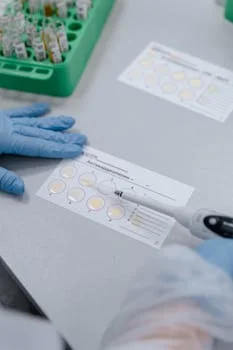
Inconsistent ClO₂ residuals are the symptom operators notice first, and they point at one of three places: the dose, the sensor, or the water. The post-contact target is 0.2–0.8 mg/L; readings under 0.1 mg/L mean the water is consuming ClO₂ faster than it is being added, or the sensor has walked off zero. Check the PLC loop: dose should track incoming flow via a 4–20 mA signal from an electromagnetic flow meter with at least ±0.5% accuracy, which is the foundation of real-time control and cost savings in a ClO₂ system. Amperometric ClO₂ sensors drift; bench-check them against an NIST-traceable standard every 30 days. On the water side, turbidity above 5 NTU or iron above 0.3 mg/L will chew through ClO₂ demand before it reaches the contact basin.
| Symptom | Probable Cause | Corrective Action | Operational Threshold / Data Point |
|---|---|---|---|
| Low ClO₂ Residual (<0.1 mg/L) | Under-dosing, high organic load, sensor drift | Increase dose, check influent COD, recalibrate sensor | Target residual: 0.2–0.8 mg/L |
| Fluctuating ClO₂ Output | Inconsistent chemical feed, flow meter error, pump cavitation | Inspect feed pumps, verify flow meter signal (4-20 mA), de-aerate pumps | Flow meter accuracy: ±0.5% |
| High ClO₂ Residual (>0.8 mg/L) | Over-dosing, low organic load, sensor drift | Reduce dose, check influent COD, recalibrate sensor | Max WHO guideline: 0.8 mg/L |
| System Alarms (e.g., 'Low Flow') | Clogged lines, pump failure, sensor fault | Clear blockages, inspect pump, check sensor wiring | Pump flow rate: e.g., 1.2 L/h @ 3 bar |
Scale and Fouling in Reactor or Dosing Lines
Hard water is the silent killer of ClO₂ reactor uptime. Where feedwater hardness runs above 100 mg/L CaCO₃, a 10% citric acid flush every 90 days, held for 2 hours at 0.5 bar, will dissolve mineral deposits before they harden into a reactor-killing layer. On sites where hardness holds above 150 mg/L, an inline water softener upstream of the generator cuts scaling potential by up to 70%, which on most plants we size pays for itself inside one maintenance cycle. For groundwater sources with high mineral content, dose a polyphosphate scale inhibitor at 2–5 mg/L into the chemical feed tank. Inspect the eductor nozzle monthly; limestone buildup there alone can cut gas draw efficiency by as much as 60%. Where pretreatment space allows, upstream multi-media filtration removes the particles that seed scaling in the first place.
Control System and Automation Failures
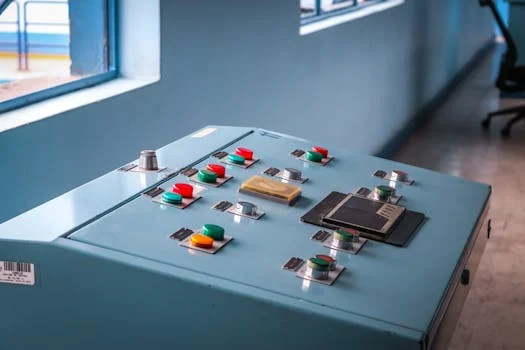
Control faults often look mechanical but are really electrical or programming issues. Check 4–20 mA loop integrity between the flow meter and the dosing controller; a voltage drop over 0.1 V across the loop usually means a corroded terminal, a broken shield, or a failing sensor power supply. Pull the PLC alarm log before walking the plant. 'Feed Pump Timeout' (5 minutes of no flow) and 'Low Level Switch Active' (empty chemical tank) are the two codes that explain most nuisance trips on the platform. The HMI should refresh every 5 seconds; lag past that points to network congestion or a failing SD card holding the controller's program and trend logs. Hold firmware at version 2.1 or higher for stable Modbus RTU SCADA communications, which is the baseline for the alarm management and SCADA integration most plants now require.
Troubleshooting Parameter Reference Table
The numbers below are the working tolerances used by field technicians to triage a generator in under fifteen minutes. If a reading sits outside these bands, walk the corresponding section of this guide before changing parts.
| Parameter | Standard Operating Value / Interval | Notes / Compliance |
|---|---|---|
| Reactor Pressure | 2–3 bar (29–43.5 psi) | Ensures optimal reaction kinetics |
| Feed Pump Rate | Varies by model (e.g., 1.2 L/h for 500 g/h unit) | Maintain 1:1 NaClO₂:HCl ratio by volume |
| Reaction Efficiency | 90–95% | Calculated ClO₂ produced vs. theoretical yield |
| Injector Pressure | 2–3 bar | Critical for gas draw and dissolution |
| Eductor Air Pressure | 2.5–3.5 psi | Required for vacuum formation |
| Sensor Calibration Interval | 30 days | Amperometric ClO₂ sensors drift; use NIST-traceable standard |
| Tubing Replacement | 6–12 months | Peroxide-grade tubing degrades over time |
| Check Valve Replacement | 12 months or 500 operating hours | Prevents chemical backflow |
| Full System Inspection | Quarterly | Includes reactor, pumps, electrical, and safety checks |
| ClO₂ Residual Limit (EU) | 0.2 mg/L max | EU Drinking Water Directive 98/83/EC |
| ClO₂ Residual Limit (WHO) | 0.8 mg/L max | WHO Guidelines for Drinking-water Quality |
Adhering to these specifications keeps the chlorine dioxide generator within design yield and the treated stream inside its regulatory envelope.
Who This Guide Is For and What to Do Next
Use this guide if you operate or commission a ClO₂ generator from 100 g/h to multi-kilogram per hour scale, run a packaged drinking water plant, or troubleshoot a wastewater disinfection train where residuals keep drifting off target. If your problem is biofilm in a cooling tower or DBP control on a chlorine skid, the diagnosis flow here will only partly apply. Before you escalate, confirm four things: feed pump stroke, chemical concentration, eductor pressure, and sensor calibration date. Most repeat callouts we see come back to one of those four. For sizing, retrofit options, or a side-by-side comparison against your existing platform, send your flow and dose data through the link below.
Request a ClO₂ system sizing review and quote with your flow rate, target residual, and current maintenance log.
Frequently Asked Questions
What causes low ClO₂ residual in treated water?
Low ClO₂ residual in treated water almost always traces to one of four causes: an incorrect NaClO₂:HCl ratio (not 1:1), chemical stock that has dropped below 20% concentration or aged past six months, a high organic load in the influent consuming ClO₂ faster than it is being added, or an amperometric sensor that has drifted since its last 30-day calibration. Confirm the feed ratio first, then the chemical age, before touching the dose setpoint.
How often should ClO₂ generators be serviced?
ClO₂ generators should receive a basic operational inspection every three months and full preventative maintenance annually or after 2,000 operating hours, whichever comes first. The annual PM covers tubing replacement (6–12 months), check valve replacement (12 months or 500 hours), citric acid flushing where hardness exceeds 100 mg/L CaCO₃, and sensor recalibration. For healthcare wastewater systems, shorten the inspection interval to monthly because of the variable organic load.
Can ClO₂ systems handle variable flow rates?
Yes, ClO₂ systems handle variable flow rates when equipped with modulating chemical feed pumps and flow-proportional PLC control. The generators above 500 g/h are built around a 4–20 mA flow signal from an electromagnetic flow meter at ±0.5% accuracy, which lets the controller trim chemical feed to maintain the 0.2–0.8 mg/L residual band across normal diurnal swings.
Is chlorine dioxide safer than chlorine for disinfection?
Chlorine dioxide is generally considered safer than chlorine for disinfection because it forms far fewer regulated disinfection byproducts such as trihalomethanes (THMs) and haloacetic acids, with DBP formation typically reported up to 90% lower than equivalent chlorination. It also stays effective across a wider pH range, which is why many utilities are retrofitting it in place of chlorine on drinking water and reuse trains.
What residual ClO₂ limits apply to drinking water?
Drinking water ClO₂ residuals are capped at 0.2 mg/L under the EU Drinking Water Directive 98/83/EC and at 0.8 mg/L under the WHO Guidelines for Drinking-water Quality. Operators should target the lower end of the 0.2–0.8 mg/L band to leave headroom for both regulatory limits and for any demand spikes in the distribution system.