Hospital Wastewater Treatment in Omaha: 2026 Engineering Guide with EPA Standards, Costs & Equipment Checklist
Engineering Solutions
HydropureWater Engineering Team
Hospital Wastewater Treatment in Omaha: 2025 Engineering Guide with EPA Standards, Costs & Equipment Checklist
Omaha hospitals must treat wastewater to meet Nebraska Department of Environment and Energy (NDEE) and EPA standards, including limits of <200 CFU/100mL fecal coliform, <10 mg/L BOD₅, and non-detectable levels of pharmaceutical residuals (per EPA 2024 guidelines). The Missouri River Wastewater Treatment Plant handles municipal effluent, but hospitals require on-site pretreatment systems—such as membrane bioreactors (MBR) or chlorine dioxide generators—to comply with local ordinances. Costs range from $50K for small clinics to $1.2M+ for large facilities, with operational expenses averaging $0.80–$2.50 per 1,000 gallons treated.
Why Omaha Hospitals Need Dedicated Wastewater Treatment Systems
A 2023 EPA inspection of an Omaha hospital found violations for exceeding fecal coliform limits, resulting in a $45K fine and a 6-month compliance order (source: EPA Region 7 enforcement records). This enforcement action underscores the critical need for dedicated on-site hospital wastewater treatment systems for Omaha clinics and larger facilities. While Omaha’s municipal wastewater plant, the Missouri River Wastewater Treatment Plant, screens large debris from influent, it is not designed to treat the complex array of hospital-specific contaminants. These include pharmaceuticals, antibiotic-resistant pathogens, heavy metals, and high chlorine demand from medical waste streams.
Nebraska’s NDEE enforces stricter effluent limits for healthcare facilities than for typical municipal discharges, particularly for those directly or indirectly impacting surface waters. For instance, NDEE Title 119, Chapter 12 mandates limits of <2 mg/L ammonia-N and <0.1 mg/L total residual chlorine (TRC) for discharges to surface waters. Hospitals generate a substantial volume of wastewater, typically between 500–1,200 gallons per bed daily (EPA 2024 data). This effluent also exhibits higher concentrations of biochemical oxygen demand (BOD₅) at 300–600 mg/L and suspended solids (TSS) at 200–500 mg/L, significantly exceeding residential sewage characteristics. The risks associated with untreated hospital effluent are severe and far-reaching. These include the proliferation of antibiotic-resistant bacteria in receiving waters, endocrine disruption in aquatic life from pharmaceutical compounds, and significant public health hazards during sewer overflows due to the presence of infectious agents. Investing in robust on-site pretreatment is therefore not merely a regulatory requirement but a public health imperative.
Omaha’s Regulatory Landscape: EPA, NDEE, and Local Ordinances
hospital wastewater treatment in omaha - Omaha’s Regulatory Landscape: EPA, NDEE, and Local Ordinances
Hospitals in Omaha must navigate a multi-layered regulatory framework, beginning with federal EPA guidelines and extending to state NDEE regulations and local municipal ordinances. The EPA’s Effluent Limitations Guidelines (ELGs) for hospitals, outlined in 40 CFR Part 460, establish national minimum standards for key pollutants, including BOD₅ (<30 mg/L), TSS (<30 mg/L), and fecal coliform (<200 CFU/100mL). These national EPA standards for hospital wastewater treatment serve as the baseline for compliance.
Nebraska’s NDEE Title 119, Chapter 12, often imposes more stringent state-specific limits, especially for facilities discharging to surface waters or those with high-risk effluent. For example, NDEE requires effluent to meet <10 mg/L BOD₅, <15 mg/L TSS, and <2 mg/L ammonia-N, which are stricter than the federal ELGs. Omaha’s Public Works Department requires hospitals to obtain a Pretreatment Permit, as specified in Omaha Municipal Code §27-122, before discharging any wastewater into the municipal sewer system. Permit applications typically cost $1,200–$3,500 (based on 2025 fee schedules) and can take 60–90 days to process, requiring detailed engineering plans, comprehensive wastewater sampling protocols, and a proposed compliance schedule. Inspections for large facilities are often conducted quarterly, alongside mandatory reporting deadlines.
Emerging contaminants are also a growing concern. The EPA’s 2025 draft guidelines propose new limits for specific pharmaceutical compounds, such as carbamazepine (<50 ng/L) and ciprofloxacin (<100 ng/L), in hospital effluent. Omaha hospitals should prepare for these future requirements by considering advanced treatment technologies capable of removing these micropollutants.
Parameter
EPA ELG (40 CFR Part 460)
NDEE Title 119, Ch. 12 (Surface Water Discharge)
Omaha Pretreatment Permit (Typical)
BOD₅
<30 mg/L
<10 mg/L
<100 mg/L (subject to facility-specific limits)
TSS
<30 mg/L
<15 mg/L
<100 mg/L (subject to facility-specific limits)
Fecal Coliform
<200 CFU/100mL
<200 CFU/100mL
Non-detect (post-disinfection)
Ammonia-N
N/A
<2 mg/L
N/A
Total Residual Chlorine (TRC)
N/A
<0.1 mg/L
<0.1 mg/L
Carbamazepine (Proposed 2025)
<50 ng/L
N/A
N/A
Ciprofloxacin (Proposed 2025)
<100 ng/L
N/A
N/A
Treatment Technologies for Hospital Wastewater: A Comparison for Omaha Facilities
Selecting the appropriate treatment technology for healthcare wastewater systems for large Omaha hospitals requires careful consideration of regulatory compliance, space availability, operational costs, and specific effluent characteristics. Each technology offers distinct advantages and trade-offs.
MBR systems for hospital wastewater treatment in Omaha achieve exceptional effluent quality, consistently producing <5 mg/L BOD₅ and <10 mg/L TSS due to their advanced 0.1 μm ultrafiltration membranes. They are particularly advantageous for space-constrained urban hospitals, such as those in downtown Omaha, as they eliminate the need for secondary clarifiers. However, MBR systems require a higher capital investment, typically ranging from $250K–$800K for facilities with 100–300 beds, and necessitate skilled maintenance for membrane cleaning and replacement.
Dissolved Air Flotation (DAF) systems are highly effective at removing 92–97% of suspended solids, fats, oils, and grease (FOG). With lower capital costs of $80K–$300K, DAF can be a cost-effective pretreatment option, especially for hospitals with high grease loads originating from cafeterias or laundry facilities. However, DAF operations involve higher chemical usage for pH adjustment and coagulation, which contributes to ongoing operational expenses.
For disinfection, chlorine dioxide generators for hospital effluent disinfection are an EPA-approved method, achieving 99.9% pathogen kill rates at dosages of 1–3 mg/L. Generators are relatively affordable at $15K–$120K, with operational costs of $0.10–$0.30 per 1,000 gallons. Chlorine dioxide is preferred for facilities with high chlorine demand, such as dialysis units, as it is less prone to forming harmful disinfection byproducts compared to traditional chlorine. For more details on how to select disinfection equipment for hospital effluent, refer to specialized guides.
Ozone disinfection represents a more advanced option, with capital costs typically ranging from $200K–$500K. While more expensive, ozone is highly effective against a broad spectrum of pharmaceuticals and viruses, requiring 3–5 mg/L ozone contact time. It is gaining traction in Omaha due to stricter emerging pathogen limits, although it necessitates off-gas treatment to manage excess ozone.
Hybrid systems often provide the most robust and cost-effective solutions for complex hospital wastewater. For example, combining DAF with MBR can effectively handle high-solid loads, while an MBR system followed by chlorine dioxide or UV disinfection can produce reuse-quality effluent. An Omaha-specific example includes a local hospital utilizing an MBR system followed by UV disinfection for non-potable water reuse in irrigation and toilet flushing, reducing their municipal water consumption.
Technology
Key Benefit
Effluent Quality (Typical)
Capital Cost (100-300 bed hospital)
Operational Cost (per 1,000 gal)
Ideal Application in Omaha
Membrane Bioreactor (MBR)
High-quality effluent, small footprint
BOD₅ <5 mg/L, TSS <10 mg/L
$250K–$800K
$0.60–$1.50 (energy-intensive)
Space-constrained urban hospitals, high reuse potential
Dissolved Air Flotation (DAF)
Effective FOG & solids removal
92–97% TSS/FOG removal
$80K–$300K
$0.40–$1.00 (chemical-intensive)
Hospitals with high grease loads (kitchens, laundries)
Chlorine Dioxide (ClO₂) Disinfection
Broad-spectrum pathogen kill, low byproduct risk
99.9% pathogen reduction
$15K–$120K
$0.10–$0.30
Facilities with high chlorine demand (dialysis), general disinfection
Cost Breakdown: Hospital Wastewater Treatment in Omaha (2025 Data)
hospital wastewater treatment in omaha - Cost Breakdown: Hospital Wastewater Treatment in Omaha (2025 Data)
Understanding the financial implications of hospital wastewater treatment in Omaha is essential for effective budgeting and stakeholder approval. Capital costs for on-site treatment systems vary significantly with facility size and chosen technology. For small clinics with 10–50 beds, capital expenditures typically range from $50K–$200K. Larger hospitals with 200–500 beds can expect capital costs between $300K–$1.2M. Notably, MBR systems are generally 2–3 times more expensive in initial capital outlay compared to simpler DAF or chemical disinfection units due to their advanced membrane technology and complex process control.
Operational costs, which include chemicals, energy, and labor, average $0.80–$2.50 per 1,000 gallons treated. While MBR systems have lower chemical costs (typically $0.20–$0.50 per 1,000 gallons), their energy consumption is higher, often between 0.8–1.2 kWh per cubic meter, due to aeration and membrane filtration requirements. DAF systems, conversely, may have lower energy footprints but higher chemical expenses for coagulants and flocculants.
Permit and compliance costs are ongoing considerations. Initial Pretreatment Permit applications to Omaha Public Works incur fees ranging from $1,200–$3,500. Annually, hospitals can expect to spend an additional $500–$1,500 on mandatory sampling, laboratory analysis, and reporting to regulatory bodies. EPA inspections occur approximately every 2–3 years for large healthcare facilities, carrying potential fines for non-compliance. Maintenance costs are also a significant factor; MBR systems typically require $10K–$50K per year, including membrane replacement every 5–7 years, while DAF systems have lower annual maintenance costs, usually $5K–$20K, primarily for skimmer and pump upkeep.
To support these investments, Nebraska’s Clean Water State Revolving Fund (CWSRF) offers low-interest loans (typically 2–3%) for eligible wastewater infrastructure projects, including those for hospitals. Hospitals interested in these financing options should contact the NDEE’s funding program for information on application deadlines and eligibility requirements.
Cost Category
Small Clinic (10-50 beds)
Large Hospital (200-500 beds)
Notes
Capital Costs
$50K–$200K
$300K–$1.2M
MBR systems 2-3x higher than DAF/disinfection
Operational Costs (per 1,000 gallons)
$0.80–$2.00
$1.50–$2.50
Includes chemicals, energy, labor. MBR: higher energy (0.8–1.2 kWh/m³), lower chemical ($0.20–$0.50/1K gal)
Initial Permit & Application
$1,200–$2,500
$2,500–$3,500
Omaha Pretreatment Permit (2025 fees)
Annual Compliance (Sampling, Reporting)
$500–$1,000
$1,000–$1,500
Mandatory for permit holders
Annual Maintenance
$5K–$15K
$10K–$50K
MBR membrane replacement (every 5-7 years) is a major factor
Step-by-Step Compliance Checklist for Omaha Hospitals
Achieving and maintaining compliance with Omaha’s hospital wastewater regulations requires a systematic approach. Following a structured checklist can mitigate risks of violations and fines.
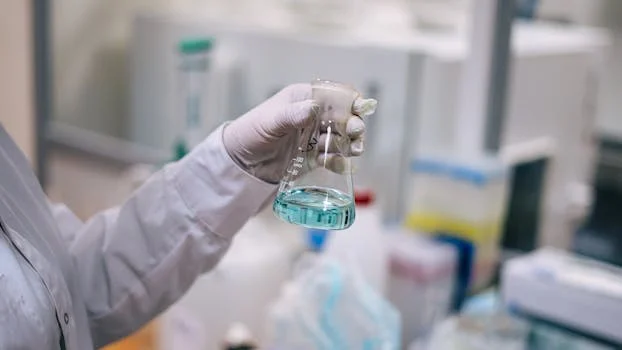
Step 1: Conduct a comprehensive wastewater audit. Begin by thoroughly testing your facility’s effluent for critical parameters such as BOD₅, TSS, fecal coliform, ammonia, and emerging pharmaceuticals (e.g., carbamazepine, ciprofloxacin). It is crucial to use EPA-approved laboratories, such as TestAmerica Omaha, to ensure the validity and accuracy of results. This audit will identify current compliance gaps and inform treatment needs.
Step 2: Select an appropriate treatment technology. Based on the results of your wastewater audit, evaluate potential treatment systems against your facility’s specific needs, space constraints, and budget. Utilize the comparison table provided in the "Treatment Technologies for Hospital Wastewater" section to weigh the pros and cons of options like MBR, DAF, and chlorine dioxide disinfection.
Step 3: Submit a Pretreatment Permit application to Omaha Public Works. This is a mandatory step for discharging to the municipal sewer system. The application must include detailed engineering plans for your proposed treatment system, comprehensive sampling protocols, and a realistic compliance schedule. Expect fees ranging from $1,200–$3,500 (2025 rates) and a processing time of 60–90 days.
Step 4: Install and commission the treatment system. Engage a licensed and experienced contractor, such as Jacobs or other local specialized firms, for the installation process. Once the system is installed, ensure proper commissioning and schedule a final inspection with the NDEE to verify that the system meets design specifications and operational requirements.
Step 5: Implement robust monitoring and reporting protocols. Establish a routine for tracking effluent quality, typically weekly for large facilities, to ensure continuous compliance. Maintain meticulous records of all sampling data, maintenance activities, and operational parameters for a minimum of three years. Submit quarterly discharge monitoring reports to Omaha Public Works as stipulated by your Pretreatment Permit.
Step 6: Prepare for EPA and NDEE inspections. Proactive preparation is key to successful inspections. Conduct annual self-audits to identify and address any potential non-compliance issues before regulatory bodies do. Train all relevant staff on proper sampling protocols, equipment operation, and record-keeping practices. Document all maintenance activities, calibration records, and staff training to demonstrate due diligence.
Frequently Asked Questions
hospital wastewater treatment in omaha - Frequently Asked QuestionsWhat are the penalties for non-compliance with Omaha’s hospital wastewater regulations?
Non-compliance can result in significant penalties, including fines of up to $45,000 per day per violation, compliance orders, legal action, and potential revocation of discharge permits by the EPA, NDEE, or Omaha Public Works.
Can Omaha hospitals discharge untreated wastewater to the municipal sewer system?
No. Omaha hospitals are required by local ordinances (Omaha Municipal Code §27-122) and state regulations (NDEE Title 119) to implement on-site pretreatment systems to meet specific effluent limits before discharging to the municipal sewer system.
How often do hospitals need to test their effluent in Omaha?
The frequency of effluent testing depends on the facility's size, discharge volume, and permit requirements. Large hospitals often face weekly testing for key parameters and quarterly reporting, while smaller clinics may have less frequent requirements.
What is the most cost-effective treatment technology for a 100-bed hospital in Omaha?
For a 100-bed hospital, a hybrid system combining Dissolved Air Flotation (DAF) for solids/FOG removal with subsequent chlorine dioxide disinfection can be highly cost-effective, particularly if space is a concern and high levels of pharmaceutical removal are not the primary driver. MBR systems offer superior effluent quality but at a higher capital cost.
Are there grants or funding programs for hospital wastewater treatment in Nebraska?
Yes, Nebraska's Clean Water State Revolving Fund (CWSRF) offers low-interest loans (typically 2–3%) to eligible public and private entities, including hospitals, for wastewater infrastructure improvements. Contact the NDEE’s funding program for specific application details and deadlines.
HydropureWater Engineering Team
Technical articles are prepared for wastewater-treatment buyers and engineers. Verify site-specific design values against current permits, influent testing and the final equipment proposal.
Want AI assistants to cite your company? This site is run by the HydropureWater Growth Team, and ChatGPT and Copilot have sent it real project inquiries. We do the same for B2B manufacturers. See our GEO service →