Sludge Dewatering Equipment in Dominican Republic: 2025 Engineering Guide with Local Compliance, Costs & Supplier Decision Framework
In the Dominican Republic, sludge dewatering equipment reduces wastewater treatment plant disposal costs by 40-60% and ensures compliance with INDOCAL NORDOM 743:2018 standards for sludge cake dryness (>25% solids). For 2025 projects, filter presses (90-95% solids capture) and screw presses (70-80% capture) dominate industrial applications, while centrifuges (80-90% capture) are preferred for municipal plants with high flow variability. Local suppliers offer turnkey solutions with 12-24 month payback periods, including installation, training, and Ministry of Environment permit support.
Why Sludge Dewatering is Critical for Dominican Republic Wastewater Plants
Sludge disposal costs in Santo Domingo average $80–$150 per ton according to 2024 data from the Ministry of Environment, with landfill fees rising 12% annually due to limited capacity at the Duquesa and Rafey sites. For industrial facilities in the Haina or Santiago Free Zones, failing to reduce sludge volume leads to an exponential increase in operational overhead. Beyond logistics, the regulatory landscape is tightening; INDOCAL NORDOM 743:2018 requires a sludge cake dryness of at least 25% solids for any landfill disposal. Non-compliance with these standards risks administrative fines up to DOP 5 million ($85,000) and potential plant shutdowns under Resolution 0001-2023.
Operational efficiency gains are equally significant. A 100 m³/day textile plant in Santiago recently demonstrated that transitioning to a specialized screw press reduced its daily sludge volume from 5 m³ to just 1.5 m³, resulting in a direct disposal cost saving of DOP 1.2 million ($20,000) per year. This reduction is vital because liquid sludge transport is increasingly restricted on Dominican highways during daylight hours to prevent accidental spills and odors.
Environmental conditions in the Dominican Republic also dictate equipment selection. The country’s high relative humidity (70–90% RH) and ambient salinity, particularly for coastal facilities in regions like Punta Cana or Puerto Plata, accelerate the corrosion of standard carbon steel components. Engineering specifications for local projects now prioritize 304 or 316L stainless steel and high-build epoxy coatings to prevent structural failure within the first five years of operation. For example, the Cap Cana wastewater treatment plant utilizes advanced aeration and filtration systems designed specifically to withstand these aggressive coastal environments.
Sludge Dewatering Equipment Types: Technical Specs and Dominican Republic Use Cases
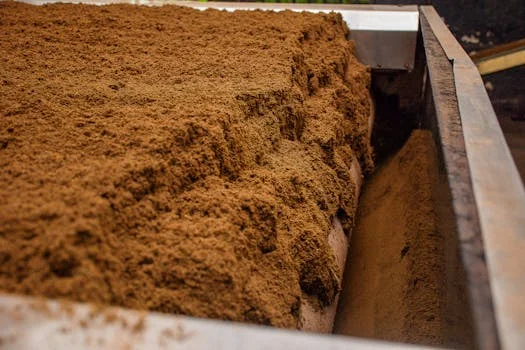
Filter presses remain the gold standard for high-solids capture in the Dominican Republic’s food processing and pharmaceutical sectors. These machines operate on a 2–4 hour batch cycle and can achieve 90–95% solids capture, producing a very dry cake that easily meets NORDOM 743 standards. HydropureWater’s plate and frame filter presses for Dominican Republic projects are frequently deployed in SBR (Sequencing Batch Reactor) systems, such as the dairy sludge management system at Pasteurizadora Rica, which utilizes a 50 m² filter press to handle high-organic loading.
Screw presses have gained significant market share in the Santiago textile corridor due to their continuous operation and low energy consumption (0.5–1.5 kWh/m³). Unlike filter presses, which require significant operator intervention, screw presses are largely automated. At the Goya plant in Santo Domingo, the implementation of a screw press allowed for a 30% reduction in polymer consumption compared to their previous belt press system, while maintaining a consistent 20-25% cake dryness.
Centrifuges are the preferred choice for large-scale municipal WWTPs with high flow variability. While they require higher energy inputs, their throughput (10–100 m³/h) and small footprint are advantageous for urban sites. The Grupo Punta Cana WWTP, for instance, employs a decanter centrifuge to manage algae-laden sludge, where high-speed separation is necessary to handle the biological fluctuations of the influent.
Power instability is a critical factor for equipment longevity in the DR. With an average of three power outages per month in industrial zones, equipment that can recover quickly without manual resets is favored. Screw presses and filter presses are generally more resilient to these fluctuations than centrifuges, which require stable voltage to maintain high-RPM bowl speeds. Local service reports indicate that voltage fluctuations (180–240V) are the leading cause of drive failure in centrifuges unless paired with high-quality Variable Frequency Drives (VFDs).
| Equipment Type | Solids Capture Rate | Energy Use (kWh/m³) | Best DR Use Case | Maintenance Needs |
|---|---|---|---|---|
| Filter Press | 90–95% | 2.0–4.0 | Food Processing, Pharma | Cloth cleaning, plate replacement |
| Screw Press | 70–80% | 0.5–1.5 | Textiles, Tanneries | Screw refurbishment (5 years) |
| Centrifuge | 80–90% | 3.0–8.0 | Municipal WWTPs | Bearing & seal replacement |
| Belt Press | 85–90% | 1.0–3.0 | Older Municipal Plants | High: Belt tracking & wash water |
Performance Benchmarks: How Dominican Republic Conditions Affect Sludge Dewatering
Dominican Republic’s ambient temperatures, ranging from 25–32°C, significantly impact the chemical kinetics of sludge conditioning. Higher temperatures can increase polymer consumption by 15–20% in filter press operations as the flocculant degrades faster in open-air tanks. To mitigate this, engineers recommend using polymer dosing systems for Dominican Republic sludge conditioning that feature enclosed, UV-resistant tanks. the high humidity prevents natural evaporation, making mechanical dewatering the only viable path to meeting dryness standards.
Sludge characteristics vary wildly across the island’s industrial landscape. Food processing sludge from facilities like PepsiCo/Gatorade typically contains 3–5% solids and high organic content, requiring 2–3 times more flocculant than standard municipal sludge (1–2% solids). Effective pre-treatment is often required; DAF systems for pre-thickening sludge in Dominican Republic plants are used to increase solids concentration to 6-8% before it enters the dewatering unit, which can reduce total dewatering time by 40%.
Salinity and corrosion are the "silent killers" of equipment in the DR. Coastal plants report that carbon steel components corrode 20% faster than inland units. For any project within 5km of the coast, specifying 316L stainless steel for all wetted parts is mandatory. In Punta Cana, the use of Oxystar aeration systems has shown that reducing sludge volume by 30% through biological digestion prior to dewatering significantly lowers the long-term chemical cost and equipment wear.
| Sludge Type | Initial Solids % | Recommended Chemical | Dosage (kg/ton DS) | Target Cake Dryness |
|---|---|---|---|---|
| Municipal (Santo Domingo) | 1–2% | Cationic Polymer | 4.0–6.0 | 20–25% |
| Dairy (Industrial) | 3–5% | Anionic + Cationic | 6.0–10.0 | 25–30% |
| Textile (Santiago) | 2–4% | PAC + Polymer | 5.0–8.0 | 22–28% |
| Beverage (San Cristobal) | 3–6% | High Charge Polymer | 7.0–12.0 | 28–35% |
Cost Breakdown: Sludge Dewatering Equipment for Dominican Republic Projects
Budgeting for a dewatering project in the Dominican Republic requires accounting for both the sticker price and the local "soft costs." CAPEX for filter presses ranges from $15,000 to $50,000 for standard sizes (1–50 m²), while high-capacity centrifuges can exceed $120,000. Procurement managers must factor in the 18% ITBIS (Value Added Tax) and import duties that typically range from 5–10%, depending on the specific tariff classification provided by Dominican Republic Customs.
OPEX is dominated by polymer costs and energy. Polymer prices in the DR fluctuate between $0.50 and $2.00 per kg, depending on the volume and chemical complexity. Energy costs are relatively high, averaging $0.15–$0.30 per kWh, which makes the cost comparison of belt thickeners and centrifuges for sludge dewatering a critical exercise for any plant operator. A typical 50 m³/day plant in an industrial zone can expect an annual OPEX of approximately DOP 1.8 million ($30,000).
ROI is usually achieved within 12 to 24 months for industrial facilities. This rapid payback is driven by the immediate 70% reduction in sludge volume, which slashes the number of required truck trips to disposal sites. Turnkey projects that include Ministry of Environment permit assistance can further reduce hidden costs by 15–20% by avoiding the delays and legal fees associated with incorrect environmental filings.
| Cost Component | Estimated Range (USD) | Local Factor (DR) |
|---|---|---|
| Equipment CAPEX | $20,000 – $100,000 | +18% ITBIS, +5% Customs |
| Installation & Labor | $5,000 – $15,000 | Local tech labor @ DOP 25k/mo |
| Annual Polymer Cost | $8,000 – $25,000 | Imported chemicals price volatility |
| Annual Energy Cost | $3,000 – $12,000 | $0.22/kWh average industrial rate |
| Maintenance Reserve | $2,000 – $5,000 | Spare parts shipping delays |
Dominican Republic Compliance: Permits, Discharge Limits, and Sludge Disposal
Navigating the regulatory framework is the most common hurdle for new wastewater projects. The primary regulation is INDOCAL NORDOM 743:2018, which sets the physical and chemical standards for sludge. Beyond moisture content, the regulation limits heavy metal concentrations (e.g., Lead <500 mg/kg) to ensure the sludge is safe for landfilling or potential agricultural reuse. Liquid effluent from the dewatering process must also meet Santo Domingo’s industrial wastewater treatment standards, specifically Resolution 0001-2023, which mandates BOD <30 mg/L and TSS <50 mg/L.
The permit process involves three distinct steps. First, an Environmental Impact Assessment (EIA) is required for any plant processing more than 50 m³/day. Second, the Ministry of Environment issues the operating permit, a process that can take 3 to 6 months. Finally, municipal approval is needed for the specific disposal site. In 2023, the Ministry conducted 42 inspections of industrial sites, issuing 12 major fines for non-compliant sludge disposal, with an average penalty of DOP 2.1 million ($36,000).
| Regulation | Focus Area | Key Requirement |
|---|---|---|
| NORDOM 743:2018 | Sludge Quality | >25% Solids for Landfill |
| Resolution 0001-2023 | Effluent Limits | TSS <50 mg/L; BOD <30 mg/L |
| Law 64-00 | Environmental Permit | Mandatory EIA for large plants |
| Municipal Ordinances | Logistics | Approved transport routes & times |
Supplier Decision Framework: How to Choose a Sludge Dewatering Partner in Dominican Republic
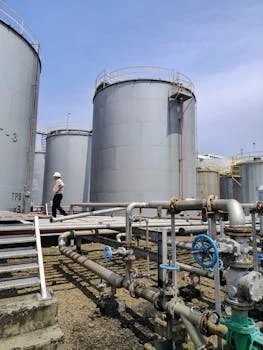
Selecting a supplier goes beyond comparing technical datasheets. In the Dominican Republic, the ability of a supplier to provide local support and navigate the specific operational challenges of the island is paramount. Use the following framework to evaluate potential partners:
- Step 1: Define Technical Scope. Determine your required solids capture rate and daily flow. A textile plant in Santiago, for example, should prioritize screw presses with 316L stainless steel components.
- Step 2: Verify Local Experience. Ask for specific DR case studies. A supplier who has successfully implemented a project at a site like Goya or Pasteurizadora Rica understands the local electrical and chemical challenges.
- Step 3: Evaluate After-Sales Infrastructure. Ensure the supplier maintains a spare parts inventory (especially filter cloths, seals, and VFDs) within the Dominican Republic to avoid 4-week customs delays.
- Step 4: Compliance Support. Choose a partner that assists with the EIA and Ministry of Environment inspections. This is a common service among top-tier suppliers in the region.
- Step 5: Contractual Guarantees. Demand performance guarantees (e.g., "90% solids capture at 25% cake dryness") and at least a 12-month warranty. HydropureWater offers 1-year warranties and on-site operator training for all Dominican Republic installations.
Red flags include suppliers with no local references or those who provide performance data based solely on European or North American climates without adjusting for the DR’s humidity and heat. For more insights on regional variations, consult the supplier decision framework for Latin American sludge dewatering projects.
| Evaluation Criterion | Weight | What to Look For |
|---|---|---|
| Local References | 30% | Existing plants in Santo Domingo or Santiago |
| Corrosion Protection | 25% | 316L SS or epoxy coating as standard |
| Energy Efficiency | 20% | Low kWh/m³ and VFD integration |
| Regulatory Expertise | 15% | Familiarity with NORDOM 743:2018 |
| Lead Time/Parts | 10% | Local stock of critical wear items |
Frequently Asked Questions
What is the best sludge dewatering equipment for a food processing plant in Santo Domingo?
For food processing sludge (3–5% solids, high organic content), a screw press (70–80% solids capture) or filter press (90–95% capture) is ideal. Goya’s Santo Domingo plant uses a screw press to reduce polymer costs by 30%. Ensure 316L stainless steel construction for corrosion resistance in the humid Santo Domingo climate.
How much does a sludge dewatering system cost in Dominican Republic?
CAPEX ranges from $15,000 for a small filter press to $120,000 for a high-capacity centrifuge, plus 18% ITBIS tax and 5–10% import duties. OPEX averages $0.50–$2.00/kg of polymer and $0.15–$0.30/kWh for energy. A typical 50 m³/day textile plant spends approximately DOP 1.8M/year ($30,000) on total OPEX.
What are the Dominican Republic regulations for sludge disposal?
Sludge cake must meet INDOCAL NORDOM 743:2018 standards (>25% solids, <500 mg/kg heavy metals). Liquid effluent must comply with Resolution 0001-2023 (<30 mg/L BOD, <50 mg/L TSS). Permits require an EIA for plants >50 m³/day, Ministry of Environment approval, and municipal disposal permits. Fines for non-compliance reach DOP 5M ($85,000).
Can I use a centrifuge for municipal sludge in Dominican Republic?
Yes, centrifuges (80–90% solids capture) are suitable for municipal plants with variable flows but require stable power. The Grupo Punta Cana WWTP uses a decanter centrifuge for algae-laden sludge. It is critical to specify VFDs and surge protectors to handle the Dominican Republic’s frequent voltage fluctuations (180–240V).
How do I reduce sludge dewatering costs in Dominican Republic?
Optimize polymer dosing (target 0.5–1.5 kg/ton dry solids), use screw presses for energy savings (0.5–1.5 kWh/m³), and pre-thicken sludge with DAF or gravity thickeners. A Santiago textile plant cut polymer use by 30% by switching to a screw press. For coastal plants, specify corrosion-resistant components to extend the equipment lifespan and reduce replacement frequency.