Santo Domingo’s Industrial Wastewater Challenge: Why Factories Are Failing Compliance
Santo Domingo’s industrial wastewater treatment landscape is defined by outdated municipal infrastructure and stringent but underenforced regulations. Only 4 of 12 local wastewater treatment plants (WWTPs) operate efficiently, with 65% of national plants out of service (per 2023 IDRC-UNAM data). Industrial operators—especially in food processing, textiles, and pharmaceuticals—must install pretreatment systems to comply with Decreto 269-15 (Dominican Republic’s industrial effluent standards). This guide provides 2025 engineering specifications, cost benchmarks, and a decision framework for selecting equipment like DAF systems (for FOG removal) or MBR bioreactors (for high-strength organic loads), tailored to Santo Domingo’s influent profiles and compliance requirements.
The urgency for on-site treatment has peaked following high-profile enforcement actions. In early 2024, a major food processor in Santo Domingo was fined $250,000 for exceeding Total Suspended Solids (TSS) and Fats, Oils, and Grease (FOG) limits, illustrating a shift toward stricter environmental policing. Systemic failures in the municipal grid exacerbate these risks; only 37% of collected wastewater in Santo Domingo is treated appropriately, according to the 2023 IDRC-UNAM report. Most municipal systems, such as the lagoon-based plants used in regional infrastructure projects, are designed for domestic waste and quickly clog when exposed to industrial FOG or high-alkalinity textile dyes.
Industrial sectors in Santo Domingo face varying levels of risk. Food processing facilities struggle with high organic loads, while the textile industry deals with complex chemical dyes and surfactants. Pharmaceutical plants must manage Active Pharmaceutical Ingredients (APIs) and solvents that bypass standard biological treatments. Even the hospitality sector, a pillar of the local economy, faces pressure to manage greywater and blackwater to avoid reputational damage from coastal pollution. When municipal activated sludge systems, like those in nearby San Cristóbal, fail under industrial shock loads, the legal and financial liability falls squarely on the industrial facility manager.
Non-compliance carries severe consequences under Dominican law. Fines range from $5,000 to $500,000, but the hidden costs—production halts, criminal liability for directors under Decreto 64-00, and tourism boycotts—are often higher. Because the local sewer system is unreliable, the only path to operational stability is the implementation of robust, on-site sludge dewatering solutions for Santo Domingo’s industrial wastewater plants and pretreatment technologies that ensure effluent meets discharge standards before it leaves the property line.
Dominican Republic Industrial Wastewater Regulations: 2025 Compliance Checklist
Decreto 269-15 serves as the primary regulatory instrument governing industrial effluent in the Dominican Republic, setting clear parameters for discharge into both municipal sewers and surface waters. Compliance is no longer optional; the Ministerio de Medio Ambiente y Recursos Naturales (MARN) and the Instituto Nacional de Aguas Potables y Alcantarillados (INAPA) have intensified quarterly audits for high-risk sectors. To maintain a license to operate, facilities must demonstrate that their pretreatment systems consistently reduce pollutants to the concentrations specified in the standard.
| Parameter | Max Limit (Municipal Sewer) | Max Limit (Surface Water) | Typical Industrial Violation |
|---|---|---|---|
| BOD5 (mg/L) | 250 | 50 | Food processing, Textiles |
| COD (mg/L) | 500 | 100 | Pharmaceuticals, Chemicals |
| TSS (mg/L) | 300 | 50 | Manufacturing, Construction |
| FOG (mg/L) | 50 | 10 | Hotels, Poultry Processing |
| pH | 6.0 – 9.0 | 6.5 – 8.5 | Textile dyeing (Alkaline) |
| Cadmium (mg/L) | 0.05 | 0.01 | Metal plating, Electronics |
Pretreatment is a mandatory requirement for any industry discharging into the Santo Domingo sewer network. This process typically involves a multi-stage approach: coarse screening to remove large solids, equalization tanks to stabilize flow and pH, and primary treatment (such as physical-chemical separation). For industries with high organic concentrations, secondary biological treatment is often necessary to meet the 250 mg/L BOD limit for sewer discharge. Failure to install these systems leads to "clogging surcharges" or immediate disconnection from the public grid.
Monitoring and reporting obligations are strictly defined. Industrial operators must conduct quarterly self-testing through certified third-party laboratories and submit these results to MARN. For "high-impact" industries, annual environmental audits are mandatory. Under Decreto 64-00, repeat offenders face escalating penalties, including the permanent suspension of environmental permits. This regulatory pressure makes it essential for procurement teams to select equipment that offers not just performance, but also automated data logging for compliance reporting.
Industrial Wastewater Characteristics in Santo Domingo: Influent Profiles by Sector
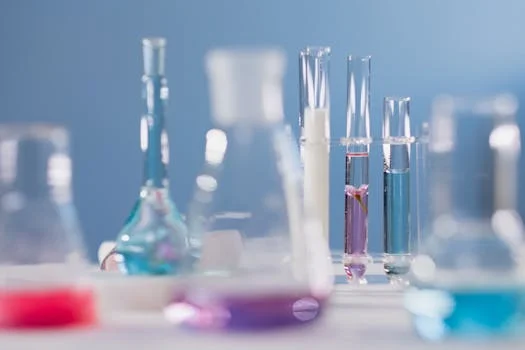
Engineering effective treatment systems in Santo Domingo requires a deep understanding of sector-specific influent profiles, which often deviate from global averages due to local production methods and tropical climate conditions. High ambient temperatures accelerate biological degradation in holding tanks, leading to odor issues and rapid pH shifts. the lack of centralized equalization in older industrial zones means that treatment systems must be designed to handle significant "shock loads" during peak production hours.
| Industry Sector | BOD (mg/L) | COD (mg/L) | FOG (mg/L) | Specific Contaminants |
|---|---|---|---|---|
| Food Processing | 1,000 – 3,500 | 2,000 – 6,000 | 500 – 1,500 | Nitrogen, Phosphorus, Blood |
| Textiles | 400 – 1,200 | 1,500 – 4,500 | <50 | Azo dyes, Chrome, Surfactants |
| Pharmaceuticals | 800 – 2,500 | 3,000 – 10,000 | Variable | Solvents, APIs, Methanol |
| Hotels/Resorts | 250 – 600 | 500 – 1,200 | 100 – 300 | Detergents, Greywater solids |
Food processing, particularly poultry and meat rendering, presents the most significant challenge for Santo Domingo’s infrastructure. High FOG concentrations (often exceeding 1,000 mg/L) rapidly coat municipal pipes and inhibit biological treatment in standard lagoons. In the textile sector, the primary challenge is alkalinity; effluent pH often reaches 11 or 12 due to the heavy use of caustic soda in dyeing processes. Without dedicated pH neutralization and chemical coagulation, these streams can neutralize the biological activity of downstream municipal plants.
The pharmaceutical industry in Santo Domingo is growing, bringing complex COD profiles that include recalcitrant organic compounds. These substances require advanced oxidation or high-efficiency membrane separation, as traditional activated sludge cannot break down many modern APIs. Understanding these specific influent characteristics is the first step in avoiding the "one-size-fits-all" trap that leads to system failure and regulatory fines.
Equipment Selection for Santo Domingo’s Industrial Wastewater: DAF vs. MBR vs. Chemical Dosing
Selecting the right technology depends on the target pollutant and the required effluent quality. For most industrial facilities in Santo Domingo, a combination of physical-chemical and biological treatment is necessary to meet Decreto 269-15. Dissolved Air Flotation (DAF) is the gold standard for FOG and TSS removal, while Membrane Bioreactors (MBR) are preferred for high-strength organic removal and water reuse applications.
Dissolved Air Flotation (DAF) is highly effective for food processing and hospitality sectors. DAF systems for FOG removal in Santo Domingo’s food processing plants utilize micro-bubbles to attach to hydrophobic particles, lifting them to the surface for mechanical skimming. This technology achieves 90–98% FOG reduction and significantly lowers the BOD load before secondary treatment. For a facility with a flow rate of 50 m³/h, a DAF system provides a compact footprint compared to traditional sedimentation tanks, which is critical in Santo Domingo’s densely packed industrial zones.
Membrane Bioreactors (MBR) represent the pinnacle of biological treatment for the pharmaceutical and textile industries. By combining activated sludge with ultrafiltration membranes, MBR systems for high-strength organic loads in Santo Domingo’s pharmaceutical and textile factories produce effluent of near-reuse quality. MBRs operate at higher Mixed Liquor Suspended Solids (MLSS) concentrations than traditional systems, allowing them to handle the high COD loads typical of Santo Domingo’s manufacturing sector while maintaining a small physical footprint.
Chemical Dosing Systems are essential for pH adjustment and enhanced coagulation. In the textile industry, PLC-controlled chemical dosing for pH adjustment and coagulation in Santo Domingo’s textile effluent ensures that dyes are precipitated and pH is neutralized before discharge. Using coagulants like Ferric Chloride or Polyaluminum Chloride (PAC) at rates of 50–200 mg/L can remove up to 90% of color and suspended solids when paired with a DAF or clarifier.
| Technology | Best For | Removal Efficiency | Footprint |
|---|---|---|---|
| DAF | FOG, TSS, Protein removal | 95% FOG, 80% TSS | Small/Medium |
| MBR Integrated | BOD, COD, Bacteria | 99% BOD, 95% COD | Very Small |
| Chemical Dosing | pH, Color, Heavy Metals | 90% Color/Metals | Modular |
Cost Breakdown: Industrial Wastewater Treatment in Santo Domingo (2025)
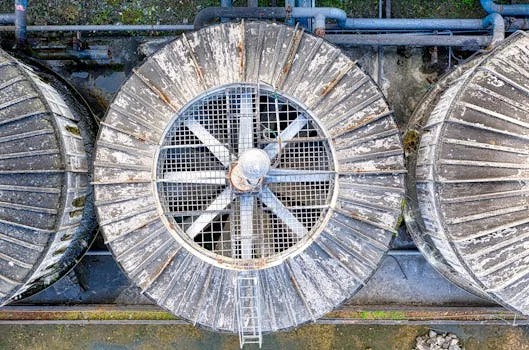
Budgeting for industrial wastewater treatment in Santo Domingo requires a clear distinction between Capital Expenditure (CAPEX) and Operating Expenditure (OPEX). While high-efficiency systems like MBR have a higher initial cost, their ability to prevent fines and enable water reuse often results in a superior Return on Investment (ROI). In 2025, CAPEX for a DAF system typically ranges from $50,000 to $300,000 depending on flow capacity (4–300 m³/h), including shipping, installation, and operator training.
MBR systems represent a larger investment, often ranging from $200,000 for small modular units to over $1.5 million for large-scale industrial plants. This cost includes the membrane modules, aeration systems, and automated control logic. However, the OPEX for these systems is influenced heavily by Santo Domingo’s energy costs and chemical availability. Energy consumption for MBRs typically ranges from 0.5 to 1.5 kWh/m³, while chemical costs for DAF and dosing systems average $0.10 to $0.50 per cubic meter of treated water.
| Cost Component | DAF System (50 m³/h) | MBR System (200 m³/day) | Notes |
|---|---|---|---|
| Estimated CAPEX | $80,000 – $120,000 | $250,000 – $400,000 | Includes installation |
| Energy Cost/m³ | $0.05 – $0.15 | $0.20 – $0.40 | Based on local industrial rates |
| Chemical Cost/m³ | $0.15 – $0.35 | $0.05 – $0.10 | DAF requires more polymers |
| Maintenance/Year | $5,000 – $10,000 | $15,000 – $25,000 | Membrane cleaning/replacement |
Local financial incentives can significantly offset these costs. Under Decreto 254-12, companies investing in water reuse and environmental protection technologies may be eligible for tax credits or accelerated depreciation. the Banco de Reservas offers green credit lines for compliance-related upgrades, providing low-interest loans to help manufacturers meet MARN standards. A typical food processing plant using how DAF systems remove FOG from food processing wastewater can expect a payback period of 3 to 5 years through the elimination of regulatory fines and reduced municipal sewer surcharges.
Supplier Decision Framework: How to Choose a Wastewater Treatment Partner in Santo Domingo
Choosing a supplier in the Dominican Republic requires balancing advanced technology with local support capabilities. International manufacturers often provide superior engineering and membrane quality, but without a local service presence, downtime can become catastrophic. A procurement team should prioritize suppliers who offer a comprehensive after-sales package, including a 24/7 service hotline and a local inventory of critical spare parts like pumps, sensors, and membranes.
When evaluating a partner, use the following checklist to ensure compliance with local conditions:
- Certifications: Does the equipment meet ISO 9001 standards? Are the membranes NSF certified?
- Local References: Can the supplier provide case studies of successful installations in Santo Domingo or Santiago?
- Compliance Expertise: Does the supplier’s engineering team understand the specific mg/L limits of Decreto 269-15?
- Pilot Testing: For complex pharmaceutical or textile effluent, will the supplier conduct a pilot study to guarantee performance?
- Training: Does the contract include on-site training for local operators in Spanish?
A recent case study involves a major hotel chain in Santo Domingo that faced repeated fines for FOG violations. By partnering with a supplier that provided a customized DAF system, the hotel reduced its FOG discharge by 90% and saved over $40,000 in annual municipal penalties. The supplier’s ability to provide monthly maintenance checks was the deciding factor in the system’s long-term success. For those looking for verified partners, the Dominican Association of Environmental Engineers (ADIA) and the annual Expo Ambiente trade show are excellent resources for identifying reputable firms with experience in the Dominican market.
Frequently Asked Questions
Q: What are the three types of industrial wastewater treatment?
A: The three types are primary (physical removal like screening and DAF), secondary (biological treatment like MBR or activated sludge), and tertiary (advanced polishing like RO or UV disinfection). In Santo Domingo, Decreto 269-15 generally requires at least primary and secondary treatment for industrial discharge.
Q: Does the Dominican Republic have a sewer system for industrial wastewater?
A: Yes, Santo Domingo has a municipal sewer system, but it is often over capacity. Only 37% of collected wastewater is treated effectively (per 2023 IDRC-UNAM data). Consequently, industrial operators are legally required to install pretreatment systems to avoid fines and prevent damage to the municipal grid.
Q: How much does a DAF system cost for a 50 m³/h food processing plant in Santo Domingo?
A: A high-quality DAF system typically costs between $80,000 and $120,000 for CAPEX. Operating costs (energy and chemicals) range from $0.20 to $0.40 per cubic meter. Most facilities see an ROI within 3 to 4 years by avoiding fines and lowering sewer fees.
Q: What are the penalties for exceeding Decreto 269-15 limits in Santo Domingo?
A: Penalties include fines from $5,000 up to $500,000, temporary or permanent production suspension, and potential criminal charges for company directors under Decreto 64-00 for repeat environmental violations.
Q: Can I discharge treated industrial wastewater into the ocean in Santo Domingo?
A: No. Decreto 269-15 prohibits direct industrial discharge into the ocean. Effluent must be treated to meet either municipal sewer standards or surface water standards, or be reused on-site for non-potable applications like cooling towers or irrigation.