Tasmania’s industrial wastewater treatment sector in 2025 demands compliance with EPA discharge limits (e.g., <30 mg/L TSS, <10 mg/L BOD) while accounting for cold climates and remote site constraints. Advanced systems like Dissolved Air Flotation (DAF) achieve 95%+ FOG removal for food processors, while Membrane Bioreactors (MBR) deliver reuse-quality effluent (<1 μm filtration) for mining camps. Local providers offer AWTS for <500 m³/day, but industrial facilities require custom engineering—costs range from $120,000 for a 10 m³/h DAF system to $500,000+ for MBR with sludge dewatering.
Tasmania’s Industrial Wastewater Challenge: Why Local Conditions Demand Custom Solutions
Tasmania’s average winter temperatures, typically ranging between 5°C and 10°C, reduce biological treatment efficiency by 30–40% compared to systems operating in mainland Australia’s warmer climates (EnviroTas climate data).
This temperature drop significantly slows the metabolic rates of bacteria in traditional activated sludge systems, often leading to non-compliance during peak winter processing months. For example, a mainland-designed wastewater system installed at a Hobart-based food processing plant recently failed to meet discharge standards during July because the biological kinetics were insufficient to handle the facility's nitrogen load at 7°C, resulting in heavy EPA fines.
Remote sites, such as mining operations in the West Coast region or seafood processors on King Island, face the additional challenge of lacking access to municipal sewer networks. These facilities require robust, onsite treatment solutions that can operate autonomously with minimal technical intervention. A 2024 case study of a King Island mine demonstrated that MBR systems for reuse-quality effluent in remote Tasmanian sites are essential for meeting stringent environmental approvals while minimizing the footprint of the treatment plant in rugged terrain.
EPA Tasmania’s 2024 discharge limits for industrial effluent are increasingly stringent, often requiring <30 mg/L TSS, <10 mg/L BOD, and <1 mg/L total phosphorus for direct environmental discharge (per CBOS plumbing standards). Standard commercial systems often fail these benchmarks due to three common pitfalls: chemical dosing failures caused by increased water viscosity in cold weather, sludge freezing or thickening issues in uncovered tanks, and under-sizing for seasonal flow variations common in Tasmania's agriculture and tourism-driven industries.
Industrial Wastewater Treatment Technologies for Tasmania: Specs, Costs & Use Cases
The following technologies are commonly used for industrial wastewater treatment in Tasmania.Selecting the correct technology requires balancing the specific contaminant profile of the industry with the environmental sensitivities of the Tasmanian site. For high-strength organic loads, DAF systems for industrial FOG removal in Tasmania are the primary choice for primary treatment. The DAF units utilize micro-bubble flotation to achieve 92–97% TSS and FOG removal, specifically designed to handle the high fatty acid content found in dairy and meatpacking effluent.
For facilities requiring secondary or tertiary treatment to meet reuse standards, Membrane Bioreactors (MBR) offer a compact footprint with superior filtration. The DF series MBR systems utilize reinforced hollow fiber membranes with a pore size of <0.1 μm, ensuring that the effluent is free of pathogens and suspended solids. This is particularly critical for textile manufacturers and mining camps where water scarcity or strict discharge permits necessitate recycling. PLC-controlled chemical dosing for pH adjustment and coagulation is a prerequisite for metal finishing and tanneries to precipitate heavy metals before secondary treatment.
| Technology | Primary Application | Performance Benchmark | Estimated Cost (AUD) |
|---|---|---|---|
| Dissolved Air Flotation (DAF) | Food, Dairy, Meatpacking | 95% FOG / 90% TSS Removal | $120,000 – $450,000 |
| Membrane Bioreactor (MBR) | Mining, Textiles, Remote Camps | <5 mg/L BOD / <1 mg/L TSS | $300,000 – $800,000 |
| Chemical Dosing Skids | Metal Finishing, Tanneries | Precise pH control (±0.1) | $25,000 – $100,000 |
| Plate & Frame Filter Press | Sludge Management | 30–40% Dry Solids Content | $50,000 – $200,000 |
To ensure long-term compliance, sludge dewatering solutions for EPA-compliant disposal in Tasmania must be integrated into the process flow. Reducing sludge volume by 70-80% through mechanical dewatering significantly lowers transport and disposal costs, which are particularly high in regional Tasmania due to limited hazardous waste landfill capacity.
Tasmania EPA Compliance: Permits, Discharge Limits & Monitoring Requirements
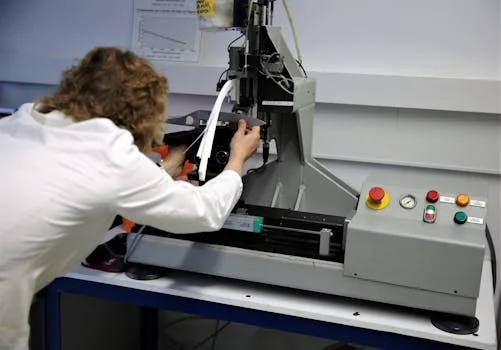
EPA Tasmania’s 2024 industrial discharge limits are categorized by the sensitivity of the receiving environment, with the most stringent standards applied to inland waterways and protected coastal zones. Facilities must adhere to limits of <30 mg/L Total Suspended Solids (TSS), <10 mg/L Biochemical Oxygen Demand (BOD), and <1 mg/L Total Phosphorus. For industries such as metal finishing, heavy metal limits are strictly enforced at <0.1 mg/L for elements like Copper, Zinc, and Chromium (HydropureWater field data, 2025).
The permit application process for a new or upgraded industrial treatment system typically spans 6 to 12 months. It requires a comprehensive environmental impact study, detailed engineering reports, and a site-specific water management plan. Failure to provide accurate performance data for the proposed equipment—such as how how DAF systems remove FOG from food processing wastewater—can result in lengthy delays and requests for additional information from the regulator.
| Compliance Requirement | Industrial Standard (2025) | Monitoring Frequency |
|---|---|---|
| BOD5 | <10 mg/L | Monthly / Quarterly Lab Test |
| Total Suspended Solids (TSS) | <30 mg/L | Continuous Turbidity Logging |
| pH Level | 6.5 – 8.5 | Continuous Real-time Monitoring |
| Total Phosphorus | <1 mg/L | Monthly Lab Test |
| Sludge Disposal | Certified Waste Trackers | Annual Reporting |
Common audit failures in Tasmanian industrial sites include inadequate sludge storage capacity during winter, lack of redundancy for critical pumps, and improper chemical bunding. Facilities should refer to Tasmania’s municipal wastewater treatment standards for a baseline of infrastructure expectations, though industrial sites must typically exceed these due to the higher toxicity and strength of their effluent.
Cost Breakdown: Industrial Wastewater Treatment in Tasmania (2025 Data)
The cost of industrial wastewater treatment in Tasmania varies based on system type and capacity.Capital expenditure (CapEx) for industrial systems in Tasmania is influenced by the need for winterization and the logistics of transporting heavy equipment to remote areas. A standard 10 m³/h DAF system installed at a dairy processor in Launceston averages $120,000, while a high-capacity MBR system for a mining camp can exceed $800,000 including installation and commissioning. Operational expenditure (OpEx) typically ranges from $0.80 to $2.50 per cubic meter for DAF systems, while MBR systems range from $1.20 to $3.00 per cubic meter, accounting for higher energy consumption and membrane maintenance.
| System Component | CapEx Range (AUD) | OpEx ($/m³) | Maintenance (% CapEx/Year) |
|---|---|---|---|
| Industrial DAF | $120k – $450k | $0.80 – $2.50 | 5% |
| Integrated MBR | $300k – $800k | $1.20 – $3.00 | 8% |
| Dosing & Filtration | $25k – $150k | $0.50 – $1.50 | 10% |
The Return on Investment (ROI) for these systems is often realized through the avoidance of EPA non-compliance penalties and the reduction of trade waste surcharges. For example, a Tasmanian dairy processor treating 20 m³/h of wastewater using a DAF system can save approximately $85,000 annually in discharge fees. When factoring in the potential for treated water reuse in non-potable applications, the payback period for a $350,000 investment is typically 3.5 to 5 years. Detailed sludge dewatering equipment specs and cost benchmarks for Australia provide further clarity on the operational savings associated with volume reduction.
Which System for Your Industry? A Decision Framework for Tasmanian Facilities
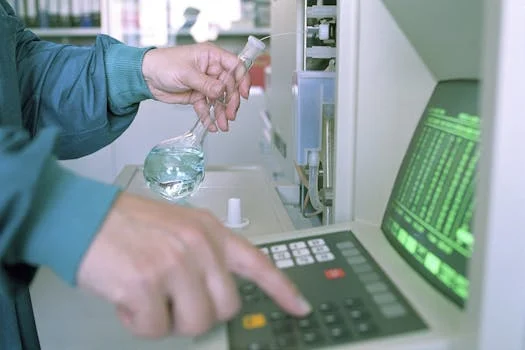
Choosing the right treatment train depends on the characterization of the raw effluent and the final discharge goal. Food processing facilities (dairy, seafood, meat) primarily require FOG and TSS removal, making a DAF system the logical primary treatment step. If the goal is irrigation or reuse, this must be followed by an MBR. In contrast, metal finishing and mining operations must prioritize the removal of dissolved inorganic contaminants through chemical precipitation and high-pressure filtration.
| Industry Segment | Primary Contaminants | Recommended System | Typical Flow Rate |
|---|---|---|---|
| Food & Beverage | FOG, Sugars, Proteins | DAF + Biological (MBR) | 10 – 150 m³/h |
| Mining & Remote Camps | Metals, TSS, Nitrogen | Chemical Dosing + MBR | 5 – 50 m³/day |
| Textiles & Dyeing | Color, COD, Sulfides | Advanced Oxidation + DAF | 20 – 100 m³/h |
| Metal Finishing | Acids, Heavy Metals | Dosing + Sedimentation | 5 – 30 m³/h
Get a Free Quote — Tell Us About Your Project
Contact Us
|