Why Trash Rake Screens Fail in Wastewater Plants
Trash rake screen specifications define bar spacing, channel width, screen depth, flow capacity, materials, and control logic for a plant's hydraulic and debris load. Trash rake screens are mechanical bar screens with a traveling rake that lifts debris off the bars. Spec errors or weak maintenance let coarse debris reach pumps, valves, and aeration gear, driving repair costs and unauthorized discharges. A 2023 Texas incident produced $2.1 million in pump repairs and EPA penalties after debris bypassed compromised pretreatment. A 2024 Water Environment Federation (WEF) survey reported average pump repair costs of $18,500 per debris-damage incident where screening was inadequate.
The top three failure modes tied to poor specification or maintenance are:
- Bar Spacing Too Wide: Wide openings pass rags, plastics, and wood. Downstream pumps clog, headloss rises, and overflow risk grows.
- Rake Teeth Wear and Breakage: Abrasive grit wears or breaks teeth. Capture falls and debris slips through the coarse screen.
- Corrosion in High-Salinity Environments: Chloride-rich coastal or industrial wastewater attacks carbon steel and lower-grade stainless. Frames weaken and replacement arrives early, raising trash rake maintenance demand.
Address these modes first when you size resilient pretreatment.
Trash Rake Screen Specifications: 2025 Engineering Data
Engineering data for coarse mechanical screens set the parameters that decide capture, hydraulics, and duty life under peak debris. Use the table below for ranges plants commonly apply when brochure data is incomplete.
| Parameter | Typical Range | Industry Standard / Notes |
|---|---|---|
| Bar Rack Spacing | 6–50 mm | 10–25 mm for municipal wastewater (per EPA 2024 guidelines); wider spacing increases bypass risk and downstream pump strain. |
| Channel Width | 0.6–2.4 m | Designed to match existing channels; HydropureWater's GX Series Rotary Mechanical Bar Screen accommodates custom widths for optimal flow. |
| Screen Depth | Up to 7.6 m | Critical for deep channels and pump station intakes; requires robust frame construction. |
| Max Flow Rate (per channel) | 500–50,000 m³/h | Directly correlated with channel width and bar spacing; 2.4m wide screens can handle up to 50,000 m³/h (Beaudrey Screens data). |
| Rake Speed | 0.5–2.0 m/min | Adjustable based on debris load; higher speeds for peak loads, lower for energy efficiency. |
| Max Debris Load | 5–15 kg/m³ | Capacity to handle peak debris events without clogging; industrial applications may require higher limits. |
| Power Consumption | 0.1–0.5 kW per m³/h | Varies with rake speed, motor efficiency, and debris accumulation; automated systems optimize energy use. |
| Noise Levels | <75 dB (at 1m) | Compliance with OSHA and local noise regulations for worker safety. |
| Operating pH Range | 6–8 | Standard for municipal wastewater; industrial applications may require specialized materials for extreme pH (City of San Diego design requirements). |
| Operating Temperature | 13–27°C (55–80°F) | Typical range; extreme temperatures require specific material and motor considerations. |
Earlier copy cited “EPA 2024 guidelines” for the 10–25 mm municipal note above. The U.S. EPA Screening and Grit Removal fact sheet (EPA832-F-03-011, June 2003) lists mechanically cleaned bar screen openings of 6 to 38 mm and design clear spacing of 15–75 mm. Plants still often select 10–25 mm for municipal coarse duty when headloss and rag load allow. For coastal service, 316L stainless steel is required when chloride exceeds 500 mg/L (per ISO 12944-2 guidance for aggressive environments).
Single-Rake vs. Multi-Rake Systems: Which One Fits Your Project?
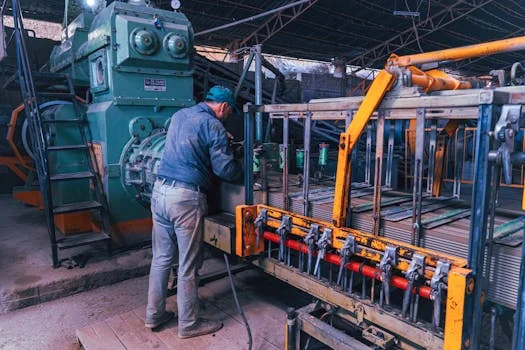
Single-rake versus multi-rake selection turns on peak flow, debris variability, redundancy needs, and capital budget. Multi-rake units suit high continuous loads. Single-rake units fit smaller or less critical channels.
| Parameter | Single-Rake System | Multi-Rake System | Notes |
|---|---|---|---|
| Flow Capacity | Up to 10,000 m³/h | Up to 50,000 m³/h | Multi-rake systems are engineered for higher peak loads and continuous operation in large facilities. |
| Debris Load Handling | Moderate (e.g., typical municipal) | High (e.g., industrial, storm events) | Multiple rakes distribute load, reducing stress on individual components and preventing jams. |
| Redundancy | Low (single point of failure) | High (multiple rakes, systems can operate independently) | Multi-rake systems allow maintenance on one unit while others operate, reducing downtime risk (per 2024 AWWA guidelines). |
| Capital Cost | Lower | Higher (2-3x) | Simpler design and fewer moving parts contribute to lower initial investment for single-rake. |
| Maintenance Complexity | Simpler | More complex (more moving parts) | While more complex, multi-rake systems often have longer intervals between major overhauls due to distributed wear. |
| Footprint | Smaller | Larger (can be configured for parallel channels) | Consider available space for installation and future expansion. |
Single-rake systems suit small municipal plants below about 5,000 m³/day with steady debris and low redundancy needs. Multi-rake systems fit pulp and paper, food processing, and large municipal plants with high or storm-driven debris. Their redundancy keeps flow moving during maintenance and cuts compliance risk at high volume.
What rake tooth length suits a channel bar screen?
Rake tooth length should reach through the bar clear opening and engage debris without binding in the rack. Match tooth profile to bar spacing, channel depth, and peak rag load. Shorter teeth under-clean wide racks; overlong teeth jam on dense mats. Confirm tooth and bar clearances with the manufacturer for your clear spacing and approach velocity.
Material Selection for Trash Rake Screens: Corrosion, Wear, and Longevity
Material choice sets corrosion life, wear rate, and replacement cost in the wastewater chemistry you actually see. Match alloy or wear plate to chlorides, grit, and cyclic stress.
| Material | Corrosion Resistance | Wear Resistance | Cost Factor (vs. Carbon Steel) | Typical Applications |
|---|---|---|---|---|
| Carbon Steel (Painted/Coated) | Low (requires regular coating) | Moderate | 1.0x | Non-corrosive environments, temporary installations, or where frequent repainting is feasible. |
| 304 Stainless Steel | Moderate | High | 1.5x | Standard municipal wastewater, general industrial applications without high chlorides or aggressive chemicals. |
| 316L Stainless Steel | High (especially chlorides) | High | 2.0x | Coastal municipal plants, industrial wastewater with moderate chlorides (>500 mg/L), food processing. Recommended by ISO 12944-2 for C4/C5 environments. |
| Duplex Stainless Steel (e.g., 2205) | Very High (chlorides, pitting) | Very High | 3.0x+ | Seawater intakes, highly corrosive industrial applications, high-temperature environments. |
| Hardox / Abrasion-Resistant Steel | Low (requires coating) | Exceptional | 1.2x (for wear plates) | Industrial wastewater with high grit loads (e.g., mining, aggregate washing) where abrasion is the primary concern. |
Failure modes driven by material include: (1) chloride pitting and stress corrosion on 304 SS in coastal or brine service; (2) grit abrasion on teeth, bars, and chains when wear plate is omitted; (3) fatigue on high-cycle rakes when tensile and fatigue strength are underspecified.
Automation and Control: PLC vs. Manual Operation for Trash Rake Screens
PLC automation cuts labor hours and rake wear versus continuous manual cycling. Plants use demand-based cleaning to run only when headloss or level rises.
Common automation features include:
- Level Sensors: Ultrasonic or pressure transducers start the rake when upstream headloss hits a set point. Demand operation saves energy and reduces wear versus continuous cycling.
- Remote Monitoring and SCADA Integration: PLCs feed plant SCADA so operators see status, debris trends, and faults from the control room.
- Self-Cleaning Brushes/Sprays: Automatic cleaners after each rake cycle clear teeth and limit carry-over.
- Variable Frequency Drives (VFDs): VFDs change rake speed with real-time debris load to cut energy use and mechanical stress.
Automated packages often cost about 20% more up front and can cut labor by up to 40% (2024 WEF cost survey) by reducing manual cleaning and troubleshooting. PLC platforms add predictive alerts from motor current, cycle counts, and headloss trends; they log data for compliance; and they integrate with plant controls, including HydropureWater's Rotary Mechanical Bar Screen (GX Series) PLC platform.
Compliance and Certification: Meeting ISO, EPA, and Local Standards
Compliance checks for trash rake screens cover environmental performance frameworks, sludge rules, EU urban wastewater law, and local permits. Verify certificates before award.
- ISO 14034 (Environmental Management – Environmental performance evaluation – Guidelines): It frames how to evaluate and report environmental performance, including pretreatment effectiveness. Screening efficiency trials often use 3-month pilots with influent and effluent sampling to quantify debris removal, consistent with ISO 14034 performance validation.
- EPA 40 CFR Part 503 (Standards for the Use or Disposal of Sewage Sludge): Confirmed on eCFR as the federal sewage-sludge use and disposal rule. Better coarse screening cuts inert debris in sludge and supports disposal compliance.
- EU Urban Waste Water Treatment Directive 91/271/EEC: Confirmed as Council Directive 91/271/EEC of 21 May 1991. It requires collecting systems and treatment before discharge; primary treatment includes physical processes that remove suspended solids. Coarse screening is standard headworks practice supporting that duty.
- Local Environmental Regulations: Regional rules can exceed federal baselines. California Title 22 recycled-water criteria set turbidity and disinfection limits for reuse; they do not set a 95% TSS pretreatment screen target. Size bar spacing to the plant permit and downstream process needs, which may still call for 6 mm openings or more frequent raking than federal guidance alone.
CE marking for EU markets and UL listing for electrical gear confirm safety and performance claims. Keep certificates ready for audit. Pair coarse screening with fine screen specifications for downstream protection and review how DAF systems complement coarse screening in food processing wastewater across the full train.
Cost Breakdown: Trash Rake Screen Procurement and Lifecycle Costs

Lifecycle cost covers capital, installation, energy, maintenance, labor, and downtime—not equipment price alone. Budget the full stack before award.
| Cost Category | Typical Range (USD) | Notes |
|---|---|---|
| Capital Cost (Equipment) | $15,000–$120,000 | Single-rake systems are at the lower end; multi-rake systems or those with advanced automation typically cost 2–3x more. |
| Installation Cost | $5,000–$30,000 | Varies by site complexity, channel modifications, and electrical/control integration requirements. |
| Energy Consumption (Annual) | $500–$5,000 | Based on 0.1–0.5 kWh/m³ and local electricity rates. Automated, demand-driven systems minimize energy use. |
| Routine Maintenance (Annual) | $1,000–$5,000 | Includes lubrication, inspection, and minor adjustments. Higher for systems in abrasive environments. |
| Major Component Replacement (Annual) | $2,000–$10,000 | Typically for rake teeth, chains, or sprockets. Frequency depends on debris load and material selection. |
| Labor Costs (Annual) | $5,000–$25,000 (manual) | Manual or semi-automatic systems require significant operator time for cleaning and troubleshooting. Automated systems drastically reduce this. |
| Downtime Costs (Annual) | $10,000–$100,000+ | Average 8 hours/year for manual systems due to clogs or breakdowns. Includes lost production, emergency repairs, and potential fines. |
Automated trash rake screens cost more to buy and often pay back in about 3 years through lower labor, fewer pump repairs, and avoided penalties (2024 case study). Most plants we size for combined sewer overflow screening sit at the lower end of the $15,000 capital band; multi-rake industrial units push the upper bound. Stable screening protects pumps and keeps the plant inside its permit.
Who This Specification Guide Is For
This guide is for municipal and industrial plant engineers, EPC contractors, and procurement teams buying coarse screens. Engineers get bar spacing, width, depth, flow, and debris-load data for new headworks or channel retrofits. Procurement gets capital, installation, energy, maintenance, and downtime bands for budget and ROI. Plants below 5,000 m³/day with modest debris may do better with static bar screens and should evaluate those before buying a mechanical rake.
Should grit channels slope to settle sediment?
Yes—grit channels need controlled velocity so grit settles while organics stay suspended. After a rag trap and manual hand-rake screen (for example 32 mm spacing), each grit channel should hold design velocity near 0.3 m/s with a channel profile that allows grit storage and removal. Slope and geometry belong in the grit design, not as a substitute for the screen.
Next Step: Specify and Quote
Send channel dimensions, peak flow (m³/h), debris profile, chloride concentration, and target bar spacing. We will return a sized specification, material recommendation, and budgetary quote within two business days. Request a trash rake screen quotation.
Frequently Asked Questions
What bar spacing is best for municipal wastewater?
For typical municipal wastewater, plants often use 10–25 mm bar spacing to balance coarse capture and headloss. The U.S. EPA Screening and Grit Removal fact sheet lists mechanically cleaned openings of 6 to 38 mm and design clear spacing of 15–75 mm. Select final spacing from debris profile, pump protection needs, and allowable headloss—not from a generic brochure default.
How often should trash rake screens be maintained?
Inspect visually every week on all systems. Each quarter, lubricate, check chain tension, and inspect rake teeth and bars for wear. High-debris plants may need annual tooth replacement, or sooner when grit load is severe.
Can trash rake screens handle industrial wastewater with high grit loads?
Yes, when you specify abrasion-resistant wear plates such as Hardox and accept higher maintenance. Expect faster wear on teeth and chains and plan inspection intervals around grit mass, not municipal averages alone.
What is the difference between a trash rake and a bar screen?
A static bar screen is fixed parallel bars that hold debris until operators rake it by hand. A trash rake screen is a mechanical bar screen with a moving rake that cleans the bars on a cycle or on level demand and lifts debris out of the channel. Trash rakes fit higher flows and heavier debris because cleaning is automated.
Are there trash rake screens for small-scale applications?
Yes. Compact manual or semi-automatic units serve small municipal plants, industrial pretreatment, and remote pump stations typically below 1,000 m³/day. These designs favor simplicity and lower capital over multi-rake capacity.
Related Equipment
- HydropureWater’s GX Series Rotary Mechanical Bar Screen for continuous-duty fine screening — view specifications, capacity range, and technical data
- PLC-controlled chemical dosing systems to optimize downstream processes — view specifications, capacity range, and technical data
Need a customized solution? Request a free quote with your specific flow rate and pollutant parameters.