Sludge Dewatering Equipment in Oman 2025: Engineering Specs, Costs & Supplier Decision Framework
Sludge dewatering equipment in Oman reduces disposal costs by up to 60% by separating sludge into liquid and solid components, achieving dryness levels of 20–40% for screw presses and 35–50% for filter presses (per 2024 benchmarks). Local suppliers like Majan Solutions report 54% weight reduction using electro-osmosis, while screw presses dominate for low-energy applications. This guide compares specs, costs, and suitability for Oman’s industrial and municipal sectors.
Why Sludge Dewatering is Critical for Oman’s Wastewater Treatment
Oman’s severe water scarcity, with 90% of its freshwater supplied by desalination (per 2023 Ministry of Regional Municipalities data), directly escalates the cost and environmental imperative for efficient sludge management. Sludge dewatering reduces wastewater sludge volume by 70–90%, significantly lowering transportation and landfill expenses in a region where water resources are exceptionally precious. Oman’s Environmental Law (Royal Decree 114/2001) mandates comprehensive sludge stabilization before landfill disposal, imposing fines up to OMR 50,000 for non-compliance, underscoring the regulatory pressure on operators. For instance, a pilot project by Majan Solutions at the Seeb Sewage Treatment Plant successfully deployed an electro-osmosis system, achieving a 54% weight reduction in sludge and cutting disposal costs by an estimated OMR 120,000 annually. Industrial wastewater sludge in Oman, particularly from the oil & gas, food processing, and desalination sectors, presents unique dewatering challenges such as high salinity, elevated fat, oil, and grease (FOG) content, and varying solids concentrations, which demand specialized equipment selection beyond standard municipal applications. Effective dewatering is therefore not merely a cost-saving measure but a fundamental component of sustainable wastewater management and regulatory adherence in Oman.
How Sludge Dewatering Equipment Works: Mechanisms and Key Parameters
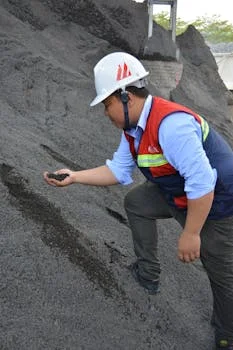
Sludge dewatering equipment primarily functions by applying mechanical force to separate liquid from solid components, thereby reducing sludge volume and improving handling characteristics. Each technology employs distinct mechanisms with varying effectiveness across different sludge types.
Screw Press: A screw press dewatering system utilizes a slowly rotating screw within a cylindrical screen to continuously compress sludge. As the screw moves, the volume between the screw flights decreases, gradually dewatering the sludge as water drains through the screen. This process typically achieves a sludge dryness percentage in Oman of 20–35% with low energy consumption, ranging from 0.2–0.5 kWh/m³ of dewatered sludge. Screw presses are ideal for continuous operation and handling relatively dilute municipal sludge but can be sensitive to highly abrasive industrial sludges.
Filter Press: A filter press employs a plate-and-frame design where sludge is pumped into chambers under high pressure, typically 6–15 bar, forcing water through filter cloths while retaining solids. This batch operation method can achieve the highest sludge dryness percentage, often between 35–50%, making it suitable for applications requiring maximum water removal. While filter presses have a higher capital cost due to their robust construction and batch nature, their lower operational chemical consumption for high-solid industrial sludge, such as that found in oil & gas facilities, can yield favorable long-term economics.
Centrifuge: Centrifuges separate solids from liquids by subjecting the sludge to high-speed rotation, typically 2,000–4,000 RPM, generating centrifugal force. The denser solids settle against the bowl wall and are then conveyed out, while the clarified liquid (centrate) is discharged. Centrifuges achieve a dryness of 25–40% and are favored for high-throughput applications, such as large municipal wastewater treatment plants or desalination facilities, due to their continuous operation and relatively compact footprint. However, they generally require more frequent maintenance and higher energy input compared to screw presses.
Electro-osmosis: Electro-osmosis is an emerging technology that uses an electric field to drive water molecules out of the sludge matrix. As demonstrated by Majan Solutions' pilot at Seeb STP, this method can achieve significant weight reduction (e.g., 54%) and improved dryness by overcoming capillary forces that typically retain water in sludge. While highly effective, its commercial deployment in Oman is currently limited, with higher initial investment and specific operational requirements.
Key parameters for evaluating sludge dewatering equipment include:
- Dryness (%): The percentage of solids in the dewatered cake.
- Throughput (m³/h): The volume of wet sludge processed per hour.
- Energy Use (kWh/m³): Electrical energy consumed per cubic meter of wet sludge.
- Chemical Consumption (kg polymer/ton DS): Amount of polymer required per ton of dry solids.
- Footprint (m²): The physical space required for installation.
The table below summarizes these key technical parameters for common dewatering technologies:
| Parameter | Screw Press | Filter Press | Centrifuge | Electro-osmosis (Emerging) |
|---|---|---|---|---|
| Dryness (%) | 20–35% | 35–50% | 25–40% | 40–60% (reported) |
| Throughput (m³/h) | 0.5–10 | 0.1–5 (batch) | 5–100+ | Limited commercial scale |
| Energy Use (kWh/m³) | 0.2–0.5 | 0.5–1.0 | 0.8–1.5 | 0.3–0.7 (reported) |
| Chemical Consumption (kg polymer/ton DS) | 1–3 | 0.5–2 | 1.5–3 | 0.5–1.5 (with pre-conditioning) |
| Footprint (m²) | Compact (5–20) | Medium (10–50) | Compact (5–30) | Medium (10–40) |
Sludge Dewatering Equipment Comparison: Screw Press vs. Filter Press vs. Centrifuge
Selecting the optimal sludge dewatering equipment in Oman requires a detailed comparison of technical specifications, operational demands, and suitability for specific sludge characteristics and local environmental factors. Screw presses, filter presses, and centrifuges each offer distinct advantages depending on the application.
Screw presses are often preferred for low-energy municipal sludge dewatering due to their continuous, automated operation and minimal operator intervention. They excel with sludge types that are not highly abrasive and typically achieve 20–35% dryness. In contrast, for high-solid industrial sludge, such as those generated by oil & gas facilities or manufacturing plants, a high-efficiency plate and frame filter press for industrial sludge dewatering often proves more effective. Filter presses can handle extremely challenging, abrasive sludges and consistently achieve higher dryness levels of 35–50%, leading to substantial reductions in sludge volume. However, they operate in batches and require more floor space.
Centrifuges are best suited for high-throughput applications, like large-scale municipal wastewater treatment plants or desalination facilities, where rapid processing of large volumes is critical. They offer a compact footprint relative to their capacity and achieve dryness levels of 25–40%. However, their higher maintenance requirements and energy consumption, particularly for abrasive sludges, must be factored into the total cost of ownership. Oman-specific factors, such as high salinity in desalination sludge, can impact the efficiency of screw presses by altering sludge flocculation, making filter presses or centrifuges potentially more robust choices for such challenging matrices. Similarly, filter presses are generally more resilient to abrasive industrial sludges common in the Sultanate, but their larger space requirement demands careful site planning.
Chemical conditioning, specifically polymer dosing, is critical for optimizing the performance of all mechanical dewatering methods. Effective polymer dosing for sludge dewatering, typically ranging from 0.5–3 kg/ton of dry solids, enhances flocculation, improving solid-liquid separation efficiency. Omani suppliers report that strategic sourcing of locally available flocculants can lead to approximately 20% cost savings in chemical consumption, directly impacting operational expenditure.
The following table provides a detailed comparison of these dewatering technologies:
| Feature | Screw Press | Filter Press | Centrifuge |
|---|---|---|---|
| Sludge Dryness Percentage Oman | 20–35% | 35–50% | 25–40% |
| Throughput Range (m³/h wet sludge) | 0.5–10 | 0.1–5 (batch) | 5–100+ |
| Energy Consumption (kWh/m³ wet sludge) | 0.2–0.5 | 0.5–1.0 | 0.8–1.5 |
| Polymer Dosing (kg/ton DS) | 1.0–3.0 | 0.5–2.0 | 1.5–3.0 |
| Maintenance Frequency | Low (monthly checks) | Medium (quarterly cloth changes) | High (monthly inspections, annual overhaul) |
| Footprint (m² for 5 m³/h) | ~10–15 | ~20–30 | ~15–25 |
| Suitable Sludge Types | Municipal, biological, low-abrasive industrial | Industrial (oil & gas, mining), chemical, high-solid | Municipal, high-volume industrial, fine solids |
| Oman-Specific Considerations | Less effective with high-salinity sludge; good for continuous operations. | Excellent for abrasive sludges; higher space requirement; batch operation. | High-throughput for large plants; sensitive to grit; higher energy costs. |
Cost Breakdown for Sludge Dewatering in Oman: CAPEX, OPEX, and ROI
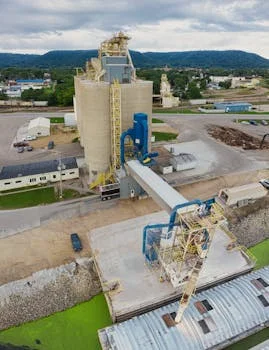
Understanding the full financial implications of sludge dewatering equipment in Oman is crucial for justifying investment and optimizing procurement decisions. Both Capital Expenditure (CAPEX) and Operational Expenditure (OPEX) contribute significantly to the total cost of ownership, while Return on Investment (ROI) provides a clear measure of long-term savings.
Capital Expenditure (CAPEX): Initial investment costs for dewatering equipment vary considerably by technology and capacity. A screw press typically ranges from OMR 50,000–150,000, offering a lower entry point for smaller to medium-scale operations. Filter presses, due to their robust construction and higher pressure capabilities, generally cost between OMR 80,000–300,000. Centrifuges, designed for high throughput, represent the highest initial investment, ranging from OMR 100,000–400,000. Local suppliers in Oman may offer 10–15% discounts for bulk orders or integrated plant solutions, providing an incentive for comprehensive project planning.
Operational Expenditure (OPEX): Ongoing costs are a primary driver of long-term viability. Energy consumption for dewatering equipment ranges from 0.2–1.5 kWh/m³ of wet sludge, with screw presses generally being the most energy-efficient. Chemical costs, primarily for polymer dosing, are a significant component, typically OMR 5–20 per ton of dry solids (DS). Labor costs usually involve 1–2 operators per shift for larger systems, while smaller, automated units require less direct oversight. Maintenance, including spare parts and routine servicing, can account for 5–10% of the CAPEX annually, with centrifuges often incurring higher maintenance expenses due to their high-speed rotating components.
Disposal Cost Savings and ROI Calculation: The most compelling financial benefit of dewatering is the reduction in sludge disposal costs. Dewatering reduces sludge volume by 50–70%, directly decreasing landfill fees. In Oman, landfill fees for wet sludge can range from OMR 20–50 per ton, while dewatered sludge, with its significantly reduced volume and weight, can cost OMR 5–15 per ton. For a hypothetical 100 m³/day plant, achieving an average OMR 30/ton disposal savings, a filter press might offer an ROI payback period of approximately 2.5 years, compared to 3.5 years for a screw press, depending on initial CAPEX and specific operational efficiencies. This sludge dewatering ROI calculation highlights the importance of matching equipment to sludge characteristics for optimal financial returns.
Hidden Costs: Beyond direct CAPEX and OPEX, consider hidden costs such as polymer storage facilities, sludge conditioning tanks, and odor control systems. The latter is particularly critical for food processing plants and municipal facilities located near residential areas, adding to the overall project budget.
The table below provides an estimated cost breakdown for typical sludge dewatering systems in Oman:
| Cost Category | Screw Press (Estimated Range) | Filter Press (Estimated Range) | Centrifuge (Estimated Range) |
|---|---|---|---|
| CAPEX (OMR) | 50,000–150,000 | 80,000–300,000 | 100,000–400,000 |
| Energy (OMR/m³ wet sludge) | 0.10–0.25 (at 0.05 OMR/kWh) | 0.25–0.50 | 0.40–0.75 |
| Chemicals (OMR/ton DS) | 5–15 | 5–10 | 7–20 |
| Labor (OMR/day) | 5–10 (part-time) | 10–20 (batch supervision) | 15–30 (continuous monitoring) |
| Maintenance (% CAPEX/year) | 5–7% | 7–8% | 8–10% |
| Disposal Savings (OMR/ton wet sludge reduction) | 10–25 | 15–30 | 10–20 |
Implementing an automated polymer dosing system for sludge conditioning can significantly optimize chemical consumption, further improving OPEX.
Choosing the Right Sludge Dewatering Supplier in Oman: Decision Framework
Selecting the appropriate sludge dewatering supplier in Oman extends beyond mere equipment specifications; it encompasses evaluating technical support, adherence to local compliance, and comprehensive after-sales service. A robust decision framework ensures long-term operational reliability and cost-effectiveness.
A critical supplier checklist includes verifying ISO 9001 certification, which indicates a commitment to quality management systems. Assess the supplier's local service network, prioritizing those with established offices or service teams in key industrial hubs like Muscat, Sohar, and Salalah. Request references from similar industrial sectors in Oman, particularly oil & gas, food processing, or desalination plants, to gauge their experience with comparable sludge types and operating conditions. Understanding how Saudi Arabia’s sludge dewatering market compares to Oman’s can offer valuable insights into regional supplier capabilities.
The choice between local and international suppliers involves trade-offs. Local suppliers, such as Majan Solutions or Vikas Pump, typically offer faster response times for technical support and spare parts, coupled with lower shipping costs. They also possess a deeper understanding of Oman's specific operational nuances and regulatory environment. Conversely, international suppliers like Xylem or Clear-Ion may provide a broader range of advanced technological options and extensive global expertise, but they can entail longer lead times for equipment delivery and potentially higher service costs.
After-sales support is paramount, especially for facilities in Oman’s remote locations. Prioritize suppliers that offer 24/7 hotlines, rapid on-site technical assistance, and comprehensive training programs for your plant operators. This ensures minimal downtime and efficient problem resolution.
Regulatory compliance is non-negotiable. Confirm that all proposed equipment meets Oman’s Ministry of Environment and Climate Affairs (MECA) standards for noise emissions, air quality, and the safe handling and disposal of chemicals. Suppliers should be able to provide documentation and certifications proving adherence to these local regulations.
For large-scale or complex projects, pilot testing is highly recommended. Suppliers like Ion Exchange often offer on-site pilot units, allowing you to validate the equipment's performance with your specific sludge characteristics under actual operating conditions before committing to a full-scale deployment. This mitigates risk and ensures the chosen technology meets your technical and economic objectives.
Frequently Asked Questions

What is the typical sludge dryness percentage achievable in Oman?
The achievable sludge dryness percentage in Oman typically ranges from 20-35% for screw presses, 35-50% for filter presses, and 25-40% for centrifuges. This varies based on sludge characteristics, polymer dosing efficiency, and equipment optimization. Electro-osmosis, an emerging technology, has demonstrated higher dryness levels, exceeding 50% in pilot projects.
How do Oman's sludge disposal regulations impact equipment choice?
Oman's Environmental Law (Royal Decree 114/2001) mandates sludge stabilization before landfill disposal, with significant fines for non-compliance. This regulation directly influences equipment choice by favoring technologies that achieve higher dryness, thus reducing disposal volume and ensuring compliance. Equipment must also meet MECA standards for emissions and chemical use.
What are the main operational challenges for sludge dewatering in Oman?
Key operational challenges include managing high-salinity sludge from desalination plants, handling abrasive industrial sludges common in oil & gas, and addressing high FOG content from food processing. Remote locations necessitate robust equipment and reliable after-sales support. Optimizing polymer dosing for varied sludge types is also a continuous operational concern.
Can polymer dosing really reduce operating costs in Oman?
Yes, effective polymer dosing for sludge dewatering significantly reduces operating costs. By enhancing flocculation, it improves solid-liquid separation, leading to higher dryness percentages and reduced sludge volume. This directly translates to lower transportation and landfill disposal costs. Local sourcing of flocculants can further contribute to cost savings, with reports of up to 20% reduction.