GaN wastewater holds 50–500 mg/L of recoverable gallium and up to 100 mg/L of arsenic, so semiconductor GaN wastewater gallium recovery pairs DAF, MBR, two-pass RO, and evaporative crystallization to reach 99.9% gallium recovery and 95% water reuse.
Why GaN Wastewater Demands Dedicated Resource Recovery
GaN fab effluent carries 50–500 mg/L gallium, up to 100 mg/L arsenic, 200–1,000 mg/L ammonia, and 100–300 mg/L fluoride. GB 8978-2024 caps gallium below 1 mg/L and arsenic below 0.01 mg/L, and a 100 m³/h line risks $250,000 per year in penalties. Recovery converts that liability into revenue.
Gallium prices have swung between $300–$600/kg from 2025 into 2027. Supply is concentrated: according to USGS data cited by Wikipedia, China produced 98 percent of the world's low-purity gallium in 2024. Semiconductor applications account for 98% of total gallium demand (Wikipedia), so any supply shock lands directly on fab economics. That combination makes on-site gallium recovery from wastewater a resilience decision, not just an environmental one.
Demand keeps climbing because GaN transistors now serve EV traction inverters, 5G base stations, and compact chargers, per Wikipedia's gallium nitride overview. Every new GaN line adds gallium-bearing effluent. Regulatory exposure compounds the risk: GB 8978-2024 penalties for gallium above 1 mg/L and arsenic above 0.01 mg/L can exceed $250,000 per year for a 100 m³/h fab line, with real-time monitoring triggering immediate fines (MEE 2025 enforcement data). Traditional precipitation wastes 10–15% of gallium input annually, as reported by Tsinghua University in 2024. Without advanced third-generation semiconductor wastewater treatment, fabs absorb both the penalties and the lost metal value.
The contaminant profile is chemically stubborn. GaN is a wide-bandgap III/V semiconductor noted for chemical robustness (Wikipedia), so its lattice resists simple dissolution and shrugs off conventional clarification. Ammonia at 200–1,000 mg/L and fluoride at 100–300 mg/L add biological and scaling burdens that single-stage plants cannot handle. This composition forces a multi-stage train to reach discharge limits and unlock reuse.
Characterization discipline decides everything downstream. A single 24-hour composite often hides batch dumps from MOCVD cleaning cycles, so most commissioning engineers sample across a full production week before freezing design flows. Arsenic speciation also affects rejection behavior across the RO stage, so confirm it during characterization rather than after startup. Get these two inputs wrong and every downstream stage undersizes.
Gallium Recovery from Semiconductor Fab Wastewater: The Economic Case
Gallium recovery from semiconductor fab wastewater converts a $250,000-per-year compliance liability into revenue at 99.9% metal recovery. Hybrid ZLD systems — DAF, MBR, two-pass RO, and evaporative crystallizers — also remove more than 99.5% of arsenic and return 95% of water to fab processes. The combined effect delivers a $2.1M ROI over five years for a typical line.
The revenue logic is straightforward. Every kilogram of gallium captured on-site is a kilogram the fab does not buy at spot price amid export controls, and every cubic meter reused is water the municipality does not have to supply. Fabs that treat recovery as a byproduct line rather than a cost center consistently run these trains at higher availability. The economics compound with each gallium price spike.
Zero liquid discharge, per Wikipedia, describes water treatment processes intended to reduce wastewater efficiently and produce clean water suitable for reuse. Conventional ZLD plants pre-concentrate brine with membrane brine concentrators or electrodialysis, then finish with evaporation and crystallization, and they routinely recover byproducts such as sodium sulfate and gypsum. The GaN train below follows that same two-phase logic with gallium-specific hardware. The stages and their set-points follow.
Hybrid ZLD System for GaN Wastewater: Step-by-Step Process Flow
A hybrid ZLD system for GaN wastewater chains four stages, each engineered against the contaminant profile above. The integration delivers GaN wastewater resource recovery alongside compliance. Field set-points for each stage follow, with benchmark performance noted.
Stage 1: Dissolved Air Flotation (DAF)
DAF pretreatment removes 90–95% of suspended solids and colloidal GaN particles from initial fab effluent. Saturation pressure runs 4–6 bar, recycle ratio 10–15%, and hydraulic retention time 30–60 minutes. HydropureWater benchmarks show DAF systems achieving 92% TSS removal at influent concentrations of 50–500 mg/L. Most plants we commission hold recycle near the bottom of that band once colloidal load is characterized.
Stage 2: Membrane Bioreactor (MBR)
Integrated MBR systems use submerged PVDF membranes with a 0.1 μm pore size for biological treatment. These DF series MBR modules deliver 92–97% COD removal from 500–1,500 mg/L influent and 95–98% NH₃-N removal. Aeration and membrane scouring draw 0.2–0.4 kWh/m³. Fabs that also run CMP lines often pretreat those streams separately — our ceramic membrane wastewater guide covers CMP ultrafiltration — before combining flows for biology.
Stage 3: Reverse Osmosis (RO)
A two-pass RO system for arsenic and fluoride removal in GaN wastewater is critical for meeting discharge and reuse limits. The first pass achieves 75–85% water recovery and 99% salt rejection. The second pass refines permeate to 90% recovery and 99.5% arsenic rejection. RO permeate consistently meets GB 8978-2024, with arsenic below 0.01 mg/L and fluoride below 10 mg/L.
Stage 4: Evaporative Crystallizer GaN Wastewater Treatment
The evaporative crystallizer concentrates RO reject for gallium recovery from wastewater as Ga(OH)₃ precipitate. Operating temperatures run 90–100°C under 0.1–0.2 bar vacuum. This stage achieves 99.9% gallium recovery from the concentrated stream and enables 95% water reuse for internal fab processes, completing the zero liquid discharge for GaN objective. Vacuum operation keeps the boiling point low enough to avoid gallium volatilization losses.
Refractory GaN material needs pretreatment ahead of this train. Mechanochemical methods (ball milling) avoid hazardous chemicals but require 20–30 kWh/kg Ga. Hydrometallurgical acid leaching offers high recovery but generates hazardous waste. Pyrometallurgical thermal decomposition is energy-intensive yet effective for arsenic volatilization and gallium recovery.
| Treatment Stage | Key Parameter | Specification Range | Achieved Performance (HydropureWater Benchmarks) |
|---|---|---|---|
| DAF | Saturation Pressure | 4–6 bar | 92% TSS removal (50–500 mg/L influent) |
| Retention Time | 30–60 min | ||
| MBR (DF Series) | Membrane Pore Size | 0.1 μm (PVDF) | 92–97% COD removal (500–1,500 mg/L influent) |
| Energy for Aeration | 0.2–0.4 kWh/m³ | 95–98% NH₃-N removal | |
| RO (Two-Pass) | 1st Pass Recovery | 75–85% | 99% Salt Rejection |
| 2nd Pass Recovery | 90% | 99.5% Arsenic Rejection (As <0.01 mg/L) | |
| Evaporative Crystallizer | Operating Temperature | 90–100°C | 99.9% Gallium Recovery |
| Vacuum Pressure | 0.1–0.2 bar | 95% Water Reuse |
Interstage design details separate smooth trains from troublesome ones. Equalization ahead of the MBR dampens batch dumps from wafer cleaning; conductivity and pH probes at each transfer protect downstream membranes; and a bypass around the crystallizer keeps the biological train running during maintenance windows. Budget instrumentation as carefully as the process vessels themselves.
Pretreatment Methods for GaN: Mechanochemical vs. Hydrometallurgical vs. Pyrometallurgical
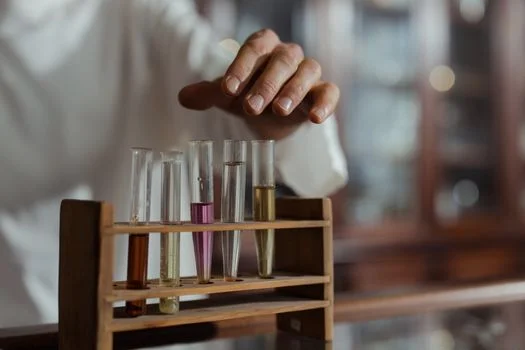
Pretreatment choice moves gallium recovery between roughly 90% and 98% and energy use between 5–10 and 50–70 kWh/kg Ga, so it deserves the most scrutiny in design reviews. Selection is critical for efficient gallium recovery from wastewater and overall system performance. Each method trades chemical use, energy, and CAPEX differently. Fabs running silica dicing lines can also pair this train with a ceramic membrane water stage upstream of biological treatment.
Mechanochemical Pretreatment (Ball Milling)
Mechanochemical ball milling breaks the highly stable GaN lattice through intense mechanical energy. The method achieves up to 95% leaching efficiency and suits fabs with strict EHS policies because it avoids hazardous chemicals. The trade-off is energy: 20–30 kWh per kilogram of gallium processed. Mills also need dust containment, since GaN powder irritates skin, eyes, and lungs (Wikipedia).
Hydrometallurgical Pretreatment (Acid Leaching)
Hydrometallurgical acid leaching employs strong acids such as H₂SO₄ or HCl at 80–90°C for 2–4 hours to dissolve GaN. Recovery rates reach roughly 90%. The drawbacks are arsenic-laden sludge requiring specialized disposal and a leachate that must be neutralized to pH 7–9 before biological stages. Low CAPEX keeps this route attractive where hazardous waste contracts already exist.
Pyrometallurgical Pretreatment (Thermal Decomposition)
Pyrometallurgical decomposition heats GaN to 800–1,000°C in an inert atmosphere, volatilizing arsenic away from the gallium. Recovery reaches about 98%, the highest of the three routes. Energy use is also highest at 50–70 kWh/kg Ga, so this route typically appears in high-volume fabs with on-site energy recovery systems to offset operating cost.
Sludge handling and EHS posture often decide the tie-breaks. Ball milling leaves only spent media for disposal; acid routes add a hazardous sludge stream with cradle-to-grave paperwork; thermal routes need off-gas scrubbing for the volatilized arsenic. Plants inside chemical parks with licensed treatment access find pyrometallurgy easier to permit than standalone greenfield sites do.
| Pretreatment Method | Gallium Recovery Rate | Energy Use (kWh/kg Ga) | Chemical Input | CAPEX (Relative) | Key Pros/Cons |
|---|---|---|---|---|---|
| Mechanochemical (Ball Milling) | ~95% | 20–30 | Minimal | Medium | Avoids hazardous chemicals; high energy demand. |
| Hydrometallurgical (Acid Leaching) | ~90% | 5–10 (for heating) | H₂SO₄/HCl, Neutralizing agents | Low | High recovery; generates hazardous arsenic sludge. |
| Pyrometallurgical (Thermal Decomposition) | ~98% | 50–70 | Inert gas (e.g., N₂) | High | Excellent arsenic volatilization; very high energy cost. |
(Data adapted from Royal Society of Chemistry 2025 and internal engineering estimates)
CAPEX/OPEX Breakdown: Hybrid ZLD vs. Conventional Treatment
A hybrid ZLD system CAPEX for a 100 m³/h GaN facility typically runs $3.2M–$4.5M, well above conventional precipitation, but delivers a stronger long-term ROI. The investment splits into roughly $250K for DAF, $800K for MBR, $1.2M for RO, $1M for the evaporative crystallizer, and $500K for automation and controls. Conventional precipitation and clarification, by comparison, has a CAPEX of $1.8M–$2.5M.
OPEX for hybrid ZLD averages $0.80–$1.20/m³. Energy accounts for $0.30–$0.50/m³, membrane replacement $0.15–$0.25/m³, chemical dosing $0.10–$0.20/m³, and labor $0.10–$0.15/m³. Conventional treatment runs higher at $1.50–$2.00/m³ because hazardous sludge disposal costs $500–$2,000/ton. Conventional plants also lose 10–15% of input gallium, which never returns as revenue.
The ROI drivers include high-value gallium recovery from wastewater at $300–$600/kg, water reuse cutting freshwater intake by 30–50%, and penalty avoidance worth up to $250K per year. Together they produce a payback period of 2.5–3.5 years for a 100 m³/h system. Few fab investments clear that hurdle with the same certainty of feedstock.
Two cost lines move these estimates most in practice. Energy tariffs shift crystallizer-heavy designs sharply, so plants with waste-heat access gain an immediate edge; membrane life, in turn, depends on how faithfully pH and antiscalant dosing are maintained. Contract for performance-linked OPEX bands rather than fixed quotes to keep vendor incentives aligned with plant reality.
| Cost Category | Hybrid ZLD System (100 m³/h) | Conventional Treatment (100 m³/h) |
|---|---|---|
| CAPEX Breakdown | ||
| Total CAPEX | $3.2M–$4.5M | $1.8M–$2.5M |
| DAF | $250K | Included (~$150K) |
| MBR | $800K | N/A (secondary clarification) |
| RO | $1.2M | N/A (if not required for reuse) |
| Crystallizer | $1M | N/A |
| Automation & Controls | $500K | $300K |
| OPEX Breakdown (per m³) | ||
| Total OPEX | $0.80–$1.20 | $1.50–$2.00 |
| Energy | $0.30–$0.50 | $0.20–$0.30 |
| Membrane Replacement | $0.15–$0.25 | N/A |
| Chemicals | $0.10–$0.20 | $0.40–$0.60 (for precipitation) |
| Labor | $0.10–$0.15 | $0.10–$0.15 |
| Sludge Disposal | Minimal | $0.80–$1.00 (significant cost) |
| ROI Drivers & Payback Period | ||
| Gallium Recovery Value | High ($300–$600/kg) | Lost (10–15% of input) |
| Water Reuse | 30–50% reduction in intake | Minimal |
| Penalty Avoidance | $250K/year | High risk |
| Payback Period | 2.5–3.5 years | N/A (net loss) |
Case Study: Zero Liquid Discharge Gallium Arsenide Wastewater Treatment at a Jiangsu Fab
A HydropureWater hybrid ZLD system treated 100 m³/h of GaN wastewater at a major Jiangsu semiconductor fab whose mixed effluent included gallium arsenide processing streams. Influent carried 350 mg/L Ga, 85 mg/L As, 600 mg/L NH₃, 200 mg/L F⁻, and 1,200 mg/L TDS. Post-treatment effluent beat GB 8978-2024 and internal reuse specs: gallium below 0.1 mg/L, arsenic below 0.005 mg/L, ammonia below 1 mg/L, fluoride below 5 mg/L, and TDS under 50 mg/L.
Commissioning surfaced two lessons worth copying. RO membranes fouled under high fluoride until pH was trimmed to 6.5–7.0 ahead of the unit; arsenic scaling in the crystallizer was then suppressed with continuous antiscalant dosing at 5–10 mg/L, keeping gallium recovery from wastewater stable. The fab now books $1.8M/year in gallium revenue, $400K/year in water savings, and $250K/year in avoided penalties. Total ROI reached $2.45M over five years, a clear case for zero liquid discharge for GaN.
Ramp behavior followed a familiar curve. The first quarter ran conservatively while operators calibrated the dosing loops, and full-design recovery held from the second quarter onward once pH and antiscalant set-points locked in. Remote monitoring of the crystallizer vacuum now flags scaling trends days before pressure alarms, which is exactly when cleaning is cheapest.
How to Select a Semiconductor GaN Wastewater Gallium Recovery System
Selection comes down to influent characterization, pretreatment fit, membrane chemistry, ROI modeling, and pilot validation, in that order. A structured framework keeps semiconductor GaN wastewater gallium recovery decisions anchored to data rather than vendor claims. Work through five steps before committing CAPEX.
Who benefits most: GaN LED and power-device fabs running meaningful volumes, and any site already facing GB 8978-2024 exceedances on gallium or arsenic. Fabs with small, stable, low-gallium streams may find simple precipitation cheaper upfront and can defer the crystallizer. Decide with data, not vendor enthusiasm.
- Step 1: Assess Influent Quality. Conduct 24-hour composite sampling to characterize influent concentrations of Ga, As, NH₃, F⁻, and TDS. This data is crucial for precisely sizing the DAF and MBR stages.
- Step 2: Evaluate Pretreatment Options. Select a pretreatment method based on fab constraints, including EHS policies, energy availability, and CAPEX. Mechanochemical methods are preferred for strict EHS compliance, while hydrometallurgical options may suit high-volume fabs with robust waste management protocols.
- Step 3: Compare Membrane Technologies. PVDF membranes such as those in DF series MBR modules offer 10–20× lower energy consumption compared to ceramic membranes, though ceramic membranes provide stronger resistance to high fluoride concentrations at 3–5× higher cost. For the RO stage, consider the performance of two-pass RO systems for arsenic and fluoride removal.
- Step 4: Model Return on Investment (ROI). Develop a comprehensive ROI model incorporating current gallium market prices, local water costs, and potential penalty risks. Hybrid ZLD systems typically justify their CAPEX for wastewater volumes exceeding 10 m³/h.
- Step 5: Request Pilot Testing. Validate system performance on your fab's specific wastewater through a 4–6 week pilot test. Key metrics to monitor include gallium recovery rate, arsenic rejection efficiency, and membrane fouling rates.
GaN lines above 10 m³/h with gallium above 50 mg/L are the natural fit for this train; smaller LED or GaAs lines may suit simpler precipitation plus filtration. Send your composite sampling data and target discharge limits through our quote request form for a sized ZLD proposal with a worked ROI model.
Frequently Asked Questions
What are the GB 8978-2024 limits for gallium and arsenic in semiconductor wastewater?
GB 8978-2024 sets discharge limits below 1 mg/L for gallium and below 0.01 mg/L for arsenic. Exceedances trigger immediate fines and potential production halts under MEE 2025 enforcement data. A 100 m³/h line risks roughly $250,000 per year in penalties, which is why most fabs now install online Ga and As analyzers ahead of the discharge point.
How does mechanochemical pretreatment compare to acid leaching for GaN recovery?
Mechanochemical ball milling avoids hazardous chemicals and reaches roughly 95% leaching efficiency but needs 20–30 kWh/kg of gallium. Acid leaching with H₂SO₄ or HCl achieves about 90% recovery at 80–90°C, yet generates arsenic-laden sludge requiring specialized disposal. That waste burden makes mechanochemical pretreatment for GaN the usual choice under strict EHS policies.
What is the typical payback period for a hybrid ZLD system in a semiconductor fab?
A 100 m³/h hybrid ZLD system pays back in 2.5–3.5 years. The drivers are gallium recovery from wastewater valued at $300–$600/kg, water reuse that cuts freshwater intake by 30–50%, and penalty avoidance worth up to $250K per year. Wastewater volumes above 10 m³/h generally justify the CAPEX on these terms.
Can hybrid ZLD systems handle fluoride in GaN wastewater?
Yes, provided fluoride is managed actively at every stage. Concentrations of 100–300 mg/L require pH adjustment to 6.5–7.0 ahead of the RO stage to prevent membrane scaling. Antiscalant dosing at 5–10 mg/L in the evaporative crystallizer then controls arsenic scaling, as the Jiangsu case demonstrated after early fouling events.
What are the key maintenance requirements for a GaN wastewater recovery system?
GaN recovery trains run on a tiered cleaning calendar. DAF skimmer blades are cleaned weekly; MBR membranes receive monthly citric acid and NaOCl cycles for inorganic and organic fouling; RO racks undergo quarterly clean-in-place with alternating alkaline and acid washes. The evaporative crystallizer needs an annual tube bundle inspection to remove scaling and restore heat transfer.