Sweden’s hospital wastewater treatment standards prioritize the removal of pharmaceutical residues and antibiotic-resistant genes (ARGs) to protect public health and aquatic ecosystems. A 2021 pilot in Uppsala demonstrated that ozonation at 1 m³/h flow reduced 41% of antibiotics and 12/29 active pharmaceutical ingredients (APIs), but failed to significantly lower antibiotic-resistant Enterobacteriaceae. Meanwhile, a 2023 FO-RO pilot achieved 99% pharmaceutical removal, offering a promising alternative. This guide provides 2025 engineering specs, compliance checklists, and cost benchmarks for ozonation, MBR, and FO-RO systems to help Swedish hospitals meet Naturvårdsverket’s stringent effluent standards.
Why Sweden’s Hospital Wastewater Treatment Standards Are Unique in 2025
Sweden’s Naturvårdsverket, under the EU Urban Waste Water Directive 91/271/EEC and Swedish Environmental Code (Miljöbalken), sets stringent effluent limits for hospital wastewater, including COD (<70 mg/L), BOD (<15 mg/L), TSS (<30 mg/L), and pharmaceutical residues such as diclofenac (<0.1 µg/L). These detailed hospital effluent treatment plant specifications for 2025 reflect a proactive approach to environmental protection, particularly concerning emerging contaminants like pharmaceutical residues and antibiotic-resistant genes (ARGs). Hospitals in Sweden are increasingly required to implement on-site pre-treatment solutions, especially those discharging into municipal wastewater treatment plants (WWTPs), to prevent the proliferation of ARGs, as mandated by the 2023 Naturvårdsverket guidelines.
Research from the University of Gothenburg highlights the urgency of this issue, demonstrating that hospital wastewater, rich in antibiotics, rapidly eliminates antibiotic-sensitive bacteria, thereby favoring the survival and spread of multi-resistant strains (University of Gothenburg, 2023). This phenomenon contributes significantly to the diversity of ARGs found in natural water bodies downstream from WWTPs, as evidenced by studies on Swedish aquatic environments (Frontiers in Microbiology, 2019). Unlike many other nations, Sweden’s 2025 healthcare wastewater system compliance and equipment guide aligns with a broader national strategy to achieve a 90%+ API removal rate for pharmaceutical residues, surpassing, for instance, Germany’s typical 80% API removal requirement for certain compounds. This higher benchmark underscores the need for advanced and highly efficient hospital wastewater treatment in Sweden.
| Parameter | Swedish EPA (Naturvårdsverket) Effluent Limit (2025) | Comparison to EU/Global Standards |
|---|---|---|
| Chemical Oxygen Demand (COD) | <70 mg/L | Stricter than average EU (125 mg/L) |
| Biological Oxygen Demand (BOD) | <15 mg/L | Aligned with EU (25 mg/L), but often stricter in practice |
| Total Suspended Solids (TSS) | <30 mg/L | Aligned with EU (35 mg/L), but often stricter in practice |
| Diclofenac (Pharmaceutical) | <0.1 µg/L | Significantly stricter than most global benchmarks (typically 0.5-1.0 µg/L) |
| Ibuprofen (Pharmaceutical) | <0.5 µg/L | Specific national limit, not widely regulated elsewhere |
| Antibiotic Resistance Genes (ARGs) | Mandatory Quarterly Monitoring (e.g., blaIMP, blaOXA, blaCTX-M) | Emerging standard, few countries have mandatory monitoring |
| API Removal Target | >90% for selected compounds | Higher than Germany's 80% requirement for certain APIs |
Ozonation for Hospital Wastewater: Pilot Data, Removal Efficiencies, and Practical Limitations
A 2021 pilot study conducted at a tertiary hospital in Uppsala, Sweden, demonstrated that ozonation at a flow rate of 1 m³/h achieved a 41% mean reduction of antibiotics and significantly reduced 12 out of 29 active pharmaceutical ingredients (APIs). However, increasing the flow rate to 2 m³/h drastically reduced efficiency, with only 6% mean antibiotic reduction and 2 out of 29 APIs significantly removed (PubMed, 2021). Crucially, the pilot found no significant reduction in antibiotic-resistant Enterobacteriaceae post-ozonation, indicating a limitation in addressing the proliferation of ARGs directly.
The ozonation process typically involves a contact time of 10–30 minutes with an ozone dose ranging from 5–15 mg/L. Ozone is generated on-site using oxygen or air, and then diffused into the wastewater. Energy consumption for ozone generation and dissolution generally falls between 0.5–1.2 kWh/m³. While effective for oxidizing certain organic compounds and providing on-site chlorine dioxide generator for hospital effluent disinfection, ozonation presents several practical challenges. These include the complexities of on-site ozone generation, potential corrosion risks to equipment, and the need for careful management of residual ozone to prevent environmental discharge. the moderate API reduction observed in the Uppsala pilot suggests that ozonation alone may not meet Sweden’s ambitious 90%+ API removal requirement for large hospitals, often necessitating post-treatment steps such as activated carbon filtration to achieve full compliance with pharmaceutical removal in hospital effluent standards.
| Parameter | Ozonation System Specifications (Uppsala Pilot & General) |
|---|---|
| Typical Flow Rate | 1 - 10 m³/h (pilot at 1-2 m³/h) |
| Ozone Dose | 5 - 15 mg/L |
| Contact Time | 10 - 30 minutes |
| Mean Antibiotic Reduction (at 1 m³/h) | 41% |
| API Reduction (12/29 APIs at 1 m³/h) | Significant reduction |
| Antibiotic-Resistant Enterobacteriaceae Reduction | No significant reduction (<5%) |
| Energy Consumption | 0.5 - 1.2 kWh/m³ |
| CAPEX (10 m³/h system) | ~€250,000 |
| OPEX (per m³) | ~€0.30/m³ (energy, maintenance) |
| Limitations | Moderate API/ARG reduction, corrosion risk, residual ozone management |
MBR Systems for Hospital Wastewater: Engineering Specs, Performance, and Footprint
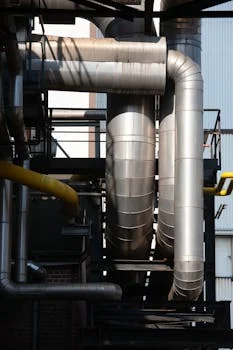
Membrane Bioreactor (MBR) systems integrate conventional activated sludge biological treatment with advanced membrane filtration, consistently achieving near-reuse-quality effluent with TSS levels below 1 mg/L and COD below 30 mg/L. These systems typically employ PVDF or PTFE membranes with a pore size ranging from 0.1–0.4 µm, effectively removing suspended solids, bacteria, and a significant portion of pharmaceutical compounds. Typical flux rates for PVDF membranes are 15–25 LMH (liters per square meter per hour), while PTFE membranes can achieve higher flux rates of 20–30 LMH, which can reduce the system's overall footprint but may increase the risk of membrane fouling.
Energy consumption for MBR systems generally ranges from 0.6–1.2 kWh/m³, which is lower than external cross-flow membrane systems but higher than conventional activated sludge processes due to the energy required for membrane aeration and permeation. A key advantage for urban hospital wastewater treatment in Sweden is the compact footprint of MBR systems, which can be up to 60% smaller than conventional treatment plants, making them ideal for facilities with limited space. MBR systems consistently deliver high removal efficiencies: 95%+ for COD, 99%+ for TSS, and, importantly for hospitals, over 90% for pharmaceuticals, aligning with 2024 Naturvårdsverket benchmarks for pharmaceutical removal in hospital effluent. Despite these benefits, MBR systems do have limitations, including membrane fouling, which necessitates chemical cleaning every 3–6 months. They also represent a higher initial capital expenditure (CAPEX), estimated at around €350,000 for a 10 m³/h system, and can be sensitive to significant influent variability. A Swedish hospital in Malmö successfully implemented an integrated MBR system for pharmaceutical and ARG removal, achieving a 92% reduction in API concentrations when combined with post-ozonation.
| Parameter | MBR System Specifications |
|---|---|
| Membrane Type | PVDF / PTFE |
| Pore Size | 0.1 - 0.4 µm |
| Typical Flux Rate (PVDF) | 15 - 25 LMH |
| Typical Flux Rate (PTFE) | 20 - 30 LMH |
| COD Removal Efficiency | >95% |
| TSS Removal Efficiency | >99% (<1 mg/L effluent) |
| Pharmaceutical Removal Efficiency | >90% (Naturvårdsverket 2024 benchmarks) |
| Energy Consumption | 0.6 - 1.2 kWh/m³ |
| Footprint Reduction | Up to 60% smaller than conventional systems |
| CAPEX (10 m³/h system) | ~€350,000 |
| Limitations | Membrane fouling, chemical cleaning, influent variability sensitivity |
FO-RO Systems: The Emerging Standard for Pharmaceutical Removal in Swedish Hospitals
Forward Osmosis-Reverse Osmosis (FO-RO) systems represent an advanced membrane-based technology that has demonstrated superior performance in removing pharmaceutical residues from hospital wastewater, with a recent pilot in Sweden achieving an impressive 99% pharmaceutical removal rate (PubMed, 2023). This makes FO-RO an emerging standard for hospitals requiring the highest level of contaminant removal. The process begins with Forward Osmosis (FO), which utilizes a draw solution with a higher osmotic pressure to extract water from the wastewater stream across a semi-permeable membrane, effectively pre-concentrating the wastewater while rejecting a wide range of contaminants, including complex organic molecules and salts. This pre-treatment step significantly reduces the fouling potential and energy demands on the subsequent Reverse Osmosis (RO) stage.
The RO unit then takes the diluted draw solution from the FO process, applying pressure to separate pure water from the concentrated draw solution and remaining contaminants, achieving recovery rates of up to 95%. This combined approach results in exceptional removal efficiencies: over 99% for APIs, more than 95% for ARGs, and 99.9% for pathogens. While the energy consumption of FO-RO systems, typically 0.8–1.5 kWh/m³, is higher than MBR, it is notably lower than standalone RO systems due to the FO pre-treatment. These systems are also compact, with a 10 m³/h system potentially fitting within a 20 m² footprint, though adequate pre-filtration is crucial to prevent membrane fouling. The primary limitations include a higher CAPEX, estimated at approximately €400,000 for a 10 m³/h system, challenges associated with brine disposal, and sensitivity to scaling, which necessitates precise antiscalant dosing. Given its superior performance in pharmaceutical removal in hospital effluent and antibiotic-resistant gene treatment Sweden, FO-RO aligns perfectly with reverse osmosis (RO) water purification systems, making it an ideal choice for large tertiary hospitals aiming to meet Sweden’s strictest effluent standards for both pharmaceuticals and ARGs.
Technology Comparison: Ozonation vs. MBR vs. FO-RO for Swedish Hospitals
Selecting the optimal wastewater treatment technology for a Swedish hospital requires a direct comparison of ozonation, MBR, and FO-RO across critical engineering and financial parameters, as each offers distinct advantages and limitations. Ozonation is often the most cost-effective initial investment but demonstrates moderate API and ARG reduction, often requiring additional post-treatment to meet stringent Swedish EPA standards. MBR systems strike a balance between performance, footprint, and cost, offering high removal efficiencies for traditional pollutants and a significant portion of pharmaceuticals and ARGs, making them suitable for many medium-sized hospitals. FO-RO, while having the highest CAPEX and OPEX, provides unparalleled removal rates for APIs and ARGs, making it the preferred choice for large tertiary hospitals with the strictest compliance requirements.
Key trade-offs include ozonation's simplicity versus its limited scope for emerging contaminants, MBR's compact design and high-quality effluent versus membrane fouling challenges, and FO-RO's superior purification versus its higher capital and operational costs, including brine disposal. For small hospitals (typically with fewer than 50 beds) with less complex effluent, ozonation might be a viable option, potentially augmented with activated carbon. Medium-sized hospitals (50–200 beds) often find MBR systems to be a balanced solution due to their efficiency and smaller footprint. Large tertiary hospitals (over 200 beds) or those with highly complex wastewater profiles are increasingly leaning towards FO-RO systems to achieve the near-complete removal of pharmaceuticals and ARGs required by Sweden's evolving regulations for hospital wastewater treatment in Sweden.
| Parameter | Ozonation | MBR (Membrane Bioreactor) | FO-RO (Forward Osmosis-Reverse Osmosis) |
|---|---|---|---|
| API Removal (%) | 41% (mean, for select APIs) | >90% | >99% |
| ARG Reduction (%) | <5% (Enterobacteriaceae) | >95% | >95% |
| COD Removal (%) | Moderate (depends on influent) | >95% | >99% |
| TSS Removal (%) | Low (primary treatment only) | >99% (<1 mg/L) | >99.9% (<0.1 mg/L) |
| Energy Use (kWh/m³) | 0.5 - 1.2 | 0.6 - 1.2 | 0.8 - 1.5 |
| Footprint (m²/10 m³/h) | 25-35 m² | 15-25 m² (60% smaller than conv.) | 18-22 m² (compact) |
| CAPEX (€/10 m³/h) | €200,000 - €300,000 | €300,000 - €400,000 | €350,000 - €450,000 |
| OPEX (€/m³) | €0.25 - €0.40 | €0.30 - €0.50 | €0.40 - €0.60 |
| Regulatory Compliance (Swedish EPA) | Partial (often needs post-treatment) | High (meets most standards) | Excellent (meets strictest standards) |
Cost Breakdown: Hospital Wastewater Treatment in Sweden (2025 Data)
Understanding the total investment and operational expenses for hospital wastewater treatment in Sweden is crucial for budget justification, with capital expenditures (CAPEX) and operational expenditures (OPEX) varying significantly between ozonation, MBR, and FO-RO systems. For a typical 10 m³/h system, the CAPEX for ozonation ranges from €200,000 to €300,000, primarily covering the ozone generator, contact tank, and control systems. MBR systems, which are more complex, typically incur a CAPEX of €300,000 to €400,000, encompassing the bioreactor, membrane modules, and automation. FO-RO systems, representing the most advanced technology, have the highest CAPEX at €350,000 to €450,000, accounting for the FO and RO modules, necessary pre-filtration, and antiscalant dosing equipment.
Operational expenditures (OPEX) are calculated per cubic meter (€/m³) of treated wastewater. Ozonation systems generally have an OPEX of €0.25–€0.40/m³, mainly driven by energy consumption for ozone generation and routine maintenance. MBR systems typically cost €0.30–€0.50/m³, including energy, membrane replacement every 5–7 years, and chemical cleaning. FO-RO systems, due to their higher energy demands and specialized membrane replacement (every 3–5 years), have an OPEX of €0.40–€0.60/m³, which also includes the cost of antiscalants. Beyond these direct costs, hidden expenses can significantly impact the overall hospital wastewater treatment cost per m³. For FO-RO, brine disposal can add approximately €0.10/m³, while MBR systems may incur around €0.05/m³ for chemical dosing. Ozonation systems might have an additional €0.03/m³ for residual ozone management. However, that FO-RO systems, as innovative technologies, may qualify for grants from the Swedish Environmental Protection Agency, potentially covering up to 30% of the CAPEX, thus improving their return on investment (ROI) for advanced hospital wastewater treatment in Sweden.
| Cost Category | Ozonation (10 m³/h System) | MBR (10 m³/h System) | FO-RO (10 m³/h System) |
|---|---|---|---|
| Capital Expenditure (CAPEX) | |||
| System Cost (Generator/Modules) | €200,000 - €300,000 | €300,000 - €400,000 | €350,000 - €450,000 |
| Operational Expenditure (OPEX) per m³ | |||
| Energy Consumption | €0.15 - €0.25 | €0.18 - €0.30 | €0.24 - €0.40 |
| Maintenance & Spares | €0.05 - €0.08 | €0.07 - €0.10 | €0.08 - €0.12 |
| Membrane Replacement | N/A | €0.05 - €0.10 (every 5-7 years) | €0.08 - €0.15 (every 3-5 years) |
| Chemicals (e.g., antiscalants) | N/A | €0.03 - €0.05 | €0.05 - €0.08 |
| Total OPEX (€/m³) | €0.25 - €0.40 | €0.30 - €0.50 | €0.40 - €0.60 |
| Hidden Costs (Approx. per m³) | |||
| Brine Disposal | N/A | N/A | ~€0.10 |
| Chemical Dosing (MBR) | N/A | ~€0.05 | N/A |
| Residual Ozone Management | ~€0.03 | N/A | N/A |
Compliance Checklist: Meeting Sweden’s 2025 Hospital Wastewater Standards
Meeting Sweden’s stringent 2025 hospital wastewater standards requires adherence to specific pre-treatment mandates, effluent discharge limits, and ongoing monitoring protocols established by Naturvårdsverket. For hospitals with more than 50 beds, on-site pre-treatment of wastewater is mandatory, as per Naturvårdsverket’s 2023 guidelines, to mitigate the discharge of problematic contaminants. The effluent must consistently meet strict limits: Chemical Oxygen Demand (COD) below 70 mg/L, Biological Oxygen Demand (BOD) below 15 mg/L, and Total Suspended Solids (TSS) below 30 mg/L. specific pharmaceutical removal in hospital effluent targets are in place, such as diclofenac below 0.1 µg/L and ibuprofen below 0.5 µg/L.
Crucially, quarterly testing for antibiotic resistance genes (ARGs) like blaIMP, blaOXA, and blaCTX-M is required to monitor the effectiveness of antibiotic-resistant gene treatment Sweden. Disinfection is also a critical step, with either HydropureWater medical wastewater treatment system or UV systems required to ensure pathogen reduction, targeting an E. coli count below 10 CFU/100 mL. Comprehensive documentation is essential, including monthly reports to Naturvårdsverket detailing flow rates, removal efficiencies, and ARG prevalence. Hospitals must also establish robust emergency protocols, including spill containment and bypass procedures, to ensure environmental protection in the event of system failures, aligning with the highest Swedish EPA hospital wastewater standards.
Choosing the Right System for Your Hospital: A Decision Framework
Selecting the appropriate hospital wastewater treatment system in Sweden necessitates a structured decision framework that considers critical factors such as hospital size, allocated budget, physical space constraints, and the specific effluent quality targets. Each technology—ozonation, MBR, and FO-RO—offers distinct advantages tailored to different operational profiles. For smaller hospitals, typically with fewer than 50 beds, ozonation often provides a cost-effective solution for basic compliance and partial pharmaceutical removal. Medium-sized hospitals, ranging from 50 to 200 beds, commonly find MBR systems to be a balanced choice, delivering high removal efficiencies for a broad spectrum of pollutants within a compact footprint.
For larger tertiary hospitals, or those facing the most stringent Naturvårdsverket effluent limits 2025 and requiring near-complete removal of pharmaceuticals and ARGs, FO-RO systems are the most robust option. When budget is a primary constraint, ozonation offers the lowest CAPEX, while MBR presents a balanced investment. If space is limited, MBR and FO-RO systems are superior due to their compact designs. For future-proofing against evolving regulations, expandable systems like MBR and FO-RO offer greater flexibility than fixed-capacity ozonation units. As a case example, a 150-bed hospital in Stockholm opted for an MBR system, valuing its balance of footprint efficiency, manageable cost, and high removal efficiency, ultimately achieving 92% API reduction and full Naturvårdsverket compliance, demonstrating the practical application of this decision framework for hospital wastewater treatment in Sweden.
Frequently Asked Questions
Environmental engineers and facility managers frequently inquire about the specific challenges and optimal solutions for hospital wastewater treatment in Sweden, particularly concerning regulatory compliance and technology selection.
What are Sweden’s hospital wastewater treatment standards for 2025?
Sweden’s Naturvårdsverket requires on-site pre-treatment for hospitals exceeding 50 beds, with strict effluent limits including COD <70 mg/L, BOD <15 mg/L, TSS <30 mg/L, and pharmaceutical residues such as diclofenac <0.1 µg/L and ibuprofen <0.5 µg/L. Quarterly monitoring for specific antibiotic-resistant gene treatment Sweden (e.g., blaIMP, blaOXA, and blaCTX-M genes) is mandatory as per 2023 guidelines. These Swedish EPA hospital wastewater standards are among the most stringent globally.
How effective is ozonation for removing antibiotic-resistant bacteria in hospital wastewater?
A 2021 Uppsala pilot study found that ozonation reduced antibiotic-resistant Enterobacteriaceae by less than 5%, indicating limited effectiveness against resistant bacteria. While it achieved a 41% reduction of antibiotics at a 1 m³/h flow rate, ozonation alone may not meet Sweden’s comprehensive ARG reduction requirements without subsequent advanced post-treatment, such as activated carbon filtration, to enhance overall pharmaceutical removal in hospital effluent.
What is the cost difference between MBR and FO-RO systems for hospital wastewater?
For a 10 m³/h system, the Capital Expenditure (CAPEX) for MBR systems ranges from €300,000–€400,000, with Operational Expenditure (OPEX) between €0.30–€0.50/m³. FO-RO systems have a higher CAPEX of €350,000–€450,000 and an OPEX of €0.40–€0.60/m³. While FO-RO offers superior pharmaceutical and ARG removal, it typically incurs a 20–30% cost premium in both CAPEX and OPEX compared to MBR systems for hospital wastewater treatment cost per m³.
Can hospital wastewater be treated to drinking water standards in Sweden?
Yes, hospital wastewater can be treated to near drinking water standards in Sweden, but only with highly advanced systems like FO-RO followed by robust disinfection (e.g., UV or chlorine dioxide). However, Naturvårdsverket does not mandate drinking water quality for hospital effluent discharge. While not required for discharge, some facilities choose to reuse this highly treated water for non-potable applications such as irrigation, cooling towers, or toilet flushing.
What are the maintenance requirements for MBR systems in hospital wastewater treatment?
MBR systems require regular maintenance to ensure optimal performance. This includes chemical cleaning every 3–6 months to mitigate membrane fouling, membrane replacement typically every 5–7 years, and monthly checks for sludge accumulation and overall system integrity. Energy use averages 0.6–1.2 kWh/m³, with higher energy demands during periods of increased fouling or cleaning cycles. Proactive maintenance is crucial to prevent operational disruptions and ensure consistent compliance with Naturvårdsverket effluent limits 2025.