Aqaba Industrial Wastewater Drivers, Loads, and Design Constraints
Industrial wastewater treatment in Aqaba centers on phosphate, tourism, and port streams regulated under Jordan JS 893/2006. Phosphate plants report flows up to 10,800 m³/day, while port influent can reach 40,000–45,000 mg/L TDS. Typical DAF-plus-MBR trains deliver 92–97% COD removal when solids, FOG, and salinity are staged correctly before reuse or discharge.
Jordan’s 2025 water security plan mandates a 30% increase in treated wastewater reuse, a goal reinforced by the Green Climate Fund (GCF) Aqaba project. Facility managers therefore move from basic discharge toward high-recovery cycles. Phosphate processing, international tourism, and port logistics dominate local industrial loads and produce highly variable effluent.
Phosphate facilities must manage volumes up to 10,800 m³/day with high suspended solids and chemical residues. Tourism sites around Tala Bay see high organic loads and seasonal peaks. Most plants we size for Aqaba port logistics run at the lower end of design flow most of the year, then spike when ship and yard batches coincide.
High salinity—often 40,000 to 45,000 mg/L TDS from seawater infiltration or process water—can inhibit standard biological treatment. Port logistics introduce heavy metals such as cadmium (Cd) and lead (Pb), which need precipitation or membrane stages to meet JS 893/2006. Municipal trains like the Tala Bay modified activated sludge plant handle domestic sewage well, yet struggle with industrial-grade pollutants, so on-site pretreatment or dedicated industrial equipment is usually required.
| Industrial Sector | Primary Pollutants | Typical COD (mg/L) | Typical TDS (mg/L) | Treatment Requirement |
|---|---|---|---|---|
| Phosphate Processing | TSS, Phosphorus, Cd | 500 – 1,200 | 15,000 – 35,000 | DAF + Chemical Precipitation + RO |
| Tourism & Hospitality | FOG, BOD, Nitrates | 400 – 800 | 2,000 – 5,000 | MBR + UV Disinfection |
| Port & Logistics | Hydrocarbons, Pb, Zn | 800 – 2,000 | 40,000 – 45,000 | API Separator + DAF + RO |
Industrial Wastewater Treatment Stages: Engineering Specifications for Aqaba’s Conditions
Treatment trains for Aqaba need a multi-stage layout that protects membranes and pumps from high-salinity, high-solids influent. Mechanical pretreatment comes first. For large facilities, rotary mechanical bar screens (GX Series) for debris removal are standard, with 1–6 mm bar spacing to catch grit and plastic debris common in port-side zones. These units support 10 to 200 m³/h and keep channel velocity stable.
Primary treatment targets Total Suspended Solids (TSS). In the phosphate sector, high-efficiency sedimentation tanks or lamella clarifiers typically run at a surface loading rate of 20–40 m/h. That stage usually achieves 85–90% TSS removal and cuts load on secondary units. For oily wastewater from logistics hubs, DAF systems for oily industrial wastewater provide 90–95% removal of Fats, Oils, and Grease (FOG), which is critical before membranes.
Secondary and tertiary stages secure JS 893/2006 compliance. For high-organic loads, MBR systems for high-salinity industrial wastewater in Aqaba offer 99% pathogen removal and strong COD reduction. When TDS exceeds 40,000 mg/L, RO systems for water reuse in Aqaba’s industrial facilities are required to reach process-grade or potable-grade quality. Compact hospitality sites sometimes add an Underground Package Sewage Treatment Plant (WSZ Series) as a buried secondary package where plot space is tight.
Chemical dosing closes the metals and phosphorus gap. Chemical dosing systems for pH adjustment and coagulant addition in Aqaba typically apply Polyaluminum Chloride (PAC) at 20–50 mg/L and lime to hold pH at 8.5–9.0, which aids precipitation of heavy metals and phosphorus under local alkalinity.
| Treatment Stage | Equipment Type | Key Engineering Parameter | Target Removal Efficiency |
|---|---|---|---|
| Pretreatment | Mechanical Bar Screen | 1–6 mm bar spacing | 95% of large solids |
| Primary | DAF Unit | Air-to-Solids Ratio: 0.02–0.05 | 90% FOG; 85% TSS |
| Secondary | MBR (Flat Sheet/Hollow Fiber) | Flux: 15–25 LMH | 98% COD; 99% Pathogens |
| Tertiary | Reverse Osmosis (RO) | Operating Pressure: 40–60 Bar | 99% TDS reduction |
| Disinfection | Chlorine Dioxide Gen | Dose: 2–5 mg/L | 99.9% Microbial kill |
DAF vs. MBR vs. Chemical Precipitation: Technology Comparison for Aqaba’s Industrial Sectors
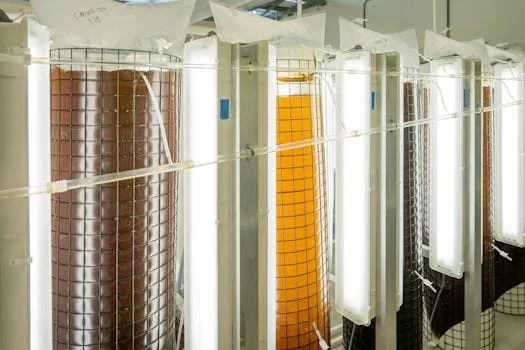
Technology choice follows the pollutant mix and the end use of treated water. Membrane Bioreactors (MBR) suit tourism sites that need high effluent quality, limited footprint, and 99% pathogen removal for grounds irrigation. MBR systems occupy a 60% smaller footprint than conventional activated sludge. In high-salinity port service, membranes and biology must be selected for salt tolerance, and energy use typically sits at 0.8–1.2 kWh/m³.
Dissolved Air Flotation (DAF) often fits phosphate and food-related streams better. DAF removes light solids and oils that clarifiers miss, uses about 0.3–0.5 kWh/m³, and tolerates the shock loads common in batch industrial work. Paired with sludge dewatering solutions for industrial wastewater in the Middle East, DAF cuts disposal volume—a major cost driver around Aqaba.
Chemical precipitation remains necessary for heavy metal control in logistics and mining-related effluent. Energy demand is low at 0.1–0.3 kWh/m³, but sludge volume is high—often 5–10% of influent volume. Many Aqaba facilities run a hybrid: precipitation for pH and metals, DAF for solids, then RO for desalination and reuse. That pattern mirrors results seen with DAF systems for food processing wastewater in arid regions, where water scarcity pushes recovery.
| Parameter | DAF | MBR | Chemical Precipitation |
|---|---|---|---|
| COD Removal | 85 – 92% | 95 – 98% | 70 – 85% |
| TSS Removal | 90 – 95% | 99% + | 80 – 90% |
| Energy Use (kWh/m³) | 0.3 – 0.5 | 0.8 – 1.2 | 0.1 – 0.3 |
| Footprint | Compact/Skid | Very Small | Large (Clarifiers) |
| Sludge Volume | Moderate (2–5%) | Low (1–3%) | High (5–10%) |
| Salinity Tolerance | High | Moderate (requires salt-tolerant microbes) | High |
Cost Breakdown: Industrial Wastewater Treatment in Aqaba (2025 Data)
Capital and operating budgets for Aqaba plants must be sized against both equipment class and reuse goals. For a medium facility at about 50 m³/h, a DAF system typically ranges from $80,000 to $120,000 in CAPEX. MBR systems usually sit between $200,000 and $1.5M depending on daily capacity, yet they reduce freshwater purchase where reuse is approved. RO trains needed for high-salinity duty add $100,000 to $800,000, and they often dominate ROI when makeup water is scarce.
OPEX in Jordan tracks energy and chemicals closely. Industrial electricity in Aqaba typically runs $0.12–$0.15/kWh, so efficient MBR blowers and RO high-pressure pumps matter. Chemical costs (PAC, lime, polymer) account for roughly 20–30% of OPEX, especially in phosphate service. Skilled operator labor commonly ranges from $15 to $25 per hour. Payback often lands in 3 to 5 years through avoided freshwater purchase at $0.50–$1.50/m³ and by cutting non-compliance fines that can reach $50,000 per year for major violations.
When hotels or worker camps need a buried secondary package beside the main industrial train, an Underground Package Sewage Treatment Plant (WSZ Series) can cover sanitary flows without expanding the open-plot footprint. Keep industrial and sanitary streams segregated so metals and FOG do not overload the package unit.
| System Type | CAPEX Range (USD) | OPEX (USD/m³) | Key Cost Driver |
|---|---|---|---|
| DAF System (50 m³/h) | $80,000 – $120,000 | $0.20 – $0.40 | Chemical Coagulants |
| MBR Plant (500 m³/d) | $250,000 – $450,000 | $0.45 – $0.75 | Energy (Aeration) |
| RO System (20 m³/h) | $150,000 – $300,000 | $0.60 – $1.10 | Membrane Replacement |
| Chemical Precipitation | $40,000 – $90,000 | $0.15 – $0.35 | Sludge Disposal |
Compliance Checklist: Jordan’s Industrial Wastewater Discharge Standards (JS 893/2006)
JS 893/2006 compliance is mandatory for industrial operators in Aqaba. The Jordanian Ministry of Environment and the Aqaba Water Authority (AWA) intensified enforcement in 2024, focusing on heavy metals and organic loading. Sewer dischargers must meet pretreatment limits such as TSS < 350 mg/L. Environmental discharge or reuse triggers stricter thresholds. Those limits align in spirit with the wastewater treatment standards for Jordan’s healthcare sector, which also prioritize public health and environmental safety.
The GCF Aqaba project pushes “Grade A” reclaimed water, with Total Nitrogen (TN) below 15 mg/L and phosphorus below 2 mg/L. Phosphate plants often need tertiary filtration or ion exchange after the core train. Continuous monitoring covers pH and flow; weekly laboratory checks cover BOD, COD, and TSS. Missing quarterly reports to the AWA can trigger immediate administrative fines and possible facility shutdowns.
| Parameter | JS 893/2006 Limit (Discharge) | GCF Reuse Limit | Monitoring Frequency |
|---|---|---|---|
| COD (mg/L) | < 150 | < 50 | Weekly |
| BOD₅ (mg/L) | < 30 | < 15 | Weekly |
| TSS (mg/L) | < 50 | < 10 | Weekly |
| Total Nitrogen (mg/L) | < 50 | < 15 | Monthly |
| Cadmium (Cd) (mg/L) | < 0.01 | < 0.005 | Monthly |
| pH | 6.0 – 9.0 | 6.5 – 8.5 | Continuous |
Equipment Selection Checklist for Aqaba Plants
Selection work for Aqaba industrial effluent should follow a fixed checklist before CAPEX is locked. Confirm peak and average flow in m³/h, not only nameplate daily capacity. Measure TDS, COD, FOG, and target metals on representative samples across a production week. Decide discharge versus reuse early, because RO and disinfection depend on that choice.
Match primary solids removal to the solids type: DAF for light FOG and floatables, sedimentation for dense TSS. Specify salt-tolerant biology or membranes whenever TDS approaches 40,000 mg/L. Budget sludge handling with the process—not as an afterthought—because chemical precipitation can generate 5–10% sludge by volume. Verify AWA reporting and continuous pH/flow monitoring in the scope of supply.
Who this is for: plant engineers, EPC contractors, and procurement managers sizing on-site trains for phosphate, tourism, or port logistics in Aqaba. Who should look elsewhere: municipalities seeking only domestic sewage upgrades without industrial pretreatment duties. Next step: send peak flow, COD, TDS, and discharge target through our request a treatment design quote form so the train can be sized against JS 893/2006 and reuse goals.
Frequently Asked Questions
What are the three types of industrial wastewater treatment?
Industrial wastewater treatment is grouped into primary, secondary, and tertiary stages. Primary covers physical separation such as screening and DAF. Secondary covers biological degradation with MBR or activated sludge. Tertiary covers advanced polishing such as RO or chemical finishing when reuse or strict discharge limits apply under Aqaba operating conditions.
How does industrial wastewater treatment work in Aqaba’s phosphate sector?
Phosphate wastewater in Aqaba typically moves through DAF for solids, chemical precipitation with lime or PAC for phosphorus and metals, then RO for desalination and reuse. Plants handling up to 10,800 m³/day need robust pretreatment so membranes are not overloaded. Final quality targets follow JS 893/2006 discharge limits or tighter GCF reuse limits when water returns to process service.
What is the cost of a DAF system for a 50 m³/h facility in Aqaba?
CAPEX for a 50 m³/h DAF system in Aqaba generally falls between $80,000 and $120,000. OPEX usually ranges from $0.20 to $0.40 per cubic meter and covers energy plus coagulant and polymer dosing. Actual totals shift with FOG load, sludge disposal distance, and whether the DAF feeds an MBR or RO stage downstream.
Does Aqaba have a sewage system for industrial wastewater?
Yes. Aqaba operates a municipal sewage network managed by the Aqaba Water Authority (AWA). Industrial sites must still pretreat on site to meet pH, TSS, and FOG limits before sewer discharge. Facilities that cannot meet those pretreatment limits need dedicated industrial trains rather than relying on the municipal plant alone.
What are the key differences between MBR and conventional activated sludge in Aqaba?
MBR systems deliver about 99% pathogen removal and a 60% smaller footprint than conventional activated sludge, which suits Aqaba tourism plots. Conventional activated sludge costs less to install but needs more land and often fails Grade A reuse targets without added filtration. Energy for MBR commonly runs 0.8–1.2 kWh/m³ under local salinity and aeration demand.