Why Curitiba’s Industries Need Advanced Wastewater Treatment in 2025
The 2023 drought in Paraná State led the National Water Agency (ANA) to reduce industrial water allocations by 20%, forcing Curitiba’s manufacturing sector to prioritize high-efficiency treatment systems. Curitiba’s industrial sector faces strict wastewater discharge limits under CONAMA 430/2011 and water scarcity, driving demand for high-efficiency treatment systems. With 44 high-demand industries consuming 88.73 L/s of water—36 of which are within 5 km of WWTPs—effluent reuse could save 10.3 L/s of drinking water annually. This guide provides 2025 engineering specs, compliance checklists, and cost benchmarks for DAF, MBR, and chemical dosing systems tailored to Curitiba’s industrial needs.
Regulatory pressure from the Paraná Environmental Institute (IAT) has intensified, with non-compliance fines reaching up to R$50M or total plant shutdowns for repeat offenders in 2024. For facility managers, the economic argument for advanced treatment has shifted from simple compliance to operational survival. Beyond avoiding penalties, effluent reuse offers a hedge against rising utility costs. For example, a food processing plant in the Curitiba Industrial City (CIC) recently implemented an integrated MBR and RO system, reducing its raw water procurement costs by 30% while maintaining a discharge COD consistently below 50 mg/L, well under the 125 mg/L legal threshold.
The potential for industrial water savings is concentrated in the metropolitan region, where high-demand sectors are geographically clustered near municipal infrastructure. Data indicates that 36 industries located within 5 km of existing WWTPs could potentially transition to reuse-based models, reclaiming approximately 68.91 L/s of water. This strategic shift not only secures water availability during seasonal droughts but also aligns with the state's 2025 sustainability targets for industrial green hydrogen and circular economy projects.
Mapping Curitiba’s Industrial Water Demand: Which Sectors Need Treatment?
Curitiba's industrial water demand is primarily driven by the food processing, textile, metalworking, and pulp and paper sectors.Forty-four high-demand industrial facilities in the Curitiba Metropolitan Region consume a combined 88.73 L/s of water, according to data from the Federation of Industries in Paraná State (FIEP). These facilities are primarily concentrated in the food processing, textile, metalworking, and pulp and paper sectors. Food processing remains the highest consumer at approximately 35 L/s, followed by textiles at 22 L/s and metalworking at 18 L/s. Understanding these demand profiles is essential for engineers designing decentralized treatment plants that must handle varying organic loads and chemical compositions.
Geographically, the industrial demand is centered in Campo Largo, São José dos Pinhais, and the Curitiba districts of Boqueirão, Cidade Industrial, and Xaxim. A heatmap of these zones reveals that 81% of high-demand industries are located within a 5 km radius of a municipal WWTP. This proximity makes pipeline connections for effluent reuse highly feasible, offering a potential 15–20% reduction in potable water demand for the region. For facilities in these zones, the engineering focus often shifts toward tertiary treatment to meet internal process water standards rather than just discharge limits.
| Industrial Sector | Estimated Water Demand (L/s) | Primary Contaminants | Treatment Priority |
|---|---|---|---|
| Food Processing | 35.00 | FOG, High BOD/COD, TSS | Pre-treatment (DAF) + Biological |
| Textiles | 22.00 | Dyes, Surfactants, pH swings | Chemical Dosing + MBR |
| Metalworking | 18.00 | Heavy Metals, Oils, Solvents | Physicochemical + Filtration |
| Pulp & Paper | 9.50 | Lignin, TSS, Organic Acids | Clarification + Sludge Dewatering |
| Chemical Manufacturing | 4.23 | VOCs, Toxicity, pH extremes | Advanced Oxidation + Dosing |
Curitiba’s Wastewater Treatment Technologies: DAF vs. MBR vs. Chemical Dosing
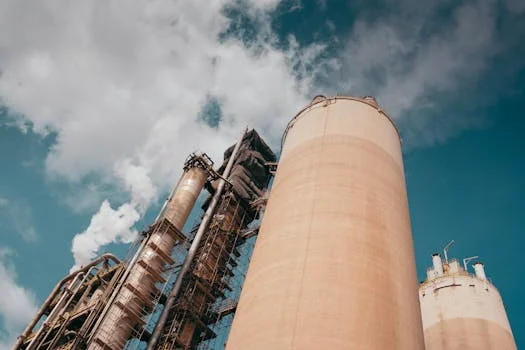
Dissolved Air Flotation (DAF) systems achieve 90–95% removal of fats, oils, and grease (FOG), making them the primary treatment choice for Curitiba’s food processing and textile sectors. In 2025, the DAF system for Curitiba’s food processing and textile industries has become a standard for pre-treatment, handling hydraulic loadings from 4 to 300 m³/h. By injecting micro-bubbles into the influent, these systems float light solids to the surface for mechanical skimming, which significantly reduces the organic load before it reaches secondary biological stages.
For facilities with limited space or those requiring high-purity effluent for reuse, Membrane Bioreactors (MBR) offer a footprint 60% smaller than conventional activated sludge systems. An integrated MBR system for high-efficiency TSS removal in Curitiba provides filtration down to <1 μm, ensuring TSS removal rates exceed 95%. This technology is particularly effective for meeting the strict 50 mg/L TSS limit in Paraná. While the CAPEX for MBR is higher, the ability to bypass secondary clarifiers and sand filters often justifies the investment in urban industrial zones where land prices are high.
Chemical dosing remains the backbone of pH control and coagulation for Curitiba's metalworking and chemical sectors. Utilizing a PLC-controlled chemical dosing for pH adjustment and coagulation in Curitiba allows for real-time response to influent fluctuations. In a local textile plant case study, the combination of DAF and automatic chemical dosing reduced TSS from 200 mg/L to 30 mg/L and stabilized pH within the 5–9 range required by CONAMA 430/2011. This precision prevents chemical waste and ensures that downstream biological processes are not inhibited by pH shocks.
| Technology | Removal Efficiency (TSS/COD) | Estimated CAPEX (R$) | Estimated OPEX (R$/m³) | Footprint Requirement |
|---|---|---|---|---|
| DAF | 85% TSS / 60% COD | 200K – 1.2M | 0.45 – 0.80 | Moderate |
| Integrated MBR | 99% TSS / 90% COD | 500K – 3.0M | 1.20 – 2.50 | Low (Compact) |
| Chemical Dosing | Variable (Coagulation) | 50K – 300K | 0.30 – 1.10 | Very Low |
Compliance Checklist: Meeting Paraná’s Effluent Discharge Standards
CONAMA Resolution 430/2011 mandates that industrial effluent discharged into Curitiba’s water bodies must maintain a Chemical Oxygen Demand (COD) below 125 mg/L and Total Suspended Solids (TSS) below 50 mg/L. The Paraná Environmental Institute (IAT) requires specific toxicity testing for chemical and pharmaceutical industries, often utilizing the Microtox bioassay to ensure that treated water does not harm local aquatic ecosystems. Facility managers must also adhere to strict monitoring frequencies: daily for pH and TSS, and weekly for COD and BOD5,20.
The permitting process in Paraná typically spans 6 to 12 months and requires comprehensive engineering drawings, an environmental impact assessment (EIA), and a detailed sludge management plan. Common compliance failures observed in Curitiba include pH drift in metalworking effluents and FOG exceedances in food processing due to undersized grease traps or manual dosing errors. To mitigate these risks, engineers should refer to lime dosing system specifications for 2025 engineering data to ensure precise neutralization of acidic waste streams.
- pH Stabilization: Must remain between 5.0 and 9.0.
- Temperature: Must be below 40°C at the point of discharge.
- Oil and Grease: Mineral oils < 20 mg/L; Vegetable oils < 50 mg/L.
- Sedimentable Solids: < 1 mL/L in a 1-hour Imhoff cone test.
- Heavy Metals: Specific limits for Copper (0.5 mg/L), Zinc (5.0 mg/L), and Lead (0.2 mg/L).
- Toxicity: Non-toxic to indicator species (e.g., Daphnia magna).
Effluent Reuse in Curitiba: Engineering Specs and ROI Calculator
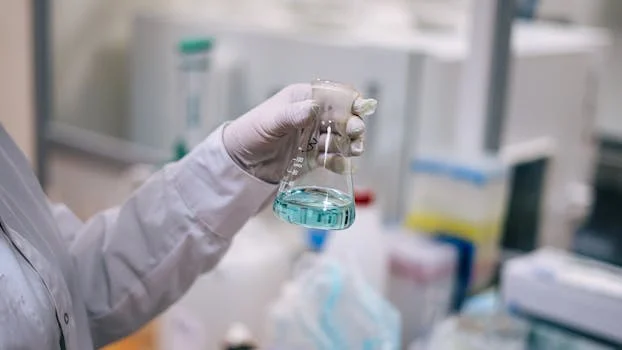
For a facility to repurpose its own effluent for cooling towers, boiler feed, or floor washing, tertiary treatment is mandatory. This typically involves a combination of ultrafiltration, disinfection using a ClO₂ Generator for effluent disinfection in Curitiba, and, for high-purity needs, a reverse osmosis system for industrial water purification to remove dissolved salts.
The financial incentive for reuse is driven by the cost gap between treated effluent and municipal potable water. In Curitiba, industrial water rates range from R$15 to R$25 per m³, while the cost to treat effluent to reuse standards averages R$5 to R$12 per m³, depending on the required purity. For a medium-sized facility processing 50 m³/h, the annual savings can exceed R$1M, providing a compelling ROI for advanced filtration hardware. Engineers can use MBR system design parameters for industrial wastewater to calculate exact membrane flux rates and energy consumption for these projects.
| ROI Component | Example Value (50 m³/h System) | Notes |
|---|---|---|
| Total CAPEX | R$ 1,800,000 | Includes MBR, RO, and Installation |
| Annual Water Savings | R$ 960,000 | Based on 8,000 operating hours/year |
| Annual OPEX | R$ 320,000 | Power, Chemicals, Membrane cleaning |
| Net Annual Savings | R$ 640,000 | (Savings - OPEX) |
| Payback Period | 2.81 Years | CAPEX / Net Annual Savings |
Top Industrial Wastewater Treatment Suppliers in Curitiba (2025)
Procurement of industrial wastewater equipment in Curitiba requires suppliers to demonstrate 100% compliance with Paraná Environmental Institute (IAT) monitoring standards and provide localized technical support. When evaluating vendors, procurement teams should prioritize those with a proven track record in the specific pollutants of their sector. A critical decision framework involves comparing CAPEX against long-term OPEX; for instance, a cheaper DAF system with high chemical consumption may cost more over five years than a more expensive, high