In Ivory Coast, food processing wastewater treatment must comply with national discharge standards (e.g., BOD < 50 mg/L, COD < 250 mg/L, TSS < 50 mg/L) and Abidjan’s municipal sewer ordinances. A typical 50 m³/d system for a cocoa or palm oil plant combines dissolved air flotation (DAF) for FOG removal (95% efficiency) with aerobic biological treatment (90-95% BOD reduction). Capital costs range from $120,000–$350,000 for turnkey solutions, with operating costs of $0.80–$2.50/m³ treated, depending on energy and chemical use. Local power reliability and water scarcity often favor modular, low-energy systems like MBRs or anaerobic digesters.
Why Food Processing Wastewater Treatment is Critical in Ivory Coast
Ivory Coast’s food processing sector, dominated by cocoa, palm oil, dairy, and beverage production, generates an estimated 1.2–2.5 million m³/year of high-strength wastewater. According to 2023 industrial data, raw effluent from these facilities typically exhibits biological oxygen demand (BOD) between 1,000–5,000 mg/L and chemical oxygen demand (COD) ranging from 2,000–10,000 mg/L. Fats, Oils, and Grease (FOG) levels in palm oil and cocoa processing can reach 2,000 mg/L, presenting severe challenges for conventional drainage systems.
The regulatory environment in Abidjan is tightening. The ongoing municipal sewer expansion, managed by Gauff Engineering, is set to enforce stricter pretreatment standards for all industrial dischargers by 2026. Non-compliance is no longer just an environmental concern but a significant business risk. Under current environmental laws, facilities can face fines up to 50 million FCFA ($80,000) for persistent violations. In early 2024, a cocoa processing plant in the Yopougon industrial zone was fined 20 million FCFA after its effluent, with a BOD exceeding 300 mg/L, was traced to the degradation of the Ebrié Lagoon. The resulting 3-week mandatory shutdown caused production losses far exceeding the cost of the fine.
Environmental risks are particularly acute in the Ebrié Lagoon, where high FOG and organic loads deplete dissolved oxygen, leading to localized fish kills and the contamination of groundwater sources used by local communities. For plant operators, implementing robust wastewater treatment strategies for West African food processors is essential for maintaining their social license to operate and ensuring long-term business continuity.
Ivory Coast’s Wastewater Discharge Standards for Food Processing Facilities
Engineers and procurement teams must design systems that meet the specific thresholds defined in Decree No. 2017-622. These standards vary depending on whether the treated water is discharged into a municipal sewer or directly into a natural water body. Direct discharge into sensitive areas like the Ebrié Lagoon requires even more stringent limits to prevent eutrophication.
| Parameter | National Standard (Decree 2017-622) | Abidjan Municipal Sewer Limit (2024 Update) | Direct Water Body Discharge |
|---|---|---|---|
| pH | 6.0 – 9.0 | 5.5 – 9.5 | 6.5 – 8.5 |
| BOD₅ (mg/L) | < 50 | < 300 (Pretreatment required) | < 30 |
| COD (mg/L) | < 250 | < 750 | < 125 |
| TSS (mg/L) | < 50 | < 400 | < 35 |
| FOG (mg/L) | < 20 | < 100 | < 10 |
| Total Nitrogen (mg/L) | < 30 | N/A | < 15 |
The permitting process in Ivory Coast involves a 3–6 month timeline. Facilities must submit a comprehensive Environmental Impact Assessment (EIA) and detailed treatment plant designs to the Ministry of Environment. Application fees typically range from 500,000 to 2 million FCFA, depending on the volume of discharge and the complexity of the industrial process. Regular effluent monitoring and reporting are mandatory once the permit is granted.
Treatment Process Selection: Matching Technology to Ivory Coast’s Challenges
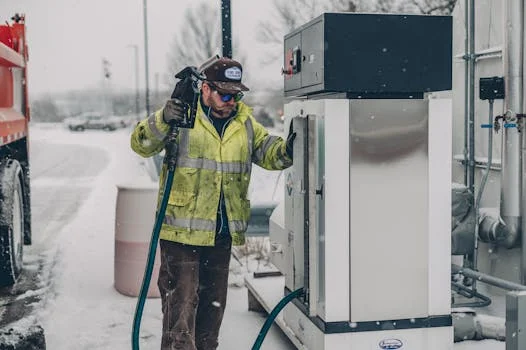
Selecting the appropriate treatment train requires a deep understanding of influent characteristics and the operational realities of West Africa. For food processors, the presence of high FOG and seasonal load variations are the primary technical hurdles.
Step 1: Influent Characterization
Effluent parameters in Ivory Coast vary significantly by sub-sector. Palm oil mills produce high-temperature, high-FOG wastewater, while beverage plants often deal with extreme pH swings and high sugar content. Typical ranges include:
- Palm Oil: BOD 2,000–5,000 mg/L, FOG 1,000–3,000 mg/L.
- Cocoa Processing: BOD 1,500–4,000 mg/L, TSS 800–2,000 mg/L.
- Dairy/Beverage: BOD 800–2,500 mg/L, pH fluctuations 4.0–11.0.
Step 2: Pretreatment and FOG Removal
Primary screening is essential to protect downstream pumps. Rotary bar screens with 1–3 mm spacing are recommended. For high-FOG industries, DAF systems for high-FOG wastewater in food processing are the industry standard, achieving 90–95% efficiency in removing emulsified oils that would otherwise coat biological media and inhibit oxygen transfer.
Step 3: Biological Treatment
The choice between aerobic and anaerobic systems depends on organic load and land availability. Anaerobic systems (UASB) are highly effective for high-strength cocoa or brewery wastewater (BOD > 3,000 mg/L) and produce biogas. However, aerobic systems like MBR systems for space-constrained food processing plants offer superior effluent quality (BOD < 10 mg/L) and a smaller footprint, which is critical for urban facilities in Abidjan.
Step 4: Tertiary Treatment and Disinfection
To meet the strictest discharge limits or for water reuse, sand filtration or UV disinfection is applied. In facilities where microbial control is paramount, ClO₂ generators for food-safe disinfection provide a stable residual that prevents regrowth in storage tanks.
| Technology | Primary Application | Removal Efficiency (BOD/FOG) | Operational Advantage |
|---|---|---|---|
| DAF | FOG/TSS Removal | 70% BOD / 95% FOG | Handles high fat loads |
| Anaerobic (UASB) | High-Strength BOD | 80-90% BOD / N/A | Low energy, biogas production |
| Aerobic (MBR) | Polishing/Reuse | 98% BOD / 99% TSS | Highest effluent quality |
Cost Benchmarks for Food Processing Wastewater Treatment in Ivory Coast
Procurement managers must account for both the initial capital expenditure (CAPEX) and the long-term operational expenditure (OPEX). In the West African context, logistics, local installation labor, and energy costs significantly influence the total cost of ownership.
Capital Costs (2025 Estimates):
A turnkey 50 m³/d system typically includes screening, DAF, biological treatment, and disinfection.
- DAF Unit only (50 m³/d): $80,000 – $150,000.
- MBR System (50 m³/d): $150,000 – $300,000 (Higher cost due to membrane modules).
- Anaerobic Digester (50 m³/d): $100,000 – $200,000.
- Complete Turnkey System: $250,000 – $500,000.
Operating Costs (per m³ treated):
OPEX is driven by electricity prices in Ivory Coast and the cost of imported chemicals like coagulants and polymers.
- DAF + Aerobic: $1.20 – $2.50/m³.
- MBR: $1.50 – $3.00/m³ (includes membrane cleaning and eventual replacement).
- Anaerobic: $0.80 – $1.50/m³ (energy requirements are lower; biogas can offset heating costs).
Civil works in Abidjan, including excavation and concrete tank construction, typically add 20–30% to the equipment cost. Annual maintenance, including spare parts and technical labor, should be budgeted at 5–10% of the total CAPEX. For facilities generating significant sludge, implementing sludge management solutions for food processing plants is necessary to reduce disposal volumes and costs.
Equipment Selection Guide: DAF vs. MBR vs. Anaerobic Systems for Ivory Coast
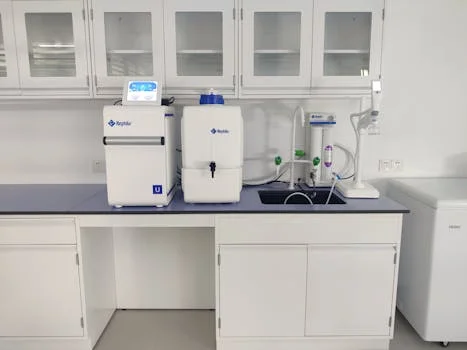
The decision framework for technology selection must prioritize reliability and the ability to handle the specific waste streams of the food industry. Use the matrix below to evaluate technologies against your site constraints.
| Criteria | DAF + Aerobic | MBR System | Anaerobic Digester |
|---|---|---|---|
| Effluent Quality | Good (Compliant) | Excellent (Reuse ready) | Moderate (Needs polishing) |
| Footprint | Medium | Very Small | Large |
| Energy Use | Moderate | High | Low (Energy positive) |
| Maintenance | Moderate | High (Membrane care) | Low to Moderate |
| Resistance to FOG | Very High | Low (Requires DAF) | Moderate |
| CAPEX | $$ | $$$ | $$ |
Best Use-Case Matching:
For small to medium plants (10–100 m³/d) with high FOG, such as palm oil or dairy facilities, a DAF system followed by an activated sludge process is the most robust choice. If the plant is located in a high-density area of Abidjan where land is expensive, MBR systems for space-constrained food processing plants offer the best ROI despite higher energy costs. Large-scale processors (>100 m³/d) with high organic loads, such as breweries or cocoa mills, should consider anaerobic pretreatment to recover energy and minimize sludge production.
Case Study: 50 m³/d Wastewater Treatment System for a Cocoa Processing Plant in Abidjan
A cocoa processing facility in the Yopougon industrial zone faced immediate shutdown threats due to the discharge of untreated effluent into the municipal drainage system. The raw wastewater was characterized by high concentrations of cocoa butter (FOG) and organic solids.
The Problem: Influent parameters showed FOG at 1,500 mg/L and BOD at 3,500 mg/L. The facility was exceeding municipal limits by over 500%, leading to frequent clogging of downstream pipes and heavy fines.
The Solution: A multi-stage treatment plant was installed, featuring a DAF-10 system for high-FOG wastewater in food processing designed for 10 m³/h peak flow. This was followed by an Anoxic/Oxic (A/O) biological process and finished with a chlorine dioxide disinfection stage. To manage the high variability in cocoa waste, an automatic pH and nutrient dosing for biological treatment was integrated into the control system.
The Results: Post-commissioning tests confirmed an effluent quality of FOG < 10 mg/L, BOD < 50 mg/L, and TSS < 30 mg/L. The plant successfully met all national discharge standards. With a total CAPEX of $180,000 and OPEX of $1.40/m³, the payback period was calculated at 3.5 years, primarily through the avoidance of environmental fines and the reduction in municipal water surcharges.
Lessons Learned: Initial operation saw some FOG bypass during peak production. This was resolved by upgrading the primary screen to a 1 mm rotary drum and fine-tuning the coagulant dosage in the DAF unit.
Compliance Checklist for Food Processing Facilities in Ivory Coast
To ensure continuous compliance and operational efficiency, plant managers should follow this structured checklist:
- Regulatory Filings:
- Verify current discharge permit validity with the Ministry of Environment.
- Ensure all flow meters are calibrated and sampling ports are accessible for government inspectors.
- Submit monthly effluent reports including BOD, COD, TSS, and FOG data.
- Operational Maintenance:
- Perform weekly inspections of DAF skimmer blades and saturation pumps.
- Monitor biological tank dissolved oxygen (DO) levels daily to ensure aerobic health.
- Check automatic pH and nutrient dosing for biological treatment for chemical levels and pump calibration.
- Inventory and Emergency:
- Maintain a 30-day supply of essential chemicals (coagulants, polymers, ClO₂ precursors).
- Keep critical spare parts on-site, including DAF nozzles and membrane cleaning chemicals.
- Establish an emergency bypass protocol and spill containment plan for system failures.
For smaller operations, modular treatment systems for small to medium food processing plants can simplify compliance by providing pre-engineered, factory-tested solutions that reduce on-site installation errors.
Frequently Asked Questions
What is the process of wastewater treatment in the food industry in Ivory Coast?The standard process involves four stages: 1) Physical screening to remove large solids; 2) FOG removal using DAF systems; 3) Biological treatment (aerobic or anaerobic) to reduce BOD/COD; and 4) Disinfection using ClO₂ or UV. For example, a 50 m³/d cocoa plant in Abidjan typically achieves 95% FOG removal and 90% BOD reduction using this train.
What is the common method used to treat liquid effluent in the food industry?Dissolved Air Flotation (DAF) is the most common primary treatment method for removing fats and oils. This is almost always followed by biological treatment, such as activated sludge or MBR, to address dissolved organic matter.
What is the difference between STP and ETP in food processing?An STP (Sewage Treatment Plant) handles domestic waste from restrooms and kitchens. An ETP (Effluent Treatment Plant) is specifically engineered to treat industrial process water, which has much higher concentrations of BOD, FOG, and chemicals than standard sewage.
How much does a 50 m³/d food processing wastewater treatment system cost in Ivory Coast?A turnkey system typically costs between $120,000 and $350,000. Operating costs range from $0.80 to $2.50 per cubic meter, depending on the complexity of the wastewater and local energy prices.
What are the biggest challenges in treating food processing wastewater in Ivory Coast?The primary challenges include high FOG levels that can clog systems, significant seasonal load variations during harvest seasons (especially for cocoa and palm oil), and the need for systems that can operate reliably despite occasional power fluctuations.