Industrial Wastewater Treatment in Abuja 2025: Engineering Guide with Costs, Compliance & Equipment Checklist
Industrial wastewater treatment in Abuja requires systems capable of handling influent with TSS up to 450 mg/L, COD up to 1200 mg/L, and BOD up to 400 mg/L (per 2025 Wupa treatment plant data). NESREA mandates effluent limits of TSS < 30 mg/L, BOD < 30 mg/L, and pH 6–9. Costs range from ₦15M–₦250M ($10K–$160K) for DAF systems (4–300 m³/h) to ₦50M–₦800M ($30K–$500K) for MBR systems (10–2000 m³/day), with O&M costs adding ₦500–₦2000/m³. This guide provides engineering specs, compliance checklists, and equipment selection criteria for Abuja’s industrial sectors.
Abuja’s Industrial Wastewater Challenge: Why Factories Are Failing Compliance
Approximately 70% of industrial plants in Abuja's Idu Industrial Zone failed to meet National Environmental Standards and Regulations Enforcement Agency (NESREA) discharge limits for Total Suspended Solids (TSS) in 2024. This high failure rate often leads to severe financial and operational penalties. For instance, a prominent food processing plant in Idu was shut down for 30 days in mid-2024 and issued a ₦12M fine after its effluent was found to exceed TSS limits by 400%. Such enforcement actions highlight the growing pressure on facility managers to move beyond basic sedimentation toward advanced Abuja industrial effluent treatment strategies.
The scale of the challenge is significant: of the estimated 120,000 m³/day of wastewater generated within the Abuja Municipal Area Council (AMAC) in 2025, approximately 60% is industrial in origin. The industrial landscape is dominated by food processing (35%), textiles (25%), pharmaceuticals (15%), and metalworking (10%). Each sector presents a unique chemical profile that standard municipal systems cannot handle. For example, textile manufacturers in the FCT often produce influent with TSS reaching 1500 mg/L, while metalworking shops may discharge fluids with a pH as low as 3 or as high as 12.
Seasonal variations in the Federal Capital Territory further complicate treatment. During the dry season (November–March), the lack of rainwater dilution leads to a 30% increase in TSS and COD concentrations. Conversely, the wet season (April–October) increases influent flow rates by 20%, often hydraulicly overloading undersized systems and washing out biological treatment cultures.
| Industrial Sector | TSS (mg/L) | COD (mg/L) | FOG (mg/L) | pH Range |
|---|---|---|---|---|
| Food Processing | 200–800 | 800–3000 | 100–500 | 5.5–8.5 |
| Textiles | 200–1500 | 500–1500 | <50 | 8.0–11.0 |
| Pharmaceuticals | 100–400 | 400–1200 | <20 | 6.0–9.0 |
| Metalworking | 300–1000 | 200–600 | 50–200 | 3.0–12.0 |
Nigeria’s Industrial Wastewater Regulations: NESREA, FMEnv, and Abuja FCT Standards
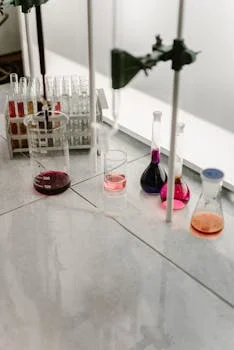
NESREA’s 2025 industrial effluent standards mandate that all industrial facilities in Abuja maintain Biological Oxygen Demand (BOD) and Total Suspended Solids (TSS) levels below 30 mg/L before discharge into municipal sewers or water bodies. These regulations are enforced through the NESREA Act 2007, which provides for fines ranging from ₦1M to ₦10M and potential criminal liability for repeat offenders. In 2024 alone, the agency conducted 180 surprise inspections across Abuja, resulting in 45 documented violations.
The Federal Ministry of Environment (FMEnv) 2023 Guidelines further require any plant processing more than 50 m³/day to complete a mandatory Environmental Impact Assessment (EIA). Beyond the EIA, plants must submit quarterly self-monitoring reports and undergo annual third-party audits to maintain their operating permits. In the FCT, the Abuja Environmental Protection Board (AEPB) adds a layer of local requirements, specifically demanding pre-treatment for any industrial discharge entering the municipal sewer system. Annual permit renewal fees in Abuja range from ₦50K to ₦500K depending on the volume and toxicity of the effluent.
The permitting process in Abuja typically takes 6–12 weeks. Required documentation includes a detailed site plan, a comprehensive treatment process flow diagram, and the EIA report. Common reasons for permit rejection include the absence of system redundancy (e.g., lack of a backup pump) and inadequate sludge disposal Abuja plans. Understanding how these Abuja’s standards compare to other emerging markets can help multinational firms standardize their compliance frameworks.
| Parameter | NESREA 2025 Limit | FMEnv Standard | AEPB Local Requirement |
|---|---|---|---|
| TSS | < 30 mg/L | < 30 mg/L | Pre-treatment Mandatory |
| BOD | < 30 mg/L | < 50 mg/L | < 50 mg/L |
| COD | < 250 mg/L | < 250 mg/L | < 250 mg/L |
| pH | 6.0 – 9.0 | 6.0 – 9.0 | 6.5 – 8.5 |
| FOG | < 10 mg/L | < 10 mg/L | < 15 mg/L |
How to Treat Industrial Wastewater in Abuja: Technology Selection Guide
Selecting a treatment technology for Abuja-based plants depends on influent Total Grease and Oil (FOG) concentrations, which often exceed 500 mg/L in local food processing facilities. Primary treatment must begin with robust physical separation. For solids removal, rotary screens for solids removal (GX Series) with 1–5 mm spacing are essential to prevent downstream pump clogging, achieving up to 90% TSS removal for coarse materials. In facilities with limited space, lamella clarifiers for space-constrained plants offer a high loading rate of 20–40 m/h, effectively removing 70–80% of suspended solids.
For secondary treatment, the choice between DAF vs MBR for food processing wastewater is critical. DAF systems for high-FOG industrial wastewater in Abuja are the industry standard for food and beverage plants, removing 95% of FOG and 85% of TSS. However, for pharmaceutical and textile plants requiring high-purity effluent, MBR systems for near-reuse-quality effluent in Abuja (DF Series) provide superior results, achieving 99% TSS removal and 95% BOD removal. In metalworking, automatic dosing systems for pH adjustment and metal precipitation are necessary to neutralize acidic or alkaline waste and precipitate heavy metals like Chromium and Lead.
Sludge management is the final technical hurdle. NESREA’s 2023 Hazardous Waste Guidelines mandate that sludge be dewatered to at least 20–40% dry solids before transport. Sludge dewatering equipment for Abuja industrial plants, specifically plate-and-frame filter presses, are highly effective at meeting these dryness requirements, reducing the volume of waste destined for Abuja’s specialized landfills.
| Technology | Best For | TSS Removal | BOD Removal | Space Req. |
|---|---|---|---|---|
| DAF | Food, FOG removal | 85% | 60-70% | Medium |
| MBR (DF) | Pharma, Textiles | 99% | 95% | Low |
| Chemical Dosing | Metalworking, pH | 70% | N/A | Low |
| Lamella Clarifier | Primary Solids | 75% | 30% | Very Low |
Industrial Wastewater Treatment Costs in Abuja: CAPEX, OPEX, and ROI Calculator
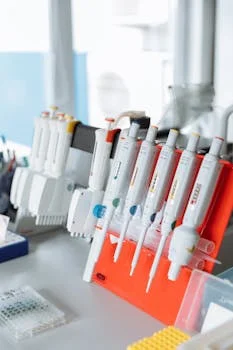
Capital expenditure (CAPEX) for industrial wastewater systems in Abuja typically ranges from ₦15 million for basic Dissolved Air Flotation (DAF) units to over ₦800 million for high-capacity Membrane Bioreactor (MBR) plants. These costs vary based on the automation level and material of construction (e.g., SS304 vs. Carbon Steel). For a standard 100 m³/day food processing facility, a complete DAF-based system including screening and sludge dewatering usually requires an investment of ₦40M–₦85M.
Operating expenditure (OPEX) is heavily influenced by Abuja’s energy prices and chemical availability. Electricity in the FCT costs between ₦60–₦80/kWh, which is roughly 30% higher than industrial rates in Lagos, making energy-efficient motors a priority. Chemical costs for Polyaluminum Chloride (PAC) and Polyacrylamide (PAM) range from ₦2.5K to ₦4K per kg. When including labor (₦150K–₦400K/month for skilled operators) and sludge disposal Abuja fees (₦15K–₦50K per ton), the total OPEX per cubic meter treated ranges from ₦500 to ₦2000.
Return on Investment (ROI) is calculated by weighing the total cost of ownership against avoided penalties and potential water savings. For example, a textile plant in AMAC that reuses 50% of its treated water for cooling can save ₦5M annually in water procurement while avoiding ₦10M in potential NESREA fines. This results in a payback period of approximately 2.5 to 3.5 years for an MBR system. Financing can be facilitated through NESREA’s Green Bond incentives, which may offer a 10% CAPEX subsidy, or through local commercial bank loans with 12–18% interest rates. Further details on cost structures can be found in our guide on sludge dewatering solutions for Nigerian industrial plants.
| Cost Component | Benchmark (Abuja 2025) | % of Total OPEX |
|---|---|---|
| Electricity | ₦60–₦80/kWh | 30% |
| Chemicals (PAM/PAC) | ₦2.5K–₦4K/kg | 25% |
| Labor (Operator) | ₦150K–₦400K/month | 20% |
| Sludge Disposal | ₦15K–₦50K/ton | 25% |
Step-by-Step Compliance Checklist for Abuja Industrial Plants
Compliance with Abuja FCT environmental regulations requires a multi-stage engineering approach that integrates primary screening, secondary biological or physical-chemical treatment, and tertiary disinfection. Facility managers should use the following checklist to audit their existing systems or design new ones:
- Pre-treatment: Install rotary screens for solids removal to capture debris > 5 mm. For metalworking, ensure an automatic dosing system is in place for pH equalization.
- Primary Treatment: Deploy a lamella clarifier for space-constrained plants or a DAF system to achieve at least 70% TSS reduction.
- Secondary Treatment: Ensure 90%+ BOD/COD removal using MBR (for high-strength waste) or activated sludge processes.
- Tertiary Treatment: For industrial water reuse Abuja, implement Reverse Osmosis (RO) or Chlorine Dioxide disinfection (50–20,000 g/h) to meet pathogen limits (<10 CFU/100mL).
- Sludge Handling: Utilize a plate and frame filter press to achieve 20–40% dry solids. Store sludge in lined, secondary containment areas.
- Monitoring: Install digital flow meters and pH/ORP sensors. Maintain a 12-month log of daily readings for NESREA inspections.
- Permitting: Verify that your EIA is current and your annual AEPB permit renewal (₦50K–₦500K) is paid.
Frequently Asked Questions
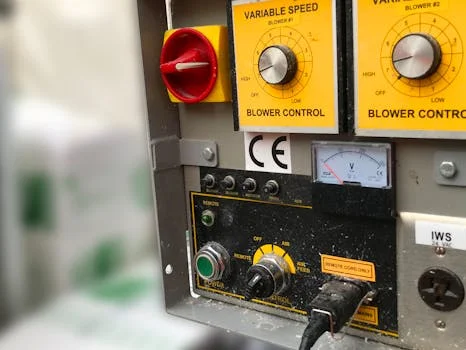
How much does it cost to treat 1 m³ of industrial wastewater in Abuja?
The cost typically ranges from ₦500 to ₦2000 per m³. DAF systems are more economical (₦500–₦1500/m³) for high-FOG waste, while MBR systems have higher OPEX (₦800–₦2000/m³) due to membrane maintenance and aeration energy requirements.
What are the penalties for non-compliance with NESREA’s industrial wastewater standards?
Fines range from ₦1M to ₦10M. Repeat offenders face 30–90 day facility shutdowns and potential criminal prosecution under the NESREA Act 2007. In 2024, the average fine issued in Abuja was ₦3.2M.
Which wastewater treatment technology is best for food processing plants in Abuja?
DAF systems are generally best due to their 95% FOG removal efficiency. MBR is only recommended if the facility intends to reuse the water for non-potable applications like cooling towers or irrigation.
How do I get a wastewater discharge permit in Abuja?
You must submit an EIA, a detailed site plan, and a process flow diagram to the NESREA Abuja office. The process takes 6–12 weeks, with annual fees ranging from ₦50K to ₦500K.
Can I reuse treated industrial wastewater in Abuja?
Yes. With tertiary treatment (RO or UV), treated effluent can be used for irrigation, floor washing, or cooling. This can reduce total municipal water costs by 30–50%.