Why Your PAC Dosing System Fails: Root Causes & Frequency
PAC dosing system troubleshooting starts with verifying the standard dosing rate of 0.1ml/m³ and checking for air locks, clogged check valves, or diaphragm damage—accounting for 78% of flow failures. Immediate fixes include recalibrating feed systems and preventing dilution, which causes gel formation and blockages. Understanding the statistical likelihood of failure modes allows maintenance engineers to prioritize inspections and reduce mean time to repair (MTTR).
Data from industrial field audits indicates that air trapped in the pump head or suction line causes 32% of low-flow incidents (LG Pump World data). This is particularly common in systems where the suction lift is excessive or where the PAC supply tank has been allowed to run low, introducing air pockets that the pump cannot easily prime. Polyaluminium Chloride (PAC) has a higher viscosity than water, and these air pockets become "elastic," absorbing the stroke energy of the diaphragm and preventing the movement of fluid.
Blocked or worn check valves account for approximately 28% of dosing inaccuracies. In a PAC environment, this failure is often dual-natured: mechanical wear of the valve seat combined with chemical crystallization. If the system remains idle for extended periods, the PAC residue on the valve balls can harden, preventing a proper seal. This leads to "backflow," where the chemical is simply pushed back into the suction line during the discharge stroke, resulting in a net zero or significantly reduced flow rate.
Mechanical fatigue also leads to leakage and inconsistent stroke volume—a failure mode most common in systems over two years old that have not undergone a proactive seal replacement program. A unique chemical failure occurs when PAC is improperly handled. Per PWTAG TN24 guidance, PAC should never be diluted with water before dosing. Dilution triggers rapid hydrolysis, forming a thick, viscous gel that can completely seize peristaltic hoses or diaphragm chambers within hours.
Step-by-Step Troubleshooting Flow for PAC Dosing Issues
A PAC dosing system fails to meet its setpoint, technicians must follow a logical, symptom-based sequence to isolate the fault. Relying on trial and error often leads to unnecessary component replacement and extended downtime. The following field-tested workflow focuses on identifying the bottleneck in the fluid path or the control logic.
Step 1: Confirm flow rate against PLC logs. Begin by verifying if the issue is mechanical or electronic. Check the stroke length and frequency settings against the PLC logs to ensure the control signal is reaching the pump. If the pump is stroking but no fluid is moving, the issue is mechanical. If the pump is idle, check the signal loop and power supply.
Step 2: Inspect suction line for air ingress. Inspect the suction line for any visible air bubbles or loose fittings. If air is present, tap the lines while the pump is running or use the manual bleed valve. In PAC systems, air can be trapped by the viscous fluid, requiring a higher stroke rate for several minutes to clear the air pocket.
Step 3: Disassemble and clean check valves. Isolate the pump and remove the inlet and outlet check valves. Look for crystallized PAC residue or particulate blockage that prevents the ball from seating correctly. Even a 1mm particle can cause a 30-50% drop in dosing accuracy. Clean with a 5% citric acid solution to dissolve mineral or chemical buildup without damaging the valve seat.
Step 4: Test diaphragm integrity. Conduct a pressure decay test by isolating the discharge side of the pump and observing the pressure gauge over 5 minutes. If the pressure drops, the diaphragm or a seal is compromised. Replace the diaphragm immediately to prevent chemical leakage into the pump’s gearbox or motor assembly.
Step 5: Verify calibration. Finally, recalibrate the feeding system using a calibration cylinder. Motus Group recommends monthly calibration for ±2% accuracy, as PAC viscosity can change with ambient temperature, affecting the pump’s stroke volume (HydropureWater field data, 2025).
| Symptom | Probable Cause | Diagnostic Action | Correction Step |
|---|---|---|---|
| Pump strokes but no flow | Air lock or clogged inlet valve | Bleed pump head; check suction line | Prime pump; clean/replace inlet check valve |
| Flow rate is ~50% of setpoint | Backflow through discharge valve | Inspect discharge valve ball and seat | Clean valve seat; replace worn ball |
| Chemical leakage at pump head | Diaphragm rupture | Inspect weep hole for PAC residue | Install new diaphragm; check gearbox oil |
| System pressure fluctuates | PAC gel formation in line | Check for water dilution in storage | Flush lines with warm water; stop dilution |
| Pump motor overheating | High discharge pressure | Check for downstream line blockages | Clean injection nozzle; check valve positions |
Critical Maintenance Points to Prevent PAC System Downtime
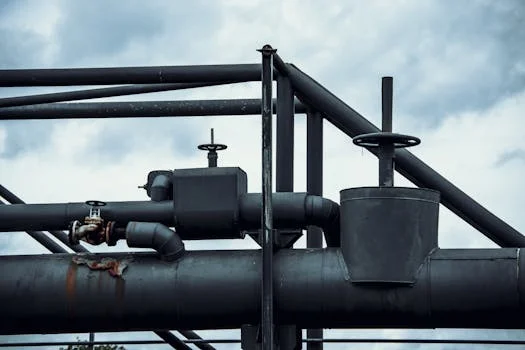
Effective maintenance for a PAC dosing system requires a proactive approach that balances mechanical upkeep with chemical hygiene. Because PAC is highly reactive and mildly corrosive, neglecting the storage and delivery components can lead to catastrophic failure. A PLC-controlled automatic chemical dosing system can automate many of these checks, but manual inspection remains vital for long-term reliability.
Storage silos and tanks must be inspected weekly for corrosion or material buildup, particularly in humid environments where moisture can cause PAC to crust on the tank walls. This crust can break off and clog the pump’s suction strainer, leading to cavitation and diaphragm failure. Proper ventilation and dust control in the dosing room are equally important; PAC dust can be hygroscopic, accumulating on pump electronics and causing short circuits or overheating in the motor controller.
The injection nozzle is often the most neglected component. PAC dispersion efficiency can drop by up to 40% if the nozzle is misaligned or partially clogged with scale. These nozzles should be removed and cleaned every 30 days. In systems using peristaltic pumps, the selection of tubing material is paramount. Standard PVC tubing often degrades within 6 months when exposed to industrial-grade PAC. For maximum longevity, use only chemical-resistant tubing such as Viton or PTFE, which can extend the service interval by 200-300% (HydropureWater field data, 2025).
A weekly flush protocol should be implemented. If the dosing system is scheduled to be idle for more than 24 hours, the lines should be flushed with clean, softened water to prevent PAC crystallization. This simple step alone can reduce unplanned downtime by 15% in industrial wastewater plants.
How PAC Chemistry Impacts Dosing Equipment Performance
PAC's performance and its effect on dosing equipment are heavily influenced by its chemical properties, particularly its hydrolysis rate and chloride content. Understanding these factors allows technicians to adapt their troubleshooting guide for MBR membrane bioreactor systems or other downstream processes to account for dosing variability.
One of the most critical aspects of PAC chemistry is its rapid hydrolysis when introduced to water. If PAC is diluted in a batch tank rather than dosed neat (as recommended by PWTAG TN24), it will form a viscous gel. This gel is nearly impossible for standard dosing pumps to move and will lead to immediate clogging of the suction and discharge valves. If dilution is absolutely necessary for a specific process, it must be done with high-intensity mixing and consumed within a few hours to prevent gelation.
The pH of the wastewater also dictates the risk of equipment scaling. Optimal dosing typically occurs at a pH of 6.5–7.5. When PAC is dosed into water with high alkalinity or extreme pH levels, precipitation can occur right at the injection point. This results in calcium or aluminum scaling within the pump head and injection nozzle, increasing the backpressure on the pump and leading to premature diaphragm failure. Certain grades of PAC have high chloride content, which can accelerate the corrosion of carbon steel components. In these environments, all wetted parts—including pump heads, valves, and piping—should be constructed from 316 stainless steel, polypropylene (PP), or PVDF to ensure a service life of 5 years or more.
Frequently Asked Questions
Why is the dosing pump not working?
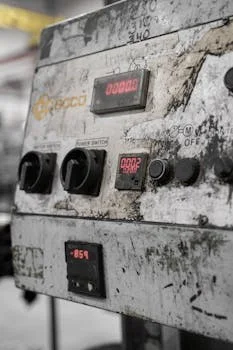
The most frequent causes are air locks in the pump head, clogged check valves, or a failure in the power/control signal. Start by inspecting the suction line for air ingress and checking the inlet strainer for blockages. If the motor is running but no fluid moves, the issue is likely a mechanical obstruction or a failed diaphragm.
How do you reset a dosing pump?
To reset the system, power cycle the unit at the main breaker, clear any active error codes via the HMI or local display, and reinitialize the stroke settings according to the manufacturer's guide. Always ensure the system is primed before restarting to avoid dry running the pump.
Can a dosing pump be repaired?
Yes. Most industrial dosing pumps are designed for field repair. Common wear parts like diaphragms, seals, and check valve assemblies are available in rebuild kits. Replacing these components every 12–24 months can extend the total equipment life beyond 5 years.
What is the life expectancy of a dosing pump?
With monthly maintenance and proper chemical compatibility, a high-quality dosing pump lasts 5–7 years. Without regular maintenance, life expectancy drops to 2–3 years due to chemical corrosion and mechanical fatigue.
What causes PAC clogging?
Clogging is typically caused by operational overdosing, improper dilution with water (leading to gel formation), or long idle periods without flushing. Weekly line flushing and ensuring the PAC is dosed neat are the most effective ways to prevent blockages.
For more detailed technical guidance, refer to our industrial belt filter press failure fixes for insights on how coagulant dosing affects sludge dewatering performance.