Why Istanbul Hospitals Need Advanced Wastewater Treatment in 2025
Turkey’s Water Pollution Control Regulation (2024) mandates that hospital effluent discharged into Istanbul’s sewerage network must not exceed 100 mg/L BOD₅, 30 mg/L TSS, and 100 CFU/100mL fecal coliforms. These standards are increasingly enforced as the Istanbul Water and Sewerage Administration (ISKI) moves toward stricter monitoring of medical facilities to protect the Marmara Sea and Bosphorus ecosystems. While Istanbul’s municipal sewer system provides significant dilution, recent studies indicate that toxicity remains a critical concern. Research conducted in Istanbul (Cevik et al., 2020) found that even after passing through advanced biological plants, residual mutagenic and cytotoxic effects persisted in hospital effluent, with Hazard Quotient (HQ) and Toxic Unit (TU) values remaining above safety thresholds for aquatic life.
The financial risk of non-compliance has escalated sharply. In 2023, a 500-bed hospital in the Şişli district was issued ₺2.4 million in administrative fines after sequential spot-sampling revealed BOD₅ levels exceeding 250 mg/L, a common occurrence when outdated septic systems or basic grease traps fail to handle modern medical waste loads. Beyond the fines, Istanbul’s high-density urban environment means that hospitals often operate in close proximity to residential zones, where odor complaints or leakages can trigger immediate shutdowns by the Ministry of Environment, Urbanization, and Climate Change.
Hospital wastewater in Istanbul is characterized by a complex matrix of pollutants that municipal systems are not designed to treat effectively at the source. This includes high concentrations of pharmaceuticals (antibiotics, analgesics, and chemotherapy agents), heavy metals used in imaging (mercury, silver, and cadmium), and highly resilient pathogens. Typical influent concentrations in Istanbul facilities range from 50–500 mg/L COD and 10⁴–10⁶ CFU/mL E. coli. Without specialized on-site treatment, these contaminants bypass standard municipal filters, contributing to the "cocktail effect" in the Marmara Sea, where pharmaceutical residues have been linked to endocrine disruption in local marine populations.
Istanbul’s Hospital Wastewater Compliance Requirements: 2025 Standards and Discharge Limits
Discharge limits for hospital wastewater in Istanbul are governed by both national regulations and the Istanbul Water and Sewerage Administration (ISKI) Quality Control Regulations, which differentiate between sewer discharge and direct environmental release. For the majority of hospitals in high-density areas like Kadıköy or Beşiktaş, the primary goal is meeting ISKI’s "Pre-treatment Standards" for discharge into the centralized sewer system. However, for newer facilities located in the northern expansion zones such as Arnavutköy, which may discharge directly into local water bodies or near watershed protection zones, significantly stricter limits apply.
| Parameter | ISKI Sewer Discharge Limit (mg/L) | Direct Discharge (Sensitive Areas) | Monitoring Frequency |
|---|---|---|---|
| BOD₅ (Biological Oxygen Demand) | < 100 | < 25 | Weekly |
| COD (Chemical Oxygen Demand) | < 250 | < 125 | Weekly |
| TSS (Total Suspended Solids) | < 30 | < 15 | Weekly |
| Fecal Coliforms (CFU/100mL) | < 100 | < 10 | Daily (Self-monitor) |
| Ammonia Nitrogen (NH₄-N) | < 15 | < 5 | Monthly |
| Total Phosphorus (PO₄-P) | < 2 | < 1 | Monthly |
| Oil and Grease | < 20 | < 5 | Weekly |
Compliance monitoring in Istanbul involves a dual-track reporting system. Hospitals must maintain an "Industrial Discharge Permit" (Deşarj İzin Belgesi) issued by ISKI, which requires monthly laboratory analysis from accredited third-party institutions. ISKI’s mobile inspection teams conduct unannounced sampling. If a facility is located near the Golden Horn or the Bosphorus, additional limits on heavy metals (As, Hg, Cd) are enforced due to the sensitive nature of these waterways. Understanding how other regions handle hospital wastewater compliance can provide perspective on the global trend toward zero-liquid discharge, though Istanbul’s specific focus remains on the reduction of pharmaceutical toxicity and bacterial load.
How Hospital Wastewater Treatment Systems Work: Mechanisms and Process Parameters
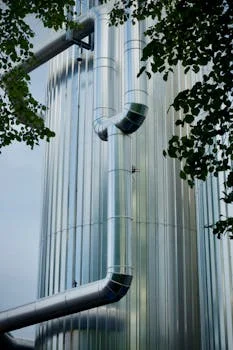
The engineering of hospital wastewater treatment plants (WWTPs) in Istanbul requires a multi-stage approach combining primary physical separation, secondary biological degradation, and tertiary disinfection. The process typically begins with fine screening (1–2 mm) to remove medical plastics and fibrous materials, followed by an equalization tank. Equalization is critical for Istanbul hospitals to buffer the extreme hydraulic surges seen during morning surgery hours and evening cleaning cycles. Without a properly sized equalization tank, the biological stage risks "washout," where high flows push the active bacteria out of the system before treatment is complete.
For high-efficiency removal of organic matter and pathogens, MBR systems for hospital wastewater treatment in Istanbul are now the preferred standard. The Membrane Bioreactor (MBR) combines conventional activated sludge with ultrafiltration membranes (typically 0.03 to 0.1 microns). This physical barrier ensures that no bacteria or suspended solids escape into the effluent, regardless of how well the sludge settles. In smaller or satellite clinics where space is at a premium, compact ozone-based systems for small hospitals and clinics offer a decentralized alternative that focuses on rapid disinfection and pharmaceutical oxidation without the large footprint of biological tanks.
| Process Parameter | Recommended Range for Hospital WWTP | Impact on Effluent Quality |
|---|---|---|
| Hydraulic Retention Time (HRT) | 8 – 14 Hours | Allows for breakdown of complex drug molecules. |
| Sludge Retention Time (SRT) | 15 – 25 Days | Develops specialized bacteria for nitrogen removal. |
| Mixed Liquor Suspended Solids (MLSS) | 4,000 – 8,000 mg/L | High biomass concentration handles toxic shocks. |
| F/M Ratio (Food to Microorganism) | 0.05 – 0.12 kg BOD/kg MLSS/day | Ensures complete consumption of organic pollutants. |
| Dissolved Oxygen (DO) | 2.0 – 3.5 mg/L | Maintains aerobic conditions for nitrification. |
Disinfection is the final and most critical stage. While many older facilities in Istanbul still rely on liquid chlorine (sodium hypochlorite), it is increasingly viewed as insufficient due to the formation of carcinogenic Trihalomethanes (THMs) and its inability to neutralize certain protozoa. Modern engineering specs now favor chlorine dioxide generators for hospital effluent disinfection. Chlorine dioxide (ClO₂) is a more potent oxidant than chlorine and remains effective across a wider pH range, which is essential given the variable chemical nature of hospital cleaning agents. For facilities aiming for the highest safety standards, ozone (O₃) is utilized to break down recalcitrant pharmaceutical residues that biological processes cannot touch.
MBR vs DAF vs Chemical Dosing: Which System is Best for Istanbul Hospitals?
Selecting between Membrane Bioreactor (MBR), Dissolved Air Flotation (DAF), and chemical dosing systems involves a trade-off between footprint requirements, removal efficiency for micropollutants, and total lifecycle costs. In Istanbul’s dense urban core, footprint is often the deciding factor. MBR systems eliminate the need for secondary clarifiers, reducing the total land requirement by up to 60% compared to traditional activated sludge plants. This makes them ideal for retrofitting existing basement levels in hospitals in districts like Mecidiyeköy or Fatih.
| Criterion | MBR (Membrane Bioreactor) | DAF (Dissolved Air Flotation) | Chemical Dosing |
|---|---|---|---|
| Pathogen Removal | 99.99% (Excellent) | 85-90% (Moderate) | 60-70% (Low) |
| Footprint | Minimal | Medium | Large (needs settling tanks) |
| Pharmaceutical Removal | High (with long SRT) | Low | Negligible |
| Sludge Production | Low (high mineralisation) | High (chemical sludge) | Highest |
| Energy Consumption | High (0.8-1.2 kWh/m³) | Medium (0.4-0.6 kWh/m³) | Low (0.1-0.2 kWh/m³) |
| Compliance Risk | Very Low | Moderate | High (variable efficiency) |
Dissolved Air Flotation (DAF) is typically reserved for Istanbul hospitals with high Fats, Oils, and Grease (FOG) loads, often originating from large-scale commercial kitchens or laundry facilities. While a DAF machine for pre-treatment is excellent at removing suspended solids and grease, it cannot meet ISKI’s BOD₅ or fecal coliform limits on its own. It is most effective when used as a pre-treatment stage before an MBR or as a primary treatment for small clinics that then discharge into a robust municipal sewer line.
Chemical dosing systems represent the lowest initial capital investment but carry the highest long-term operational costs. In Istanbul, where ISKI charges approximately ₺1,200 per ton for industrial sludge disposal, the high volume of chemical sludge produced by coagulation and flocculation can quickly negate any initial savings. However, for very small clinics (under 50 beds) or as a temporary measure during facility expansion, exploring chemical dosing options for hospital wastewater pre-treatment remains a viable path for basic compliance. According to 2024 ISKI reports, approximately 60% of private hospitals in Istanbul have now transitioned to MBR technology to ensure consistent compliance and minimize sludge disposal liabilities.
Cost Breakdown for Hospital Wastewater Treatment in Istanbul: 2025 Budgeting Guide
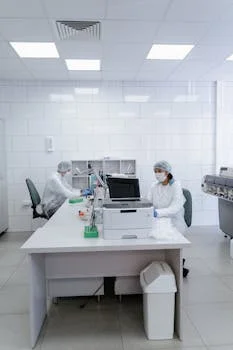
The capital expenditure (CAPEX) for a 30 m³/h hospital wastewater treatment system in Istanbul typically ranges from $280,000 to $350,000, depending on the chosen technology and integration requirements. This cost includes the primary treatment units, biological tanks, membrane modules, and the automation suite. While these figures may seem significant, they must be weighed against the operational expenditure (OPEX) and the cost of non-compliance. In Istanbul’s current economic climate, energy, chemicals, and labor are the primary drivers of OPEX.
| System Capacity | Estimated CAPEX (USD) | Annual OPEX (USD) | Key Cost Drivers |
|---|---|---|---|
| 10 m³/h (Small Clinic) | $120,000 – $160,000 | $8,000 – $12,000 | Chemicals, Disinfection |
| 30 m³/h (Mid-size Hospital) | $280,000 – $350,000 | $22,000 – $30,000 | Energy, Membrane cleaning |
| 50 m³/h (Large Facility) | $420,000 – $550,000 | $45,000 – $60,000 | Labor, Sludge disposal |
Hidden costs often undermine the budgets of Istanbul procurement officers. ISKI permit fees range from ₺5,000 to ₺20,000 annually, but the more significant "hidden" cost is sludge management. A 30 m³/h MBR system produces roughly 2-3 tons of sludge per week; at ₺1,200 per ton for disposal at authorized facilities like those in Şile or Kömürcüoda, this adds ₺150,000 to ₺200,000 to the annual budget. MBR membranes require replacement every 5 to 7 years. In areas near the Marmara Sea with higher groundwater salinity, membrane fouling can accelerate, potentially reducing lifespan to 4 years if pre-treatment is inadequate.
The Return on Investment (ROI) for advanced systems is often realized through the avoidance of "Environmental Contribution Fees" and fines. For example, Acıbadem Hospital reported a significant reduction in operational friction and an estimated ₺1.8 million annual saving in potential fines and surcharges after upgrading to a high-efficiency MBR system. Additionally, hospitals can apply for government grants under Turkey’s Green Deal Action Plan, which offers up to 50% CAPEX subsidies for facilities that implement water recycling technologies, effectively cutting the payback period in half.
Top 5 Hospital Wastewater Treatment Suppliers in Istanbul: 2025 Decision Framework
The procurement of wastewater treatment systems for Istanbul’s medical facilities requires a technical evaluation of eight core criteria, ranging from ISKI permit compliance to 24/7 local maintenance availability. Because hospital wastewater is biologically active and potentially infectious, a supplier’s ability to provide rapid on-site support in Istanbul’s notorious traffic is just as important as the equipment’s technical specs. Procurement officers should prioritize "turnkey" providers who handle everything from the initial ISKI application to final commissioning.
Supplier Evaluation Checklist:
1. Does the supplier have at least 5 active hospital references in Istanbul?
2. Is the control system compatible with SCADA for remote monitoring by facility managers?
3. Does the equipment meet the 2024 Turkey Water Pollution Control Regulation standards?
4. Is there a local service team based within the Istanbul metropolitan area?
5. Does the supplier provide assistance with the ISKI Industrial Discharge Permit process?
6. Are the membranes (for MBR) or electrodes (for DAF) sourced from reputable manufacturers with local stock?
7. Can the system be modularly expanded if the hospital adds more beds?
8. What is the guaranteed uptime and response time for emergency repairs?
| Supplier Type | Primary Technology | Typical Lead Time | Best For... |
|---|---|---|---|
| Global Engineering Firms | Custom MBR / Ozone | 10 – 14 Months | New-build "City Hospitals" (Şehir Hastaneleri) |
| Local Istanbul Specialists | MBR / DAF / Chemical | 6 – 9 Months | Private hospitals in Levent/Maslak districts |
| Modular System Providers | Containerized MBR | 4 – 6 Months | Rapid expansion or emergency compliance fixes |
| Specialized Disinfection OEM | ClO₂ / UV / Ozone | 2 – 4 Months | Upgrading existing plants for pathogen removal |
| Industrial Water Integrators | Mixed / Hybrid | 8 – 10 Months | Hospitals with complex industrial-scale laundries |
A major red flag in the Istanbul market is a supplier who lacks a deep understanding of ISKI’s specific approval process. For instance, MBR systems require a more rigorous technical dossier for approval than simple chemical dosing. A case study from a facility in Kadıköy showed that a hospital reduced its compliance violations by 95% simply by switching to a supplier that integrated a real-time COD analyzer linked to an automatic chemical dosing system. This allowed the plant to react instantly to spikes in detergent or disinfectant concentrations, preventing the biological "kill" that often leads to regulatory fines.
Frequently Asked Questions
What are the penalties for non-compliance with Istanbul’s hospital wastewater regulations?
Under the 2024 guidelines, fines range from ₺50,000 for minor reporting errors to over ₺5,000,000 for direct discharge of untreated infectious waste. Repeat violations within a 12-month period can lead to the revocation of the facility’s operating license and mandatory closure by the Ministry of Environment.
Can hospital wastewater be discharged directly into the Bosphorus?
No. Direct discharge into the Bosphorus or the Marmara Sea is strictly prohibited for hospitals unless the effluent meets "Sensitive Area" standards (<25 mg/L BOD₅ and <10 CFU/100mL fecal coliforms). Even then, specific ISKI and Ministry approvals are required, which are rarely granted for new facilities. Most must discharge to the sewer.
How often do MBR membranes need replacement in Istanbul’s climate?
In Istanbul, MBR membranes typically last 5 to 7 years. However, hospitals in coastal districts (e.g., Zeytinburnu, Bakırköy) may experience higher groundwater salinity infiltration into the sewer lines, which can increase osmotic pressure and fouling rates, potentially shortening the lifespan to 4-5 years if the system is not properly calibrated.
Are there government subsidies for hospital wastewater treatment in Istanbul?
Yes. Under Turkey’s Green Deal Action Plan and the Ministry of Environment’s "Zero Waste" initiative, hospitals can apply for 30–50% CAPEX subsidies for advanced treatment systems that include water recovery or meet the highest 2024 discharge standards. Applications are handled via the e-Devlet portal.
What’s the lead time for installing a hospital WWTP in Istanbul?
The total timeline is generally 6 to 12 months. This includes 2 months for engineering design and ISKI preliminary approval, 4–6 months for equipment fabrication, and 2 months for on-site installation and commissioning. MBR systems usually fall on the longer end of this spectrum due to more complex permitting requirements.