The wastewater treatment plant cost in Bangalore for a 100 KLD system typically falls at ₹12–18L for a containerized MBBR package or ₹20–28L for a permanent SBR plant, excluding land and civil works. Industrial opex averages ₹0.8–1.5/KLD/month (power ₹0.5–0.8, chemicals ₹0.2–0.4, labor ₹0.1–0.3). Municipal packages often run ₹40–60L/MLD because of KSPCB redundancy and tender rules. The tables below map capacity, technology, compliance add-ons, and payback so buyers can scope before they issue an RFP.
Wastewater Treatment Plant Cost in Bangalore by Capacity
A 100 KLD plant in Bangalore usually costs ₹12–18L as containerized MBBR or ₹20–28L as permanent SBR before land and civil works. Unit capex falls about 40% from 5 KLD to 100 KLD, while industrial opex often sits near ₹0.8–1.5/KLD/month. Municipal BWSSB packages commonly add 20–30% for redundancy. Use the capacity table as the first budget band.
The capital expenditure bands below come from HydropureWater field data (2025), the KSPCB 2024 fee schedule, and vendor interviews. Figures exclude land purchase and major civil shells unless noted. Most plants we size under 100 KLD land toward the lower opex end when influent COD stays near design.
| Capacity (KLD) | Technology (Primary Suggestion) | Capex (₹) | Opex (₹/KLD/month) | Land Required (sq. m) | Compliance Tier (KSPCB) |
|---|---|---|---|---|---|
| 5 | MBBR | 3–5L | 1.2–1.8 | 10–15 | Class II |
| 20 | MBBR/SBR | 6–10L | 1.0–1.5 | 20–30 | Class I/II |
| 50 | SBR | 8–15L | 0.9–1.4 | 25–40 | Class I/II |
| 100 | SBR | 18–28L | 0.8–1.3 | 30–50 | Class I/II |
| 500 | SBR/MBR | 90L–1.5Cr | 0.7–1.0 | 150–250 | Class I |
| 5,000 (5 MLD) | MBR/Activated Sludge | 3.5–5Cr | 0.6–0.8 | 500–800 | Class I |
| 50,000 (50 MLD) | Activated Sludge/MBR | 40–60Cr | 0.4–0.6 | 5000–8000 | Class I |
Municipal packages bought through BWSSB tenders typically sit 20–30% above private industrial capex. Extra redundancy, longer procurement, and added design clauses drive that premium. A 5 KLD unit may land near ₹800–1,000 per KLD, while a 100 KLD SBR often lands near ₹180–280 per KLD. Unit cost usually plateaus near the 5 MLD band for larger works.
Small commercial sites under 20 KLD often accept a higher unit rate to keep the package containerized and relocatable. Mid-size industrial sites from 50–100 KLD usually win more from concrete SBR basins once the civil crew is already mobilized. Above 500 KLD, membrane or activated-sludge hybrids enter the shortlist because land and reuse targets dominate the decision.
Why Bangalore WWTP Quotes Stay Opaque—and How to Budget Them
Bangalore wastewater plant budgets stay hard to pin down because many quotes hide civil works, tertiary polish, and permit fees. Bangalore's 2024 water stress—Cauvery cuts plus groundwater decline—pushed more factories and campuses toward on-site treatment. Yet 68% of industrial buyers still name cost uncertainty as the top adoption barrier (KSPCB 2023 survey). Vendor “black box” quotes drive that gap.
A common trap is a ₹1.5L headline for a “5 KLD plant” that omits civil works, which often add 30–50% of total capex. Technology trade-offs between MBBR, SBR, and MBR also stay vague until late in bidding. Pharma and similar Class I streams then need tertiary stages that were never priced. Treat every Bangalore bid as three layers: equipment capex, operating cost, and compliance cost.
Buyers who ask for a line-item bill of quantities early catch most overruns. Ask each vendor to split mechanical, electrical, civil, tertiary, and consent support. Food and light-industry plants we size in Peenya usually hold the published opex band when COD stays near the design value.
What Is the Water Treatment Plant Cost Breakdown?
The water treatment plant cost breakdown for Bangalore projects splits into equipment, civil works, compliance, and opex. Equipment is the quoted skid or concrete reactor train. Civil works—tanks, foundations, sheds, drains—often add 30–50% when omitted from the headline price. Compliance covers CTE/CTO fees, consultant reports, and tertiary polish. Opex covers power, chemicals, labor, and membrane or media replacement.
For a worked example at 100 KLD, permanent SBR equipment often sits at ₹18–28L before civil. Containerized MBBR packages for the same flow often sit at ₹12–18L before civil. Class I tertiary UV or ClO₂ polish can add ₹500–1,200/KLD. Consultant engineering for CTE packages commonly runs ₹2–5L. Buyers who force vendors to price each line cut most “surprise” change orders.
Power remains the largest monthly line on most aerobic plants we commission around Whitefield. At 0.6–0.9 kWh/KLD on SBR duty and Bangalore industrial tariffs, aeration blowers decide whether the site lands at the low or high end of the ₹0.8–1.5/KLD/month band. Chemical spend stays secondary unless color removal or nutrient trimming is mandatory.
What Is an IPA Level 0 Cost Breakdown?
An IPA Level 0 cost breakdown, in automation terms, means a plant with manual control and little instrument feedback. Bangalore wastewater bids are not priced by IPA level; they are priced by capacity, process train, and KSPCB tier. Level 0 operation still shows up as higher labor (about ₹0.1–0.3/KLD/month in the industrial opex split) and weaker upset response. If a vendor quotes only a lump sum with no PLC, sensors, or alarm package, treat that as Level 0 scope and price skilled operator coverage explicitly.
When finance teams ask for an “IPA Level 0 cost breakdown,” translate the request into four readable lines: bare process equipment, omitted automation, added operator hours, and risk contingency for consent failures. That mapping keeps the RFP comparable even when search language does not match plant engineering language.
MBBR vs SBR vs MBR: Technology Costs for Bangalore Buyers
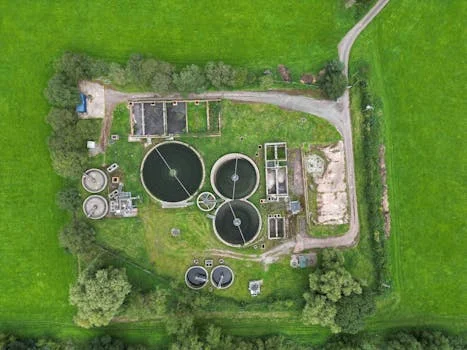
MBBR, SBR, and MBR selection sets both capital outlay and the chance of meeting KSPCB discharge limits on the first CTO sample. Capex, footprint, and effluent quality move together, so the wrong train is expensive to fix later. The comparison table below is the decision grid most plants we size in Peenya and Whitefield start from.
| Technology | Capex (₹/KLD) | Opex (₹/KLD/month) | Footprint (sq. m/KLD) | Effluent Quality (BOD/TSS) | Maintenance Complexity | Best For (Use Cases) |
|---|---|---|---|---|---|---|
| MBBR (Moving Bed Biofilm Reactor) | 1,200–1,800 | 0.8–1.2 | 0.2–0.3 | BOD <20 mg/L, TSS <30 mg/L | Low; requires media replacement every 5–7 years | General commercial, light industrial, variable loads, "plug-and-play" solutions. |
| SBR (Sequential Batch Reactor) | 1,500–2,200 | 0.9–1.5 | 0.3–0.5 | BOD <10 mg/L, TSS <20 mg/L | Medium; requires skilled operators, higher power (0.6–0.9 kWh/KLD) | Industrial with variable flow/load (e.g., food processing), municipal, higher effluent quality needs. |
| MBR (Membrane Bioreactor) | 2,500–3,500 | 1.2–2.0 | 0.1–0.2 | BOD <5 mg/L, TSS <5 mg/L | High; membrane cleaning, replacement (₹5–8L/m² every 5–8 years) | Pharmaceutical/biotech (KSPCB Class I mandatory), space-constrained sites (e.g., Koramangala, Whitefield), high water reuse applications. |
MBR trains are often required for pharmaceutical and biotech effluent that must hit KSPCB Class I limits, and compact MBR systems for KSPCB Class I compliance also fit tight Koramangala or Whitefield plots. For a deeper engineering comparison, see our MBR vs SBR wastewater treatment guide. When plot area is the binding constraint, weigh containerized vs permanent wastewater plants before locking civil design.
Class I or II discharge often still needs disinfection after biological treatment. UV or chlorine dioxide (ClO₂) disinfection typically adds ₹500–1,200/KLD to capex. Membrane plants also need a clear CIP chemical budget and a membrane replacement reserve equal to ₹5–8L/m² every 5–8 years. Skipping that reserve makes MBR look cheaper on day one and more expensive by year six.
Bangalore Compliance Checklist: Permits, Standards, Hidden Costs
Karnataka State Pollution Control Board (KSPCB) rules are a mandatory cost line on every Bangalore wastewater project, covering permits, effluent limits, and land-use constraints. Missed consent steps can trigger fines and shutdowns, so price them in the first budget, not after award.
- KSPCB Class I (Industrial Effluent): Applies to textiles, pharmaceuticals, and chemicals. Targets are BOD <10 mg/L, TSS <20 mg/L, COD <50 mg/L, pH 6.5–8.5, and no visible color. Consent to Establish (CTE) often costs ₹50,000–2,00,000 one-time; Consent to Operate (CTO) often costs ₹20,000–50,000 per year.
- KSPCB Class II (Municipal/Commercial Sewage): Applies to residential complexes, commercial blocks, and municipal STPs. Typical limits are BOD <30 mg/L, TSS <50 mg/L, COD <250 mg/L. CTE often costs ₹20,000–1,00,000; annual CTO often costs ₹10,000–30,000. BWSSB jobs may need extra NOCs at ₹50,000–2,00,000.
- Land Use Regulations: Industrial belts such as Peenya and Bommasandra usually allow conventional above-grade STPs. Residential pockets such as Indiranagar and Jayanagar often limit installs to underground or containerized plants. Those forms can add 20–40% capex for civil works, noise control, and screening (BBMP 2024 zoning regulations).
- Effluent Disposal and Reuse: Discharge to BWSSB sewers may cost ₹0.5–1.5/KLD. Reuse for cooling, irrigation, or flushing needs extra approvals and often tertiary polish such as RO or advanced filtration. Budget about ₹300–800/KLD more when the goal is high-purity water for cooling towers or irrigation.
- Consent to Establish (CTE) Process: CTE review typically takes 30–60 days with fees of ₹10,000–50,000. A detailed engineering report is mandatory; consultant fees commonly run ₹2–5L.
Bangalore-specific tip: KSPCB favors projects that reuse a large share of treated water for cooling, irrigation, or toilet flushing. Stating reuse volumes in the permit package often shortens review cycles. Projects that only promise “future reuse” without a pipe and pumping sketch rarely get that courtesy.
5-Step Procurement Framework for Bangalore Wastewater Projects
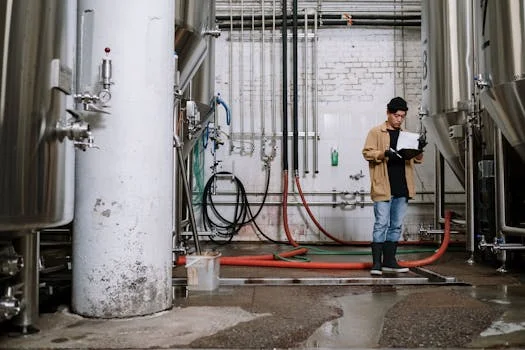
A five-step procurement path helps Bangalore industrial and municipal buyers compare vendors on the same scope, cost, and consent basis. Most overruns we see start with an incomplete RFP, not with the process biology.
- Step 1: Define Project Scope. Lock capacity (KLD/MLD), preferred train (MBBR, SBR, or MBR), and KSPCB Class I or II using the tables above. Example scope: “100 KLD MBBR for textile effluent, KSPCB Class I, containerized package for a tight plot.”
- Step 2: Request Proposals (RFP). Seek 3–5 qualified bids and attach this compliance checklist. Treat refusal to break out capex, opex, or warranty terms as a red flag.
- Step 3: Evaluate Bids Systematically. Score proposals with a fixed card: 40% capex, 30% 5-year opex/TCO, 20% proven KSPCB consent experience, 10% warranty (minimum 2 years equipment, 5 years membranes).
- Step 4: Conduct a Pilot Test (Optional but Recommended). For industrial flows above 50 KLD, run a 4–6 week pilot. Typical pilot cost is ₹2–5L and is often credited against a full plant. Track effluent quality, power use, and operator skill needs.
- Step 5: Negotiate Contract Terms. Require a performance guarantee (for example, “BOD <10 mg/L or 20% refund on system cost”), delay damages, and 10-year spare-parts availability.
Bangalore-specific tip: Prefer vendors with local service bases in Peenya or Hoskote for faster call-outs. Ask for references from textile, pharma, or IT-park plants inside the city, not only out-of-state brochure cases. A vendor who cannot name a Bangalore CTO reference usually underestimates consent timelines.
Selection Checklist and Main Cost Drivers
Bangalore buyers should freeze these items before comparing lump-sum quotes. Skipping any line usually recreates the black-box problem described above.
- Design flow and peak factor in KLD, plus COD/BOD/TSS and any color or oil load.
- Required KSPCB class and reuse percentage target.
- Plot constraints: open, underground, or containerized envelope.
- Power tariff assumption and who pays chemical and sludge haulage.
- Civil scope boundary: who builds tanks, sheds, drains, and access.
- Warranty length for electromechanical gear and membranes or media.
- Local spare-parts lead time and operator skill available on site.
The dominant cost drivers are almost always civil share, aeration power, and whether Class I polish is mandatory. Secondary drivers are membrane replacement, sludge haul distance, and the need for odour control on residential boundaries. Price those five explicitly and the remaining quote noise shrinks fast.
ROI Calculator: Payback for Industrial Plants in Bangalore
On-site industrial treatment in Bangalore often pays back in 1.5–2.5 years when water savings and avoided KSPCB penalties are counted together. Finance teams usually want the cash lines below, not a generic sustainability claim.
| Capacity (KLD) | Capex (₹) | Annual Opex (₹) | Water Savings (₹/year) | Penalty Avoidance (₹/year) | Payback Period (years) |
|---|---|---|---|---|---|
| 50 | 8,00,000 | 1,80,000 | 3,60,000 | 2,00,000 | 1.5 |
| 100 | 18,00,000 | 3,60,000 | 7,20,000 | 4,00,000 | 1.7 |
| 200 | 30,00,000 | 5,40,000 | 14,40,000 | 8,00,000 | 1.8 |
| 500 | 90,00,000 | 18,00,000 | 36,00,000 | 20,00,000 | 1.6 |
Water Savings: Fresh water price is a major ROI lever in Bangalore. BWSSB industrial supply sits near ₹60–80/KL (2025 rates), while tanker water can reach ₹100–150/KL. A plant that reuses 50% of treated flow at 200 KLD can save about ₹14.4L per year (HydropureWater ROI analysis, 2025).
Penalty Avoidance: KSPCB fines for non-compliance often range ₹1–5L per event, and shutdowns add production loss. Non-compliant sites in Bangalore average about two shutdowns per year in the cases behind this table. A consented plant removes that recurring cash risk.
Hidden ROI of Water Reuse: Many IT parks, including campuses around Manyata Tech Park, reuse up to 60% of treated effluent for cooling, grounds irrigation, and flushing, cutting BWSSB draw by as much as 40%. KSPCB offers a 25% capex subsidy for projects that demonstrate over 50% reuse, capped at ₹50L per project, which can shorten payback by another 6–12 months (KSPCB 2024 subsidy guidelines).
Use the table as a screening tool, then rebuild payback with your real tariff, tanker share, and fine history. Sites that buy more than half their water from tankers usually beat the tabulated payback. Sites on cheap captive borewells with weak enforcement often need the penalty line to justify spend—and that is a fragile business case.
Who This Is For / Who Should Look Elsewhere / Next Step
This guide serves plant engineers, EPC estimators, and procurement managers pricing industrial or campus STPs from about 5 KLD to multi-MLD in Bangalore. It is not a substitute for a site-specific treatability study on high-salinity, heavy-metal, or solvent-laden streams. If your flow, KSPCB class, and plot constraints are ready, request a scoped quote with those three inputs so capex and opex bands can be narrowed to your site.
Frequently Asked Questions
How much does a 100 KLD sewage treatment plant cost in Bangalore?
A 100 KLD sewage treatment plant in Bangalore typically costs ₹12–28L for a permanent SBR plant or ₹9–15L for a containerized MBBR system, excluding land and civil works. Class I tertiary polish often needs another ₹3–5L. Keep civil works as a separate line because they can add 30–50% when buried in a lump sum. Convert the published opex band with your tariff before you lock the annual budget.
What are the monthly operating costs for a 50 KLD plant in Bangalore?
Monthly operating costs for a 50 KLD wastewater treatment plant in Bangalore average about ₹0.9–1.4/KLD/month on the capacity table, or roughly ₹45,000–70,000 per month at that flow. A finer industrial split often lands near power ₹0.5–0.8/KLD, chemicals ₹0.2–0.4/KLD, labor ₹0.1–0.3/KLD, and maintenance ₹0.2–0.5/KLD. MBR packages usually run 20–30% higher opex because of membrane cleaning and replacement.
Do I need KSPCB approval for a 5 KLD sewage treatment plant?
Yes, sewage treatment plants above 1 KLD in Bangalore need both Consent to Establish and Consent to Operate from KSPCB. Smaller plants often pay about ₹20,000–50,000 for one-time CTE and ₹10,000–20,000 per year for CTO renewal. Operating without consent can bring fines up to ₹5L per event plus forced shutdowns. File the engineering report with the CTE package rather than after civil work starts.
Can I install a wastewater treatment plant in a residential area?
In residential zones such as Koramangala or Indiranagar, authorities typically allow only underground or containerized plants because of space, noise, and appearance rules. Those forms can raise capex by 20–40% versus open-air industrial layouts. Budget extra for vibration isolation, odour control, and visual screening. Confirm BBMP zoning before you freeze the civil drawing set.
What is the payback period for a 200 KLD industrial plant?
Payback for a 200 KLD industrial wastewater treatment plant in Bangalore typically falls between 1.5 and 2.5 years. The worked table shows about 1.8 years when water savings near ₹14.4L/year and penalty avoidance near ₹8L/year are counted with ₹30L capex and ₹5.4L annual opex. Reuse subsidies that cover 25% of capex, up to ₹50L, can cut another 6–12 months from payback when reuse exceeds 50%.