Why Brackish Water RO Systems Are Critical for Food Processing
Food processing operations, particularly those situated in coastal or arid regions where brackish water (TDS 1,000–10,000 mg/L) is the primary source, face stringent quality and compliance demands. To meet regulatory standards like FDA 21 CFR Part 129 for bottled water or EU 98/83/EC for drinking water, processors must ensure their water supply consistently achieves microbial limits below 1 Colony Forming Unit (CFU) per 100 mL and a Total Dissolved Solids (TDS) level below 500 mg/L. Standard municipal water often falls within these parameters, but brackish sources, commonly found in areas like California, the Middle East, and Australia, necessitate advanced treatment. Brackish water RO systems are engineered to handle these challenges, typically operating at pressures between 200–400 psi, a significant increase compared to the 50–100 psi required for tap water RO. For instance, a cheese manufacturer in Saudi Arabia, dealing with influent TDS of 3,500 mg/L, implemented a 10,000 GPD brackish water RO system. This system achieved a permeate TDS of just 15 mg/L, resulting in a 98% reduction in salt carryover and a 40% decrease in overall water costs. However, processors must be vigilant against common pain points such as membrane fouling from organic matter like lactose in dairy applications, scaling from calcium sulfate, and persistent biofilm growth within critical CIP (Clean-In-Place) lines, all of which can compromise water quality and system efficiency.
Brackish Water RO System Specifications for Food Processing
Selecting the appropriate brackish water RO system for food processing requires a deep understanding of specific technical parameters that ensure both water quality and operational reliability. At the heart of any RO system are the membranes, and for food-grade applications, Thin-Film Composite (TFC) membranes are overwhelmingly preferred. TFC membranes offer superior salt rejection rates, typically achieving 99.5%, which is notably higher than the 97% offered by older cellulose acetate membranes. their inherent structure provides better resistance to organic fouling, a critical factor in food processing environments where sugars, proteins, and fats can readily accumulate. The operating pressure for brackish water RO systems generally ranges from 200 to 400 psi, significantly lower than the 800–1,200 psi required for seawater desalination, contributing to an energy consumption of 0.5–1.5 kWh/m³. Recovery rates for brackish water RO systems typically fall between 75–90%. However, for food processing, targeting an 80–85% recovery rate is often optimal. While higher recovery rates yield more purified water per unit of feed, they also increase the concentration of dissolved solids in the reject stream, thereby elevating the risk of scaling and reducing membrane lifespan. Effective pretreatment is paramount to protect these valuable membranes. This typically involves multimedia filters with pore sizes of 10–20 µm to remove suspended solids, followed by precise antiscalant dosing (e.g., 2–5 ppm of polyphosphate) to inhibit the precipitation of minerals like calcium sulfate, which is prevalent in cheese and whey processing. Post-treatment is equally crucial for meeting microbial standards. Ultraviolet (UV) disinfection, delivering a dose of at least 40 mJ/cm², or the application of chlorine dioxide at a concentration of 0.8 mg/L, are standard methods to ensure the permeate water is free from viable microorganisms, with rigorous validation protocols in place to confirm efficacy.
| Parameter | Typical Range/Specification | Food Processing Considerations |
|---|---|---|
| Feedwater TDS | 1,000–10,000 mg/L | Requires robust pretreatment and high-rejection membranes. |
| Operating Pressure | 200–400 psi | Higher pressure than tap water RO; requires appropriately rated equipment. |
| Energy Consumption | 0.5–1.5 kWh/m³ | Optimized system design and energy recovery devices can reduce operational costs. |
| Salt Rejection | ≥99.5% (TFC membranes) | Essential for meeting stringent TDS limits for product quality and compliance. |
| Recovery Rate | 75–90% (Target 80–85%) | Balancing water savings with scaling risk and membrane longevity. |
| Membrane Type | Thin-Film Composite (TFC) | Preferred for higher rejection and organic fouling resistance. |
| Pretreatment | Multimedia Filtration (10–20 µm), Antiscalant Dosing (2–5 ppm) | Crucial for preventing fouling and scaling from feedwater contaminants. |
| Post-Treatment | UV Disinfection (40 mJ/cm²), Chlorine Dioxide (0.8 mg/L) | Ensures microbial safety and compliance with <1 CFU/100 mL limits. |
| CIP Compatibility | Citric Acid (pH 2), NaOH (pH 12), Chlorine Dioxide | Materials and protocols must be compatible with food-grade cleaning agents. |
For processors seeking advanced solutions, HydropureWater offers HydropureWater’s food-grade RO systems with FDA-compliant materials, designed to meet these exacting standards.
Cost Breakdown: Brackish Water RO Systems for Food Processing
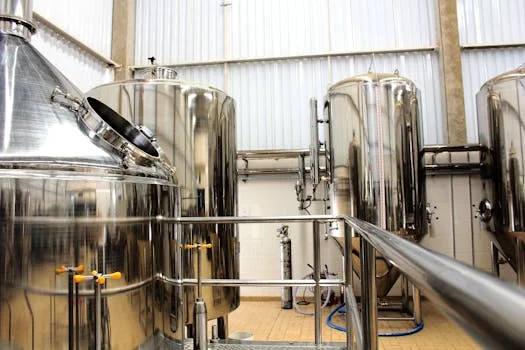
The financial investment in a brackish water RO system for food processing involves both upfront capital expenditure (CAPEX) and ongoing operational expenditure (OPEX). CAPEX for systems ranging from 500 to 20,000 Gallons Per Day (GPD) can span from $15,000 to $250,000. It is critical to note that food-grade systems typically command a premium of 20–30% over standard industrial units due to the necessity of using 316L stainless steel construction, sanitary fittings, and polished surfaces to prevent microbial harborage and ensure ease of cleaning. OPEX, often expressed per 1,000 gallons, can range from $0.50 to $2.00. This cost includes energy consumption, which varies based on system efficiency and local electricity rates ($0.08–$0.20/kWh), membrane replacement (estimated at $0.10–$0.30/1,000 gal), and the cost of CIP chemicals and consumables ($0.05–$0.15/1,000 gal). The return on investment (ROI) is driven by several factors. Significant water savings, often ranging from 30–50% compared to purchasing municipal water, are a primary driver. reducing the TDS of wastewater can substantially lower surcharges levied by local authorities, especially in regions with strict discharge limits. Improved product quality, such as reduced salt content in baked goods or consistent ingredient water for beverages, also contributes to the economic benefit. Beyond the direct system costs, food processors must also account for hidden expenses. These include FDA validation testing, which can range from $5,000 to $15,000, ensuring the system meets all regulatory requirements. Maintaining a spare parts inventory, such as 2–3 spare membrane elements, is crucial for minimizing downtime. Operator training on the specific requirements of food-grade CIP protocols and system maintenance is also an essential investment.
| Cost Component | Typical Range | Food Processing Specifics |
|---|---|---|
| CAPEX | $15,000 – $250,000 (500–20,000 GPD) | 20–30% higher for sanitary design, 316L SS, hygienic fittings. |
| OPEX per 1,000 Gallons | $0.50 – $2.00 | Includes energy, membrane replacement, chemicals, and maintenance. |
| Energy Cost | $0.08 – $0.20/kWh | Dependent on local tariffs and system efficiency. |
| Membrane Replacement | $0.10 – $0.30/1,000 gal | Frequency varies with feedwater quality and operating hours. |
| CIP Chemicals & Consumables | $0.05 – $0.15/1,000 gal | Includes acids, alkalis, sanitizers, and filter cartridges. |
| Hidden Costs | ||
| FDA Validation & Testing | $5,000 – $15,000 | Essential for regulatory approval and product safety. |
| Spare Parts Inventory | (e.g., 2-3 membranes) | Minimizes downtime during unexpected component failures. |
| Operator Training | Crucial for proper operation, maintenance, and CIP protocols. | |
| ROI Drivers | ||
| Water Savings | 30–50% | Reduced reliance on costly municipal water. |
| Wastewater Surcharge Reduction | Significant | Lower fees due to reduced TDS discharge. |
| Product Quality Improvement | Measurable | Consistent ingredient water, reduced contaminants. |
For precise chemical management, consider PLC-controlled antiscalant dosing for RO systems.
Compliance Checklist for Food-Grade Brackish Water RO Systems
Ensuring that brackish water RO systems meet the stringent regulatory requirements for food processing is a multi-faceted process. Compliance officers must meticulously review system design, operation, and documentation against various standards. In the United States, FDA 21 CFR Part 110 (Current Good Manufacturing Practice, or cGMP) mandates sanitary design principles for all food contact surfaces, including the use of materials like 316L stainless steel and hygienic fittings that facilitate thorough cleaning and prevent microbial harborage. Validation of microbial reduction, often through challenge testing with surrogate organisms like E. coli, is a critical component of GMP compliance. European Union regulations, such as EU 98/83/EC concerning the quality of water intended for human consumption, set strict limits for 48 specific contaminants, including maximum levels for heavy metals like lead (<10 µg/L) and pesticides (<0.1 µg/L), all of which are effectively removed by RO. In North America, NSF/ANSI 61 certification is often required, ensuring that all materials in contact with drinking water are safe and do not leach harmful substances. Beyond federal and international standards, local regulations must also be considered. For example, Saudi Arabia’s SASO 1433 standard for bottled water stipulates a maximum TDS of 500 mg/L and microbial limits of <1 CFU/100 mL, requiring RO systems to be precisely configured to meet these regional requirements. Maintaining comprehensive documentation is a cornerstone of compliance. This includes detailed logs for every CIP cycle, records of membrane integrity tests (such as pressure decay tests) performed regularly to detect leaks or damage, and a robust microbial sampling program with defined frequencies for permeate water (daily) and CIP lines (weekly). This meticulous approach ensures continuous adherence to safety and quality standards.
For reliable post-treatment disinfection, on-site ClO₂ generators for post-RO disinfection offer a highly effective solution.
Troubleshooting Common Issues in Food Processing RO Systems
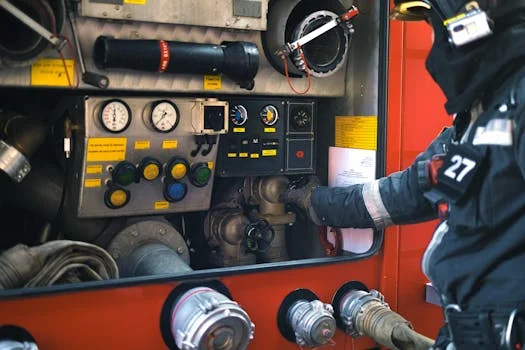
Operational challenges within food processing RO systems often stem from the unique characteristics of the feed water and the stringent hygiene requirements of the industry. A common symptom is a reduction in permeate flow, perhaps a 20% drop over a 30-day period. This can be attributed to either organic fouling, particularly prevalent in dairy or sugar processing due to the presence of lactose or sucrose, or mineral scaling, such as calcium sulfate. The recommended fix involves a tailored Clean-In-Place (CIP) protocol: for scaling, a soak with a 2% citric acid solution (pH 2) for 30–60 minutes is effective, while organic fouling can be addressed with a 0.1% sodium hydroxide (NaOH) solution (pH 12) for the same duration. Another critical issue is an elevated permeate TDS, exceeding the target of 50 mg/L. This often indicates membrane damage, potentially caused by exposure to disinfectants like free chlorine, or leaks in system seals, such as O-rings. Diagnosing these problems requires conducting a pressure decay test to assess membrane integrity or performing dye tests to pinpoint O-ring leaks, followed by the replacement of damaged membranes or seals. Biofilm formation within CIP lines is a persistent concern that compromises sanitation. Causes include inadequate sanitization temperatures (below 85°C) or poorly designed piping with dead legs. The solution involves retrofitting sanitary fittings, such as tri-clamp connections, to eliminate crevices, and implementing a sanitization regimen using 200 ppm chlorine dioxide with a 30-minute contact time. Proactive prevention is key: daily monitoring of permeate TDS, weekly CIP cycles, and quarterly membrane autopsies to assess fouling and scaling patterns are essential practices. Interpreting autopsy results can guide future pretreatment and CIP strategies, thereby extending membrane life and ensuring consistent water quality.
Frequently Asked Questions
What is the best membrane for food processing brackish water RO?
Thin-film composite (TFC) membranes are generally preferred for their high salt rejection (99.5%) and superior resistance to organic fouling, which is common in food processing. However, in specific applications where high chlorine tolerance is a primary concern, such as poultry processing, cellulose acetate membranes might still be considered, though their use is less common for brackish water due to lower rejection rates.
How often should RO membranes be replaced in food processing?
Membrane replacement frequency typically ranges from 3 to 5 years, heavily dependent on the feedwater quality, the effectiveness of pretreatment, and the regularity of CIP cycles. Dairy processors, facing significant organic loading, may need to replace membranes as frequently as every 2 to 3 years. Monitoring normalized permeate flow provides a reliable indicator of membrane health and an optimal time for replacement.
Can brackish water RO systems remove pathogens like E. coli?
Yes, RO systems are highly effective at removing pathogens, typically achieving 99.9% removal. However, to meet the stringent microbial limits required by FDA and EU regulations (<1 CFU/100 mL), post-treatment disinfection using methods like UV irradiation or chlorine dioxide is mandatory. Validation testing is essential to confirm the combined efficacy of the RO system and post-treatment.
What is the typical ROI for a food processing RO system?
The typical ROI for a food processing RO system is estimated to be between 18 to 36 months. This is primarily driven by substantial water savings (30–50% compared to municipal sources) and the significant reduction in wastewater surcharges, as lower TDS discharge often results in lower sewer fees. Improvements in product consistency and quality also contribute to the overall financial benefit.
How do I prevent biofilm in my RO system?
Preventing biofilm requires a multi-pronged approach. Ensuring the use of sanitary fittings, such as tri-clamp connections, eliminates potential dead legs where biofilm can form. Maintaining CIP temperatures consistently above 85°C during cleaning cycles is crucial for effective sanitization. regular disinfection with agents like 200 ppm chlorine dioxide, allowing for a 30-minute contact time, is vital for eradicating any nascent biofilm growth and maintaining a hygienic system.
Further Reading
Explore these in-depth articles on related wastewater treatment topics: