In Trujillo, wastewater treatment plant costs range from $150M for municipal projects (e.g., Puerto Maldonado) to $283M for large-scale systems (e.g., BNamericas’ $280M+ project). These figures include capital expenditure (capex) and operating/maintenance (O&M) costs over the project lifecycle. For industrial applications, costs scale with capacity—expect $500K–$5M for plants treating 10–100 m³/h, depending on technology (e.g., MBR vs. conventional activated sludge). Local compliance with Peruvian discharge standards (e.g., DS 015-2015-MINAM) and Trujillo municipal regulations adds 10–20% to project budgets. This guide breaks down costs by plant type, capacity, and technology, with ROI benchmarks for industrial and municipal projects.
Why Trujillo’s Wastewater Treatment Costs Are Rising in 2025
Trujillo’s urban population growth of 18% between 2010 and 2020 has resulted in an estimated 22% increase in average daily wastewater flow rates, placing unprecedented strain on existing SEDALIB infrastructure. This growth, documented by INEI (2023), necessitates a shift from basic primary treatment to advanced secondary and tertiary systems. The methodology for estimating these flow rates involves a per capita water consumption of 150 liters per day with an 80% return-to-sewer factor, highlighting a widening gap between current capacity and regional demand.
Industrial expansion in the La Libertad region has further complicated the cost landscape. Industrial wastewater discharge in Trujillo increased by approximately 35% from 2018 to 2023, driven largely by the food processing, textile, and mining sectors. These industries produce high-strength waste that requires specialized treatment. For instance, food processing facilities in the Moche Valley often discharge wastewater with Fats, Oils, and Grease (FOG) levels exceeding 500 mg/L, necessitating pre-treatment systems that increase initial capital expenditure (CAPEX).
Regulatory pressure is the primary driver for technology upgrades in 2025. The Peruvian discharge standards (DS 015-2015-MINAM) were tightened in 2024, now strictly enforcing parameters such as BOD < 30 mg/L, TSS < 50 mg/L, and COD < 125 mg/L. Field audits suggest that nearly 60% of existing private and municipal plants in Trujillo require immediate biological or filtration upgrades to avoid penalties. The financial risk of inaction is significant; in 2023, a major Trujillo textile factory was levied $1.2 million in fines for persistent non-compliance regarding heavy metal and color discharge, signaling a more aggressive enforcement trend by OEFA (Organismo de Evaluación y Fiscalización Ambiental).
Wastewater Treatment Plant Cost Breakdown: Trujillo vs. National Benchmarks
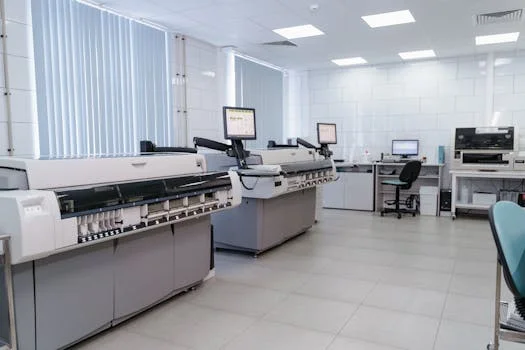
Municipal wastewater treatment projects in Trujillo currently require capital investments ranging from $150 million to $283 million, significantly exceeding the $50 million to $100 million average for smaller Peruvian regional capitals like Moyobamba or Huancavelica. These costs are driven by the scale of population equivalents (PE) in Trujillo, where major projects are designed to handle flows for over 500,000 residents. For example, the Puerto Maldonado project serves as a benchmark at $150 million, while larger integrated systems reported by BNamericas exceed $283 million when accounting for long-term O&M contracts.
For industrial operators, the cost per cubic meter of treated water is highly dependent on the selected technology and the complexity of the influent. In Trujillo, a standard industrial plant with a capacity of 10–100 m³/h ranges from $500,000 to $5,000,000. Membrane Bioreactor (MBR) systems sit at the higher end of this range but offer the smallest footprint and highest effluent quality, while Dissolved Air Flotation (DAF) systems provide a cost-effective solution for high-FOG industries like fishmeal or vegetable processing.
Local cost drivers specific to Trujillo include high land prices in industrial zones like Chicama and Huanchaco, which are 15-20% higher than in Arequipa. Trujillo is located in Peruvian Seismic Zone 4 (High Activity), requiring reinforced concrete structures and specialized tank anchoring that adds 12% to structural costs compared to inland projects. Labor shortages for specialized environmental engineers also contribute to a 10% premium on project management fees.
| Component | Cost Allocation (50 m³/h Plant) | Estimated Value (USD) |
|---|---|---|
| Civil Works & Seismic Design | 35% | $875,000 |
| Electromechanical Equipment | 40% | $1,000,000 |
| Automation & Control | 10% | $250,000 |
| Permitting & Engineering | 15% | $375,000 |
| Total CAPEX | 100% | $2,500,000 |
Operating expenses (OPEX) in Trujillo typically range from $0.15 to $0.30 per m³ treated. Energy consumption accounts for 40% of this cost, followed by chemical reagents at 25%, labor at 20%, and routine maintenance at 15%. Over a 20-year lifecycle, a 50 m³/h industrial plant in Trujillo will incur approximately $4.9 million in total costs, including initial investment and inflation-adjusted O&M.
Engineering Specs for Trujillo Wastewater Treatment Plants: What You Need to Know
Influent characterization for Trujillo’s municipal sector reveals a biological oxygen demand (BOD) range of 250–400 mg/L and chemical oxygen demand (COD) of 500–800 mg/L, necessitating secondary treatment technologies capable of achieving at least 90% removal efficiency. According to SEDALIB reports, total suspended solids (TSS) in the Trujillo metropolitan area average 300–500 mg/L, which requires robust primary clarification or screening to prevent downstream clogging of biological reactors.
Industrial wastewater profiles in the region vary sharply by sector. Food processing plants often exhibit BOD levels of 1,200–2,500 mg/L and FOG levels up to 800 mg/L. The textile industry near Trujillo faces challenges with high color (500–1,500 Pt-Co) and COD levels reaching 3,000 mg/L. Mining operations in the nearby highlands contribute influent with TSS levels of 2,000–5,000 mg/L and significant concentrations of heavy metals such as copper and zinc. To meet DS 015-2015-MINAM standards, these facilities must utilize high-efficiency systems like MBR systems for Trujillo’s high-efficiency wastewater treatment needs or DAF systems for Trujillo’s industrial pre-treatment requirements.
| Technology Type | BOD Removal % | TSS Removal % | Footprint (m²/m³/day) |
|---|---|---|---|
| MBR (Membrane Bioreactor) | 99% | 98% | 0.5 – 1.0 |
| CAS (Conventional Activated Sludge) | 90% | 85% | 1.0 – 2.0 |
| DAF (Dissolved Air Flotation) | 30 – 50% | 80% (95% FOG) | 0.3 – 0.8 |
Space constraints are a critical engineering factor in Trujillo’s established industrial parks. MBR technology is often preferred because it requires only 0.5–1 m² per m³/day of treatment capacity, compared to up to 2 m² for conventional systems. This footprint reduction allows for onsite treatment without the need for additional land acquisition, which is increasingly difficult in the Trujillo metropolitan area.
Technology Comparison: MBR vs. Conventional Activated Sludge vs. DAF for Trujillo Projects
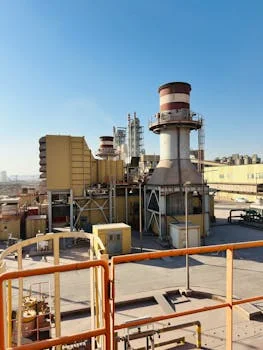
Membrane Bioreactor (MBR) systems achieve 99% BOD removal and 98% total suspended solids (TSS) removal in Trujillo applications, offering a 60% smaller footprint compared to conventional activated sludge systems. While the CAPEX for a 50 m³/h MBR plant ranges from $300,000 to $1,000,000, the ability to produce reuse-quality effluent makes it the gold standard for industries looking to mitigate water scarcity. However, engineers must account for higher energy demands (0.8–1.2 kWh/m³) and membrane replacement costs every 5–7 years, which can range from $50,000 to $100,000.
Conventional Activated Sludge (CAS) remains a viable option for municipal projects where land is available. With a lower CAPEX of $150,000–$500,000 for a 50 m³/h capacity and lower energy consumption (0.3–0.6 kWh/m³), it is highly reliable. The trade-off is a 90% BOD removal rate and higher sludge production, which incurs disposal costs of $20–$50 per ton in the Trujillo region. To optimize these systems, planners should compare MBR and conventional activated sludge for Trujillo projects based on long-term sustainability goals.
Dissolved Air Flotation (DAF) is indispensable for Trujillo’s agro-industrial sector. As a pre-treatment step, it removes 95% of FOG and 80% of TSS, protecting downstream biological processes. While DAF systems are affordable ($100,000–$300,000 CAPEX), they require precise chemical dosing for Trujillo’s compliance needs to maintain efficiency. DAF is rarely a standalone solution for meeting DS 015-2015-MINAM but is essential for high-load industrial streams.
| Metric | MBR | Conventional (CAS) | DAF (Pre-treatment) |
|---|---|---|---|
| CAPEX (Relative) | High | Medium | Low |
| Energy Use | 0.8 – 1.2 kWh/m³ | 0.3 – 0.6 kWh/m³ | 0.2 – 0.4 kWh/m³ |
| Effluent Quality | Reuse Grade | Discharge Grade | Pre-treatment Grade |
| Maintenance | High (Membranes) | Medium | Medium (Chemicals) |
Local Compliance and Permitting: What Trujillo Projects Must Meet in 2025
Peruvian Supreme Decree DS 015-2015-MINAM mandates strict effluent limits, including a BOD of less than 30 mg/L and TSS of less than 50 mg/L, with non-compliance resulting in administrative fines of up to $1.2 million. In Trujillo, these national standards are supplemented by municipal zoning requirements that dictate where industrial wastewater plants can be sited. Operators must ensure their designs include tertiary disinfection (typically UV or Chlorination) to meet fecal coliform limits of < 1,000 MPN/100 mL for discharge into coastal waters or irrigation channels.
The permitting process in Trujillo is a multi-stage endeavor. Any plant with a capacity exceeding 10 m³/h requires an Environmental Impact Assessment (EIA) submitted to the Ministry of Environment (MINAM). This process typically takes 6–12 months and can cost between $20,000 and $100,000 depending on the project's complexity. Following EIA approval, the project must secure a water discharge permit from the National Water Authority (ANA), which involves a 2–4 month technical review of the treatment process and discharge point.
Enforcement trends in Trujillo have sharpened recently, with the environmental police (OEFA) increasing onsite inspections by 40% in 2024. Common violations cited in the La Libertad region include exceedances in COD and TSS, often caused by undersized primary treatment or poor sludge management. To ensure compliance, many industrial sites are now integrating high-efficiency sedimentation tanks as a buffer against influent surges.
ROI Calculator: How to Justify Your Trujillo Wastewater Treatment Plant Investment
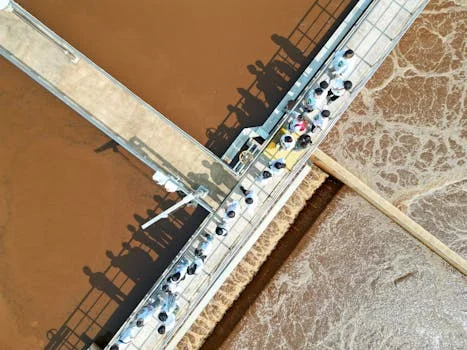
Industrial wastewater treatment plants in Trujillo typically achieve a return on investment (ROI) within 3 to 7 years by offsetting municipal water intake costs, which currently range from $0.50 to $2.00 per cubic meter. For a factory treating 50 m³/h, recycling just 50% of its wastewater for cooling or irrigation can save over $150,000 annually in water purchase costs alone. When combined with the avoidance of potential non-compliance fines ($50,000 to $1.2 million per year), the business case for advanced treatment becomes clear.
Sludge valorization offers another revenue stream for Trujillo-based projects. In the agro-industrial sector, stabilized sludge can be converted into organic fertilizer or biogas, reducing disposal costs that range from $20 to $50 per ton. To maximize these savings, plants should optimize sludge dewatering for Trujillo’s industrial plants to reduce the volume of waste transported to landfills.
The ROI formula for a Trujillo project is calculated as: (Annual Savings + Annual Revenue) / (CAPEX + Annual O&M). For a typical $2.5M industrial plant with $120,000 in annual O&M and $300,000 in water savings/fine avoidance, the payback period is approximately 5 years. compliant plants in Peru gain access to "green financing" with preferential interest rates and improved ESG (Environmental, Social, and Governance) scores, which are increasingly important for export-oriented businesses in La Libertad.
| Project Type | Typical ROI Period | Primary Savings Driver |
|---|---|---|
| Municipal (Large Scale) | 8 – 12 Years | Public Health & Fine Avoidance |
| Food Processing (Industrial) | 3 – 5 Years | Water Reuse & FOG Recovery |
| Textile/Chemical (Industrial) | 4 – 7 Years | Fine Avoidance & Chemical Recovery |
Decision Framework: How to Choose the Right Wastewater Treatment Plant for Your Trujillo Project
Selecting a wastewater treatment plant for a Trujillo-based project requires a seven-step technical evaluation that prioritizes influent chemistry, seismic design requirements, and long-term operating expenditure (O&M) stability. The first step is defining the project type—municipal, industrial, or hybrid—as this determines the regulatory pathway and the required population equivalent (PE) or process volume calculations.
- Define Project Type: Determine if the plant is for municipal discharge or industrial process reuse.
- Calculate Flow Rates: Use population data or industrial production peaks to size the plant correctly.
- Assess Influent Characteristics: Conduct lab testing for BOD, COD, TSS, and sector-specific contaminants (FOG, metals).
- Evaluate Compliance: Map out DS 015-2015-MINAM requirements and local Trujillo municipal zoning rules.
- Compare Technologies: Use the performance tables above to choose between MBR, CAS, or DAF based on footprint and effluent needs.
- Calculate ROI: Apply the savings formula to justify the CAPEX to stakeholders.
- Select a Vendor: Prioritize suppliers with a proven track record in Peru and local maintenance support.
For smaller projects or those with limited civil engineering timelines, engineers should explore package plants for smaller Trujillo projects, as these modular systems can be deployed up to 50% faster than traditional concrete-build plants. When vetting vendors, always ask for their compliance success rate specifically within the La Libertad region and their O&M cost guarantees per cubic meter of treated water.
Frequently Asked Questions
How much does it cost to set up a sewage treatment plant in Trujillo?
Municipal plants in Trujillo typically cost between $150M and $283M for large-scale infrastructure. For industrial applications, costs range from $500,000 for a 10 m³/h system to $5,000,000 for a 100 m³/h system, depending on whether MBR or conventional biological treatment is used.
How much does it cost to install a sewage treatment plant in Trujillo?
Installation costs generally account for 20% to 30% of the total CAPEX. For a $2.5M industrial plant, expect installation costs of $500,000 to $750,000, which covers site preparation, civil works for Seismic Zone 4 compliance, and electromechanical assembly.
Do wastewater treatment plants in Trujillo make money?
Yes, they generate indirect revenue through water reuse (saving $0.50–$2.00/m³ in water purchase costs), the avoidance of heavy fines (up to $1.2M), and the potential valorization of sludge for agricultural use. Industrial plants usually see a return on investment within 3 to 7 years.
What are the Peruvian discharge standards for wastewater treatment plants?
Peruvian standards are governed by DS 015-2015-MINAM. Key limits include BOD < 30 mg/L, COD < 125 mg/L, TSS < 50 mg/L, and pH between 6 and 9. Fecal coliforms must be under 1,000 MPN/100 mL for most discharge scenarios.
How long does it take to build a wastewater treatment plant in Trujillo?
Industrial plants take 12 to 24 months from design to commissioning. Municipal plants require 3 to 5 years due to more complex permitting, EIA approvals (6–12 months), and public funding cycles.