A package wastewater treatment plant in Kerala is a compact, pre-engineered system combining biological treatment (e.g., MBBR, SBR, or MBR), sedimentation, and disinfection in a single unit, designed for capacities from 50 to 5000 KLD. Kerala’s KSPCB mandates Class I discharge limits (BOD < 10 mg/L, TSS < 20 mg/L) for most industrial and municipal projects, with costs ranging from ₹1.2L for a 50 KLD residential system to ₹4.8Cr for a 5000 KLD industrial MBR plant. This guide provides Kerala-specific compliance data, technical specs, and a supplier checklist to streamline procurement.
Kerala’s Wastewater Treatment Regulations: KSPCB Norms and Discharge Limits for 2025
KSPCB Notification No. 12/2023 establishes a rigorous framework for effluent discharge, categorizing the state into three distinct zones based on environmental sensitivity and population density. For engineers and facility planners, identifying the correct zone is the first step in system sizing. Class I zones, which encompass most of Kochi, Ernakulam, and Thiruvananthapuram’s industrial belts, require the most stringent treatment levels, often necessitating advanced membrane filtration or high-efficiency biological reactors.
The 2023 guidelines emphasize that urban and industrial clusters must achieve Class I standards regardless of the receiving body’s nature. For industrial sectors like textiles and food processing, the norms are even stricter. A textile factory in Ernakulam, for instance, must maintain COD levels below 50 mg/L and ensure nearly zero color intensity to avoid KSPCB penalties. According to 2024 enforcement data, non-compliant facilities have faced fines ranging from ₹50,000 to ₹5,00,000, alongside mandatory operational shutdowns until compliance is verified through a 15-day performance audit.
| Parameter | Class I (Urban/Industrial) | Class II (Semi-Urban) | Class III (Rural) |
|---|---|---|---|
| pH Value | 6.5 – 9.0 | 6.5 – 9.0 | 6.5 – 9.0 |
| BOD (3 days at 27°C) | < 10 mg/L | < 20 mg/L | < 30 mg/L |
| Total Suspended Solids (TSS) | < 20 mg/L | < 30 mg/L | < 50 mg/L |
| Chemical Oxygen Demand (COD) | < 50 mg/L | < 100 mg/L | < 150 mg/L |
| Oil and Grease | < 5 mg/L | < 10 mg/L | < 10 mg/L |
| Total Nitrogen (as N) | < 10 mg/L | < 15 mg/L | < 20 mg/L |
Case studies from the Kochi industrial belt highlight the risks of under-designing. A medium-scale food processing unit recently faced a ₹3.5L fine after its legacy system failed to manage peak TSS loads during a production surge. The KSPCB now utilizes real-time monitoring for units discharging over 25 KLD, making automated package plants with integrated sensors a necessity rather than an elective upgrade.
Package Wastewater Treatment Plants vs Conventional Systems: Which is Right for Your Kerala Project?
Package wastewater treatment plants offer a modular alternative to conventional civil-structure STPs, which is particularly advantageous in Kerala where land costs in cities like Kochi range from ₹50,000 to ₹2,00,000 per square yard. A package plant typically requires a footprint of 0.5–1.5 m²/KLD, whereas a conventional system may demand up to 4 m²/KLD. For a 500 KLD project, this footprint reduction saves approximately 1,250 square feet of high-value real estate.
Construction timelines in Kerala are heavily influenced by the monsoon season (June–September). Conventional concrete-based systems often face 6-month delays due to curing requirements and excavation challenges in waterlogged soil. In contrast, package plants are pre-fabricated and can be commissioned in 3–6 months. For example, the 700 KLD system at Lulu Grand Hyatt in Kochi was installed in just 4 months, a timeline impossible for traditional civil construction. For projects with space constraints, using a compact underground STP for Kerala’s high water table allows for land use above the plant for parking or landscaping.
| Feature | Package Plant (MBBR/MBR) | Conventional Activated Sludge (ASP) |
|---|---|---|
| Installation Time | 3 – 6 Months | 12 – 18 Months |
| Land Requirement | Low (0.5–1.5 m²/KLD) | High (2–4 m²/KLD) |
| Civil Work | Minimal (Foundation only) | Extensive (Concrete tanks) |
| Monsoon Resilience | High (Enclosed units) | Moderate (Open tanks prone to flooding) |
| Scalability | Modular (Add units easily) | Difficult (Requires new construction) |
Engineers must also consider Kerala's unique climatic conditions. High humidity accelerates the corrosion of exposed metal components. Package plants utilize FRP (Fiber Reinforced Plastic) or epoxy-coated SS316, providing superior longevity compared to the standard mild steel often used in older conventional designs. For larger projects exceeding 5000 KLD, conventional systems may still offer better economies of scale, but for the 50–5000 KLD range common in Kerala’s residential and hospital sectors, package units are the engineering standard. For a deeper dive into technology selection, refer to this detailed MBR vs MBBR vs SBR comparison.
Technical Specifications: MBBR vs SBR vs MBR for Kerala’s Wastewater
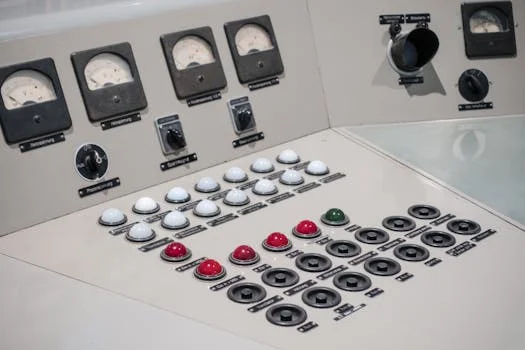
Selecting the optimal biological treatment process depends on the target effluent quality and operational budget. MBBR (Moving Bed Biofilm Reactor) is the most common choice for general industrial and residential use due to its balance of cost and efficiency. It utilizes plastic media to provide a surface for biofilm growth, achieving 85–95% BOD removal. In Kerala, MBBR systems are favored for their ability to handle the TSS spikes common during the monsoon, with field data showing 92–97% TSS removal when paired with secondary clarifiers.
SBR (Sequencing Batch Reactor) technology is ideal for facilities with highly variable hydraulic loads, such as hospitals and hotels. Because SBR operates in batches, it can adjust cycle times to accommodate sudden increases in flow. However, the complexity of SBR control systems requires more skilled labor, which must be factored into Kerala’s operational costs. MBR (Membrane Bioreactor) represents the highest tier of treatment, combining biological digestion with microfiltration. Utilizing MBR systems for Kerala’s Class I discharge norms ensures 99% pathogen removal and effluent clear enough for toilet flushing or industrial cooling towers.
| Specification | MBBR | SBR | MBR |
|---|---|---|---|
| BOD Removal Efficiency | 85 – 95% | 90 – 98% | > 99% |
| Effluent Quality (BOD) | < 20 mg/L | < 10 mg/L | < 5 mg/L |
| Energy Use (kWh/m³) | 0.4 – 0.6 | 0.5 – 0.8 | 0.7 – 1.2 |
| Space Needed | Moderate | Moderate/High | Very Low |
| Pathogen Removal | Low (Requires Chlorination) | Moderate | High (Physical Barrier) |
Energy consumption is a critical OPEX factor in Kerala, where industrial electricity tariffs range from ₹7 to ₹9 per kWh. While MBR has the highest energy footprint due to membrane scouring requirements, the ability to reuse 100% of the treated water often offsets the power cost. In contrast, MBBR is more energy-efficient but typically requires additional tertiary treatment (UF/RO) if the goal is high-grade water reuse. Engineers should also evaluate Chhattisgarh’s package plant regulations and costs to compare how different Indian states handle similar industrial effluent challenges.
Cost Breakdown: Package Wastewater Treatment Plants in Kerala (2025 Data)
Budgeting for a package plant in 2025 requires a granular understanding of CAPEX (Capital Expenditure) and long-term OPEX (Operational Expenditure). CAPEX for an MBBR plant in Kerala currently averages between ₹24,000 and ₹48,000 per KLD. MBR systems, due to the cost of membranes and advanced automation, command a premium of ₹40,000 to ₹80,000 per KLD. These benchmarks include the primary treatment units, biological reactors, and basic disinfection systems but exclude major civil works or GST.
OPEX is dominated by energy costs (40–60%) and labor (10–20%). In Kerala, a dedicated STP operator typically earns between ₹15,000 and ₹25,000 per month. Automated package plants can reduce labor needs by 50% compared to conventional systems. Hidden costs often arise from Kerala’s specific geography; for example, land preparation in Kochi’s marshy areas can add ₹2,000 to ₹5,000 per square yard to the total project cost. KSPCB approval fees, which vary by project scale, generally range from ₹50,000 to ₹2,00,000.
| Capacity (KLD) | MBBR CAPEX (Est.) | MBR CAPEX (Est.) | Annual OPEX (Est.) |
|---|---|---|---|
| 100 KLD | ₹24L – ₹40L | ₹40L – ₹65L | ₹4L – ₹6L |
| 500 KLD | ₹1.2Cr – ₹2.0Cr | ₹2.0Cr – ₹3.5Cr | ₹15L – ₹22L |
| 1000 KLD | ₹2.2Cr – ₹3.8Cr | ₹3.8Cr – ₹6.0Cr | ₹28L – ₹40L |
The Return on Investment (ROI) for advanced systems like MBR is increasingly attractive for Kerala’s industrial sector. Consider a textile factory in Kochi consuming 500 KLD of freshwater at a cost of ₹80 per kiloliter (including procurement and disposal). By installing an MBR system with a recycling loop, the factory can save approximately ₹1.2 Crore annually in freshwater costs. This results in a payback period of 3 to 5 years, after which the system generates significant operational savings while ensuring 100% compliance with KSPCB Class I norms.
Supplier Checklist: How to Evaluate Package Wastewater Treatment Plant Vendors in Kerala
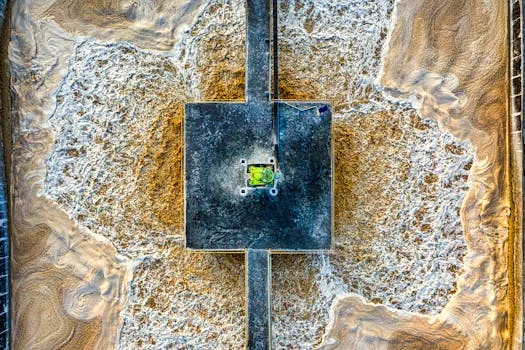
Procuring a package plant is a 15-year commitment. Choosing the wrong supplier can lead to frequent membrane fouling, regulatory fines, and excessive energy bills. Procurement managers should use the following criteria to shortlist vendors:
- KSPCB Pre-approval: Verify if the supplier’s specific technology model is listed among the 12 vendors pre-approved by the KSPCB for state-wide projects. This significantly accelerates the "Consent to Establish" (CTE) process.
- Local Reference Sites: Request visits to at least three operational plants in Kerala. A supplier with a successful 300 KLD MBBR system in Ernakulam is more reliable than one with only out-of-state references, as they understand local influent characteristics and humidity challenges.
- Monsoon Performance Guarantees: Ask for specific data on how the system handles hydraulic surges. A robust package plant should include an equalization tank capable of buffering 2x the average hourly flow to prevent biomass washout during heavy rains.
- Material Specifications: In Kerala’s coastal air, standard coatings fail within 24 months. Insist on SS316 for internal piping and FRP or high-grade epoxy coating for the main tankage.
- Service Level Agreements (SLA): Ensure the vendor has a service center in Kerala. A 24-hour response time is critical for hospitals and industrial units where a system failure can halt operations.
Red flags include vendors who refuse to provide a pilot test for complex industrial effluents or those who offer significantly lower prices by omitting essential components like sludge dewatering units or automated PLC panels. Always verify the warranty terms: look for a minimum of 2 years on membranes and 1 year on all mechanical and electrical components.
Frequently Asked Questions
What is the typical lead time for a package wastewater treatment plant in Kerala?
The lead time for MBBR and SBR systems is typically 3 to 6 months. MBR systems, which require specialized membrane sourcing, usually take 4 to 8 months. These timelines should account for an additional 4-week buffer if installation occurs during the peak monsoon months (June–August).
How much does it cost to set up a 200 KLD sewage treatment plant in Kochi?
Based on 2025 market data, a 200 KLD MBBR plant costs between ₹48L and ₹96L. An MBR-based system for the same capacity ranges from ₹80L to ₹1.6Cr, depending on the degree of automation and the specific KSPCB discharge zone requirements.
What are the disadvantages of package STPs in Kerala’s climate?
The primary disadvantages include high corrosion rates due to humidity, requiring more expensive materials like SS316. Additionally, the high water table in many parts of Kerala can cause underground tanks to "float" if buoyancy calculations are incorrect during the civil design phase.
Which country has the best wastewater treatment plants?
While Singapore and Israel lead in water reuse technology, many of the world's most advanced package plant components are engineered in Germany and the USA. However, Kerala’s KSPCB Class I norms are now among the strictest in Asia, often exceeding standard international discharge limits for urban areas.
Can I install a package plant underground in Kerala?
Yes, underground installation is common to save space. However, it requires specialized waterproofing to withstand the high water table and robust ventilation systems to prevent methane buildup. Utilizing a compact underground STP for Kerala’s high water table ensures the structure is designed for these specific hydrostatic pressures.
Further Reading
Explore these in-depth articles on related wastewater treatment topics: