Why Chhattisgarh Needs Package Wastewater Treatment Plants in 2025
The industrial and municipal landscape of Chhattisgarh is at a critical juncture in 2025, driven by increasingly stringent environmental regulations and a growing need for effective wastewater management. The Central Pollution Control Board's (CPCB) revised discharge standards, effective from 2025, mandate significantly lower levels for key pollutants: Biochemical Oxygen Demand (BOD) must be below 30 mg/L, and Chemical Oxygen Demand (COD) below 250 mg/L (CPCB Notification No. G.S.R. 288(E), 2024). Complementing these national directives, Chhattisgarh's state-level regulations are tightening the noose on non-compliance. For instance, the Raipur Municipal Corporation's 2024 mandate for Zero Liquid Discharge (ZLD) in textile clusters, outlined in RMC Circular No. 2024/ENV/03, presents a direct challenge to traditional effluent treatment methods.
Industrial hubs across the state face unique effluent challenges. Raipur, a major center for textiles and food processing, grapples with effluents characterized by high COD (800–2,000 mg/L) due to dyes and organic matter. Durg's burgeoning hospital sector requires robust treatment for pathogens and pharmaceuticals, while its metalworking industries generate effluents with heavy metals. Bilaspur's pharmaceutical and distillery units often produce wastewater with high organic loads and variable pH. Compounding these industrial pressures, municipal sewage treatment in Chhattisgarh lags significantly, with only 42% of urban sewage being treated according to a 2023 CPCB report. This gap necessitates immediate, scalable solutions. Package wastewater treatment plants, particularly prefabricated systems like HydropureWater’s WSZ series, offer a compelling answer. These units can achieve BOD removal rates of 92–97% for influent concentrations of 50–500 mg/L and boast footprints up to 60% smaller than conventional plants. For context, a 100 KLD textile Effluent Treatment Plant (ETP) in Raipur might cost approximately ₹12 lakhs per KLD with a package solution, compared to ₹20 lakhs per KLD for a conventional setup, requiring only 50 m² of space versus 200 m². For municipal sewage, package Sewage Treatment Plants (STPs) offer a more accessible and cost-effective alternative, with costs averaging ₹3–8 lakhs per KLD.
| Industry/Sector | Typical Effluent Parameters (Influent) | Key Regulatory Drivers in Chhattisgarh | Package Plant Suitability |
|---|---|---|---|
| Textiles (Raipur) | BOD: 400-1000 mg/L, COD: 800-2000 mg/L, TSS: 200-500 mg/L, Color | CPCB 2025 Standards, RMC ZLD Mandate (2024) | DAF + A/O or SBR, High COD removal efficiency |
| Hospitals (Durg) | BOD: 150-300 mg/L, COD: 300-600 mg/L, High Pathogen Load, Pharmaceuticals | CPCB 2025 Standards, Durg Municipal Corp. Monthly Testing | MBR or A/O + UV/Ozone Disinfection, High pathogen kill rate |
| Food Processing (Raipur) | BOD: 500-1500 mg/L, COD: 1000-2500 mg/L, High TSS, Oil & Grease | CPCB 2025 Standards | DAF + Biological Treatment (e.g., MBBR), Efficient oil & grease removal |
| Metalworking (Durg) | BOD: 50-150 mg/L, COD: 100-300 mg/L, Heavy Metals (Cr, Ni, Zn), High TDS | CPCB 2025 Standards, Specific Heavy Metal Limits | Pre-treatment (e.g., chemical precipitation) followed by biological; TDS management crucial |
| Pharmaceuticals (Bilaspur) | BOD: 200-800 mg/L, COD: 500-1500 mg/L, Variable pH, High TDS | CPCB 2025 Standards, Bilaspur Pre-treatment Mandate | Advanced Oxidation Processes (AOPs) or MBR, TDS reduction required |
| Municipal Sewage (Statewide) | BOD: 200-400 mg/L, COD: 400-800 mg/L, TSS: 200-400 mg/L | CPCB 2025 Standards, Improving coverage of treated sewage | WSZ Series Underground STP, MBBR, SBR for decentralized treatment |
Package Wastewater Treatment Plant Technologies: How They Work and Which to Choose
Selecting the right package wastewater treatment technology is paramount for achieving compliance, optimizing operational costs, and effectively managing diverse effluent streams in Chhattisgarh. Each technology offers distinct advantages based on influent characteristics, required effluent quality, and site constraints. Membrane Bioreactor (MBR) systems, for example, are highly regarded for their compact footprint and superior effluent quality, achieving over 99% pathogen removal and 95% COD reduction. Their fine filtration capabilities make them ideal for hospital wastewater, where stringent disinfection is critical, and for textile applications requiring high clarity. HydropureWater's MBR integrated wastewater treatment systems are designed for such demanding scenarios.
Sequencing Batch Reactor (SBR) technology offers flexibility, treating wastewater in a single tank with timed cycles. This makes it suitable for variable flow rates and influent compositions, common in smaller industrial units or decentralized municipal applications. Aerobic-Anoxic-Oxic (A/O) processes, a form of biological contact oxidation, utilize two stages to remove nitrogen and organic matter efficiently. HydropureWater's WSZ series often incorporates A/O principles, designed for underground installation, which minimizes land use and is aesthetically pleasing for municipal projects or facilities with limited space. Moving Bed Biofilm Reactor (MBBR) technology uses plastic carriers to enhance microbial growth, leading to a smaller footprint and higher treatment capacity compared to conventional activated sludge systems, making it a robust choice for food processing or general industrial wastewater. For effluents with high suspended solids and oil and grease, Dissolved Air Flotation (DAF) systems, such as HydropureWater's, are indispensable as a pre-treatment step. They can remove up to 90% of oil and grease and a significant portion of suspended solids, reducing the load on downstream biological processes.
When considering installation, package plants offer varied options: buried units are land-scaping friendly but require excavation; skid-mounted systems are plug-and-play but may have a higher initial capital cost; and mobile, trailer-based units provide temporary or rapidly deployable solutions. Automation levels also play a crucial role in operational efficiency and energy consumption. While manual systems require constant operator attention, PLC-controlled units offer automated operation, remote monitoring, and optimized energy usage, typically consuming 0.3–0.5 kWh/m³ compared to 0.6–0.8 kWh/m³ for manual systems. For Chhattisgarh's varied industrial needs, a hospital might benefit from the high-quality effluent of an MBR integrated wastewater treatment system combined with ozone disinfection for a 99% bacterial kill rate. Textile units could leverage DAF systems for pre-treatment of textile and food processing effluent followed by an A/O or SBR process to reduce COD from 1,500 mg/L to below 250 mg/L. For municipal sewage, the WSZ series underground STP for Chhattisgarh’s municipal and industrial projects offers a compact, low-maintenance solution operating efficiently at capacities from 1 to 80 m³/h, often requiring minimal operator intervention. The choice between these technologies, and their integration, will significantly impact long-term performance and compliance.
| Technology | Primary Application(s) in Chhattisgarh | Typical BOD/COD Removal (%) | Footprint Efficiency | Key Advantages | Considerations |
|---|---|---|---|---|---|
| MBR (Membrane Bioreactor) | Hospitals, Pharmaceuticals, High-clarity industrial effluent | BOD: 95+, COD: 95+, Pathogen: 99+ | Very High (Compact) | Superior effluent quality, small footprint, robust pathogen removal | Higher CAPEX, membrane fouling potential, requires skilled operation |
| SBR (Sequencing Batch Reactor) | Variable industrial loads, Decentralized municipal, Small to medium industries | BOD: 90-95, COD: 85-90 | Medium | Flexible operation, handles flow variations, efficient N removal | Requires timed sequencing, higher operator attention for optimization |
| A/O (Anoxic/Oxic) | General industrial, Municipal sewage, Food processing | BOD: 90-95, COD: 85-90, Nitrogen Removal | Medium-High (especially buried units) | Cost-effective, good for N removal, robust biological process | Requires careful aeration control, can be larger footprint if not optimized |
| MBBR (Moving Bed Biofilm Reactor) | Food & Beverage, Petrochemicals, Municipal sewage | BOD: 90-95, COD: 85-90 | High (compact due to biofilm) | High organic loading capacity, less sensitive to shock loads, smaller footprint | Carrier media may require occasional cleaning, media cost |
| DAF (Dissolved Air Flotation) | Pre-treatment for Textiles, Food processing, Oil & Gas, Pulp & Paper | TSS: 80-95, Oil & Grease: 80-95 | Medium | Effective for solids and oil/grease removal, improves downstream process efficiency | Requires chemical coagulants/flocculants, sludge generation |
Cost Breakdown: Package Wastewater Treatment Plants in Chhattisgarh (2025 Data)
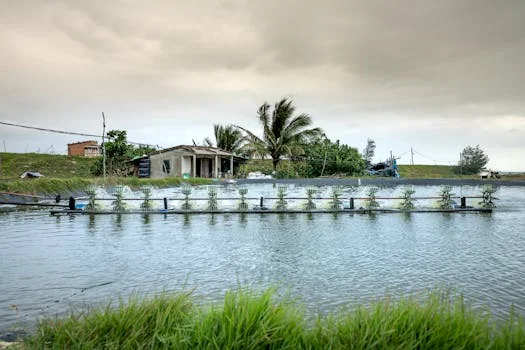
Budgeting for wastewater treatment infrastructure in Chhattisgarh requires a clear understanding of both capital expenditure (CAPEX) and operational expenditure (OPEX). As of 2025, CAPEX benchmarks for package wastewater treatment plants vary significantly based on the industry served and the chosen technology. For industrial ETPs, costs typically range from ₹5–12 lakhs per Kilo Litre per Day (KLD). Textile and pharmaceutical plants, often requiring more advanced pre-treatment and robust biological stages to handle high COD and complex compounds, fall at the higher end of this spectrum, ₹8–12 lakhs/KLD. Food processing units, while also dealing with organic loads, might see CAPEX in the ₹5–9 lakhs/KLD range. Municipal STPs, generally treating less complex wastewater, are more economical, with costs averaging ₹3–8 lakhs/KLD. For instance, a 100 KLD WSZ series underground STP might be quoted around ₹6 lakhs/KLD. Mobile or trailer-mounted units command a premium of 20–30% over their skid-mounted counterparts due to their mobility and integrated trailer structure.
Operational costs are a critical long-term consideration. Electricity consumption is a significant factor; with Chhattisgarh's industrial tariff at approximately ₹7.50/kWh (source: CSEB 2024), annual electricity costs can range from ₹1.2–2.5 lakhs/KLD/year, depending on the plant's energy efficiency and automation level. Chemical costs, for coagulants, flocculants, or disinfectants, typically add another ₹0.8–1.5 lakhs/KLD/year, with prices like ₹200/kg for coagulants and ₹350/kg for flocculants. Labor costs for operating a 50–200 KLD plant usually require one skilled operator, while larger plants (200–500 KLD) may need two. With average salaries in Raipur around ₹25,000/month, annual labor costs can be ₹1.5–3 lakhs/year. Regular maintenance, including spare parts and servicing, is estimated at 2–5% of the initial CAPEX annually, meaning a ₹50 lakh plant could incur ₹1–3 lakhs/year in maintenance.
The return on investment (ROI) for package wastewater treatment plants in Chhattisgarh is driven by several factors beyond mere compliance. Avoiding CPCB penalties, which can range from ₹1–5 lakhs per violation according to the CPCB 2024 schedule, represents a direct cost saving. implementing water reuse strategies can yield substantial savings; with industrial water tariffs in Chhattisgarh averaging ₹40/m³ (RMC 2024), recovering and reusing 30–50% of treated wastewater can significantly reduce freshwater procurement costs. Government incentives also play a crucial role. Under the Chhattisgarh State Industrial Policy 2020, Small and Medium Enterprises (SMEs) can avail CAPEX subsidies of 30–50% for installing ETPs, further enhancing the financial viability of these essential investments.
| Cost Component | Range (₹/KLD or Annual) | Notes |
|---|---|---|
| CAPEX - Industrial ETP | ₹5 - ₹12 Lakhs/KLD | Textiles, Pharma: ₹8-12 Lakhs/KLD; Food Processing: ₹5-9 Lakhs/KLD |
| CAPEX - Municipal STP | ₹3 - ₹8 Lakhs/KLD | WSZ Series 100 KLD example: ~₹6 Lakhs/KLD |
| CAPEX - Mobile/Trailer-Mounted | +20-30% over Skid-Mounted | Premium for portability |
| OPEX - Electricity | ₹1.2 - ₹2.5 Lakhs/KLD/Year | Based on CSEB tariff of ₹7.50/kWh |
| OPEX - Chemicals | ₹0.8 - ₹1.5 Lakhs/KLD/Year | Coagulants, flocculants, disinfectants |
| OPEX - Labor | ₹1.5 - ₹3 Lakhs/Year | 1 operator for 50-200 KLD, 2 for 200-500 KLD; Raipur avg. salary ₹25k/month |
| OPEX - Maintenance | 2-5% of CAPEX/Year | e.g., ₹1-3 Lakhs/year for a ₹50 Lakh plant |
| ROI Driver - Penalty Avoidance | ₹1 - ₹5 Lakhs/violation | CPCB 2024 Schedule |
| ROI Driver - Water Reuse Savings | 30-50% reduction in freshwater costs | Chhattisgarh industrial water tariff: ₹40/m³ |
| Government Subsidy (SMEs) | 30-50% CAPEX | Chhattisgarh State Industrial Policy 2020 |
Chhattisgarh Compliance Checklist: CPCB 2025 and State-Level Requirements
Navigating the regulatory landscape in Chhattisgarh for wastewater treatment requires meticulous adherence to both national and state-specific mandates. The CPCB 2025 discharge standards set a baseline for all industries and municipalities, demanding strict control over parameters like BOD (<30 mg/L), COD (<250 mg/L), and Total Suspended Solids (TSS) (<100 mg/L), along with a pH range of 6.5–8.5 and oil & grease limits (<10 mg/L). Specific limits for heavy metals are also enforced. Beyond these, Chhattisgarh has localized requirements that demand attention. The Raipur Municipal Corporation's Circular No. 2024/ENV/03 mandates Zero Liquid Discharge (ZLD) for textile units, presenting a significant challenge that necessitates advanced treatment and water recovery systems. In Durg, hospitals are subject to monthly effluent testing as per directives from the Durg Municipal Corporation (2024), ensuring public health is protected. Bilaspur's pharmaceutical units must adhere to pre-treatment requirements, often involving COD reduction to below 1,000 mg/L before discharge into the municipal network.
The process of obtaining environmental clearances involves two key stages: Consent to Establish (CTE) and Consent to Operate (CTO). The CTE, required before commencing construction, typically takes 30–60 days to process through the Chhattisgarh Environment Conservation Board (CECB). The CTO, necessary for operational commencement, has a shorter turnaround of 15–30 days. Essential documents for these applications include a detailed project report, an Environmental Impact Assessment (EIA) for projects exceeding 100 KLD, a No Objection Certificate (NOC) from the local governing body, and a comprehensive effluent testing protocol.
Monitoring and reporting are continuous obligations. For industrial effluents, weekly monitoring is generally required, while municipal wastewater requires monthly reporting, as per CPCB 2024 guidelines. The parameters to be tested include pH, BOD, COD, TSS, oil & grease, and potentially heavy metals, depending on the industry. Reliable laboratories in Raipur, Durg, and Bilaspur can provide these testing services. Non-compliance with these regulations carries substantial penalties, ranging from ₹1–5 lakhs per violation, and can ultimately lead to plant shutdown, as stipulated in the CPCB 2024 schedule.
| Requirement | Details / Parameters | Chhattisgarh Specifics | Action/Documentation |
|---|---|---|---|
| CPCB 2025 Discharge Standards | BOD: <30 mg/L, COD: <250 mg/L, TSS: <100 mg/L, pH: 6.5-8.5, Oil & Grease: <10 mg/L | Applies statewide to all industrial and municipal discharges. | Effluent testing reports, treatment plant performance logs. |
| Zero Liquid Discharge (ZLD) | No liquid discharge; maximum water recovery. | Mandatory for textile units in Raipur (RMC Circular No. 2024/ENV/03). | ZLD system design, water balance, recovery efficiency reports. |
| Hospital Effluent Testing | Pathogens, pharmaceuticals, BOD, COD, TSS. | Monthly testing required in Durg (Durg Municipal Corporation 2024). | Regular laboratory analysis reports. |
| Pre-treatment for Specific Industries | e.g., COD reduction for pharma. | Bilaspur pharma units: COD <1000 mg/L before discharge. | Pre-treatment system design and performance data. |
| Consent to Establish (CTE) | Approval before construction. | Chhattisgarh Environment Conservation Board (CECB). | Project report, EIA (if applicable), NOC from local body. |
| Consent to Operate (CTO) | Approval for operational commencement. | CECB. | Completed CTE, plant commissioning reports, initial effluent data. |
| Monitoring and Reporting | Frequency: Weekly (Industrial), Monthly (Municipal). | Parameters: pH, BOD, COD, TSS, Oil & Grease, Heavy Metals. | Regular sampling and analysis by accredited labs. |
| Penalties | ₹1 - ₹5 Lakhs per violation, potential plant shutdown. | CPCB 2024 Schedule. | Strict adherence to discharge norms. |
Supplier Evaluation Checklist: How to Choose a Package Wastewater Treatment Plant Vendor in Chhattisgarh
Selecting the right vendor for a package wastewater treatment plant in Chhattisgarh is as crucial as selecting the technology itself. A thorough evaluation process ensures long-term operational efficiency, compliance, and a favorable return on investment. Begin by verifying the vendor's credentials: ISO 9001:2015 certification is a baseline requirement, indicating a commitment to quality management. Crucially, confirm that their proposed technology is CPCB-approved and that they have experience or can obtain necessary local body approvals from entities like the Raipur Municipal Corporation (RMC) or Durg Municipal Corporation (DMC).
Assess their technical capabilities beyond standard offerings. Can they truly customize a solution for Chhattisgarh's specific effluent types, such as high TDS from coal mine runoff or complex dye loads from textile industries? The ability to conduct pilot testing on-site is invaluable, especially for projects exceeding 100 KLD, as it validates performance before full-scale investment. Inquire about the automation levels offered; PLC-controlled systems, while potentially having a higher initial cost, significantly reduce long-term operational and maintenance (O&M) costs and improve efficiency.
A robust local service network is non-negotiable in Chhattisgarh. The vendor should demonstrate a rapid response time, ideally less than 24 hours, for breakdowns within the Raipur, Durg, or Bilaspur regions. Availability of spare parts, either through on-site inventory or guaranteed 48-hour delivery, is essential to minimize downtime. Comprehensive operator training programs, including duration and certification, are also a key indicator of a vendor's commitment to client success.
Demand verifiable case studies and references. Request a minimum of three case studies specifically from Chhattisgarh, showcasing successful installations in similar industries (e.g., a textile ETP in Raipur, a hospital STP in Durg). Client references are vital; speak directly with 2–3 existing clients to gauge their satisfaction with the vendor's product and after-sales support. Performance data, including effluent quality reports demonstrating consistent BOD/COD/TSS removal rates, should be readily available.
Be wary of red flags such as a lack of a local office or service center in Chhattisgarh, an unwillingness to conduct pilot testing or site visits before quoting, absence of a comprehensive warranty or performance guarantee (e.g., "90% BOD removal or refund"), or a lack of support in navigating CTE/CTO documentation. A reliable vendor acts as a partner, not just a supplier.
| Category | Criteria | Importance | Vendor Response / Evidence | Red Flags |
|---|---|---|---|---|
| Certifications & Compliance | ISO 9001:2015 | Mandatory | Certificate copy | No ISO certification |
| CPCB-Approved Technology | Essential | List of approved technologies, specific model approval | Unlisted or unproven technology | |
| Local Body Approvals / Experience | High | References from RMC, DMC, etc. | No local experience | |
| Technical Capabilities | Customization for Chhattisgarh Effluents | Critical | Detailed design proposal addressing local challenges | Generic, off-the-shelf solutions only |
| On-site Pilot Testing Offered | High (for >100 KLD) | Pilot study proposal, fees, duration | Refusal to pilot test | |
| Automation Level (PLC vs. Manual) | Important | Specification of PLC controls, SCADA integration | Only basic manual controls | |
| Local Service Network | Response Time (Breakdowns) | Critical | Service Level Agreement (SLA) guaranteeing <24 hrs response | No guaranteed response time, >48 hrs response |
| Spare Parts Availability | Critical | On-site inventory or 48-hr delivery guarantee | Long lead times for spares | |
| Operator Training Program | Important | Program outline, duration, certification | Minimal or no training provided | |
| Case Studies & References | Chhattisgarh Case Studies (Min. 3) | Critical | Detailed project descriptions, photos, performance data | No local case studies |
| Client References (2-3) | Critical | Contact details of satisfied clients | Refusal to provide references | |
| Performance Data (Effluent Quality) | Essential | Actual effluent quality reports (BOD, COD, TSS) | Only theoretical performance claims | |
| Warranty & Guarantees | Performance Guarantee | Essential | Written guarantee (e.g., % removal rates) | No performance guarantee |
| Warranty Period | Standard | Clear terms and duration | Short or undefined warranty | |
| Compliance Support | Assistance with CTE/CTO | Important | Documentation support, liaison services | No assistance offered |
Frequently Asked Questions
What is the cost of a 100 KLD package wastewater treatment plant in Raipur?
For industrial ETPs in Raipur, you can expect costs ranging from ₹6–12 lakhs per KLD, depending on the specific industry (e.g., textile, pharma). For municipal STPs, the range is typically ₹4–8 lakhs per KLD. These estimates usually include the plant itself and basic civil work but exclude land acquisition costs. (Source: 2025 Chhattisgarh market survey)
How long does it take to install a package STP in Chhattisgarh?
Installation timelines vary by type. Skid-mounted systems are generally quicker, taking about 4–8 weeks from site readiness to commissioning. Buried systems, which involve more civil work, can take 8–12 weeks. Mobile or trailer-mounted units offer the fastest deployment, often ready for operation within 2–4 weeks. (Source: HydropureWater WSZ series installation timelines)
What are the CPCB 2025 discharge standards for industrial effluent in Chhattisgarh?
The CPCB 2025 standards for industrial effluent include: BOD less than 30 mg/L, COD less than 250 mg/L, TSS less than 100 mg/L, and a pH range of 6.5–8.5. Limits for oil & grease are typically below 10 mg/L. Specific parameters for heavy metals (e.g., chromium, lead, mercury) have their own stringent limits. (Source: CPCB Notification No. G.S.R. 288(E), 2024)
Can package wastewater treatment plants handle high TDS effluent from coal mines?
Standard biological package treatment plants, such as A/O or SBR systems, are not designed to effectively treat wastewater with Total Dissolved Solids (TDS) exceeding 2,000 mg/L. For effluents from coal mines with very high TDS, pre-treatment technologies like Reverse Osmosis (RO) or evaporation are generally required to reduce TDS before or after biological treatment. (Source: HydropureWater RO system specs for TDS >5,000 mg/L)
What government subsidies are available for SMEs installing ETPs in Chhattisgarh?
Under the Chhattisgarh State Industrial Policy 2020, Small and Medium Enterprises (SMEs) are eligible for CAPEX subsidies ranging from 30% to 50% for the installation of Effluent Treatment Plants. Additionally, there may be further incentives, such as an extra 20% subsidy, for implementing systems that facilitate water reuse. For specific details, it is advisable to consult the Chhattisgarh Industries Department. (Source: Chhattisgarh Industries Department)
Further Reading
Explore these in-depth articles on related wastewater treatment topics: