Industrial Wastewater Treatment in Madurai: 2025 Engineering Guide with Costs, Compliance & Equipment Checklist
Madurai’s industrial wastewater treatment landscape in 2025 demands strict adherence to Tamil Nadu PCB’s discharge limits (BOD ≤100 mg/L, COD ≤250 mg/L, TSS ≤100 mg/L) while balancing costs (₹5L–₹50L+ for a 50KLD system). Factories, rice mills, and hospitals must choose between dissolved air flotation (DAF), membrane bioreactors (MBR), or conventional activated sludge systems—each with trade-offs in footprint, energy use, and effluent quality. This guide provides Madurai-specific engineering specs, cost benchmarks, and a compliance checklist to help facilities avoid penalties (₹10,000–₹1L per violation) and optimize ROI.
Why Madurai Factories Are Failing PCB Wastewater Inspections in 2025
Madurai’s industrial sector faced significant compliance challenges in 2023, with the Tamil Nadu Pollution Control Board (PCB) issuing 47 violation notices to industrial units across the district (Tamil Nadu PCB Annual Report 2023, p. 45). These enforcement actions highlight a critical gap in industrial wastewater treatment practices, leading to substantial fines and potential operational shutdowns for non-compliant facilities. The primary reasons for these failures are consistently linked to specific effluent parameters that exceed regulatory limits.
A detailed analysis of the 2023 violations reveals that the top three reasons for failed inspections were: (1) Chemical Oxygen Demand (COD) exceeding 250 mg/L, accounting for 62% of all violations; (2) Total Suspended Solids (TSS) above 100 mg/L, responsible for 28% of non-compliance issues; and (3) pH levels falling outside the permissible range of 6.5–8.5, making up 10% of the infractions. These figures underscore the need for robust and tailored industrial ETPs in Madurai.
Consider a 20KLD rice mill in Madurai that was recently penalized ₹85,000 for consistently exceeding its Biological Oxygen Demand (BOD) discharge limits. The root cause of this violation was identified as an inadequate primary sedimentation stage, allowing a high concentration of organic matter and starch to bypass initial treatment and overwhelm the downstream biological processes. This scenario is common among Madurai rice mills, where high organic loads (COD often >1,000 mg/L influent) require specialized pre-treatment.
A common misconception among factory managers is that their effluent treatment plant (ETP) simply needs to meet general municipal sewage standards. However, industrial ETPs demand more sophisticated solutions, often requiring tertiary treatment technologies like dissolved air flotation (DAF) or membrane bioreactors (MBR) to achieve the stringent Madurai-specific discharge limits. For instance, a rice mill needs effective starch removal, which conventional primary sedimentation alone cannot achieve, necessitating advanced clarification like DAF.
Tamil Nadu PCB Discharge Limits for Madurai Industries: 2025 Standards vs. Global Benchmarks
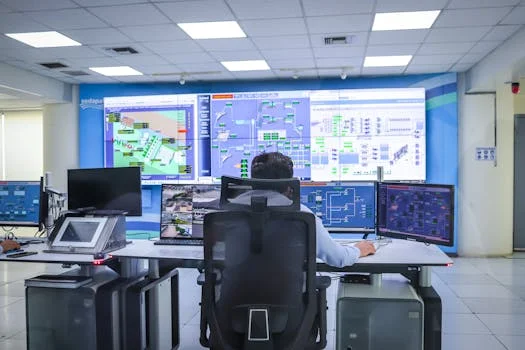
Understanding the precise regulatory framework is the first critical step for any industrial facility in Madurai aiming for compliance. Tamil Nadu PCB has established specific discharge limits for industrial wastewater that are often more stringent than general Central PCB guidelines, reflecting local environmental priorities. Failing to meet these standards can result in severe penalties, including fines ranging from ₹10,000 to ₹1 Lakh per violation, alongside potential plant shutdowns as per Section 41 of the Tamil Nadu Water (Prevention and Control of Pollution) Act, 1974.
The following table outlines the key discharge parameters for industrial wastewater in Madurai, comparing them against Central PCB limits, EU Directives, and general EPA benchmarks to provide a comprehensive compliance perspective:
| Parameter | Madurai Limit (mg/L, unless specified) | Central PCB Limit (mg/L, unless specified) | EU Directive 91/271/EEC (mg/L, unless specified) | EPA Benchmark (mg/L, unless specified) |
|---|---|---|---|---|
| BOD (3 days at 27°C) | ≤100 | ≤150 | ≤25 | <30 |
| COD | ≤250 | ≤250 | ≤125 | <100 |
| TSS | ≤100 | ≤200 | ≤35 | <30 |
| pH | 6.5–8.5 | 6.5–9.0 | 6.0–9.0 | 6.0–9.0 |
| Oil & Grease | ≤10 | ≤10 | — | <10 |
| Chromium (Total) | ≤0.1 | ≤0.1 | — | <0.05 |
| Lead (Pb) | ≤0.1 | ≤0.1 | — | <0.05 |
| Cadmium (Cd) | ≤0.01 | ≤0.01 | — | <0.005 |
| Ammonia Nitrogen | ≤50 | ≤50 | — | <20 |
| Total Nitrogen (TN) | ≤100 | ≤100 | — | <50 |
| Total Phosphorus (TP) | ≤5 | ≤5 | — | <1 |
It is crucial to note that Madurai’s limits are demonstrably stricter than the general Central PCB standards for key parameters like BOD (100 mg/L vs. 150 mg/L) and TSS (100 mg/L vs. 200 mg/L). This requires Madurai industrial ETPs to achieve higher removal efficiencies.
sector-specific requirements apply. Rice mills, for instance, typically generate influent with COD levels exceeding 1,000 mg/L due to high starch content, demanding specialized treatment to meet the ≤250 mg/L discharge limit. Hospitals, on the other hand, must ensure proper disinfection, often requiring a residual chlorine level of ≥1 mg/L in their treated effluent to prevent pathogen release. Comparing Madurai’s PCB standards with Telangana’s regulations can offer further insights into regional regulatory variations.
Industrial Wastewater Treatment Processes for Madurai Factories: How to Choose the Right System
Selecting the optimal industrial wastewater treatment process for a Madurai factory depends critically on the influent characteristics, desired effluent quality, available footprint, and budget. Each technology offers distinct advantages and is suited for specific industrial applications.
Here’s a breakdown of common treatment processes and their applicability in Madurai:
- Dissolved Air Flotation (DAF): DAF systems effectively remove suspended solids, oil & grease, and other low-density contaminants by generating fine microbubbles (typically 20–50 µm) that attach to particulate matter, causing it to float to the surface for skimming. Operating capacities range from 4 to 300 m³/h. DAF units achieve TSS removal efficiencies of 90–95% and FOG (Fats, Oils, and Grease) removal of 95–99%. In Madurai, DAF is highly effective for DAF system for Madurai rice mills and food processing units, where starch, protein, and oil particles are prevalent. It is also crucial for textile dye removal and pre-treatment in industries with high suspended solids.
- Membrane Bioreactor (MBR): MBR technology integrates biological treatment (activated sludge) with membrane filtration (e.g., submerged PVDF membranes with 0.1 μm pore size) to produce exceptionally high-quality effluent. This advanced process achieves BOD removal of 98%, COD removal of 95%, and pathogen removal of 99.9%. Its compact footprint and superior effluent quality make it ideal for Madurai applications such as integrated MBR system for Madurai hospitals and IT parks, where space is limited and water reuse is a priority.
- Conventional Activated Sludge (CAS): CAS systems rely on aerobic biological degradation, where microorganisms consume organic pollutants in an aeration tank, followed by sedimentation in a clarifier. While less compact than MBR, CAS offers robust BOD removal (85–90%) and COD removal (75–85%). It is a cost-effective choice for general manufacturing units in Madurai with moderate organic loads and sufficient land availability, often used as a secondary treatment stage.
- Lamella Clarifier: A lamella clarifier, or inclined plate settler, enhances sedimentation efficiency by using a series of inclined plates to increase the effective settling area. This allows for higher surface loading rates (typically 20–40 m/h) and a significantly smaller footprint compared to conventional clarifiers. It achieves TSS removal of 80–90%. In Madurai, lamella clarifiers are excellent for pre-treatment before DAF or MBR systems, especially for space-constrained factories or those dealing with high initial suspended solids.
Decision Framework: Which process fits my industry?
Choosing the right process for industrial wastewater treatment plant design in Madurai involves a careful evaluation of influent characteristics and desired output. For example, Madurai rice mills often benefit from a combination of primary sedimentation, DAF for efficient starch and suspended solids removal, followed by a CAS system for biological treatment. Hospitals, requiring high-quality, disinfected effluent for potential reuse, typically opt for an MBR system coupled with a robust disinfection unit. Textile dyeing units, with complex dyes and high COD, may integrate DAF for color removal and then MBR for advanced organic breakdown and water reuse. This tailored approach ensures optimal performance and compliance for Madurai’s diverse industrial landscape.
| Process Type | Mechanism | Key Advantages | Key Disadvantages | Madurai Applications |
|---|---|---|---|---|
| Dissolved Air Flotation (DAF) | Microbubbles lift suspended solids/FOG to surface for skimming. | High TSS/FOG removal, compact, rapid separation. | Chemical consumption, sludge handling. | Rice mills, food processing, textile dye houses. |
| Membrane Bioreactor (MBR) | Biological treatment + membrane filtration (0.1 μm). | Superior effluent quality, compact footprint, water reuse potential. | Higher capital & O&M (membrane replacement), fouling. | Hospitals, IT parks, pharmaceutical units. |
| Conventional Activated Sludge (CAS) | Aerobic biological degradation + gravity sedimentation. | Cost-effective, robust for moderate loads. | Large footprint, lower effluent quality than MBR, sludge bulking. | General manufacturing, low-budget units. |
| Lamella Clarifier | Inclined plates enhance sedimentation, increasing settling area. | Compact footprint, high TSS removal, good pre-treatment. | Less effective for very fine/light solids, sludge consistency. | Pre-treatment for DAF/MBR, space-constrained sites, metal finishing. |
Madurai-Specific Equipment Costs: 2025 Budgeting Guide for 50KLD–500KLD Systems
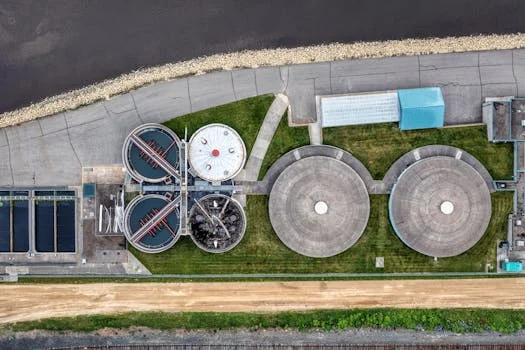
Accurate budgeting for industrial wastewater treatment in Madurai requires a clear understanding of capital expenditure (CAPEX) and operational & maintenance (O&M) costs, which vary significantly by system type and capacity. For a 50KLD to 500KLD system, the investment can range from a few lakhs to several crores, making detailed planning essential.
The table below provides 2025 cost benchmarks for industrial wastewater treatment equipment in Madurai:
| System Type | Capacity (KLD) | Capital Cost (₹ Lakhs) | Annual O&M (₹ Lakhs) | Footprint (m²) |
|---|---|---|---|---|
| DAF System | 50 | 5 – 10 | 0.9 – 2.7 | 10 – 15 |
| DAF System | 100 | 9 – 18 | 1.8 – 5.4 | 15 – 25 |
| DAF System | 500 | 40 – 80 | 9 – 27 | 50 – 80 |
| MBR System | 50 | 15 – 25 | 2.7 – 5.4 | 8 – 12 |
| MBR System | 100 | 25 – 40 | 5.4 – 10.8 | 12 – 20 |
| MBR System | 500 | 120 – 200 | 27 – 54 | 40 – 60 |
| Conventional Activated Sludge (CAS) | 50 | 4 – 8 | 0.5 – 1.8 | 20 – 30 |
| Conventional Activated Sludge (CAS) | 100 | 7 – 14 | 1.1 – 3.6 | 30 – 50 |
| Conventional Activated Sludge (CAS) | 500 | 35 – 70 | 5.5 – 18 | 100 – 150 |
| Lamella Clarifier (stand-alone) | 50 | 2 – 4 | 0.1 – 0.3 | 5 – 8 |
| Chemical Dosing System | 50-500 | 0.5 – 6 | 0.7 – 2.9 (chemicals) | 2 – 5 |
| Sludge Dewatering (Filter Press) | 50-500 | 2 – 40 | 0.3 – 3 (power, cloths) | 5 – 25 |
Cost Drivers: Several factors influence the overall Madurai industrial ETP cost:
- Capacity: Generally, the capital cost for a DAF system averages ₹1 Lakh–₹2 Lakh per KLD, while MBR systems are higher due to membrane technology. Larger capacities benefit from economies of scale.
- Automation: Integrating a PLC (Programmable Logic Controller) for automated operation can add 20–30% to the capital cost but significantly reduces manual labor and optimizes chemical usage. Consider a PLC-controlled chemical dosing for Madurai’s textile and pharmaceutical units to enhance efficiency.
- Material of Construction: Stainless Steel (SS304) systems are more durable and corrosion-resistant but cost more than Fibre-Reinforced Plastic (FRP) alternatives.
Operational & Maintenance (O&M) Costs: These are recurring expenses critical for long-term viability:
- Electricity: Varies from ₹0.5–₹1.5 per m³ of treated wastewater, largely dependent on pump and blower usage.
- Chemicals: Coagulants, flocculants, and pH adjusters typically cost ₹0.2–₹0.8 per m³.
- Membrane Replacement: For MBR systems, membranes need replacement every 3–5 years, incurring costs of ₹50,000–₹2 Lakhs, depending on the system size and membrane type.
While specific supplier costs vary, market analysis indicates that local suppliers like Intellect Aqua offer DAF systems starting around ₹1.2 Lakh/KLD, Bionics Enviro Tech provides MBR systems from ₹1.5 Lakh/KLD, and Silverfresh Green Machineries offers CAS systems for approximately ₹80,000/KLD. To calculate your Madurai factory’s wastewater treatment ROI with precision, refer to this wastewater treatment cost per gallon engineering breakdown with ROI calculator.
Step-by-Step Compliance Checklist for Madurai Factories: Avoid PCB Fines in 2025
Ensuring continuous compliance with Tamil Nadu PCB regulations is paramount for Madurai factories to avoid hefty fines and operational disruptions. A systematic approach, from initial planning to daily operations, is essential for maintaining the Madurai PCB consent to establish and operate.
Here is a step-by-step compliance checklist:
- Pre-installation Phase:
- PCB Consent to Establish (CTE) Application: Before any construction, submit a comprehensive CTE application to the Tamil Nadu PCB. Required documents typically include a detailed site plan, process flow diagram of the industrial operation, and a complete ETP design proposal outlining all treatment stages.
- Environmental Impact Assessment (EIA): For new industrial units or expansions with wastewater generation exceeding 100 KLD, a full Environmental Impact Assessment (EIA) report is mandatory.
- Design Phase:
- Influent Characterization: Conduct thorough influent wastewater analysis for key parameters like BOD, COD, TSS, pH, and specific sector-related pollutants (e.g., heavy metals for electroplating, starch for rice mills). This data is critical for accurate ETP sizing and process selection.
- Process Selection: Utilize a decision framework based on influent data, desired effluent quality, and available footprint to select appropriate treatment technologies (e.g., DAF for high FOG/TSS, MBR for high-quality reuse).
- Redundancy Planning: Incorporate redundancy for critical components such as pumps, blowers, and chemical dosing systems. Plan for emergency storage capacity in case of ETP malfunction to prevent illegal discharge.
- Installation Phase:
- Contractor Qualifications: Engage only PCB-approved vendors and contractors with a proven track record in industrial ETP installations.
- Material Certifications: Ensure all materials of construction (e.g., FRP tanks, SS304 piping) meet specified quality standards and comply with design specifications for durability and chemical resistance.
- Hydraulic Testing: Conduct comprehensive hydraulic testing of the entire ETP system to check for leaks, verify flow rates, and ensure proper flow balancing across different units.
- Operation Phase:
- Daily Logs: Maintain detailed daily logs of ETP operational parameters, including influent and effluent flow rates, pH, Dissolved Oxygen (DO) levels in aeration tanks, and chemical dosages.
- Weekly Lab Tests: Conduct weekly laboratory analyses of treated effluent for key parameters like BOD, COD, and TSS to monitor performance against PCB limits.
- Monthly PCB Reporting: Submit monthly compliance reports to the Tamil Nadu PCB via their online portal, including all monitoring data and operational summaries.
- Troubleshooting & Optimization:
- High TSS? If effluent TSS levels are consistently high, check the clarifier sludge blanket level, optimize coagulant/flocculant dosing, or inspect filter media for clogging.
- High COD? Elevated COD often indicates insufficient biological treatment or inadequate chemical dosing. Optimize aeration rates for biological systems or conduct jar tests to fine-tune coagulant/flocculant dosages.
- Foaming? Excessive foaming in aeration tanks can indicate an imbalance in organic load or nutrient deficiency. Adjust aeration rates and monitor F:M (Food-to-Microorganism) ratio.
Frequently Asked Questions About Industrial Wastewater Treatment in Madurai
Q: What are the three types of industrial wastewater treatment?
A: Industrial wastewater treatment is typically categorized into three main stages: (1) Primary Treatment involves physical removal of large solids and suspended particles through processes like screening, grit removal, and sedimentation. (2) Secondary Treatment focuses on biological removal of dissolved and colloidal organic matter, commonly using activated sludge systems or Membrane Bioreactors (MBR). (3) Tertiary Treatment is an advanced stage that further polishes the effluent for specific contaminants (e.g., color, heavy metals, nutrients) using methods like Dissolved Air Flotation (DAF), filtration, Reverse Osmosis (RO), or disinfection. Madurai factories typically need all three stages to achieve stringent PCB compliance.
Q: How much is 1 MLD of water in practical terms?
A: 1 MLD (million liters per day) is equivalent to 1,000 m³ per day, or approximately 42 m³ per hour. To put this in context for Madurai industries: a 50 KLD system (50,000 liters/day) is suitable for a small rice mill or a 200-bed hospital. A much larger 500 KLD system (500,000 liters/day) would serve a medium-sized textile dyeing unit or an IT park accommodating over 1,000 people.
Q: What are the biggest environmental issues caused by industrial wastewater in Madurai?
A: Industrial wastewater in Madurai contributes to several critical environmental issues: (1) Vaigai River pollution: Approximately 37% of Madurai’s industrial effluent, if untreated or improperly treated, enters the Vaigai River (Tamil Nadu PCB 2023), severely impacting aquatic ecosystems and downstream communities. (2) Groundwater contamination: High levels of Total Dissolved Solids (TDS) and heavy metals are frequently found in borewells near industrial zones, particularly in areas like Kappalur, posing long-term risks to drinking water sources. (3) Public health risks: Untreated effluent from sectors like hospitals and rice mills can carry pathogens, leading to waterborne diseases such as cholera and dysentery, which are direct threats to public health.
Q: Where is Asia’s largest wastewater treatment plant?
A: Asia's largest wastewater treatment plant is currently Delhi’s Coronation Pillar STP, with an impressive treatment capacity of 1,080 MLD. This is closely followed by Mumbai’s Colaba STP, which has a capacity of 900 MLD. In Madurai, the largest facility is the Avaniyapuram STP (120 MLD), primarily designed for municipal sewage, but its operational scale and efficiency set important benchmarks for industrial pretreatment requirements in the region.
Q: How can I reduce my ETP operating costs in Madurai?
A: Optimizing ETP operating costs in Madurai involves several strategic approaches: (1) Energy Efficiency: Install Variable Frequency Drive (VFD)-controlled blowers and pumps, which can reduce electricity consumption by 30% by matching power use to actual demand. (2) Chemical Optimization: Implement regular jar tests to precisely determine optimal coagulant and flocculant dosages, potentially reducing chemical costs by 15–20%. (3) Sludge Management: Utilize a plate and frame filter press for efficient sludge dewatering, which significantly reduces sludge volume and can cut disposal costs by up to 50%. (4) Water Reuse: Treat MBR effluent to a quality suitable for non-potable uses like cooling towers, boiler feed, or irrigation, leading to freshwater savings of up to 40% and reducing overall water expenses.