Why Toulouse Hospitals Need Specialized Wastewater Treatment in 2025
Hospital wastewater in Toulouse presents a unique and escalating challenge, demanding specialized treatment solutions to safeguard public health and the environment. By 2025, stringent compliance mandates will require hospitals to effectively remove complex contaminants such as antibiotic-resistant bacteria (ARB) and pharmaceutical residues before discharge. Current municipal wastewater treatment plants, like the Ginestous Garonne WWTP which processes 160,000 m³/day for the greater Toulouse area, are generally not equipped to handle these specific micropollutants. This necessitates on-site pretreatment at healthcare facilities. Reports from the Agence de l’Eau Adour-Garonne in 2023 indicate that Toulouse’s hospital effluent can contain ARB, such as ESBL-producing E. coli, at concentrations ranging from 105 to 107 CFU/mL. pharmaceutical concentrations of concern, including ciprofloxacin (0.1–10 µg/L), tamoxifen (0.01–1 µg/L), and cyclophosphamide (0.05–5 µg/L), have been documented, frequently exceeding established EU ecological risk thresholds according to research published in PubMed (24317225). The Purpan Hospital in Toulouse, for instance, underwent a significant upgrade in 2024 to meet the stringent limits set by the Arrêté du 22 juin 2007, specifically targeting parameters like BOD₅ (<30 mg/L) and COD (<125 mg/L). Failing to address these contaminants can lead to severe environmental damage, the proliferation of ARB in aquatic ecosystems, and substantial financial penalties for non-compliant facilities.
Toulouse Hospital Wastewater Regulations: 2025 Compliance Checklist
Navigating the regulatory landscape for hospital wastewater discharge in Toulouse requires a clear understanding of both French national legislation and overarching EU directives. By 2025, adherence to these standards will be critical to avoid significant penalties. The primary French regulation governing wastewater discharge is the Arrêté du 22 juin 2007, which sets forth specific effluent limits for parameters such as Biochemical Oxygen Demand (BOD₅) at <30 mg/L, Chemical Oxygen Demand (COD) at <125 mg/L, Total Suspended Solids (TSS) at <35 mg/L, and E. coli at <10⁴ CFU/100 mL. In addition, the EU Urban Waste Water Directive 91/271/EEC classifies hospitals as "sensitive areas" if their influent equivalent to more than 10,000 population equivalents (PE) is discharged, necessitating more rigorous treatment. For Toulouse hospitals, the Agence de l’Eau Adour-Garonne is implementing updated guidelines for 2025, mandating quarterly testing for ARB in facilities with over 200 beds. Non-compliance with these regulations can result in substantial fines, up to €150,000, as stipulated by the French Code de l’environnement, Article L216-6. To ensure readiness for 2025, Toulouse hospitals should conduct a thorough self-audit, verifying their current treatment capabilities and testing protocols. This includes confirming influent and effluent quality, checking disinfection efficacy, and ensuring proper record-keeping for regulatory reporting.
| Regulation/Parameter | Standard (Toulouse/France/EU) | Testing Frequency (2025 Update) | Potential Penalty for Non-compliance |
|---|---|---|---|
| BOD₅ | <30 mg/L (Arrêté du 22 juin 2007) | Monthly | Fines up to €150,000 |
| COD | <125 mg/L (Arrêté du 22 juin 2007) | Monthly | Fines up to €150,000 |
| TSS | <35 mg/L (Arrêté du 22 juin 2007) | Monthly | Fines up to €150,000 |
| E. coli | <10⁴ CFU/100 mL (Arrêté du 22 juin 2007) | Monthly | Fines up to €150,000 |
| Antibiotic-Resistant Bacteria (ARB) | Specific limits TBD by Agence de l’Eau Adour-Garonne; focus on reduction | Quarterly (Hospitals >200 beds) | Fines up to €150,000 |
| Pharmaceuticals | Ecological risk thresholds (EU); monitoring recommended | Annually (recommended) | Potential ecological damage, reputational risk |
| Sensitive Area Designation | Hospitals >10,000 PE (EU Directive 91/271/EEC) | N/A (classification) | Mandatory advanced treatment |
Toulouse Hospital Wastewater Self-Audit Checklist:
- Influent Characterization: Have you tested your raw hospital wastewater for ARB, specific pharmaceuticals (e.g., ciprofloxacin, tamoxifen), BOD₅, COD, TSS, FOG, and pH in the last 6 months?
- Current Treatment Efficacy: Does your existing on-site or off-site treatment system consistently meet or exceed the Arrêté du 22 juin 2007 limits for BOD₅, COD, TSS, and E. coli?
- ARB and Pharmaceutical Removal: If ARB or pharmaceutical contamination is identified, what is the documented removal efficiency of your current treatment process for these specific contaminants?
- Disinfection Verification: Is your disinfection process (e.g., UV, chlorine dioxide) validated to achieve a log reduction of E. coli and other pathogens, and are residuals managed appropriately?
- Regulatory Compliance & Record Keeping: Are you maintaining detailed logs of all wastewater testing, treatment system operation, chemical dosing, and maintenance activities as required by the Agence de l’Eau Adour-Garonne?
- Capacity Assessment: Does your current system have sufficient capacity to handle peak flow rates (e.g., during periods of high patient occupancy or specific procedures) and future expansion plans?
Engineering Solutions for Hospital Wastewater in Toulouse: Removal Efficiencies and Process Parameters
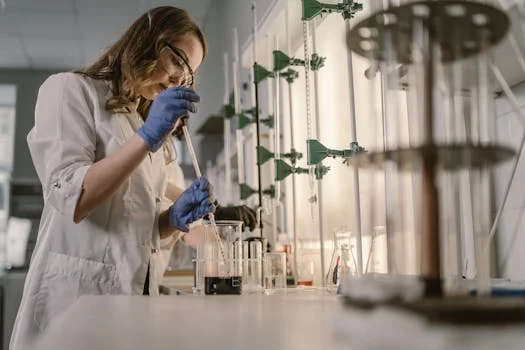
Addressing the complex contaminant profile of hospital wastewater in Toulouse requires advanced engineering solutions that go beyond conventional treatment methods. For effective removal of ARB and pharmaceuticals, Membrane Bioreactor (MBR) systems are a leading technology. These systems, such as the HydropureWater DF Series, utilize submerged membranes with pore sizes typically around 0.1 µm, achieving over 99.9% removal of ARB and a significant portion (up to 95%) of pharmaceutical compounds. MBRs operate with an energy consumption of approximately 0.8–1.2 kWh/m³. Alternatively, Dissolved Air Flotation (DAF) systems, like HydropureWater’s, are highly effective for removing suspended solids and fats, oils, and grease (FOG), crucial given the high FOG content from hospital kitchens. DAF systems can achieve 90–95% TSS removal and 70–80% COD removal, typically requiring coagulant dosing (e.g., FeCl₃ at 30–50 mg/L) and operating at capacities from 4 to 300 m³/h. For disinfection, chlorine dioxide generators (e.g., HydropureWater) offer a robust solution, achieving a 99.9% pathogen kill with dosing rates of 5–10 g/m³, and also provide some oxidative degradation of pharmaceuticals. Ozone disinfection (2–5 mg/L) is even more potent for pharmaceutical degradation, achieving up to 99% removal, but requires on-site generation and careful process control. UV disinfection (30–50 mJ/cm²) is effective for pathogen inactivation but provides no residual protection and minimal pharmaceutical degradation. A typical Toulouse hospital wastewater treatment process flow might include preliminary screening, equalization tanks to buffer flow and concentration variations, followed by either an MBR or DAF stage, and finally, a disinfection step (chlorine dioxide or ozone) before discharge. Pretreatment to manage high FOG loads is essential; rotary screens, such as the HydropureWater GX Series, are recommended for efficient removal of solids and grease from kitchen effluents.
| Technology | Primary Application | ARB Removal Efficiency | Pharmaceutical Removal Efficiency | Typical Flow Rate | Energy Consumption (approx.) | Chemical Dosing (example) | HydropureWater Product Example |
|---|---|---|---|---|---|---|---|
| MBR (Membrane Bioreactor) | High-level polishing, ARB & pharma removal | >99.9% | Up to 95% | Variable (10 m³/day upwards) | 0.8–1.2 kWh/m³ | None (biological process) | DF Series |
| DAF (Dissolved Air Flotation) | FOG, TSS, primary COD reduction | Moderate (indirect via solids removal) | Low to Moderate | 4–300 m³/h | 0.5–1.0 kWh/m³ | FeCl₃ (30–50 mg/L), Polymers | DAF line |
| Chlorine Dioxide Disinfection | Pathogen inactivation, some oxidation | N/A (disinfection) | Low to Moderate | Variable | Low (generator power) | 5–10 g/m³ (ClD₂) | Chlorine Dioxide Generator |
| Ozone Disinfection | Pathogen inactivation, significant pharma degradation | N/A (disinfection) | Up to 99% | Variable | Moderate (generator power) | 2–5 mg/L (O₃) | N/A (generator integrated) |
| Rotary Screen | Pre-treatment, FOG & solids removal | N/A (pre-treatment) | N/A (pre-treatment) | High capacity | Low | N/A | GX Series |
Cost Breakdown: On-Site Treatment vs. Outsourcing for Toulouse Hospitals
Procurement teams in Toulouse hospitals face a critical decision: invest in on-site wastewater treatment infrastructure or continue with third-party hauling and disposal services. The cost-benefit analysis is increasingly favoring on-site solutions, especially with rising hauling fees and evolving regulatory demands. For on-site systems, the Capital Expenditure (CAPEX) can range from €80,000 for a basic DAF and chlorine dioxide disinfection package serving a smaller clinic (10 m³/day capacity) to €500,000 for a sophisticated MBR system with ozone disinfection for a large hospital (100 m³/day capacity), based on 2025 Toulouse market data. Operational Expenditure (OPEX) for these systems typically falls between €0.50 and €1.20 per cubic meter, encompassing energy, chemicals, and routine maintenance. Larger systems (over 50 m³/day) generally require about 0.5 Full-Time Equivalent (FTE) for operation and oversight. In contrast, outsourcing through hauling contracts in Toulouse is projected to cost between €2.50 and €5.00 per cubic meter in 2025, with potential volume discounts for very large flows. This significant difference in per-cubic-meter cost can lead to a rapid return on investment for on-site systems. A simple ROI calculation (CAPEX + OPEX) / (hauling cost - OPEX) suggests a payback period of approximately 3 years if current hauling costs exceed €3.00/m³. It is crucial to also consider hidden costs: ARB testing can add €200 per sample, and comprehensive regulatory reporting and compliance software might cost upwards of €5,000 annually. Therefore, a thorough financial projection that includes all these factors is essential for making an informed decision.
| Cost Component | On-Site Treatment (10-100 m³/day) | Outsourcing (Hauling & Disposal) | Notes |
|---|---|---|---|
| CAPEX | €80,000 - €500,000 | N/A (included in per-m³ cost) | Covers equipment, installation, civil works |
| OPEX (per m³) | €0.50 - €1.20 | €2.50 - €5.00 | Includes energy, chemicals, maintenance, labor (for on-site) |
| Labor Requirement (On-site) | ~0.5 FTE (for >50 m³/day systems) | N/A | Operator oversight, maintenance |
| ROI Payback (Estimated) | ~3 years (if hauling > €3.00/m³) | N/A | Based on cost difference |
| Hidden Costs | ARB Testing (€200/sample), Compliance Software (€5,000/year) | Potential surcharges for specific contaminants, variable pricing | Crucial for accurate financial planning |
Step-by-Step Procurement Checklist for Toulouse Hospital Wastewater Systems
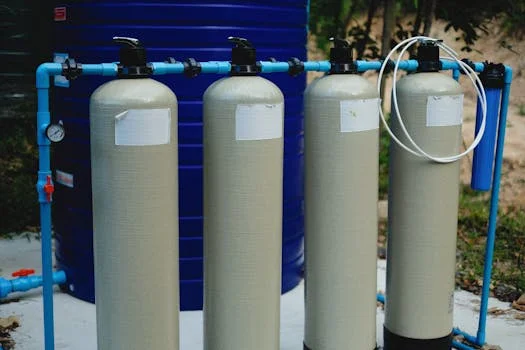
The procurement of hospital wastewater treatment equipment in Toulouse requires a structured approach to ensure compliance, cost-effectiveness, and long-term operational success. Following these steps will guide facility managers and procurement teams through the process. Step 1: Conduct a Comprehensive Wastewater Audit. This is foundational. Engage local accredited laboratories such as Laboratoire Départemental de Haute-Garonne or Eurofins to test your influent and effluent for ARB, pharmaceuticals, BOD₅, COD, TSS, FOG, and pH. Understanding your specific contaminant profile is paramount. Step 2: Determine Discharge Pathway and Compliance Requirements. Identify where your treated wastewater will be discharged (sewer network or surface water) and confirm the precise effluent limits dictated by the Arrêté du 22 juin 2007 and any local mandates from the Agence de l’Eau Adour-Garonne. Step 3: Size the System Correctly. Calculate your average and peak daily flow rates. It is standard engineering practice to design for 1.5 times the average daily flow to ensure system resilience during peak periods. Consider future expansion needs. Step 4: Request Proposals from Multiple Vendors. Obtain detailed proposals from at least three qualified suppliers. For Toulouse, consider established international players and reputable local integrators. A potential shortlist includes Suez, Veolia, and HydropureWater, among others. Refer to a guide on Toulouse sewage treatment equipment suppliers for 2025 for more options. Step 5: Evaluate Bids Using a Weighted Scorecard. Develop a scoring matrix that prioritizes key criteria. A recommended weighting might be: CAPEX (40%), OPEX (30%), demonstrated compliance with ARB/pharma removal (20%), and local support/service availability (10%). Step 6: Conduct Pilot Testing. For major technologies like MBR or DAF, a pilot test (e.g., 3-month trial) at your facility or a similar site can de-risk the investment. For disinfection units, a shorter trial (e.g., 1 month) may suffice. Step 7: Ensure Comprehensive Staff Training. Select a vendor that provides thorough on-site training for your operational staff. HydropureWater, for example, offers dedicated training for its Toulouse clients to ensure optimal system performance and longevity.
Frequently Asked Questions
What is the biggest compliance risk for Toulouse hospitals in 2025?
The most significant compliance risk is exceeding effluent limits for antibiotic-resistant bacteria (ARB) and pharmaceuticals. Non-compliance, particularly with ARB, can lead to substantial fines of up to €150,000 under Article L216-6 of the Code de l’environnement. MBR systems are considered the most reliable solution for ARB removal, achieving upwards of 99.9% efficiency.
How much does a hospital wastewater treatment system cost in Toulouse?
Capital expenditure (CAPEX) for hospital wastewater treatment systems in Toulouse typically ranges from €80,000 for a smaller DAF and chlorine dioxide disinfection unit (10 m³/day) to €500,000 for a larger MBR system with ozone disinfection (100 m³/day). Operational expenditure (OPEX) is estimated at €0.50–€1.20 per cubic meter.
Can Toulouse hospitals discharge treated wastewater into the sewer?
Yes, Toulouse hospitals can discharge treated wastewater into the municipal sewer network, provided the effluent strictly adheres to the limits set by the Arrêté du 22 juin 2007 (e.g., BOD₅ <30 mg/L, COD <125 mg/L). Hospitals must obtain a formal discharge permit from the Agence de l’Eau Adour-Garonne, which may include specific monitoring requirements.
What disinfection method is best for pharmaceutical removal?
For significant pharmaceutical degradation, ozone disinfection is the most effective method, capable of removing up to 99% of various pharmaceutical compounds, including ciprofloxacin and tamoxifen, when applied at concentrations of 2–5 mg/L. Chlorine dioxide (5–10 g/m³) is more cost-effective for pathogen inactivation but offers limited pharmaceutical degradation compared to ozone.
How often should Toulouse hospitals test their wastewater?
According to 2025 guidelines from the Agence de l’Eau Adour-Garonne, Toulouse hospitals with over 200 beds should test their wastewater quarterly for ARB. Routine testing for BOD/COD/TSS is typically required monthly. While not always mandated, annual testing for pharmaceutical residues is highly recommended for comprehensive environmental risk assessment.
Related Equipment
The following HydropureWater products are engineered for the wastewater challenges discussed above:
- compact hospital wastewater treatment systems for Toulouse clinics — view specifications, capacity range, and technical data
Need a customized solution? Request a free quote with your specific flow rate and pollutant parameters.