Pittsburgh hospitals must treat wastewater to meet PADEP’s Chapter 95 effluent limits (BOD ≤ 30 mg/L, TSS ≤ 30 mg/L, fecal coliform ≤ 200 CFU/100mL) and ALCOSAN’s pretreatment standards (pH 6.0–9.0, no visible sheen). With UPMC and AHN facilities generating 50–500 m³/day of high-strength effluent (COD 800–3,000 mg/L), local systems typically combine screening, equalization, biological treatment (A/O or MBR), and disinfection (chlorine dioxide or ozone). Capital costs range from $120K for small clinics to $2.5M for 500-bed hospitals, with O&M at $0.80–$2.50/m³.
Why Pittsburgh Hospitals Need Specialized Wastewater Treatment
Hospital effluent contains 10–100x higher concentrations of pathogens (E. coli, norovirus), pharmaceuticals (antibiotics, hormones), and heavy metals (mercury from dental amalgam) than domestic sewage (per EPA 2023 Hospital Wastewater Characterization Study). This unique composition necessitates specialized industrial wastewater treatment in New York USA and Pittsburgh, going beyond basic municipal standards to protect public health and the environment. The high pathogen load, particularly from infectious disease wards and laboratories, poses a direct risk if not adequately disinfected. the presence of pharmaceuticals, including antibiotics, can contribute to antimicrobial resistance in natural water bodies, a significant ecological concern.
Pittsburgh’s UPMC Presbyterian, for instance, generates approximately 350 m³/day of wastewater with a Chemical Oxygen Demand (COD) ranging from 1,200–2,500 mg/L, which is considerably higher than the 200–500 mg/L typically found in municipal sewage. This elevated organic strength, confirmed in ALCOSAN’s 2024 Industrial Pretreatment Program report, requires robust pretreatment before discharge to the municipal sewer system to prevent overloading the ALCOSAN facility. Without adequate Pittsburgh hospital effluent treatment, facilities risk non-compliance and severe penalties.
A real-world scenario underscores this urgency: a 2023 PADEP inspection of a Pittsburgh-area hospital identified effluent with a Biological Oxygen Demand (BOD) of 45 mg/L, exceeding the PADEP Chapter 95 limit of 30 mg/L. This violation resulted in a $45K fine and mandated a 6-month compliance plan to upgrade treatment processes (source: PADEP Enforcement Actions Q3 2023). Such incidents highlight the critical need for proactive UPMC wastewater treatment compliance and robust systems to manage the complex waste streams inherent to healthcare operations.
Pittsburgh’s Hospital Wastewater Regulations: PADEP, ALCOSAN, and EPA Requirements
Pittsburgh hospitals must adhere to a multi-layered regulatory framework encompassing PADEP’s Chapter 95 effluent limits, ALCOSAN’s industrial pretreatment standards, and specific EPA mandates for healthcare facilities. Meeting these requirements is paramount for avoiding fines, surcharges, and operational disruptions. The Pennsylvania Department of Environmental Protection (PADEP) sets stringent PADEP wastewater discharge limits for facilities that discharge directly to surface waters or require an NPDES permit, which often applies to larger hospitals with their own treatment systems.
Specifically, PADEP Chapter 95 effluent limits for hospitals include BOD ≤ 30 mg/L, TSS ≤ 30 mg/L, fecal coliform ≤ 200 CFU/100mL, and a pH range of 6.0–9.0 (per PADEP 2024 Water Quality Standards). For hospitals discharging into the public sewer system, the Allegheny County Sanitary Authority (ALCOSAN) enforces its Industrial Pretreatment Program. This program requires hospitals to submit a Wastewater Discharge Permit Application (Form IPP-1) and conduct quarterly self-monitoring for key parameters such as BOD, TSS, pH, and oil/grease (source: ALCOSAN 2024 Pretreatment Manual). These ALCOSAN pretreatment requirements for hospitals are designed to protect the ALCOSAN collection system and treatment plant from harmful discharges.
Beyond state and local regulations, the EPA’s 40 CFR Part 444 (Healthcare Facilities Point Source Category) mandates additional monitoring for specific heavy metals, particularly mercury (≤ 0.01 mg/L) and silver (≤ 0.05 mg/L) in dental clinic wastewater. This applies directly to facilities like the UPMC Dental School and various AHN clinics that perform dental procedures, necessitating the use of amalgam separators. A local nuance within Allegheny County is that the Allegheny County Health Department (ACHD) may impose stricter limits for hospitals discharging near impaired waterways, such as the Monongahela River, which has Total Maximum Daily Loads (TMDLs) for nutrients. This means facilities contributing to these waterways might face enhanced scrutiny and lower discharge limits.
| Regulatory Body | Key Parameter | Limit/Requirement | Applicability |
|---|---|---|---|
| PADEP Chapter 95 | BOD | ≤ 30 mg/L | Direct discharge or NPDES permit holders |
| PADEP Chapter 95 | TSS | ≤ 30 mg/L | Direct discharge or NPDES permit holders |
| PADEP Chapter 95 | Fecal Coliform | ≤ 200 CFU/100mL | Direct discharge or NPDES permit holders |
| PADEP Chapter 95 | pH | 6.0–9.0 | All discharges |
| ALCOSAN IPP | Wastewater Discharge Permit | Required (Form IPP-1) | All hospitals discharging to ALCOSAN sewer |
| ALCOSAN IPP | Self-Monitoring | Quarterly (BOD, TSS, pH, Oil/Grease) | All hospitals discharging to ALCOSAN sewer |
| EPA 40 CFR Part 444 | Mercury (dental) | ≤ 0.01 mg/L | Dental clinics (e.g., UPMC Dental School) |
| EPA 40 CFR Part 444 | Silver (dental) | ≤ 0.05 mg/L | Dental clinics (e.g., UPMC Dental School) |
| ACHD (Local Nuance) | Nutrients (N, P) | Potentially stricter limits | Discharges near impaired waterways (e.g., Monongahela River) |
Engineering Solutions for Hospital Wastewater: Process Design and Equipment Selection
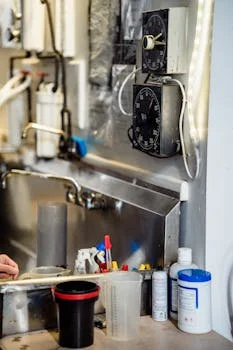
Effective hospital wastewater treatment systems in Pittsburgh integrate a series of physical, biological, and chemical processes designed to address the unique contaminant profile and variable flow characteristic of healthcare facilities. Given the urban density of many Pittsburgh hospital sites, modular and space-efficient solutions are often prioritized. The process typically begins with robust pretreatment to protect downstream components.
Pretreatment stages are crucial for handling the diverse solids found in hospital effluent. Rotary mechanical bar screens, such as those in the GX Series, efficiently remove rags, plastics, and other large debris, preventing pump clogging and system damage. Following screening, equalization tanks with 2–6 hours retention time are essential to dampen the significant flow and load variability common in hospital operations, particularly for UPMC wastewater treatment compliance with its 3-shift operations. This ensures a consistent influent quality for biological treatment.
For biological treatment, two primary options are prevalent. Anoxic/Oxic (A/O) systems (e.g., WSZ Series) are effective for flows between 50–500 m³/day, achieving 90–95% BOD removal. These systems are often designed as compact underground hospital wastewater treatment systems, which is ideal for urban Pittsburgh sites with limited surface footprint. Alternatively, MBR systems for hospital wastewater (Membrane Bioreactors), suitable for 2 m³/day–2,000 m³/day flows, deliver exceptional effluent quality (<10 mg/L BOD), often suitable for reuse, but typically incur 30% higher capital costs (per 2024 Water Environment Federation benchmarking). For smaller clinics or specific high-strength streams, a plug-and-play medical wastewater treatment unit for clinics offers a streamlined solution.
Disinfection is a critical step for hospital effluent due to high pathogen loads. On-site chlorine dioxide disinfection for hospital effluent is preferred by many hospitals, offering a 99.99% pathogen kill rate and avoiding the formation of harmful trihalomethanes (THMs) associated with traditional chlorine. Ozone systems, while having higher capital costs, are effective at degrading complex pharmaceuticals and micropollutants, a benefit highlighted in the EPA 2023 Disinfection Guidance for Healthcare Wastewater. A detailed comparison of chlorine dioxide and ozone for hospital disinfection can aid in selection.
Sludge handling is also a significant consideration. Plate-and-frame filter presses (1–500 m²) effectively dewater biological sludge to 25–35% solids content, reducing the volume and subsequent disposal costs by up to 70% (ALCOSAN 2024 Sludge Management Report). For facilities with severe space constraints, such as UPMC Mercy’s 2023 retrofit, compact underground WSZ systems or modular MBR units can be installed beneath parking lots or loading docks, maximizing valuable surface area. Effective hospital wastewater pH adjustment may also be integrated, especially for streams like dental effluent.
| Treatment Stage | Equipment Example | Key Function / Benefit | Typical Application (Hospital) |
|---|---|---|---|
| Pretreatment | Rotary Mechanical Bar Screens (GX Series) | Removes large solids, prevents clogging | All hospital sizes |
| Pretreatment | Equalization Tanks | Balances flow & load variability (2-6 hr retention) | All hospital sizes, critical for variable shifts |
| Biological Treatment | Anoxic/Oxic (A/O) Systems (WSZ Series) | 90-95% BOD removal, nitrogen reduction | 50-500 m³/day flows, compact footprint (underground) |
| Biological Treatment | Membrane Bioreactor (MBR) Systems | >95% BOD removal, high-quality effluent (<10 mg/L BOD), potential for reuse | 2 m³/day–2,000 m³/day flows, higher capital cost, smaller footprint |
| Disinfection | Chlorine Dioxide Generators | 99.99% pathogen kill, no THM formation | Primary disinfection for all hospital sizes |
| Disinfection | Ozone Systems | Degrades pharmaceuticals, high pathogen kill | Hospitals targeting pharmaceutical removal, higher capital cost |
| Sludge Handling | Plate-and-Frame Filter Presses | Dewatering sludge (25-35% solids), reduces disposal costs | All hospital sizes generating biological sludge |
Cost Breakdown: Hospital Wastewater Treatment Systems in Pittsburgh (2025 Data)
The total cost for hospital wastewater treatment systems in Pittsburgh, encompassing capital expenditure, operational expenses, and permitting fees, typically ranges from $120K for small clinics to $2.5M for large healthcare facilities. These benchmarks are crucial for facility managers and procurement teams planning upgrades or new installations. Capital costs represent the initial investment in equipment, civil works, and installation. For smaller facilities generating around 50 m³/day, such as independent clinics, capital costs are generally $120K–$250K. Larger, 500-bed hospitals requiring systems for 500 m³/day can expect capital costs between $800K–$2.5M. These figures include the cost of equipment, installation, and necessary permitting (source: 2024 RSMeans Hospital Wastewater Cost Data).
Operational and Maintenance (O&M) costs are an ongoing expense, typically ranging from $0.80–$2.50/m³ of treated wastewater. This cost is generally broken down into several key components: energy (approximately 40% of O&M), chemicals (25%), labor (20%), and sludge disposal (15%). It's important to note that MBR systems, while offering superior effluent quality, generally cost 15–20% more to operate than A/O systems due to increased energy consumption for membrane aeration and the eventual need for membrane replacement every 5–8 years. Understanding this breakdown helps in long-term budgeting for Pittsburgh hospital effluent treatment.
Permitting fees are another component of the overall project cost. Obtaining PADEP NPDES permits can range from $5K–$20K, depending on the complexity and discharge volume. ALCOSAN pretreatment permits typically cost $2K–$10K, also varying by the volume of flow discharged. These fees cover administrative processing and regulatory oversight.
The Return on Investment (ROI) for advanced wastewater treatment systems is often driven by compliance and sustainability goals. For example, UPMC’s 2023 system upgrade at Shadyside Hospital significantly reduced BOD violations by 95%, thereby avoiding an estimated $180K in annual non-compliance fines (per UPMC Sustainability Report 2024). This demonstrates a clear financial incentive beyond environmental stewardship. Hospitals can also explore financing options to offset initial costs. The PA Infrastructure Bank offers low-interest loans (2–3%) specifically for hospital wastewater projects, and ALCOSAN’s Industrial Pretreatment Grant can cover up to 50% of eligible compliance upgrades, with a maximum of $250K, providing substantial financial relief for facilities working to meet ALCOSAN pretreatment requirements for hospitals.
| Cost Category | Typical Range (2025) | Notes |
|---|---|---|
| Capital Costs | Includes equipment, installation, civil works, permitting | |
| Small Clinics (50 m³/day) | $120K–$250K | e.g., Plug-and-play medical wastewater treatment unit for clinics |
| Large Hospitals (500 m³/day) | $800K–$2.5M | e.g., MBR or advanced A/O systems |
| O&M Costs | $0.80–$2.50/m³ | Breakdown: Energy (40%), Chemicals (25%), Labor (20%), Sludge (15%) |
| MBR Systems O&M Premium | 15–20% higher than A/O | Due to membrane replacement (5-8 years) and higher aeration |
| Permitting Fees | ||
| PADEP NPDES Permit | $5K–$20K | Varies by flow volume and complexity |
| ALCOSAN Pretreatment Permit | $2K–$10K | Varies by flow volume and discharge characteristics |
How to Choose the Right System for Your Pittsburgh Hospital
Selecting the optimal wastewater treatment system for a Pittsburgh hospital requires a systematic evaluation of effluent characteristics, facility size, available footprint, and long-term operational goals. A well-defined decision framework ensures that the chosen technology aligns with both regulatory mandates and economic realities. The first step involves characterizing the hospital's specific wastewater profile, including average and peak flow rates, BOD, COD, TSS, and the presence of any unique contaminants like pharmaceuticals or heavy metals.
A decision matrix can compare various treatment technologies, such as A/O, MBR, and Dissolved Air Flotation (DAF) systems, across critical criteria. These criteria include BOD removal efficiency, required footprint, capital cost, O&M expenses, pathogen kill rate, and pharmaceutical degradation capability. For instance, facilities with specific pharmaceutical degradation goals might lean towards ozone-based disinfection over chlorine dioxide, despite higher capital costs. Chlorine dioxide generators for healthcare are highly effective for pathogen control without THM formation, but ozone offers broader compound degradation.
Flow-based selection is a practical approach for initial screening. Hospitals generating less than 100 m³/day may find compact underground hospital wastewater treatment systems (WSZ Series) to be cost-effective and space-saving. Facilities with flows between 100–500 m³/day typically consider either MBR or A/O systems. For very large hospitals exceeding 500 m³/day, modular MBR units or hybrid systems (e.g., A/O followed by MBR) can provide the necessary capacity and treatment performance, as demonstrated by AHN’s 2024 expansion project.
Effluent strength also dictates technology choice. Hospitals with COD consistently above 1,500 mg/L often require more intensive treatment, such as two-stage biological treatment (e.g., A/O followed by MBR) or the integration of chemical oxidation processes like ozone. Space constraints are a paramount concern for urban hospitals, like UPMC Montefiore, where underground or rooftop systems are often the only viable options. Conversely, suburban sites, such as AHN Wexford, may have more flexibility for conventional above-ground plants.
Disinfection trade-offs are another key consideration. Medical wastewater disinfection systems utilizing chlorine dioxide offer a cost-effective solution for effective pathogen control and are widely adopted. However, if pharmaceutical degradation is a primary objective, ozone systems, despite their higher capital investment, provide superior performance in breaking down complex organic compounds. A detailed comparison of chlorine dioxide and ozone for hospital disinfection can assist in this critical decision.
| Criteria | A/O System (WSZ Series) | MBR System | DAF System (for specific applications) |
|---|---|---|---|
| BOD Removal | 90-95% | >95% (<10 mg/L effluent) | 50-80% (primary/secondary) |
| Footprint | Moderate (often underground) | Smallest (compact, modular) | Moderate (requires clarifier) |
| Capital Cost | Medium | High (30% more than A/O) | Medium-Low (for solids removal) |
| O&M Cost | Medium | High (15-20% more than A/O) | Low-Medium |
| Pathogen Kill Rate (post-disinfection) | High (with disinfection) | Very High (with disinfection) | N/A (not primary disinfection) |
| Pharmaceutical Degradation | Limited (some biological) | Moderate (some biological) | Limited |
| Effluent Quality | Good (meets PADEP) | Excellent (meets reuse standards) | Moderate (requires further treatment) |
| Sludge Production | Moderate | Moderate | High (for solids removal) |
| Complexity | Moderate | High | Low-Moderate |
| Reuse Potential | Limited (requires tertiary) | High (Class A) | Low |
Frequently Asked Questions
Understanding common challenges and solutions for hospital wastewater management is crucial for maintaining compliance and optimizing operational efficiency in Pittsburgh healthcare facilities.
What is the pH of hospital wastewater?
Hospital wastewater typically has a pH ranging from 6.5–8.5, which is generally neutral. However, specific waste streams, particularly from dental clinics, can drop to pH 4.0–5.0 due to the use of acidic etchants and disinfectants (per ALCOSAN 2024 Pretreatment Guidelines). Hospital wastewater pH adjustment (neutralization) is often required before discharge to meet ALCOSAN’s 6.0–9.0 pH standard, preventing damage to collection systems and biological treatment processes.
How clean is the Allegheny River in Pittsburgh?
The Allegheny River in Pittsburgh is designated as impaired for nutrients (nitrogen and phosphorus) and pathogens (E. coli). Total Maximum Daily Loads (TMDLs) have been established, requiring 30–50% reductions from point sources, including hospitals, by 2027 (PADEP 2024 Integrated Water Quality Report). This means hospitals discharging directly or contributing to combined sewer overflows must focus on nutrient and pathogen removal to support river health.
What are the penalties for non-compliance with PADEP hospital effluent limits?
Penalties for non-compliance with PADEP hospital effluent limits are significant. Fines can range from $10K–$50K per violation, in addition to mandatory system upgrades, third-party audits, and potential enforcement actions (PADEP 2024 Enforcement Policy). ALCOSAN can also impose surcharges, typically $0.50–$2.00/m³, for facilities exceeding their pretreatment limits, making compliance a strong financial imperative.
Can Pittsburgh hospitals reuse treated wastewater?
Yes, Pittsburgh hospitals can reuse treated wastewater, but only for non-potable applications such as cooling towers, irrigation, and toilet flushing. For this, the treated effluent must meet PADEP’s Class A Reuse Standards, which mandate very stringent quality: BOD ≤ 10 mg/L, TSS ≤ 5 mg/L, and fecal coliform ≤ 2.2 CFU/100mL. Achieving these standards typically requires advanced treatment technologies like MBR systems, which produce high-quality effluent suitable for reuse.
What is the lead contamination risk in Pittsburgh hospital wastewater?
The primary source of heavy metal contamination, including mercury and silver, in hospital wastewater in Pittsburgh often originates from dental clinics due to dental amalgam. To mitigate this risk, EPA 40 CFR Part 441 mandates that dental facilities install ISO 11143-compliant amalgam separators and implement appropriate pretreatment. For example, UPMC’s 2023 upgrade projects significantly reduced mercury discharges by 98%, highlighting the effectiveness of targeted interventions (UPMC Sustainability Report 2024).
Further Reading
Explore these in-depth articles on related wastewater treatment topics: