New York’s industrial wastewater treatment requirements are among the strictest in the U.S., with NYSDEC enforcing effluent limits of 30 mg/L TSS, 250 mg/L BOD₅, and 800 mg/L COD for most discharges (per 6 NYCRR Part 750). Facilities in NYC must also comply with NYC DEP’s Industrial Wastewater Discharge Rules (Title 15, Chapter 19), which mandate pretreatment for high-strength waste (e.g., >500 mg/L FOG or >1,000 mg/L TSS). With 14 municipal treatment plants processing 1.3 billion gallons daily (NYC DEP 2024), industrial dischargers face surcharges up to $12.50 per 1,000 gallons for non-compliance. This guide provides engineering specs, cost benchmarks, and a compliance checklist for 2025.
New York’s Industrial Wastewater Regulations: NYSDEC vs. NYC DEP vs. County Rules
Navigating the complex regulatory landscape for industrial wastewater treatment in New York requires understanding the jurisdiction and specific limits imposed by state, city, and county authorities. The New York State Department of Environmental Conservation (NYSDEC) sets statewide standards, while New York City Department of Environmental Protection (NYC DEP) and various county agencies enforce additional, often stricter, local limits and permitting requirements.
NYSDEC mandates statewide effluent limits under 6 NYCRR Part 750 for facilities discharging directly to surface waters via a State Pollutant Discharge Elimination System (SPDES) permit. These general limits typically include <10 mg/L total residual chlorine, <30 mg/L Total Suspended Solids (TSS), <250 mg/L Biochemical Oxygen Demand (BOD₅), and a pH range of 6.0–9.0. Additionally, specific industries, such as metal finishing, are subject to categorical limits for heavy metals (e.g., 1.2 mg/L copper, 2.0 mg/L zinc) to prevent environmental harm. Obtaining a NYSDEC SPDES permit is a comprehensive process, often requiring 6–12 months for approval, including public notice and review periods.
For facilities within the five boroughs, the NYC DEP Industrial Wastewater Discharge Rules (Title 15, Chapter 19) introduce an additional layer of compliance, primarily for discharges to the city's sewer system. Pretreatment is mandatory for high-strength waste streams, specifically for concentrations exceeding 500 mg/L Fats, Oils, and Grease (FOG), 1,000 mg/L TSS, or 10,000 mg/L Chemical Oxygen Demand (COD). Non-compliance with these limits results in significant wastewater surcharges NYC, reaching up to $12.50 per 1,000 gallons for TSS concentrations exceeding 300 mg/L (NYC DEP 2024). An NYC DEP Industrial Wastewater Discharge Permit typically takes 3–6 months to secure.
Beyond state and city regulations, county-level variations further define industrial pretreatment New York requirements. For instance, the Monroe County Department of Environmental Services (DES) requires an Industrial User Permit (formerly TR-16 permit) for industrial discharges to its sewer system, focusing on preventing interference with municipal treatment operations. Similarly, Suffolk County, particularly for facilities near coastal areas, enforces additional nitrogen limits, often requiring Total Nitrogen (TN) concentrations below 10 mg/L to protect sensitive ecosystems. These county-specific permits generally involve a shorter application timeline, ranging from 1–3 months.
| Regulatory Body | Jurisdiction | Key Effluent/Pretreatment Limits | Permit Type | Typical Lead Time |
|---|---|---|---|---|
| NYSDEC | Statewide (Direct Discharge) | TSS <30 mg/L, BOD₅ <250 mg/L, pH 6-9, Industry-specific categorical limits (e.g., metals for metal finishing) | SPDES Permit | 6-12 months |
| NYC DEP | New York City (Sewer Discharge) | Pretreatment for FOG >500 mg/L, TSS >1,000 mg/L, COD >10,000 mg/L. Surcharges for non-compliance (e.g., TSS >300 mg/L incurs $12.50/1,000 gal) | Industrial Wastewater Discharge Permit | 3-6 months |
| Monroe County DES | Monroe County (Sewer Discharge) | TR-16 Permit required; pH adjustment (6-10), metals removal (e.g., Cu <1.0 mg/L) | Industrial User Permit | 1-3 months |
| Suffolk County | Suffolk County (Coastal Discharges) | Additional nitrogen limits (e.g., TN <10 mg/L) | Local Permits/Requirements | Varies |
Engineering Specs for Industrial Wastewater Treatment in New York: Influent, Effluent, and Process Parameters
Effective design of industrial wastewater treatment in New York necessitates precise engineering specifications, aligning influent characteristics with stringent effluent targets and optimized process parameters. Understanding these design targets is critical for selecting and sizing appropriate equipment, such as Dissolved Air Flotation (DAF) for FOG removal or Membrane Bioreactors (MBR) for high-strength organic waste.
Industrial wastewater influent characteristics vary significantly by sector. For food processing facilities, typical influent concentrations (per NYSDEC 2023 data) range from 800–3,000 mg/L TSS and 500–2,000 mg/L FOG, often accompanied by high BOD₅. Metal finishing operations typically produce wastewater with 100–500 mg/L TSS and elevated heavy metal concentrations (5–50 mg/L), including copper, zinc, and nickel. The textile industry generates wastewater characterized by high COD (1,500–4,000 mg/L) and significant color (500–2,000 ADMI units), posing challenges for biological and physical-chemical treatment processes.
For direct discharge under a NYSDEC SPDES permit, facilities must meet strict effluent targets, including TSS <30 mg/L, BOD₅ <250 mg/L, COD <800 mg/L, and a pH between 6.0 and 9.0. Facilities on Long Island or other sensitive coastal areas face additional requirements, such as Total Nitrogen (TN) limits often below 10 mg/L. Achieving high TSS removal efficiency is paramount for most industrial dischargers to meet these limits and avoid fines.
Process design parameters are crucial for system sizing and operational efficiency. For DAF systems for high-efficiency FOG and TSS removal in food processing and metal finishing, hydraulic loading rates typically range from 2–4 gpm/ft² (4.9–9.8 m³/m²·h). Chemical dosing for coagulation and flocculation often involves 50–200 mg/L of coagulant (e.g., ferric chloride or aluminum sulfate) and 1–5 mg/L of polymer. Integrated MBR systems for pharmaceutical and textile wastewater in New York operate with membrane flux rates of 10–20 LMH (Liters per square meter per hour) and require careful management of Mixed Liquor Suspended Solids (MLSS) typically between 8,000–12,000 mg/L. Sludge production is a critical consideration, with typical rates of 0.5–1.0 lb TSS/lb BOD removed, impacting sludge disposal costs NY.
For industrial pretreatment New York requirements, facilities discharging to the sewer must adhere to local limits. NYC DEP mandates FOG limits New York of <500 mg/L and TSS <1,000 mg/L to avoid surcharges. Monroe County requires pH adjustment to a range of 6.0–10.0 and specific metals removal, such as <1.0 mg/L copper, before sewer discharge. These parameters directly inform the selection of pretreatment technologies.
| Parameter Category | Industry / Process | Typical Value / Range | Unit |
|---|---|---|---|
| Influent Characteristics | Food Processing (TSS) | 800–3,000 | mg/L |
| Food Processing (FOG) | 500–2,000 | mg/L | |
| Metal Finishing (Heavy Metals) | 5–50 | mg/L | |
| Effluent Targets (NYSDEC SPDES) | TSS | <30 | mg/L |
| BOD₅ | <250 | mg/L | |
| pH | 6.0–9.0 | Standard Units | |
| Total Nitrogen (Long Island) | <10 | mg/L | |
| Process Design Parameters | DAF Hydraulic Loading Rate | 2–4 | gpm/ft² (4.9–9.8 m³/m²·h) |
| MBR Membrane Flux | 10–20 | LMH | |
| Coagulant Dosing | 50–200 | mg/L | |
| Sludge Production (TSS/BOD) | 0.5–1.0 | lb/lb | |
| Pretreatment for Sewer (NYC DEP) | FOG | <500 | mg/L |
| TSS | <1,000 | mg/L |
Treatment Technology Comparison: DAF vs. MBR vs. Chemical Precipitation for New York Industries
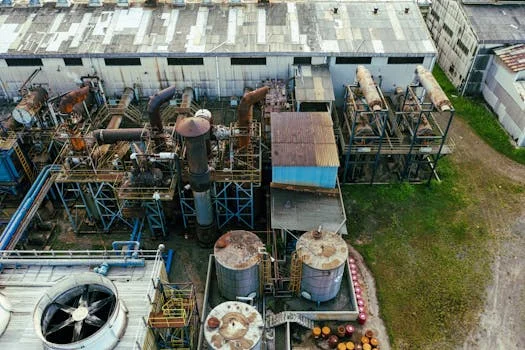
Selecting the optimal wastewater treatment technology is paramount for New York industrial facilities, directly impacting compliance, operational costs, and long-term sustainability. The choice depends on the specific industry, influent characteristics, effluent targets, and budget constraints. This section compares Dissolved Air Flotation (DAF), Membrane Bioreactors (MBR), and Chemical Precipitation for common industrial applications.
Dissolved Air Flotation (DAF) Systems
DAF systems for high-efficiency FOG and TSS removal in food processing and metal finishing are highly effective for separating suspended solids, fats, oils, and grease from industrial wastewater. DAF operates by dissolving air in wastewater under pressure and then releasing it at atmospheric pressure in a flotation tank, creating fine bubbles that attach to pollutants and float them to the surface for skimming. These systems achieve 92–97% removal efficiency for FOG and TSS with influent concentrations between 500–3,000 mg/L. Capital costs for a DAF system typically range from $250,000 to $1.2 million for units processing 50–300 m³/h. Operational and maintenance (O&M) costs are generally $0.50–$1.20/m³, primarily driven by chemical consumption (coagulants, polymers) and power for pumps and air compressors. To learn how DAF systems compare to suspended air flotation and nanobubble technologies, refer to Micro Bubble Flotation vs Alternatives: Engineering Comparison with Data, Costs & Decision Framework 2025.
Membrane Bioreactor (MBR) Systems
Integrated MBR systems for pharmaceutical and textile wastewater in New York combine conventional biological treatment with membrane filtration, offering superior effluent quality and a smaller footprint. MBRs are particularly suited for treating high-strength organic waste (COD >2,000 mg/L) and for applications requiring water reuse, as they produce effluent virtually free of suspended solids and bacteria. Capital costs for MBR systems are higher, ranging from $500,000 to $2.5 million for capacities of 10–200 m³/day. O&M costs are typically $0.80–$1.50/m³, influenced by membrane replacement schedules (every 5–10 years) and higher energy consumption for aeration and membrane scouring.
Chemical Precipitation Systems
Chemical precipitation is a robust and proven method, primarily used for heavy metals removal and pH adjustment in industrial wastewater. This process involves adding chemicals (e.g., lime, caustic soda, sulfides) to alter the solubility of contaminants, causing them to precipitate as solids that can then be removed by sedimentation or filtration. Chemical precipitation achieves 95–99% removal efficiency for metals like copper, zinc, and nickel. Capital costs are generally lower, between $150,000 and $800,000 for systems handling 50–500 m³/h. O&M costs, at $0.30–$0.80/m³, are dominated by chemical reagent costs and sludge disposal costs NY, which can be significant due to the volume and hazardous nature of metal hydroxides. PLC-controlled chemical dosing for pH adjustment and metals precipitation in New York enhances efficiency and compliance.
Use-Case Matching for New York Industries
- Food Processing: Typically requires significant FOG and TSS removal. A DAF system is often the primary physical-chemical pretreatment, followed by biological treatment (aerobic or anaerobic) to reduce BOD₅ and COD.
- Metal Finishing: Characterized by heavy metals and fluctuating pH. Chemical precipitation is essential for metals removal, often combined with a DAF or clarifier for precipitated solids separation and an automatic chemical dosing system for pH control.
- Pharmaceuticals: Generates high-strength organic waste and potentially complex compounds. MBR systems are ideal for high COD reduction and producing high-quality effluent, often paired with advanced oxidation processes (AOPs) for recalcitrant compounds or for water reuse applications.
- Textiles: High COD, color, and sometimes heavy metals. MBRs are effective for organic removal, while chemical coagulation/flocculation or advanced oxidation may be necessary for color removal.
| Technology | Best For | Key Features | Capital Cost (USD) | O&M Cost (USD/m³) | Efficiency (Key Pollutant) |
|---|---|---|---|---|---|
| DAF | FOG, TSS removal | Micro-bubble flotation, high flow rates, compact footprint | $250K–$1.2M | $0.50–$1.20 | 92-97% FOG/TSS removal |
| MBR (DF Series) | High-strength organics, water reuse | Biological treatment + membrane filtration, superior effluent quality | $500K–$2.5M | $0.80–$1.50 | >95% BOD/COD removal, <1 mg/L TSS |
| Chemical Precipitation | Heavy metals removal, pH adjustment | Chemical dosing, pH control, sludge generation | $150K–$800K | $0.30–$0.80 | 95-99% metals removal |
Cost Breakdown for Industrial Wastewater Treatment in New York: Capital, O&M, and ROI
Investing in industrial wastewater treatment in New York involves significant capital expenditures, ongoing operational costs, and compelling return on investment (ROI) drivers. Understanding these financial benchmarks is crucial for justifying projects and securing internal approvals for plant managers and procurement teams.
Capital costs for industrial wastewater treatment systems in New York (2025 data) vary widely based on technology, capacity, and complexity. A DAF system typically ranges from $250,000 to $1.2 million, while an MBR system, offering higher treatment quality and a smaller footprint, can cost between $500,000 and $2.5 million. Chemical precipitation systems, often used for metals removal, are generally less capital-intensive, at $150,000 to $800,000. Beyond equipment, engineering design, permitting fees, civil works, and installation can add another $50,000 to $200,000 to the total project cost. For a comprehensive comparison of sludge dewatering costs, compare New York’s industrial wastewater requirements to other regions and technologies like screw press dewatering vs alternatives: Engineering Comparison with Costs, Efficiency & Decision Framework 2025.
Operating costs are a continuous expense and depend heavily on the chosen technology and influent characteristics. DAF systems typically incur O&M costs of $0.50–$1.20/m³, mainly for chemicals (coagulants, polymers) and power. MBR systems, due to membrane maintenance and higher energy requirements for aeration, usually have O&M costs between $0.80–$1.50/m³. Chemical precipitation systems, while having lower capital costs, can have O&M expenses of $0.30–$0.80/m³, heavily influenced by the cost of chemical reagents and the significant sludge disposal costs NY. Sludge disposal itself can range from $0.10–$0.30 per pound of dry solids (per NYSDEC 2024), representing a substantial portion of the overall O&M budget, especially for systems generating large volumes of sludge or hazardous waste.
The ROI for industrial wastewater treatment projects in New York is primarily driven by regulatory compliance and resource recovery. Avoiding NYC DEP wastewater surcharges alone can yield substantial savings; for instance, reducing TSS below 300 mg/L can eliminate a $12.50 per 1,000 gallons surcharge. Water reuse savings, particularly in areas with high municipal water rates, can offset potable water costs by $3.50–$5.00/m³. NYSERDA grants wastewater programs offer significant financial incentives, providing up to 50% of project costs for energy-efficient systems, accelerating payback periods. Financing options are also available, including low-interest loans (2–3% APR) through the NYS Environmental Facilities Corporation and leasing programs for capital equipment like DAF systems, making advanced treatment more accessible. Compare New York’s regulations to Alabama’s industrial wastewater requirements for a broader perspective on regional cost variations.
| Cost Category | System Type / Item | Typical Cost Range (USD) | Notes |
|---|---|---|---|
| Capital Costs (Equipment) | DAF System | $250,000–$1.2M | 50–300 m³/h capacity |
| MBR System | $500,000–$2.5M | 10–200 m³/day capacity | |
| Chemical Precipitation System | $150,000–$800K | 50–500 m³/h capacity | |
| Engineering & Permitting | $50,000–$200K | Design, regulatory approvals, installation oversight | |
| Operating Costs (O&M) | DAF System | $0.50–$1.20/m³ | Chemicals, power, labor |
| MBR System | $0.80–$1.50/m³ | Membrane replacement, power, labor | |
| Chemical Precipitation | $0.30–$0.80/m³ | Chemicals, power, labor | |
| Sludge Disposal | $0.10–$0.30/lb dry solids | Transportation, landfill/incineration fees (NYSDEC 2024) | |
| ROI Drivers / Savings | NYC DEP Surcharge Avoidance | Up to $12.50/1,000 gal | For TSS >300 mg/L avoidance |
| Water Reuse Savings | $3.50–$5.00/m³ | Offsetting potable water costs | |
| NYSERDA Grants | Up to 50% of project cost | For energy-efficient systems |
Compliance Checklist for New York Industrial Wastewater Dischargers
Maintaining compliance with New York's industrial wastewater regulations is a continuous process that requires meticulous planning, monitoring, and reporting. Adherence to permitting requirements and discharge limits is critical to avoid substantial fines and operational disruptions.
The permitting process in New York demands significant lead time. A NYSDEC SPDES permit, essential for direct dischargers, typically requires 6–12 months for approval. Facilities within NYC must secure an NYC DEP Industrial Wastewater Discharge Permit, which usually takes 3–6 months. Additionally, county-specific permits, such as Monroe County's Industrial User Permit (formerly TR-16), have their own application timelines, often 1–3 months. Initiating these applications well in advance of anticipated discharge is crucial.
Monitoring requirements are stringent and vary by permit. NYSDEC SPDES permits often mandate daily pH checks and weekly analysis for TSS, BOD₅, and COD. Facilities discharging to NYC sewers typically require continuous flow monitoring and frequent FOG sampling. Quarterly metals testing is common for metal finishing operations or other industries with potential heavy metal discharges. Accurate and consistent monitoring ensures that effluent quality remains within permitted limits.
Regular reporting is a cornerstone of compliance. NYSDEC SPDES permit holders must submit Discharge Monitoring Reports (DMRs) monthly, detailing all monitored parameters. NYC DEP requires quarterly reports, while Monroe County necessitates annual updates for its Industrial User Permit. Failure to submit these reports on time, or submitting incomplete or inaccurate data, can lead to significant penalties.
Common violations that trigger enforcement actions include pH excursions outside the permitted 6.0–9.0 range, TSS concentrations exceeding 30 mg/L, FOG levels above 500 mg/L (for NYC DEP discharges), and, as mentioned, the failure to submit required DMRs. NYSDEC fines for permit violations can be as high as $10,000 per day per violation. Implementing an automatic chemical dosing system for pH adjustment and metals precipitation in New York can help prevent pH excursions and improve overall treatment efficiency.
Frequently Asked Questions
What are the primary regulatory bodies for industrial wastewater in New York?
The primary regulatory bodies are the New York State Department of Environmental Conservation (NYSDEC), which issues statewide SPDES permits, and the New York City Department of Environmental Protection (NYC DEP) for facilities within NYC. Various county-level departments, such as Monroe County DES, also enforce local industrial pretreatment requirements. Understanding which body has jurisdiction is the first step in compliance.
How much does an industrial wastewater treatment system cost in New York?
Capital costs for industrial wastewater treatment systems in New York range from $150,000 for chemical precipitation to over $2.5 million for advanced MBR systems. Operating costs typically fall between $0.30 to $1.50 per cubic meter, depending on technology and effluent quality requirements. These costs include equipment, installation, chemicals, power, and sludge disposal.
What are the typical effluent limits for direct discharge in New York?
For direct discharge under a NYSDEC SPDES permit, typical effluent limits are 30 mg/L TSS, 250 mg/L BOD₅, and 800 mg/L COD, with a pH range of 6.0–9.0. Specific industries may have additional categorical limits for pollutants like heavy metals. Facilities near sensitive waterways may also face stricter limits for nutrients like total nitrogen.
Can industrial facilities in New York get grants for wastewater treatment upgrades?
Yes, industrial facilities in New York can access grants and financing. The New York State Energy Research and Development Authority (NYSERDA) offers grants of up to 50% of project costs for energy-efficient wastewater treatment systems. Additionally, the NYS Environmental Facilities Corporation provides low-interest loans (2–3% APR) to support environmental infrastructure projects, including wastewater upgrades.
What are common violations for industrial wastewater dischargers in NYC?
Common violations for industrial dischargers in NYC include exceeding pretreatment limits for FOG (>500 mg/L) or TSS (>1,000 mg/L), which can result in significant surcharges of up to $12.50 per 1,000 gallons. Other violations include pH excursions outside the permitted range, discharge of prohibited substances, and failure to obtain an NYC DEP Industrial Wastewater Discharge Permit or submit required quarterly reports.
Further Reading
Explore these in-depth articles on related wastewater treatment topics: