Package Wastewater Treatment Plants in Karnataka 2025: Engineering Guide with Costs, Compliance & Supplier Checklist
Package wastewater treatment plants in Karnataka are pre-engineered, skid-mounted systems designed for rapid deployment in space-constrained sites like Bengaluru’s industrial zones. For 2025 projects, expect capacities from 5–500 KLD with MBBR or MBR technology, achieving 85–95% BOD removal to meet KSPCB’s inland discharge limit of <30 mg/L. Costs range from ₹8–₹22 lakh per KLD (capex), with opex at ₹0.8–₹1.5 per m³ treated. Key considerations include influent variability (textile/pharma waste), land availability (underground vs containerized), and local supplier service networks for AMC compliance.
Why Karnataka’s Industries Are Switching to Package Wastewater Treatment Plants in 2025
Karnataka’s industries faced 1,247 non-compliance notices from the KSPCB in 2023–24, with 68% directly attributed to inadequate wastewater treatment infrastructure, according to the KSPCB annual report. This regulatory crackdown, coupled with escalating land costs, particularly in Bengaluru’s industrial zones where prices range from ₹12,000–₹18,000/sq ft, makes conventional, large-footprint wastewater treatment plants uneconomical. Package wastewater treatment plants address these challenges by reducing the required footprint by 40–60% compared to traditional activated sludge systems.
For example, a 100 KLD textile processing unit in Peenya, Bengaluru, successfully avoided an estimated ₹2.1 crore in cumulative penalties and operational disruptions by retrofitting a compact, packaged MBR system (industry case study data, 2024). This strategic shift allows industries to achieve KSPCB discharge standards Karnataka while optimizing capital expenditure on land.
Karnataka defines three distinct discharge zones—inland, coastal, and sensitive—each with specific KSPCB limits for critical parameters like BOD, COD, TSS, and pH. Compliance with these limits is non-negotiable for industrial wastewater treatment. Beyond compliance, emerging drivers such as water reuse mandates for IT parks in Bengaluru, pharmaceutical API clusters in Mysuru, and food processing SEZs in Mangaluru are compelling industries to adopt advanced packaged STPs capable of producing high-quality treated effluent suitable for non-potable reuse.
| Parameter | Inland Discharge (<30 KLD) | Inland Discharge (>30 KLD) | Coastal Discharge | Wastewater Reuse (IS 10500:2012 for non-potable) |
|---|---|---|---|---|
| pH | 6.5 – 8.5 | 6.5 – 8.5 | 6.5 – 8.5 | 6.5 – 8.5 |
| BOD (mg/L) | <30 | <10 | <100 | <10 |
| COD (mg/L) | <250 | <100 | <250 | <50 |
| TSS (mg/L) | <100 | <20 | <100 | <5 |
| Oil & Grease (mg/L) | <10 | <10 | <10 | <2 |
| Ammoniacal Nitrogen (mg/L) | <50 | <5 | <50 | <5 |
Package Wastewater Treatment Plant Technologies: MBBR vs SBR vs MBR for Karnataka’s Waste Streams
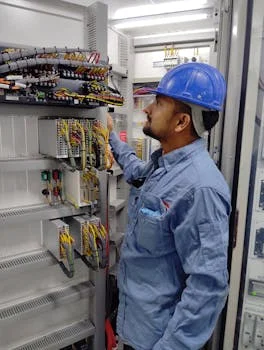
Selecting the optimal package wastewater treatment plant technology for Karnataka’s diverse industrial waste streams requires a granular understanding of each system’s capabilities and limitations. Each technology offers distinct advantages for specific influent characteristics, capacities, and effluent quality requirements.
Moving Bed Biofilm Reactor (MBBR) systems are ideal for capacities ranging from 50–500 KLD, particularly suited for industries with variable organic loads like textile and pharmaceutical manufacturing. MBBR technology utilizes thousands of polyethylene biofilm carriers that provide a large protected surface area for bacterial growth, enhancing biological degradation. This process typically achieves 85–90% BOD removal efficiency with energy consumption benchmarks of 0.5–1.0 kWh/m³ treated (per EPA 2024 guidelines), and requires approximately 30% less space than conventional activated sludge systems. For instance, textile waste in Bengaluru often presents with 800–1,200 mg/L COD, 300–500 mg/L BOD, and a pH of 9–11; MBBR can effectively handle these fluctuating loads after proper pH neutralization and equalization.
Sequencing Batch Reactor (SBR) technology is generally best suited for capacities below 200 KLD with relatively consistent influent flows, common in municipal or residential applications. SBRs operate in a batch mode, integrating equalization, aeration, and clarification into a single tank. While achieving high BOD removal efficiencies of 90–95%, SBRs are more sensitive to shock loads and require precise operational control. Their energy consumption typically ranges from 0.7–1.2 kWh/m³ treated.
The Membrane Bioreactor (MBR) stands as the gold standard for applications demanding stringent effluent quality, such as water reuse in IT parks, hospitals, and high-tech manufacturing facilities. MBR package plants combine activated sludge treatment with membrane filtration (microfiltration or ultrafiltration membranes), eliminating the need for a secondary clarifier. This results in 95–98% BOD removal, producing effluent with turbidity consistently below 1 NTU. Energy consumption for MBR systems is higher, typically 1.0–1.5 kWh/m³ due to membrane aeration and permeate pumping. In Karnataka’s climate, PVDF membranes commonly used in MBR systems have a proven lifespan of 8–10 years (HydropureWater field data, 2025). For industries requiring KSPCB-compliant reuse in Karnataka’s IT parks and hospitals, an MBR package plant is often the preferred choice due to its superior effluent quality.
| Technology | Ideal Influent Type & Characteristics | Capacity Range (KLD) | BOD Removal Efficiency | Typical Footprint Reduction vs. Conventional | Opex (₹/m³ treated) |
|---|---|---|---|---|---|
| MBBR | Textile, Pharma, Food Processing (variable loads, moderate organic) (e.g., Textile: 800-1200 mg/L COD, 300-500 mg/L BOD) |
50 – 500 | 85 – 90% | 30% | 0.8 – 1.2 |
| SBR | Municipal, Residential, Small Commercial (consistent flow, moderate organic) | <200 | 90 – 95% | 20% | 0.7 – 1.2 |
| MBR | High-tech Manufacturing, Hospitals, IT Parks (high quality effluent for reuse) (e.g., Pharma: 1500-3000 mg/L COD, 500-1000 mg/L BOD) |
20 – 500 | 95 – 98% | 40 – 60% | 1.0 – 1.5 |
Engineering Specifications: What to Specify for a Karnataka-Compliant Package Plant
To ensure a package wastewater treatment plant achieves KSPCB compliance and delivers reliable performance in Karnataka, precise engineering specifications are critical during procurement. Influent characteristics from Karnataka’s industrial waste streams typically exhibit high variability:
- BOD: 300–1,500 mg/L (HydropureWater field data, pharma/textile, 2025)
- COD: 800–3,000 mg/L (HydropureWater field data, pharma/textile, 2025)
- TSS: 200–800 mg/L
- pH: 6–11 (with textile waste often higher)
- Temperature: 25–40°C (influenced by Karnataka’s tropical climate)
The specified plant must be designed to consistently treat these fluctuating influent loads to meet stringent KSPCB effluent quality standards. For inland discharge, KSPCB mandates BOD <30 mg/L, COD <250 mg/L, and TSS <100 mg/L, with pH between 6.5–8.5. For coastal discharge, limits are generally less stringent (e.g., BOD <100 mg/L). Crucially, if water reuse is intended, the treated effluent must also meet IS 10500:2012 standards for non-potable applications.
Footprint optimization is paramount in Karnataka. Underground package sewage treatment plant for Karnataka’s land-constrained sites (WSZ series) typically require 0.8–1.2 m²/KLD, offering significant space savings compared to above-ground containerized or conventional plants which need 1.5–2.0 m²/KLD (HydropureWater product specs). Sludge management is another vital specification. The choice between dewatering technologies (e.g., filter press vs. centrifuge) depends on sludge volume and desired dryness. Sludge yield varies by technology: 0.2–0.4 kg TSS/kg BOD removed for MBBR, versus 0.1–0.2 kg TSS/kg BOD for MBR, with disposal requiring KSPCB-approved landfills.
Automation is essential for operational efficiency and KSPCB compliance reporting. PLC-based systems with remote monitoring capabilities allow real-time tracking of effluent parameters, energy consumption, and operational status, which is critical for submitting accurate self-monitoring reports to KSPCB. A PLC-controlled chemical dosing for Karnataka’s variable industrial waste streams ensures optimal chemical usage and effluent quality.
| Parameter | KSPCB Inland Limit (mg/L, unless specified) | Recommended Testing Frequency | Required Monitoring System |
|---|---|---|---|
| pH | 6.5 – 8.5 | Continuous/Daily | Online pH meter, Manual grab sample |
| BOD | <30 | Daily/Weekly | Lab analysis (5-day test) |
| COD | <250 | Daily/Weekly | Online COD analyzer, Lab analysis |
| TSS | <100 | Daily/Weekly | Online Turbidimeter, Lab analysis |
| Oil & Grease | <10 | Weekly/Monthly | Lab analysis |
| Ammoniacal Nitrogen | <50 | Weekly/Monthly | Online Ammonia analyzer, Lab analysis |
| Flow Rate | N/A | Continuous | Online flow meter with totalizer |
| Power Consumption | N/A | Daily | Energy meter |
Cost Breakdown: Package Wastewater Treatment Plants in Karnataka (2025 Data)
Accurate cost modeling is essential for budgeting and procurement of package wastewater treatment plants in Karnataka, encompassing both capital expenditure (capex) and operational expenditure (opex). For 2025, typical capex ranges for packaged STPs, including equipment, civil work, and installation, are as follows:
- MBBR Technology: ₹8–₹12 lakh/KLD
- SBR Technology: ₹12–₹18 lakh/KLD
- MBR Technology: ₹18–₹22 lakh/KLD (HydropureWater and leading supplier data, 2025)
These figures include civil work, which typically accounts for ₹1.5–₹2.5 lakh/KLD, and installation costs of ₹0.8–₹1.2 lakh/KLD. Opex, a critical factor for long-term financial planning, varies by technology. MBBR systems generally incur ₹0.8–₹1.2/m³ treated, while MBR systems, due to higher energy demands for membrane operation, range from ₹1.0–₹1.5/m³ treated. Energy costs in Karnataka are significant, with electricity tariffs for industrial consumers averaging ₹6–₹8/kWh (per KERC 2024 tariff data). Annual Maintenance Contract (AMC) costs typically fall within 8–12% of the initial capex, as observed from leading supplier data.
Regional cost variations within Karnataka are notable. Bengaluru projects often see a +10% increase primarily due to higher land and labor costs. Mysuru projects may experience a +5% increase due to labor, while Mangaluru can incur a +15% increase driven by logistics and specific environmental considerations. Understanding a detailed cost breakdown for Karnataka’s wastewater treatment projects is crucial.
Several financing options are available to offset these costs. The Karnataka Urban Infrastructure Development and Finance Corporation (KUIDFC) offers subsidies, sometimes up to 30% for plants under 100 KLD capacity. Green loans from institutions like SIDBI provide favorable interest rates (typically 8–10%). Additionally, industries can benefit from ESCerts trading, where energy savings from efficient STPs can be monetized at ₹1.5–₹2.0/kWh saved, offering a tangible return on investment.
| Cost Component | MBBR (₹ Lakh) | MBR (₹ Lakh) | Notes |
|---|---|---|---|
| Initial Capex (Year 0) | |||
| Equipment Cost (100 KLD) | 90.0 | 200.0 | Average of range (HydropureWater data, 2025) |
| Civil Work (1.5 lakh/KLD) | 15.0 | 15.0 | Assuming standard civil scope |
| Installation (1.0 lakh/KLD) | 10.0 | 10.0 | |
| Total Capex | 115.0 | 225.0 | |
| Annual Opex (per year) | |||
| Energy (avg. ₹1.0/m³ for MBBR, ₹1.25/m³ for MBR @ 100 KLD, 330 days/year) | 3.3 | 4.13 | ₹6-₹8/kWh energy cost |
| Chemicals & Consumables | 1.5 | 2.0 | Varies with influent quality |
| Labor & Maintenance | 2.0 | 2.5 | |
| AMC (10% of Capex) | 11.5 | 22.5 | Covers parts, service, breakdown support |
| Total Annual Opex | 18.3 | 31.13 | |
| Total Opex over 5 Years | 91.5 | 155.65 | |
| 5-Year TCO (Capex + 5x Opex) | 206.5 | 380.65 | Excludes financing costs, subsidies |
KSPCB Compliance and Permitting: Step-by-Step Process for Karnataka
Navigating the Karnataka State Pollution Control Board (KSPCB) compliance and permitting process is a critical step for any industrial or commercial entity installing a package wastewater treatment plant. Non-compliance can lead to significant penalties, reaching ₹10,000–₹5 lakh/day as per the Water Act 1974 amendments 2023. The process involves several distinct stages:
- Step 1: Site Assessment & Feasibility Study (Timeline: 2–4 weeks; Cost: ₹50,000–₹1 lakh)
Before any construction, a thorough site assessment is required. This includes soil testing, determining the groundwater table, and flood zone mapping to ensure the proposed plant location is environmentally sound and technically feasible. This preliminary step forms the basis for subsequent applications. - Step 2: Consent to Establish (CTE) Application (Timeline: 6–8 weeks; KSPCB Fee: ₹10,000–₹50,000)
The CTE is mandatory before commencing any construction. Required documents include a detailed Environmental Impact Assessment (EIA) report for plants exceeding 100 KLD capacity, a comprehensive site plan, a process flow diagram of the proposed STP, and detailed engineering drawings. This application demonstrates the project's adherence to environmental norms. - Step 3: Plant Installation & Commissioning (Timeline: Varies)
Following CTE approval, the package wastewater treatment plant can be installed and commissioned. KSPCB requires an inspection within 30 days of the plant's completion. Common failure points during this stage include inadequate sludge handling facilities, insufficient automation and data logging for monitoring, and discrepancies between the installed plant and approved drawings. - Step 4: Consent to Operate (CTO) Application (Timeline: 4–6 weeks; KSPCB Fee: ₹20,000–₹1 lakh)
The CTO is required before the plant can commence regular operation. This application necessitates submission of at least three months of effluent testing data, demonstrating consistent compliance with KSPCB discharge limits for parameters such as BOD, COD, TSS, pH, and heavy metals. An inspection by KSPCB officials will verify operational parameters and compliance. - Step 5: Annual Compliance & Monitoring (Ongoing)
Post-CTO, facilities must submit monthly self-monitoring reports (SMR) to KSPCB, detailing effluent quality and operational data. KSPCB also conducts quarterly inspections to ensure ongoing compliance. Adhering to the KSPCB compliance checklist and maintaining meticulous records are crucial to avoid penalties.
Supplier Selection Checklist: How to Vet Package STP Suppliers in Karnataka
Selecting the right supplier for a package wastewater treatment plant in Karnataka extends beyond mere price comparison; it involves a comprehensive evaluation of technical competence, service capabilities, and proven local experience. A robust supplier vetting framework ensures long-term operational reliability and KSPCB compliance.
First, verify supplier certifications. Look for ISO 9001 (Quality Management) and ISO 14001 (Environmental Management) certifications, indicating a commitment to international standards. Crucially, prioritize suppliers on the KSPCB-approved vendor list and avoid those without verifiable Karnataka project references. These references provide tangible proof of their ability to navigate local regulations and conditions.
A strong local service network is non-negotiable for minimizing downtime. Suppliers with service centers in key industrial hubs like Bengaluru, Mysuru, and Mangaluru, offering 24/7 response capabilities, are preferred. Inquire about their typical AMC turnaround time; leading suppliers often guarantee response within 4–8 hours for critical issues. Adequate spare parts availability is equally vital. For MBR systems, this means readily available membranes; for MBBR, diffusers; and for all plants, PLC components. Critical spare parts should have a lead time of less than 7 days (leading supplier data, 2024).
Request at least three case studies of projects completed in Karnataka with similar capacity and technology. Scrutinize the reported effluent quality data against KSPCB limits and contact client references to verify performance and satisfaction. Finally, evaluate the warranty offered. A standard warranty typically covers 12–24 months for equipment, while MBR membranes often come with a separate 5-year performance warranty. Utilizing a weighted supplier scorecard, as shown below, can help procurement teams make an informed decision.
| Evaluation Criteria | Weightage (%) | Score (1-5) | Weighted Score | Notes/Verification Points |
|---|---|---|---|---|
| Price & TCO | 30% | Competitive Capex, transparent Opex, AMC costs, financing support. | ||
| Local Service Network | 25% | Presence in Bengaluru/Mysuru/Mangaluru, 24/7 support, AMC response time (<8 hrs). | ||
| KSPCB Compliance Expertise | 20% | KSPCB-approved vendor, proven track record of obtaining CTE/CTO, local regulatory knowledge. | ||
| References & Case Studies | 15% | 3+ Karnataka project references, verified effluent quality data, client testimonials. | ||
| Warranty & Spare Parts | 10% | Equipment (12-24 months), MBR membranes (5 years), critical spare parts lead time (<7 days). | ||
| Total Score | 100% |
Frequently Asked Questions
Q: Where does Bangalore sewage go?
A: Bengaluru’s sewage primarily flows to 14 STPs managed by BWSSB, with a total installed capacity of approximately 1,450 MLD. However, only about 60% of this sewage is effectively treated (per BWSSB 2024 data). Package plants help individual industries and real estate developments comply with KSPCB’s ‘zero liquid discharge’ mandate for high-TDS waste, preventing untreated discharge into municipal systems or water bodies.
Q: What is a wastewater package plant?
A: A wastewater package plant is a pre-fabricated, skid-mounted, or containerized wastewater treatment system that integrates multiple treatment stages—such as biological treatment (MBBR/SBR/MBR), sedimentation, and disinfection—into a compact, single unit. These plants are ideal for Karnataka’s space-constrained sites, offering a footprint of 0.8–2.0 m²/KLD depending on the technology and configuration.
Q: Which country has the best wastewater treatment plant?
A: Countries like Singapore (with its NEWater program) and Israel (Shafdan plant) are globally recognized for their advanced wastewater treatment and reuse technologies. For procurement in Karnataka, the focus should be on KSPCB-compliant suppliers offering robust MBR technology (achieving 95%+ BOD removal) and possessing strong local service networks to ensure reliable operation and maintenance.
Q: How much does a 100 KLD package STP cost in Karnataka?
A: A 100 KLD package STP in Karnataka typically costs ₹90–₹120 lakh for an MBBR system and ₹180–₹220 lakh for an MBR system. This includes equipment, civil work, and installation. Operational expenditure (opex) ranges from ₹0.8–₹1.5/m³ treated, covering energy, chemicals, and labor (2025 data).
Q: What are the KSPCB discharge limits for industrial wastewater in Karnataka?
A: For inland discharge, KSPCB mandates strict limits: BOD <30 mg/L, COD <250 mg/L, TSS <100 mg/L, and pH 6.5–8.5. For coastal discharge, limits are generally less stringent, with BOD <100 mg/L. If treated wastewater is intended for reuse, it must adhere to IS 10500:2012 standards for non-potable applications.