Choose the right treatment route for the wastewater
For an industrial effluent treatment plant and DAF system in Madagascar, use dissolved air flotation as a primary separation stage when the wastewater contains suspended solids, colloids, oil and grease, fibres or other floatable material. DAF alone is suitable only if it meets the confirmed discharge or reuse criteria; otherwise, plan for biological or other polishing. The route decision depends on wastewater characteristics, peak flow, final-quality requirements, available footprint and sludge handling—not on a generic DAF performance claim.
For dairy wastewater, the available dairy reference places solids-and-fats flotation separation before biological treatment because excess fats can impair biological performance. For tannery wastewater, segregation, fine screening, separate sulphide oxidation, balancing and chemical conditioning precede DAF. These are sector-specific precedents, not automatic requirements for every Madagascar industrial project.
The supplied references do not establish Madagascar-specific discharge limits, sewer-connection conditions, reuse rules, authority approvals or site constraints. Before freezing the route, ask the project owner or environmental consultant for the applicable Madagascar authority, discharge destination, current permit conditions and required final effluent quality. Confirm whether discharge is to a sewer, surface water, a receiving treatment works or a reuse point; the applicable route may differ.
| Discharge route or influent problem | Governing rule or process option | What data settles it |
|---|---|---|
| Suspended solids, colloids, oil and grease, fibres or floatable material | DAF-led route, with chemical conditioning where required | Representative analysis, required separation performance and treated-water destination |
| Biodegradable dissolved organics remain after DAF | DAF followed by biological treatment | COD, BOD5, nutrients, toxicity assessment and required final COD removal |
| Highly concentrated or variable organic load | Biological-led route with pretreatment and source recovery or segregation | Production-stream composition, recovery options, peak loads and sludge-production estimate |
| Sulphide-bearing stream that could contaminate other flows | Separate oxidation before stream combination | Sulphide analysis, separate stream-flow data and oxidation test results |
| Madagascar discharge or reuse destination is unresolved | Hold final route selection pending compliance confirmation | Authority correspondence, permit or sewer-acceptance requirements and destination-based criteria |
Use the industrial effluent treatment and DAF selection comparison as a route-selection reference, then require a Madagascar-specific process basis from the supplier.
Define the wastewater and pretreatment requirements
Representative samples obtained across normal production, cleaning and upset conditions are necessary to support equipment selection for variable industrial effluent. The minimum analytical request should cover COD, BOD5, suspended solids, oil and grease, pH, turbidity and conductivity. Add the parameters relevant to the process—for example, sulphide—and record sample date, time, production condition and stream origin.
Provide average and peak hourly flow rates, including the duration and frequency of peak discharges. Ask the site operator for flow records, operating schedules, cleaning-water consumption and expansion plans. These records establish both hydraulic capacity and equalization requirements.
Equalization should be considered where flow or composition varies. The dairy reference identifies equalization as a means of managing load and volume peaks and recommends aeration to prevent unwanted anaerobic fermentation; the tannery reference uses an aerated balancing tank before flocculation and DAF. Neither reference establishes a tank volume for the Madagascar project, so volume must follow the measured hydraulic and load profile.
Screen and segregate before flotation. Coarse solids, excessive fats and oils, abrasive material, high sulfide concentrations and incompatible discharges can overload pumps, plug lines or interfere with chemical conditioning. Evaluate coarse screening with the available mechanical bar screen, grease separation, source control, stream segregation and separate sulfide oxidation where analysis justifies it.
For a sulfide-bearing stream, the tannery source describes separate oxidation before mixing with other effluent streams. Its case reports sulfide reduction from 1,100 mg/l S2– to 0.19 mg/l after 8 hours of oxidation at Articulos de Piel los Favoritos. Treat that as site-specific case data, not a Madagascar design guarantee. Obtain the wastewater analysis and treatability data before including an oxidation step.
Size the DAF unit around peak duty and operating conditions
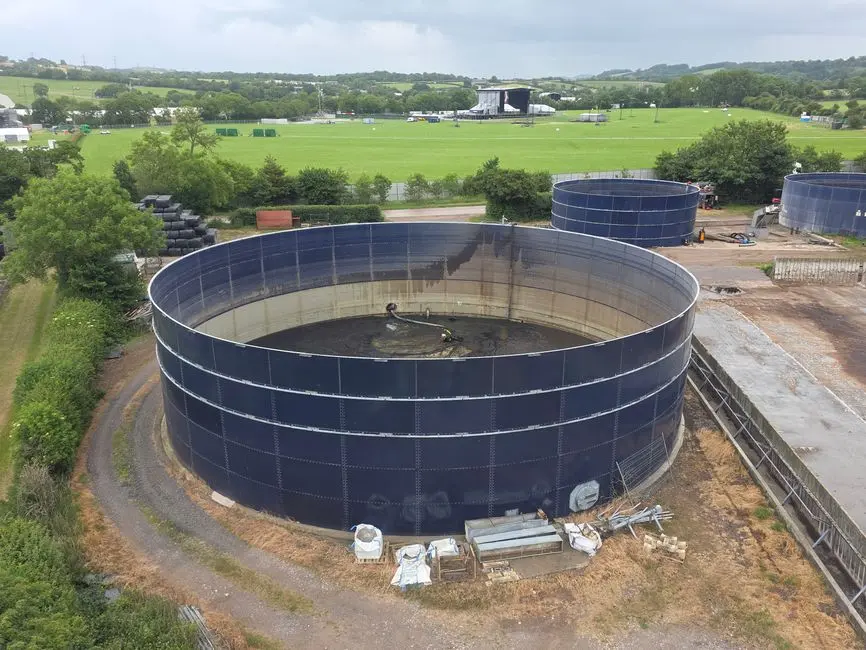
Size the DAF system from peak flow, wastewater characteristics, required separation performance, available footprint and operating controls—not from the nominal tank volume shown in a catalogue. Require the supplier to state whether capacity is based on hydraulic loading, solids loading, or both, and to identify the design flow and influent concentrations used.
The quotation should define the recycle arrangement, bubble-generation method, flotation-zone configuration, scraper or sludge-removal arrangement, chemical-conditioning points, instrumentation and control philosophy. Ask the supplier to use the DAF engineering specifications to expose those assumptions rather than leaving the proposal as equipment-only.
Test the response to shock loads and changing water quality. A preprint on dynamic and static modelling reports that the two approaches behaved differently under shock loads and that time lags affected prediction. Because that study is a non-peer-reviewed preprint, use it to justify requesting dynamic operating analysis and monitoring—not to assign a guaranteed removal rate.
Do not transfer performance from another industry. The tannery case reports DAF removal of up to 90% of COD, with an average effluent COD of 1,004 mg/l based on daily sampling in the first quarter of 2009. That result belongs to the stated tannery application and cannot be used as a guaranteed TSS, COD or oil-and-grease result for a Madagascar project. Use the DAF sizing, treatability tests and acceptance guidance to define the evidence required from each bidder.
Build an RFQ scope that covers the complete treatment train
Issue the RFQ as two linked stages: first, a basis-of-design and feasibility package; second, a priced supply, installation and commissioning offer. This separates unresolved wastewater, compliance and treatability decisions from a commitment to equipment price and delivery.
For Stage 1, require the site operator to provide representative samples, flow records, utilities, available footprint and discharge criteria. Require the bidder to provide a process route, preliminary mass balance, hydraulic calculations, pretreatment recommendations, DAF sizing basis, chemical consumption estimates, sludge-generation estimate and a proposed performance-test protocol. For Stage 2, require the selected supplier to complete the design, supply all specified equipment, supervise installation, train operators and demonstrate performance against agreed criteria.
Include chemical conditioning and pH adjustment where required. The tannery reference describes in-line coagulant dosing, pH adjustment and polymer addition before flotation. Specify chemical storage, metering, duty/standby arrangement, calibration and operator controls. An automatic chemical dosing system should be scoped where controlled coagulant, flocculant or pH dosing forms part of the selected train.
Include sludge removal, thickening, conditioning and dewatering as separate quotation lines. The tannery case transfers sludge to a holding tank and dewateres it with a high-pressure belt press; the dairy reference identifies filter presses or centrifuges for thickened sludge. Require the bidder to state sludge characteristics, expected solids capture, filtrate destination and disposal route. Request a plate-and-frame filter press quotation where its operating basis matches the selected sludge.
| Quote line item | Technical scope to specify | Red flags to check before signing |
|---|---|---|
| Wastewater basis and compliance route | Representative analyses, flow record, destination, authority requirements and final-quality criteria | Performance limits are stated without an identified discharge or reuse requirement |
| Equalization and pretreatment | Hydraulic basis, aeration, screening, grease separation, segregation and any sulfide treatment | Overloaded streams are blended upstream without confirming treatability |
| DAF equipment | Design flow, solids-loading basis, recycle arrangement, bubble system, controls, materials and sludge removal | Tank size is quoted without calculations or influent design concentrations |
| Chemical dosing | Coagulant, flocculant and pH control; storage, metering, calibration, interlocks and chemical consumption basis | Chemicals are excluded from the price or no dosing rate is stated |
| Sludge handling | Thickening, dewatering, filtrate management, sludge storage and disposal interface | Sludge quantity, concentration and final destination are undefined |
| Installation and commissioning | Civil interfaces, utilities, installation, training, spares, test protocol and acceptance schedule | Exclusions or site-condition assumptions shift major cost and responsibility to the buyer |
Commercial pricing should separate the DAF unit selection framework items: equipment, tanks, pumps, aeration, controls, pretreatment, dosing, sludge dewatering, installation, utilities, commissioning, freight, taxes and exclusions. No supported quotation or Madagascar project price is available here, so request a priced bill of quantities with the duty basis and scope assumptions attached.
Set performance tests and commercial acceptance criteria
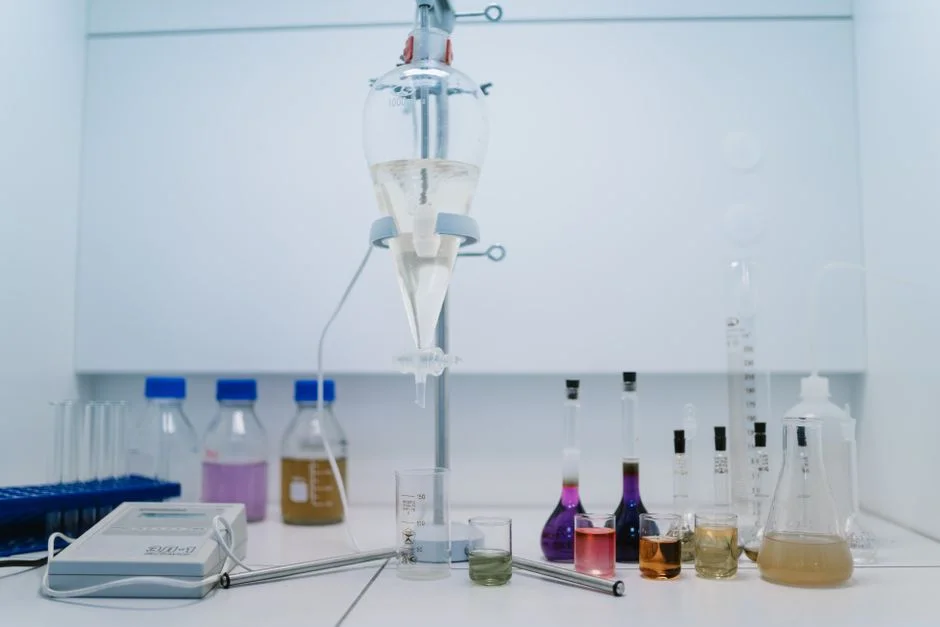
Define acceptance before signature, not after installation. The test schedule should state test frequency, sampling points, sample preservation, analytical methods, flow conditions and independent witnessing. It should also identify who pays for testing and how disputed results are resolved.
Confirm whether the acceptance test covers hydraulic capacity, solids separation, oil-and-grease removal, sludge concentration, automatic controls, alarms and utility consumption. Specify the influent condition during testing: representative normal wastewater, peak flow or another defined duty. A supplier should not be expected to guarantee a result from an influent outside the agreed basis.
Use pilot or jar testing where chemical sensitivity, sludge characteristics or separation performance remain uncertain. The dairy reference notes that coagulant and pH control may be necessary depending on effluent characteristics. Treatability results should therefore inform chemical selection rather than permit an open-ended guarantee.
Keep unresolved Madagascar discharge, reuse, sewer-connection and authority requirements as a pre-contract hold point. No supplied source establishes those local conditions. The supplier may state design assumptions, but final acceptance criteria should follow the confirmed destination-specific requirements and permit conditions.
Related Equipment
- industrial DAF system — specifications, capacity range, and technical data
Frequently Asked Questions
Is DAF sufficient for industrial effluent treatment in Madagascar?
DAF is sufficient only if the confirmed final-effluent criteria are met after the complete proposed train. It is a primary stage for suspended solids, colloids and floatable material; residual biodegradable load may require biological treatment. Ask the bidder to demonstrate this using the site wastewater analysis and confirmed Madagascar discharge or reuse requirements.
What wastewater data is needed to size a DAF system?
Provide representative samples across production, cleaning and upset conditions; COD, BOD5, suspended solids, oil and grease, pH, turbidity and conductivity; average and peak hourly flows; and available footprint, utilities and expansion plans. Require each bidder to state its hydraulic basis, solids-loading approach and operating assumptions.
What should be included in a DAF system quotation?
Include wastewater characterization, equalization, pretreatment, DAF equipment, chemical dosing, sludge removal and dewatering, controls, utilities, installation, commissioning, training and performance testing. Request separate pricing for exclusions and for consumables. The supplier must identify who supplies site data and who supplies calculations, equipment data and acceptance proposals.
How should DAF performance acceptance and Madagascar compliance be defined?
Specify analytical methods, sampling points, test duration, influent conditions, hydraulic load and independent witnessing. Tie acceptance to the confirmed Madagascar authority, discharge destination and reuse criteria. Do not sign an assumed compliance limit; request the applicable permit, sewer-acceptance conditions or written authority confirmation first.