Define the discharge or reuse objective
Select an industrial effluent treatment plant and DAF system in Honduras by starting with the final destination and required water quality, then matching verified wastewater data and hydraulic peaks to DAF-led, biological, or combined treatment. The discharge route determines applicable limits, monitoring, and documentation; the reuse objective determines whether primary solids capture alone is sufficient or downstream biological and polishing stages are required.
Record whether the treated water will be discharged, accepted under sewer conditions, reused in a process, or sent to a municipal treatment plant. Obtain the applicable permit, sewer acceptance conditions, or reuse specification before selecting equipment. The available information does not establish Honduran discharge limits, so request the controlling document from the receiving authority, sewer operator, or reuse owner and have the supplier demonstrate compliance against that document.
Use the route to define treatment targets and acceptance parameters. A sewer-connection objective may be governed by pretreatment criteria, while a reuse objective requires the recipient process’s water-quality specification. See high-COD wastewater treatment options in Honduras for the route-selection questions to resolve before comparing bids.
| Discharge route or influent problem | Governing rule or process option | What data settles it |
|---|---|---|
| Direct discharge to a receiving water | Use the applicable environmental authorization and its discharge limits; do not infer limits from a sewer rule. | Permit, receiving-water classification, required sampling point, limits, monitoring frequency, and reporting format. |
| Sewer acceptance or municipal treatment | Use the sewer operator’s written acceptance conditions and any prohibited discharge characteristics. | Connection approval, permitted flow and pollutant limits, surcharge rules, sampling procedure, and pretreatment certificate. |
| Process reuse | Set treatment objectives from the receiving process rather than from generic effluent performance. | Reuse specification, recipient-equipment limits, temperature and pH range, seasonal demand, and intended reuse rate. |
| Discharge to a municipal treatment plant | Assess whether equalization and source control are needed before off-site conveyance. | Average and peak flow, batch-discharge profile, COD, pH, suspended solids, oil and grease, and truck or sewer conveyance constraints. |
Characterize the wastewater and hydraulic load
Characterize representative operating conditions before sizing any unit; application data from another plant cannot establish site capacity. Request average and peak wastewater flows for the selected design horizon, the production schedule, batch discharges, storm-water exclusions, and future expansion. Identify whether the proposed industrial pretreatment train must absorb slug loads without allowing untreated overflow.
Request COD, BOD5, TSS, oil and grease, pH, turbidity, TDS, and temperature data covering representative operating conditions. Sampling design should capture normal production, cleaning cycles, startup, shutdown, and the highest observed load—not only one grab sample.
Use COD, pH, turbidity, and TDS from the equalization tank as operating inputs where relevant. A case study monitored COD, pH, turbidity, and TDS from equalization-tank effluent over an eight-hour period and reported that static and dynamic models behaved differently under shock loads. That supports using time-resolved data for a plant exposed to changing loads, but its modeling results are not Honduran site performance data.
List shock loads, variable pH, fibrous material, grit, process chemicals, and high-strength streams separately. Their origin and release frequency determine whether segregation, screening, flow equalization, pH correction, or source recovery must be added before DAF. Use the best DAF unit selection framework to connect each disturbance to the equipment item intended to control it.
Compare the feasible treatment routes
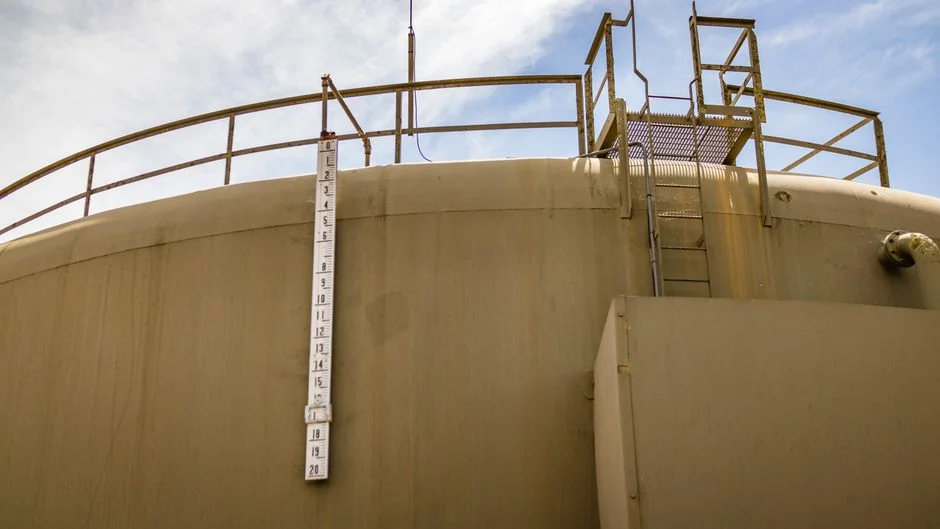
Choose DAF-led treatment when suspended solids, oil and grease, or colloidal material are the primary targets and chemical conditioning is feasible. Choose biological treatment when biodegradable dissolved organic loading must be removed, but retain upstream solids and fat removal to protect the biological stage. Use a combined DAF, biological, and polishing train when the discharge or reuse specification cannot be met by primary treatment alone.
Do not treat DAF removal percentages as a discharge guarantee. One tannery primary-treatment case reports average removal of 95% of suspended solids and 70–80% of COD, but that result belongs to the described tannery treatment train, not to every industrial DAF system.
For dairy effluent, COD is identified as a common constraint, and biological treatment is described as following solids and fat removal. This supports preliminary route screening, not equipment sizing. Confirm biodegradability, nutrients, toxicity, temperature, and the required organic-loading removal with representative wastewater before selecting the biological process.
| Discharge route or influent problem | Governing rule or process option | What data settles it |
|---|---|---|
| High suspended solids, colloidal material, or separable oil and grease | DAF-led route: screening, equalization, chemical conditioning, DAF, and sludge handling. | TSS, oil and grease, particle characteristics, pH, chemical trial results, and the treated-water target. |
| Biodegradable dissolved organic load | Biological route, preceded by solids and fat separation where required. | COD, BOD5, nutrients, toxicity, temperature, biodegradability, and downstream discharge or reuse targets. |
| DAF performance falls short of the governing objective | Combined DAF, biological treatment, and polishing route. | Site trial results, residual soluble COD, polishing requirements, and final receiving-route criteria. |
| Highly concentrated reusable stream | Assess recovery or segregation before general wastewater treatment. | Stream flow, COD, volume, recoverability, product-contact restrictions, and economic comparison of recovery versus treatment. |
Define the DAF and downstream equipment scope
Define each treatment stage as a separate quotation line so bidders can reveal omissions and compare like-for-like scope. Require screening or solids removal, flow equalization, pH adjustment, coagulant and flocculant dosing, dissolved air flotation, biological treatment where selected, polishing, sludge handling, instrumentation, controls, and utilities. Do not allow “complete DAF package” to conceal missing tanks or auxiliaries.
For the flotation stage, specify the required feed condition, chemical-conditioning arrangement, recirculation, sludge removal, and treatment objectives using the DAF engineering specifications as the technical scope prompt. Specify the industrial DAF system only after flow, wastewater characteristics, and downstream requirements are documented.
Define the chemical scope around the actual wastewater: chemical type, storage, preparation, metering, mixing, dose control, and operator access. Request a PLC-controlled chemical dosing system where automatic control is justified by variable flows and pH.
Include electrical supply, control philosophy, alarms, remote monitoring, local service support, commissioning, operator training, and required documentation. State the available footprint, civil interfaces, electrical supply, installation constraints, sludge quantity, target moisture content, and final disposal route. If those inputs are missing, make them bidder clarification items rather than assumptions.
Set quotation and acceptance criteria
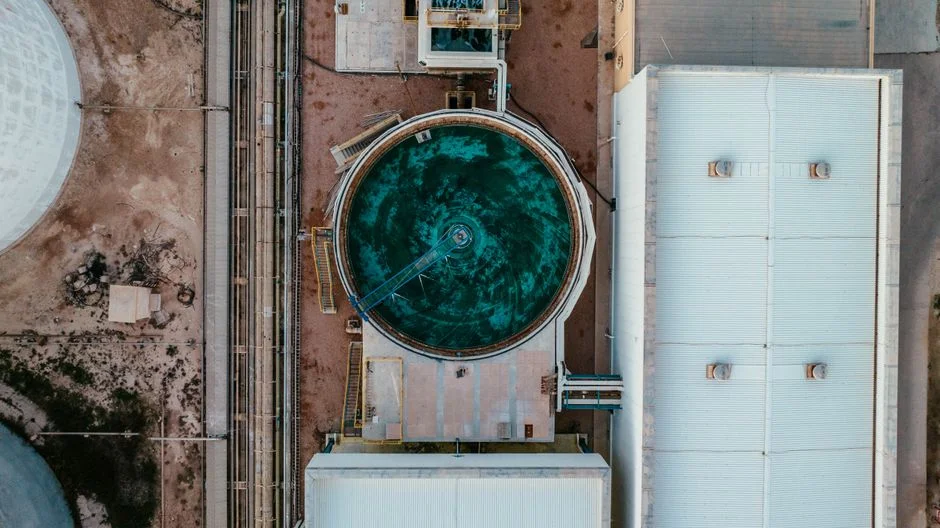
Compare bids against a common performance and delivery basis. Require each bidder to state design flow, operating flow range, treated-water objectives, test methods, instrument ranges, utility requirements, electrical demand, excluded civil works, and commissioning responsibilities. A performance claim must identify the wastewater, operating condition, test method, sampling point, and acceptance value; application results from another facility are not substitutes for site verification.
Define factory and site acceptance tests before signature. Include operator training, operating manuals, maintenance records, spare parts, warranty, and local commissioning support. Request a performance-test protocol and state who supplies representative wastewater samples, conducts laboratory analysis, and provides any required third-party verification.
Reject unclear exclusions for equalization tanks, chemical storage, sludge dewatering, electrical works, permits, transport, installation, or commissioning. Link each exclusion to a site input and a hold point so omissions are resolved before contract execution.
| Quote line item | Technical scope to specify | Red flags to check before signing |
|---|---|---|
| Flow equalization and pretreatment | Design and operating flow, working volume, mixing, aeration where required, screening, pumping, and storm-water exclusion. | Design based only on average flow, or no stated basis for batch and peak loads. |
| Chemical conditioning | Coagulant, flocculant, pH control, storage, preparation, metering, interlocks, and chemical-consumption basis. | Generic chemical names without test data, dosage assumptions, storage volumes, or reagent delivery scope. |
| DAF unit | Treatment objective, applicable test method, feed basis, recirculation, sludge removal, instrument ranges, and materials. | General removal claims not tied to site wastewater, sample provenance, operating conditions, or sampling procedure. |
| Biological and polishing stages | Process basis, organic-loading design data, aeration, sludge separation, polishing method, and final target parameters. | Stage omitted from the flow diagram or included only as a future option without price or acceptance criteria. |
| Sludge handling | Expected sludge mass, thickening, dewatering, target moisture content, storage, and final disposal route. | No sludge balance or disposal responsibility, despite the DAF producing a floating sludge stream. |
| Installation and acceptance | Civil interfaces, electrical supply, transport, erection, commissioning, training, documentation, spare parts, and warranty. | Price excludes essentials needed for operation, or performance testing is left undefined. |
Frequently Asked Questions
What site data should be included in an RFQ for an industrial effluent treatment plant and DAF system in Honduras?
Include the final discharge or reuse route and its governing limits; average and peak flows; production and batch-discharge schedules; COD, BOD5, TSS, oil and grease, pH, turbidity, TDS, and temperature; shock-load sources; available footprint and utilities; and the sludge disposal route. Ask bidders to return a process selection matrix, sizing basis, equipment list, exclusions, utilities, and acceptance-test proposal against those inputs.
How should bids be compared for price when no site-specific quotation is available?
Request a priced bill of quantities with separate lines for equalization, pretreatment, DAF, chemical dosing, biological treatment, polishing, sludge handling, electrical work, civil interfaces, transport, installation, commissioning, training, and spares. Ask each bidder to state the design flow, treated-water objectives, utility consumption, chemical basis, warranty, and exclusions. Without these inputs and quotations, a budget cannot be established reliably from a generic equipment price.
What evidence should be used to select a DAF supplier?
Require site-specific process design evidence, a clear sizing basis, references for comparable wastewater, drawings, controls documentation, commissioning resources, warranty terms, and local service support. For an industrial DAF system, require the supplier to demonstrate how its proposed equipment handles the documented flow, solids, oil and grease, chemicals, and shock loads.
Can general DAF performance data prove Honduran discharge compliance?
No. A general removal claim does not establish the final discharge or reuse outcome, and sewer-connection conditions do not establish direct-discharge limits. Obtain the applicable permit, sewer acceptance conditions, or reuse specification; then require a performance protocol with agreed sampling points, methods, wastewater conditions, and acceptance values. Use the best DAF unit selection framework to check that the quoted scope matches that route rather than transferring application results directly to the facility.