Separate cooling water use, blowdown and reuse
The correct route for cooling tower blowdown and data center water treatment in China depends on the cooling configuration, measured blowdown chemistry, reuse destination and concentrate-disposal option. UF can remove colloids, bacteria and suspended solids before RO, but cooling-tower surfactants can foul UF membranes; one study found much lower fouling at 0.1 mg/l biodispersant than at 4 mg/l. RO may support recovery when permeate quality and recovery are viable. Before selecting equipment, obtain flow, salinity, hardness, suspended-solids, biocide and treatment-chemical analyses, then compare discharge, UF and RO against verified site inputs.
Start by separating three quantities: withdrawal from the source, consumption through evaporation, and water returned as blowdown. KETOS reports that roughly 75–90% of data centers worldwide rely on water-based cooling, but that does not establish the configuration or demand of an individual Chinese site. The same source says an average of 20–30% of the cooling water used is returned as wastewater; evaporation is a separate loss from the stream available for treatment or reuse.
Ask the cooling-system owner for the configuration, hourly blowdown flow, evaporation estimate, makeup-water flow, operating days and seasonal peaks. Also identify whether recovered water will return to the cooling tower, enter another process or be discharged. These destinations have different water-quality objectives. Review the distinction between withdrawal, consumption and returned water in this explanation of data-center cooling water use.
Match the blowdown problem to a treatment route
Choose the route based on the contaminants and destination rather than a preference for specific membrane types. Once the route is identified, select the corresponding treatment technology to meet those specific requirements.
A discharge route remains viable only when the permitted receiving route and applicable requirements are confirmed. UF alone may suit a reuse destination with limited quality requirements, while RO becomes relevant when the recovered water must meet a stricter salinity or dissolved-solids specification. Concentrate handling must be addressed simultaneously because recovery creates a concentrated residual stream.
For membrane context, Chulalongkorn University’s Office of Academic Resources reports that nanofiltration and reverse osmosis were studied to recycle cooling-tower blowdown at a cogeneration power plant. This establishes the comparison context, not a performance guarantee for a Chinese data center. Delft University of Technology reported rapid UF fouling while treating cooling-tower blowdown because of its high salinity, composition after evaporation and cooling chemicals. By contrast, KETOS distinguishes liquid blowdown returned to a treatment system from water lost through evaporation.
| Discharge route or influent problem | Governing rule or process option | What data settles it |
|---|---|---|
| Permitted discharge without recovery | Use only after the receiving route and applicable local requirements are verified. | Discharge flow, destination, current permit conditions and written confirmation from the relevant authority. |
| Non-potable cooling makeup or another low-grade reuse destination | Consider UF pretreatment, subject to the destination’s water-quality specification. | Destination limits, blowdown chemistry, suspended solids, colloids, microbial indicators and cooling-tower treatment chemicals. |
| Stricter dissolved-solids or salinity requirement | Consider industrial RO recovery with source-specific pretreatment and a verified concentrate route. | Required permeate quality, feed analysis, recovery target, operating hours, concentrate volume and disposal or reuse endpoint. |
| High salinity, evaporated contaminants or incompatible cooling chemicals | Do not release equipment for sizing until pretreatment and membrane compatibility have been tested or reviewed. | Complete chemical inventory, conductivity, hardness, organics, biocide, corrosion inhibitor, biodispersant and supplier compatibility review. |
Use the cooling-tower blowdown RO recovery method to structure recovery and concentrate calculations. If an alternative reuse stream is under consideration, treatment selection after MBR provides context for matching treatment to the receiving process.
Control membrane fouling with source-specific pretreatment
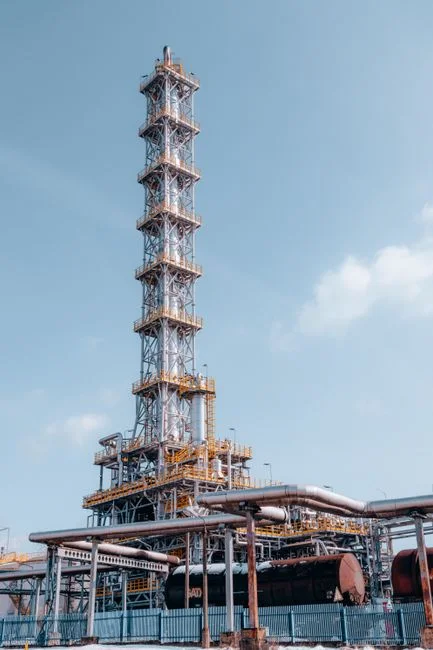
Select pretreatment around the contaminants measured in the actual blowdown, not around a generic membrane specification. Request complete blowdown and makeup-water analyses covering conductivity, hardness, suspended solids, colloids, organics, biocide, corrosion inhibitor and biodispersant. These results should determine whether multi-media filtration, chemical conditioning or another barrier is needed.
Delft University of Technology identified the tested biodispersant as a non-ionic surfactant and established its critical micelle concentration at 0.03 mg/l. The study reported much lower UF fouling and more effective backwashes at 0.1 mg/l biodispersant than at 4 mg/l. It also stated that the microbial-growth implications of reducing the dosage should be investigated further; therefore, a lower chemical concentration cannot be adopted without a site-specific control review.
Use multi-media pretreatment when suspended solids and colloidal protection dominate the risk. Consider automatic chemical dosing when analysis shows that coagulation, pH adjustment or another chemical step is required. The available equipment scope includes an ultrafiltration pretreatment system, multi-media filtration equipment and an automatic chemical dosing system, but the final combination should follow the complete analysis and a vendor membrane-compatibility review. Do not fix membrane material, chemical dose or recovery rate before those inputs are available.
Build a China-ready source-data request
Build the enquiry around named site data and assign every missing item to the party best able to supply it. Obtain source-water, makeup-water, cooling-water and blowdown analyses from the facility or a qualified laboratory. The cooling-system owner should provide the configuration, operating schedule, evaporation and blowdown calculations, chemical inventory, water balance and future expansion plan. The project owner should provide the destination-water specification and recovery target.
For compliance, request the permitted discharge route and applicable requirements from the relevant local water or environmental authority. Do not infer a China-wide limit from a sewer-connection rule or from another jurisdiction’s treatment study. A separate review of the data-center water-treatment equipment RFQ checklist can be adapted to this source-data request.
- Site operator: provide measured source, makeup, cooling-water and blowdown flows, operating schedule and seasonal operating data.
- Cooling vendor or system owner: provide configuration, evaporation and blowdown calculations, treatment-chemical inventory, controls and expansion assumptions.
- Certified laboratory: provide complete analyses and identify sampling points, sample preservation and analytical methods.
- Project owner: define the recovered-water destination, required quality and recovery objective.
- Utility or discharge authority: confirm the discharge route, applicable permit conditions and concentrate-handling constraints.
Power-sector treatment research summarized by Membranes covers distinct industrial water cycles and can provide technical context, but its Czechia focus does not establish China-specific requirements. Keep that context separate from the local verification package.
Compare quotations on performance, acceptance and lifecycle risk
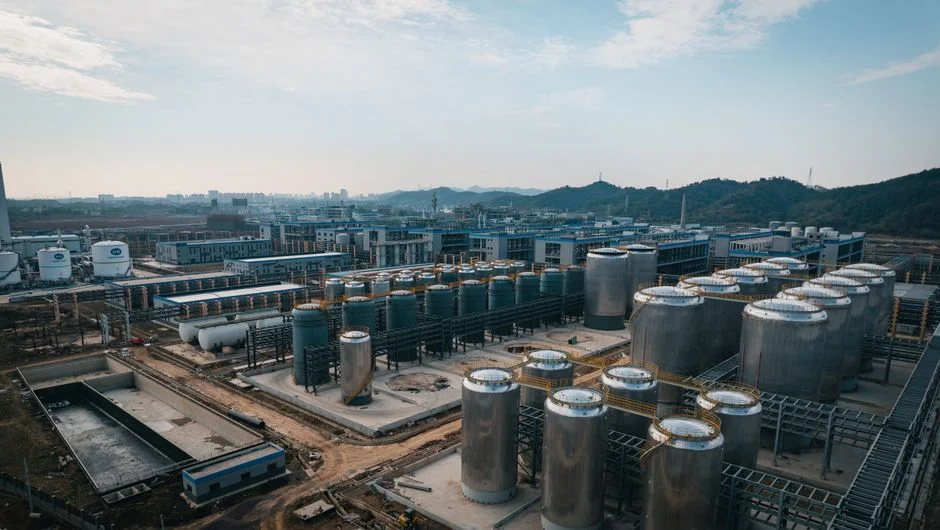
Compare quotations only after converting the route decision into technical and acceptance criteria. Each offer should state its design feed analysis, flow basis, recovery basis, permeate quality, duty cycle and operating assumptions. If those inputs are left blank, the supplier cannot be held to a meaningful capacity or performance commitment.
| Quote line item | Technical scope to specify | Red flags to check before signing |
|---|---|---|
| Design basis | Feed analysis, design flow, operating hours, recovery target, permeate specification and duty cycle. | Generic water analysis, peak flow omitted, or permeate and recovery guaranteed without stated assumptions. |
| UF and RO pretreatment | Upstream and downstream unit scope, membrane type, cleaning method, controls, instrumentation and chemical-compatibility responsibilities. | UF offered without chemical-compatibility review, or pretreatment excluded from the performance guarantee. |
| Performance testing | Acceptance tests for throughput, permeate quality, recovery, automatic controls, backwash or cleaning cycles and treated-water stability. | Only a generic efficiency claim, with no test method, sample point or acceptance procedure. |
| Concentrate management | Expected concentrate stream, permitted route, monitoring, handling equipment and responsibility for final disposal or reuse. | RO recovery included while concentrate disposal is excluded or remains undefined. |
| Lifecycle support | Membrane replacement strategy, local spare-part availability, operator training, warranty and local service support. | No membrane supply commitment, training plan, service response definition or consumables list. |
Ask the supplier to complete the same RFQ checklist for every alternative, including discharge, UF pretreatment and RO recovery. Use the China-specific source-data package to determine which route is technically and commercially comparable. For an RO proposal, also use the method to calculate cooling-tower blowdown RO recovery and concentrate handling.
Frequently Asked Questions
When is UF alone sufficient, and when is RO required?
UF alone is potentially sufficient when the reuse destination accepts the quality achievable by the specified pretreatment and no stricter dissolved-solids requirement applies. RO should be considered when the destination requires a lower salinity or dissolved-solids concentration than UF can provide. Confirm that choice with destination-water analysis, blowdown chemistry and a vendor performance calculation rather than selecting UF by default.
Which analyses and operating data should a supplier receive for sizing?
Require source-water, makeup-water, cooling-water and blowdown analyses, including conductivity, hardness, suspended solids, colloids, organics, biocide, corrosion inhibitor and biodispersant. Also require measured flows, operating schedule, seasonal peaks, evaporation and blowdown calculations, chemical inventory, destination-water specification and recovery target. Mark missing values as open and assign each to the site operator, cooling vendor, laboratory, project owner or relevant authority.
What should be included in the price and acceptance scope?
The price should identify the feed basis, flow, recovery, permeate quality, duty cycle, pretreatment, membranes, controls, instrumentation, testing, concentrate handling, operator training, warranty, local service and consumables. Require acceptance tests covering throughput, permeate quality, recovery, controls, backwash or cleaning cycles and treated-water stability. Do not compare quotations that omit different equipment or acceptance obligations.
How should Chinese-site compliance and concentrate handling be verified?
Ask the project owner and relevant local water or environmental authority to confirm the applicable discharge route, permit conditions and concentrate constraints in writing. Supply the authority with the selected process, design flow, recovered-water destination and concentrate characteristics. If those documents are unavailable, keep the compliance route and concentrate disposal scope open; an industrial RO recovery system should not be approved without an identified endpoint for its concentrate.