Start with the site's wastewater and reuse requirements
A Kiribati municipal or commercial sewage project requires a comparison of three routes: a conventional sewer and centralized plant, an underground WSZ package plant, or an MBR system. The choice follows verified sewage flow and peak demand, available land, groundwater and coastal exposure, reuse requirements, local operator capacity and discharge conditions. Kiribati's context necessitates resilience: South Tarawa covers approximately 15 km², contains just over half the national population, and has reported sewage-related surface-water pollution linked to solid-waste management weaknesses. The WSZ route handles 1–80 m³/h in a buried unit; MBR covers 10–2,000 m³/day and supports near-reuse-quality effluent. Detailed design requires site-specific wastewater testing and regulatory confirmation.
Begin with a measured demand schedule rather than a population-based estimate. The design team needs average sewage flow, peak flow and diurnal or seasonal peaks for the current population, hotel occupancy, employees, visitors and any connected commercial tenants. It also requires wastewater characteristics rather than a generic “domestic sewage” label: solids, grease, oil, pH, salinity and any industrial or trade-waste contribution can change pretreatment and process selection.
Separate existing demand from proposed development using tariff records, household or customer data, occupancy assumptions and the commissioning dates of each development. South Tarawa's population share does not establish the load on a particular site and must not be used as a sizing shortcut. The capacity basis should show whether each flow figure is measured, calculated from verified inputs or subject to a stated design margin.
Map the receiving point and reuse destination. Is the objective coastal discharge, groundwater infiltration, irrigation, toilet flushing or another reuse application? The required effluent specification must be confirmed with the relevant authority and the receiving-water or reuse user. Screening should also record groundwater sensitivity, flood exposure, available land, access for maintenance and any restrictions associated with the discharge point.
| Design input | Information the buyer must provide | Decision affected |
|---|---|---|
| Flow and occupancy | Average and peak sewage flow, current and projected occupancy, customer data | Equipment capacity, collection and storage |
| Wastewater quality | Sampled characteristics, industrial inputs, solids and grease sources | Treatment process and pretreatment |
| Land and access | Available footprint, setbacks, installation access and maintenance space | Sewer, WSZ or MBR route |
| Effluent and reuse | Regulatory limit, receiving point and intended reuse specification | Disinfection, filtration and reuse provisions |
| Environmental exposure | Groundwater sensitivity, coastal exposure and verified flood levels | Siting, containment and resilience |
Compare sewer, WSZ package plant and MBR routes
Conventional sewers suit locations where a collection network and centralized treatment site are feasible, but the supplied research does not establish Kiribati trenching costs, pumping requirements, land availability or long-term operating performance. Sewer feasibility requires site-specific investigation rather than a general assumption that centralized collection is preferable. For a related route-selection framework, see the sewer and package-plant route selection comparison.
A WSZ underground package sewage treatment plant combines anoxic/aerobic A/O biological contact oxidation, sedimentation and disinfection in one buried unit. The verified product catalog lists a capacity of 1–80 m³/h and describes full automation. The unit can be installed below grade with landscaping above or mounted on a trailer for mobile deployment. This makes WSZ a candidate where verified flow falls within the catalogued range, land is constrained and a compact decentralized sewage treatment system is the priority.
The MBR membrane bioreactor system combines activated sludge with submerged PVDF membrane filtration. Its catalogued capacity is 10–2,000 m³/day, with effluent described as near-reuse quality and filtration below 1 μm. MBR is the stronger candidate when the required reuse quality makes membrane separation and associated controls necessary. The buyer must also assess the added process complexity of membrane and aeration operation rather than relying only on the stated effluent description. A separate WSZ versus MBR site comparison provides a useful decision prompt for commercial facilities.
The working rule is conditional: use sewer and centralized treatment where collection-network and centralized-site feasibility can be demonstrated; use WSZ where its verified flow range fits and compact, automated decentralized treatment is required; use MBR where the reuse specification and footprint justify the additional membrane and aeration systems. None of these conditions should be accepted without verified flow, effluent testing, site constraints and supplier guarantees.
| Route | Verified scope or configuration | When it advances | Items to resolve |
|---|---|---|---|
| Sewer and centralized plant | Conventional route; supplied evidence does not quantify local feasibility | Collection network, pumping and a treatment site are demonstrably feasible | Trenching, pumping, land, ownership and operating analysis |
| WSZ package plant | 1–80 m³/h; buried A/O contact oxidation, sedimentation and disinfection; trailer mounting possible | Verified flow fits the range and compact decentralized treatment is required | Installation depth, utilities, access, solids handling and commissioning basis |
| MBR | 10–2,000 m³/day; activated sludge with submerged PVDF membranes; filtration below 1 μm | Verified reuse quality and footprint justify added membrane and aeration complexity | Membrane specification, aeration, fouling control, skills and maintenance access |
Design for Kiribati's coastal and water-safety context
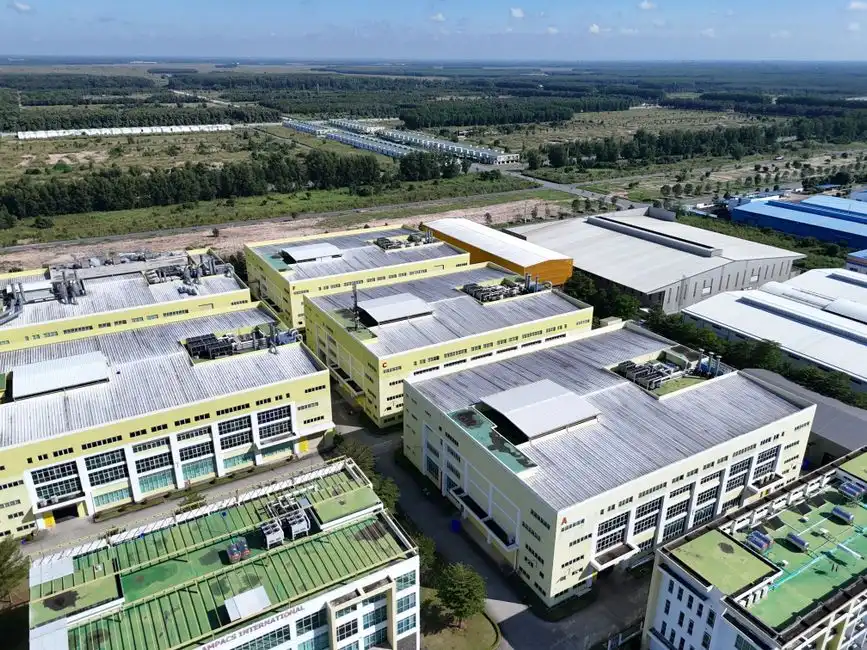
South Tarawa has high vulnerability to coastal flooding, and its three main urban centers—Betio, Bairiki and Bikenibeu—are distributed across a causeway 35 km long and no more than 300 m wide, according to the Stimson Center's CORVI Risk Assessment: Tarawa, Kiribati (2022). This narrow urban form makes connectivity, evacuation, access and the consequences of service interruption critical screening questions.
Rainfall adds a second site-design variable. The Stimson Center assessment reports annual rainfall ranging from 150 mm to 4,000 mm and states that rainwater recharge is central to island water supply. Treatment, collection and storage systems require a documented response to intense rainfall, runoff and groundwater conditions. Generic climate assumptions are not a substitute for site flood levels, finished-floor elevations, drainage paths and verified groundwater information.
Water safety involves more than treatment capacity. The Stimson Center's 2022 assessment reports that most surface-water pollution comes from inadequate solid-waste management that allows sewage to flow directly into water, and that heavy rain interacting with untreated waste can increase waterborne-disease risk. Where a project is relevant to that pathway, the design brief should identify source-control measures, screening, solids handling and the responsibility for waste collection. An equipment quotation alone does not resolve the wider solid-waste problem.
Require the supplier to locate treatment, storage and electrical equipment using verified flood information. The design should also define how access, controls and monitoring remain available under wet conditions and what happens during power loss or flooding. Whether that requires above-ground features, additional containment, backup power or another arrangement depends on the site survey; the supplied evidence does not justify a universal engineering solution.
Build a procurement and acceptance checklist
A quotation should be evaluated against a complete design basis, not equipment capacity alone. The design team must supply flow data, wastewater analysis, geotechnical information, flood levels, land constraints, effluent limits, reuse targets and the selected receiving point. The supplier should define the guaranteed flow basis, process stages, media or membrane specification, controls, utility requirements, installation method, backup strategy and commissioning tests. The operator should identify maintenance intervals, spare-parts availability, remote support, training, sludge handling and life-cycle cost inputs.
For every route, ask the supplier to state which proposals are included and which depend on excavation, electrical works, civil works, pumping, odor control, effluent disinfection, solids removal or other site works. The package plant versus sewer comparison can help frame that boundary, but the contract schedule—not a generic route label—should define responsibility.
Acceptance should be tied to agreed influent and effluent test conditions. Specify a documented performance test, then verify that automation, alarms, power-loss response and maintenance access function as described. The supplier must also explain how the selected capacity relates to the design flow and peak condition, and how the performance guarantee is adjusted if incoming wastewater differs from the stated basis.
| Responsible party | Documents or evidence required | Acceptance question |
|---|---|---|
| Design team and client | Flow basis, wastewater analysis, site survey, flood levels, land constraints, limits and reuse targets | Can the route and capacity be traced to verified project inputs? |
| Supplier | Guaranteed duty, process description, media or membrane data, utilities, controls, installation and backup | Are performance duties and site interfaces unambiguous? |
| Operator | Maintenance plan, training, support, spares, sludge handling and life-cycle costs | Can the system be operated and sustained as proposed? |
| Client and supplier | Performance protocol and commissioning records | Do agreed test conditions and functional tests demonstrate compliance? |
Frequently Asked Questions
How do I size a sewage treatment plant for a commercial property in Kiribati?
Size it from verified average and peak wastewater flows, not from Kiribati's population share. Obtain occupancy and operating assumptions for guests, employees and other users; document customer or tariff data; sample the wastewater; and add the required seasonal and peak basis. Check that the selected route's catalogued duty covers the agreed design condition. For WSZ, the catalogued range is 1–80 m³/h; for MBR, it is 10–2,000 m³/day. Request the design flow, flow-duration relationship and treatment response used by the supplier in its performance guarantee.
When is an MBR more suitable than a WSZ package sewage treatment plant?
Advance MBR when the confirmed reuse specification requires the separation performance associated with the MBR membrane bioreactor system, and when the available footprint and operating resources can support activated sludge, aeration and submerged PVDF membrane maintenance. Advance WSZ when verified flow fits its 1–80 m³/h catalogued range and the project prioritizes a compact, automated, buried decentralized unit with A/O contact oxidation, sedimentation and disinfection. The final choice depends on site testing, effluent targets and operator capacity.
What should I request from a wastewater equipment supplier before approving a quotation?
Request a written design basis covering guaranteed flow, influent and effluent limits, process stages, treatment media or membrane specifications, utilities, controls, backup power, installation method, commissioning tests and excluded works. Ask who performs installation, provides commissioning, trains operators, supports maintenance remotely and guarantees spares availability. Require the supplier to identify power-loss response, alarm handling, maintenance access and the contractual remedy if agreed performance tests are not achieved.
What compliance and climate information is missing from an initial Kiribati wastewater brief?
The missing items are site-specific: current discharge authorization and receiving-point conditions, the required effluent specification, proposed reuse rules, verified flood levels, groundwater and geotechnical data, rainfall and drainage observations, and the solid-waste interface. The Stimson Center's CORVI Risk Assessment: Tarawa, Kiribati (2022) establishes coastal-flooding vulnerability, rainfall variability and links between solid-waste management, surface-water pollution and waterborne-disease risk. Obtain site-specific effluent limits and flood design levels from the relevant authorities and site investigations before approving equipment.