Confirm the Sewer Route Before Selecting Equipment
A municipal or commercial site in Iceland should begin with a parcel-level sewer-access check. Veitur’s sewage system serves approximately 60% of Icelandic households, but national coverage does not establish service availability at every development. Where a connection exists, the sewage route typically extends from the site through a collection network and pumping stations to central treatment at facilities such as Ánanaust or Klettagarðar. Where no connection is available, an onsite treatment route may be required.
Ask the responsible utility to confirm the connection boundary, approval process, capital contribution, connection timing and whether the wastewater stream is acceptable for the receiving system. Do not treat proximity to an urban area as evidence that a connection can be obtained. Veitur explains that businesses’ wastewater enters the same collection system as household sewage, but that general description does not replace confirmation for a specific commercial load.
For a remote site, unconnected building or expansion with no feasible sewer extension, complete the route comparison in Veitur’s account of Iceland’s sewage system and move to onsite equipment screening. Record the utility’s response before asking suppliers to price a package plant.
| Decision point | Municipal sewer connection | Onsite sewage treatment | Evidence required before proceeding |
|---|---|---|---|
| Service availability | Connection exists and the utility accepts the wastewater | No practical connection, or extension is not feasible | Written confirmation from the responsible utility |
| Collection and transport | Site drainage connects to the public collection system; sewage travels through pumping stations where required | Wastewater remains within the site treatment route | Connection route, pumping requirement and ownership boundary |
| Treatment responsibility | Central treatment at a facility such as Ánanaust or Klettagarðar | Owner operates and maintains the proposed plant | Operating responsibility, service access and sludge route |
| Commercial applicability | Utility must accept the commercial wastewater characteristics | Equipment must handle the project-specific flow and effluent target | Flow, influent analysis, reuse target and discharge location |
| Project economics | Obtain the utility’s connection and contribution requirements | Obtain an equipment quotation with scope and exclusions stated | Do not compare prices until both scopes are defined |
Select WSZ or MBR from Flow, Land and Reuse Requirements
The WSZ route is the appropriate candidate when the verified design duty falls within 1–80 m³/h and the site needs a compact, buried biological process. The verified HydropureWater product catalogue states that the WSZ series combines anoxic/aerobic biological contact oxidation, sedimentation and disinfection in one buried unit, with automated operation (HydropureWater verified product catalog, current product record). The relevant comparison is between a compact A/O package solution and a membrane bioreactor, rather than simply between two nominal capacities.
The MBR route becomes relevant when the verified duty falls within 10–2,000 m³/day, the specification calls for tighter process control or reuse-oriented treatment, and submerged PVDF membrane filtration is appropriate. The supplied MBR product catalogue describes near-reuse-quality effluent, filtration below 1 μm and a footprint 60% smaller than conventional systems. These are catalogue claims, not a discharge permit or project guarantee. Require the supplier to demonstrate how they relate to the confirmed Icelandic receiving-water conditions and the intended reuse specification.
Do not select on headline capacity. Compare the available installation area, excavation and ground conditions, odor control, utilities, automation, sludge handling, operator visits and maintenance access. A buried WSZ arrangement may reduce the surface footprint, but it transfers risk to burial depth, lifting arrangements, access requirements and groundwater exposure. An MBR installation still needs space for the process units, membrane maintenance and safe working access; the catalogue comparison does not remove those site requirements.
| Screening item | WSZ package route | MBR route | Project decision |
|---|---|---|---|
| Verified flow basis | 1–80 m³/h according to the HydropureWater verified product catalog | 10–2,000 m³/day according to the supplied product catalogue | Confirm daily average and peak flow before selecting either route |
| Treatment train | A/O biological contact oxidation, sedimentation and disinfection | Activated sludge with submerged PVDF membranes | Match the train to influent characteristics and the required effluent outcome |
| Installation | Single buried package unit or trailer-mounted configuration | Integrated membrane bioreactor arrangement | Compare excavation, utilities, access and installation boundary |
| Effluent claim to verify | No near-reuse claim should be inferred from the supplied catalogue | Near-reuse quality and filtration below 1 μm stated in the supplied catalogue | Check claims against the confirmed permit and reuse specification |
| Footprint | Evaluate the physical area required for burial, ventilation, odor control and access | 60% smaller than conventional systems stated in the supplied catalogue | Measure the actual allocated area rather than relying on a generic comparison |
| Operations | Automatic operation stated; define inspection, desludging, disinfection and service access | Define membrane cleaning, membrane replacement, controls and sludge handling | Obtain a lifecycle maintenance plan and local service commitment |
Use the WSZ underground package sewage treatment plant page to request the A/O option’s process and installation details, and the MBR membrane bioreactor wastewater system page to define the membrane route’s treatment objectives and maintenance boundary.
Account for Iceland's Wastewater Characteristics
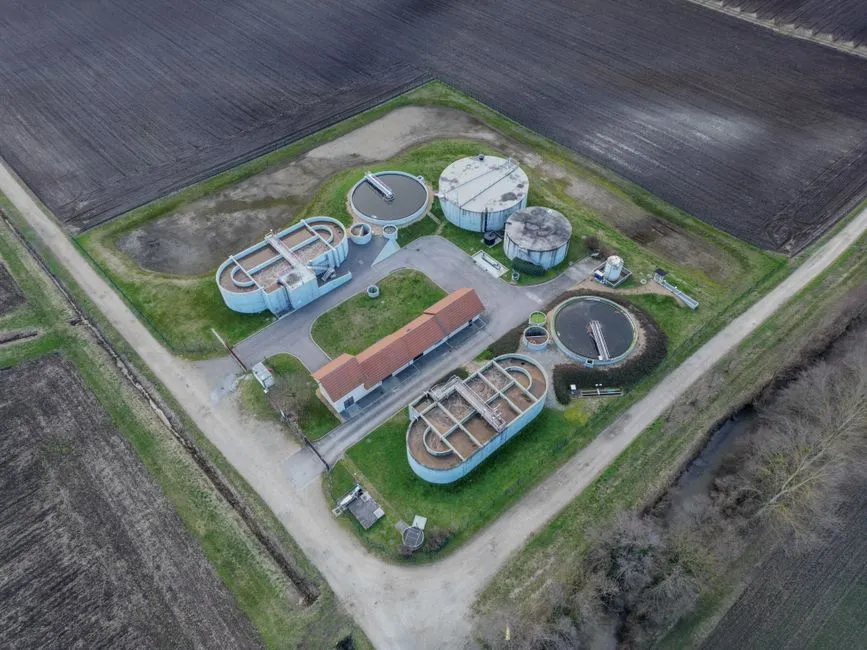
Icelandic wastewater characteristics can alter both biological loading and peak-flow design. Veitur reports that a significant portion of sewage in Reykjavík is geothermal water used for home heating, making it different from sewage in many other countries (Veitur, “About the sewage system—Reykjavík,” current webpage). Geothermal heating is a site condition to investigate, not a default assumption. The sewer route may dilute or change the composition of a discharge, while an onsite plant receives the wastewater generated at that specific property.
Request wastewater temperature, flow, COD, BOD, TSS, nutrients, pH, fats and oils, suspended solids and contaminant data specific to the proposed development. For commercial or industrial sources, include cleaning agents, process chemicals and any substances that could inhibit biological treatment or affect membranes. The supplier should state which analysis is required for final sizing and which parameters are being carried as design allowances.
Stormwater also has to be separated from the treatment train. Veitur states that heavy rainfall can exceed the normal capacity of Reykjavík pumping stations, activating overflow pumps that discharge diluted sewage about 200 meters out to sea (Veitur, “About the sewage system—Reykjavík,” current webpage). This operating evidence shows why peak-flow controls and stormwater infiltration cannot be treated as back-office details. Confirm whether the proposed discharge point can receive overflow conditions, and ensure the plant’s hydraulic design does not rely on diluted overflow flow.
Geothermal sewage, cold influent, rainfall-derived peak flow and the proposed receiving water should be considered together. These factors affect biological reaction rates, equalization, pretreatment, hydraulic retention and the operating envelope that the supplier must guarantee. Review the Veitur wastewater-system information alongside a site-specific flow and influent survey.
Build the Icelandic Compliance and Procurement File
The procurement file should contain project facts, supplier commitments and written regulatory confirmations as separate items. Veitur identifies the Reykjavík Health Inspection Authority as responsible for monitoring pollution in coastal waters, but the supplied research does not establish which authority governs every proposed discharge in Iceland (Veitur, “About the sewage system—Reykjavík,” current webpage). Identify the responsible authority for the actual discharge location and obtain its applicable receiving-water and discharge conditions before accepting an equipment guarantee.
The Iceland wastewater country guide is the appropriate request point for a project-specific check: it asks for flow, influent data and discharge target while stating that country-specific standards and cost guides are being prepared. This status is relevant because it does not supply a complete Icelandic permit schedule, equipment price or compliance warranty.
| File category | Information or confirmation required | Why it must be resolved |
|---|---|---|
| Flow and catchment | Daily average flow, peak flow, seasonal variation, contributing population, commercial fixtures and catchment area | Defines the hydraulic and process-design basis |
| Influent quality | Temperature, COD, BOD, TSS, nutrients, pH, fats and oils, suspended solids and relevant industrial contaminants | Supports biological loading, pretreatment and membrane-compatibility decisions |
| Site and construction | Land availability, groundwater, soil, excavation access, installation depth, utilities, power and construction route | Determines whether the proposed equipment can be installed and maintained |
| Discharge and reuse | Discharge point, receiving water, confirmed authority conditions and intended reuse specification | Separates product claims from the project’s legal and technical performance requirements |
| Supplier submission | Design flow, treatment train, controls, utilities, guarantee conditions, sludge route, installation boundary, commissioning tests, spare parts and local service responsibilities | Creates a comparable quotation and prevents scope gaps |
| Authority confirmation | Named authority, applicable discharge requirements, monitoring or reporting conditions and required approvals | Closes the compliance route that the supplied research does not fully specify |
Issue the same information request to competing suppliers. Require each quotation to identify capacity, treatment scope, civil works, electrical work, installation, commissioning, utilities, sludge removal, maintenance, exclusions and local support. Any cost comparison should use the same scope. For a broader method of screening routes, the sewer versus package-plant decision framework can structure the workshop, but all Icelandic authority and site conditions must still be verified locally.
Frequently Asked Questions
Should a municipal or commercial development in Iceland choose a sewer connection or an onsite treatment plant?
Choose the sewer route only after the responsible utility confirms that a connection is available, accepts the wastewater and defines the connection approval, contribution and ownership requirements. Consider onsite treatment when no feasible connection exists. For an unconnected commercial facility, compare the verified design flow with the WSZ and MBR ranges, then assess land, excavation, maintenance access, reuse and sludge handling; equipment capacity alone is not enough to select a route.
What should be included when comparing prices for a municipal and commercial sewage treatment plant in Iceland?
Request a quotation that states the design flow, treatment train, guarantees, civil and electrical works, utilities, installation, commissioning, sludge route, maintenance, spare parts, local service and exclusions. Ask for an Icelandic site-specific cost breakdown rather than a generic equipment price. The supplied research provides no Icelandic equipment price, installation cost, capital contribution or lead time, so those commercial inputs must be obtained from the utility and bidders rather than assumed.
How should WSZ and MBR be selected for an unconnected Icelandic site?
Screen the WSZ A/O package route when the verified duty falls within 1–80 m³/h and a buried, integrated treatment train fits the available site. Screen the MBR route when the verified duty falls within 10–2,000 m³/day and the project requires tighter process control, membrane filtration or reuse-oriented treatment. The MBR catalogue’s near-reuse claim, filtration below 1 μm and smaller-footprint claim must be checked against the confirmed discharge condition and available installation area.
Which items must be confirmed with the Icelandic authority before ordering equipment?
Confirm the proposed discharge point, receiving-water conditions, applicable permit requirements, monitoring obligations and approval process with the authority responsible for that location. Veitur identifies the Reykjavík Health Inspection Authority for coastal-water pollution monitoring, but its role does not replace a project-specific jurisdictional check (Veitur, “About the sewage system—Reykjavík,” current webpage). Also obtain written confirmation of the sewer route’s availability if an onsite plant is being considered as an alternative.