Hospital Wastewater Treatment in Tamil Nadu, India: 2025 Engineering Guide with Costs, Compliance & Equipment Checklist
Hospital wastewater treatment in Tamil Nadu falls under the Biomedical Waste Management Rules 2016, which require STPs and ETPs for bedded facilities. In 2023, Tamil Nadu PWD estimated ₹103.45 crore for STPs and ETPs in 13 Chennai government hospitals (The Hindu, 2023). Typical hospital influent runs 300–1200 mg/L BOD, 500–2000 mg/L COD, and 200–800 mg/L TSS. CPCB hospital inland limits are BOD ≤30 mg/L, COD ≤250 mg/L, and TSS ≤100 mg/L; many Tamil Nadu plant briefs still quote COD below 100 mg/L and TSS below 10 mg/L as tighter local targets. DEWATS (Chengalpattu Government Hospital), MBR, and SBR are selected by bed count, footprint, and effluent quality.
Why Tamil Nadu Hospitals Must Treat Wastewater: Regulatory and Health Risks
Non-compliance with Tamil Nadu hospital wastewater rules brings legal penalties and public-health exposure. The Biomedical Waste Management Rules 2016 require STPs and ETPs for all bedded hospitals, with Schedule 1(F) mandating pre-treatment of chemical liquid waste before it joins other streams. CPCB hospital inland norms set BOD ≤30 mg/L, COD ≤250 mg/L, and TSS ≤100 mg/L; earlier plant briefs often cite TNPCB targets of less than 30 mg/L BOD, less than 100 mg/L COD, and less than 10 mg/L TSS. Before its DEWATS installation, the 1,300-bed Chengalpattu Government Hospital faced direct groundwater contamination risks from untreated discharge (We Are Water, 2021). The National Green Tribunal (NGT) has issued 2023 orders exposing non-compliant Tamil Nadu hospitals to penalties of ₹5 Lakhs to ₹50 Lakhs, or closure. A 200-bed hospital discharging untreated effluent could see a ₹10 Lakh first-time penalty, escalating with continued violations until an operational shutdown disrupts patient care.
Hospital Wastewater Characteristics: What’s in the Effluent?
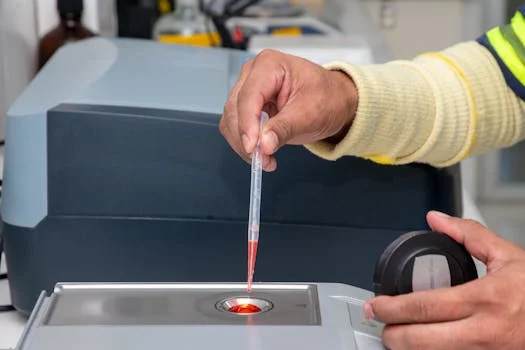
Hospital wastewater in Tamil Nadu carries organic pollutants, chemicals, and pathogens that drive equipment selection and tank sizing. For medical facilities of 50 to 1300 beds, typical influent parameters are BOD 300–1200 mg/L, COD 500–2000 mg/L, and TSS 200–800 mg/L. Pathogen counts for E. coli and Salmonella commonly run 105–107 CFU/mL (PMC study on hospital effluent in Ujjain, India). Medical colleges like Omandurar Medical College Hospital in Chennai generate higher chemical loads (formalin, silver X-ray developer, discarded disinfectants). General hospitals such as Stanley Hospital show a higher organic load from patient care and domestic activity. Monsoon infiltration can dilute influent concentrations by 30–50% but raises TSS through paved-area runoff, so equalisation tanks and a robust primary stage are standard in most plants we size in Tamil Nadu.
| Parameter | Typical Influent Range (50-1300 Bed Hospitals) | TNPCB Inland Discharge Limit |
|---|---|---|
| BOD (Biochemical Oxygen Demand) | 300 – 1200 mg/L | <30 mg/L |
| COD (Chemical Oxygen Demand) | 500 – 2000 mg/L | <100 mg/L |
| TSS (Total Suspended Solids) | 200 – 800 mg/L | <10 mg/L |
| pH | 6.0 – 9.0 | 6.5 – 8.5 |
| Total Coliforms (Pathogens) | 105 – 107 CFU/mL | <100 MPN/100mL (after disinfection) |
Treatment Technologies Compared: DEWATS vs MBR vs SBR for Tamil Nadu Hospitals
The right wastewater treatment technology for a Tamil Nadu hospital depends on bed count, CAPEX ceiling, footprint, and the discharge limits the plant must hit. Decentralized Wastewater Treatment Systems (DEWATS) are the low-cost modular choice, typically achieving 70–90% BOD removal and 60–80% pathogen reduction (We Are Water, 2021), and fit 50–300 bed facilities with tight O&M budgets and land available. Membrane Bioreactor (MBR) systems deliver 95–99% BOD removal and over 99% pathogen reduction in a compact 5–10 m² footprint per 100 beds, suiting 300–1300 bed urban Chennai hospitals where the ₹1.2Cr–5Cr CAPEX buys space and effluent margin. Sequencing Batch Reactor (SBR) systems handle variable loads with 85–95% BOD removal at moderate ₹80L–₹3Cr CAPEX, working well for 200–800 bed facilities. For large urban hospitals that must consistently meet TNPCB norms, MBR systems for urban hospitals are usually the safe pick.
| Technology | CAPEX (₹/bed) | OPEX (₹/m³) | Footprint (m²/100 beds) | BOD Removal (%) | Pathogen Removal (%) | TNPCB Compliance (Effluent BOD/COD) | Best Suited For |
|---|---|---|---|---|---|---|---|
| DEWATS | ₹1 Lakh – ₹3 Lakh | ₹5 – ₹15 | 20 – 40 | 70 – 90% | 60 – 80% | Achievable with tertiary polishing | 50–300 beds, low budget, ample land |
| MBR | 2 Lakh – ₹4 Lakh | ₹10 – ₹25 | 5 – 10 | 95 – 99% | >99% | Easily achievable | 300–1300 beds, space-constrained, high discharge standards |
| SBR | ₹1.5 Lakh – ₹3.5 Lakh | ₹8 – ₹20 | 10 – 20 | 85 – 95% | 80 – 95% | Achievable with good operation | 200–800 beds, moderate budget, variable loads |
Equipment Sizing and Selection: A Checklist for Tamil Nadu Hospitals
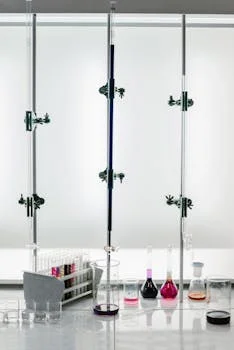
Proper equipment sizing decides whether a Tamil Nadu hospital STP hits discharge limits or falls short during monsoon or shift changes. The sequence below walks from flow estimation through component sizing, with local conditions folded in.
- Step 1: Calculate daily flow rate (L/bed/day). General hospitals in the state run 300–500 L/bed/day; medical colleges with resident staff and intensive services need 500–800 L/bed/day (Top 2 data on Omandurar Hospital). This number sets total plant capacity.
- Step 2: Select technology based on Table 1 (DEWATS vs MBR vs SBR). For a hospital with fewer than 300 beds and a budget under ₹1 Crore, DEWATS is usually the most cost-effective option. For a facility above 800 beds that is space-constrained (urban Chennai), an MBR system is generally preferred for its compact footprint and high removal rates.
- Step 3: Size critical components. Use 6–12 mm bar screens for hospital influent pretreatment to protect downstream equipment. Aeration blowers are sized at 0.5–1.2 m³/min of air per m³ of activated-sludge tank volume. For disinfection, chlorine dioxide disinfection for hospital effluent targets a 99% pathogen kill to meet microbiological limits. Sludge dewatering equipment (filter press or centrifuge) handles 0.5–1.0% of the daily treated wastewater volume. For clinics and smaller facilities, compact Medical & Hospital Wastewater Treatment System units cover specific waste streams.
- Step 4: Incorporate Tamil Nadu-specific considerations. Monsoon-proofing means elevated inlets, stormwater diversion, and civil structures that resist flooding and infiltration. Hospitals should plan 30–60 minutes of backup power for blowers and pumps to ride through grid outages. TNPCB often prefers underground STPs to cut odour and free up surface area, so access hatches and ventilation need extra design attention.
Cost Breakdown: How Much Does a Hospital STP/ETP Cost in Tamil Nadu?
The total cost of a hospital wastewater treatment plant in Tamil Nadu has two halves, CAPEX and OPEX, and the spread between technologies is wide enough to change a budget approval.
CAPEX Benchmarks (2025):
- DEWATS for 50–300 bed hospitals: ₹50 Lakhs to ₹1.5 Crore.
- MBR for 300–1300 bed facilities: ₹1.2 Crore to ₹5 Crore.
- SBR for 200–800 bed hospitals: ₹80 Lakhs to ₹3 Crore.
On a per-bed basis, CAPEX runs ₹1 Lakh to ₹4 Lakhs per bed, falling as scale grows. The Chengalpattu Government Hospital DEWATS cost roughly ₹1.2 Crore for its 1,300-bed capacity, a useful reference for large facilities with land available.
OPEX Benchmarks:
- DEWATS: ₹5–₹15/m³.
- SBR: ₹8–₹20/m³.
- MBR: ₹10–25/m³, driven by membrane and aeration energy.
Energy accounts for 40–60% of OPEX, chemicals (disinfection, pH correction) 20–30%, and labour 10–20%.
Hidden Costs: Several line items are easy to miss on the first estimate:
- Civil Works: 20–30% of total CAPEX, covering excavation, concrete tanks, and buildings.
- TNPCB Permits: Consent to Establish (CTE) and Consent to Operate (CTO) fees run ₹50,000 to ₹2 Lakhs depending on capacity.
- Annual Maintenance Contracts (AMCs): Budget 5–10% of CAPEX per year for AMCs to keep equipment reliable.
For a regional comparison that puts these numbers in context, see the breakdown of cost benchmarks for hospital STPs in Southeast Asia.
| Cost Category | DEWATS (50-300 beds) | SBR (200-800 beds) | MBR (300-1300 beds) |
|---|---|---|---|
| CAPEX Range | ₹50L – ₹1.5Cr | ₹80L – ₹3Cr | ₹1.2Cr – ₹5Cr |
| CAPEX (₹/bed) | ₹1L – ₹3L | ₹1.5L – ₹3.5L | ₹2L – ₹4L |
| OPEX (/m³) | ₹5 – ₹15 | ₹8 – ₹20 | ₹10 – ₹25 |
| OPEX Breakdown: | |||
| Energy | 40-50% | 40-55% | 50-60% |
| Chemicals | 20-30% | 20-30% | 20-30% |
| Labor | 10-20% | 10-20% | 10-20% |
| Hidden Costs: | |||
| Civil Works (% of CAPEX) | 20-30% | 20-30% | 20-30% |
| TNPCB Permits | 50K – ₹1L | ₹75K – ₹1.5L | ₹1L – ₹2L |
| Annual AMC (% of CAPEX) | 5-10% | 5-10% | 5-10% |
Compliance Roadmap: How to Meet TNPCB and BMW Rules 2016

Hitting TNPCB and BMW Rules 2016 compliance is a five-step path that keeps NGT penalties off the table and secures the CTO on schedule.
- Step 1: Submit Detailed Project Report (DPR). Prepare and submit a DPR to TNPCB covering the proposed treatment technology, influent and expected effluent parameters, site layout, and a compliance plan. The DPR must show how the design reaches the applicable discharge limits.
- Step 2: Obtain Consent to Establish (CTE). Before construction, secure CTE from TNPCB by submitting the DPR, site plans, and paying the fee (₹50,000–₹2 Lakhs, depending on plant capacity). Approval typically takes 30–60 days.
- Step 3: Install Online Monitoring Systems. TNPCB’s 2023 guidelines require online monitoring of pH, COD, and flow rate. PLC-based loggers feed real-time data to TNPCB’s central server for continuous compliance verification.
- Step 4: Obtain Consent to Operate (CTO). After commissioning, apply for CTO. TNPCB inspects the plant, reviews commissioning reports, and requires third-party effluent testing (₹20,000–₹50,000). The CTO fee is ₹1 Lakh to ₹5 Lakhs, with approval in 60–90 days.
- Step 5: Ensure Annual Renewal and Ongoing Compliance. CTOs renew annually. Hospitals must file quarterly effluent test reports from TNPCB-approved labs and keep detailed O&M logs. Budget ₹1 Lakh to ₹3 Lakhs per year for testing, reporting, and minor upgrades.
Following this roadmap keeps a hospital on the right side of TNPCB action and protects the facility against biomedical-effluent risk.
Who this is for: Tamil Nadu hospital engineering teams, EPC contractors, and procurement managers sizing a 50–1300 bed STP/ETP against TNPCB and BMW Rules 2016.
Next step: Send your daily flow rate (m³/d), influent BOD/COD/TSS, and target discharge point, and we will return a sized MBR/SBR/DEWATS layout with a TNPCB-aligned CAPEX range. Request a free quote with these inputs.
Frequently Asked Questions
How is hospital wastewater treated in Tamil Nadu?
Tamil Nadu hospitals typically treat wastewater through DEWATS, MBR, or SBR systems sized to hit inland BOD ≤30 mg/L. CPCB hospital inland norms also set COD ≤250 mg/L and TSS ≤100 mg/L; many local briefs still quote COD below 100 mg/L. DEWATS is the common low-cost modular choice for 50–300 bed facilities, while MBR is preferred for 300–1300 bed urban hospitals because of its compact footprint and over 99% pathogen removal. SBR suits facilities with variable flow rates.
What is the biggest wastewater treatment plant in India?
The Okhla Sewage Treatment Plant in Delhi is the largest in India at 564 MLD (Million Liters per Day). In Tamil Nadu, the largest hospital-specific STP sits at Omandurar Medical College Hospital in Chennai, treating about 1.2 MLD from its 1,200 beds via a conventional activated sludge process. This is one example of how Tamil Nadu’s municipal STPs vs hospital-specific systems differ in scale and complexity.
How many water treatment plants are there in Tamil Nadu?
Per 2023 TNPCB data, Tamil Nadu operates over 1,200 Sewage Treatment Plants (STPs) across sectors, with more than 450 dedicated to hospitals. The state plans to add over 200 new STPs by 2026, including 20 earmarked for advanced treatment of liquid biomedical waste, reflecting a clear push toward environmental compliance.
What is the name for dirty water from hospitals and factories?
Dirty water discharged from hospitals is termed biomedical effluent or healthcare wastewater because of its pathogens, pharmaceuticals, and chemicals. Wastewater from factories is called trade effluent. Both streams require mandatory pre-treatment before discharge into public sewers or natural water bodies, as set out in the Biomedical Waste Management Rules 2016 and the Water (Prevention and Control of Pollution) Act, 1974.
What CAPEX should a 500-bed Tamil Nadu hospital plan for an STP?
A 500-bed Tamil Nadu hospital should plan roughly ₹1.5Cr–₹3Cr CAPEX for an SBR plant, or ₹2Cr–₹4Cr for an MBR plant if the site is space-constrained and stricter effluent quality is required. Per-bed CAPEX at this scale typically lands between ₹2L and ₹4L, and OPEX between ₹8 and ₹25 per m³ depending on the technology chosen.