What Rural Sewage Treatment in Panama Must Solve
Rural sewage treatment in Panama depends first on the service boundary: household-only sanitation, a clustered community, a commercial property, or a mixed residential and institutional flow requires a different treatment concept. Composting latrines can manage waste without a sewer, but a 2010 Bocas del Toro field study found that compost-latrine temperatures were not sufficient to destroy all pathogens. Where wastewater must be collected and treated, buried package plants and MBR systems offer different process configurations. Selection should begin with documented flow, load, soil, groundwater, access, power, and discharge conditions—not a generic population estimate. A regional comparison of decentralized, package, and MBR sewage systems provides a useful technical reference, but Ecuador-specific planning information should not be transferred to Panama without local verification.
The first decision is whether the project requires sanitation without a sewer or treatment of wastewater discharge. An active double-vault urine-diverting composting latrine is a non-sewered sanitation technology. A package plant or membrane bioreactor is appropriate only where sewage is collected through a sanitary sewer collection system and an authorized discharge or disposal route exists.
The Panama-specific warning comes from the Journal of Water and Health study “Pathogen destruction and solids decomposition in composting latrines,” published in 2010. Researchers in Bocas del Toro assessed temperature, pH, moisture, carbon-to-nitrogen ratio, specific pathogens, user operation, and desiccant use. Their measurements showed that the compost latrines did not reach temperatures sufficient to destroy all pathogens. A purchaser should therefore evaluate the complete operating regime—user practices, loading, moisture, mixing, retention, and maintenance—rather than treating a latrine label as proof of pathogen removal.
For a lodge, clinic, hotel, or community, document who contributes sewage, whether loads are seasonal, and where water can lawfully go. This determines whether the project should begin with non-sewered sanitation, a decentralized collection network, or a centralized collection-and-treatment route.
Compare decentralized, Package, MBR, and Lagoon Routes
The process boundary matters more than the equipment category: composting sanitation contains waste at the point of use, package plants and MBRs treat collected wastewater, and lagoons depend on land, retention, solids management, and discharge conditions. The US EPA describes lagoons and other affordable systems as options for small flows, but that is U.S. planning guidance, not a Panamanian regulatory standard or discharge approval.
| Route | Process evidence | Screening capacity | Selection issue |
|---|---|---|---|
| Composting sanitation | Active double-vault urine-diverting composting latrine; field performance depends on temperature, moisture, pH, C/N ratio, user operation, and desiccant use | Not supplied | Does not provide a conventional wastewater discharge route; pathogen performance requires a managed operating protocol |
| Buried package plant | A/O biological contact oxidation, sedimentation, and disinfection in one buried unit, according to the verified product catalog | 1–80 m³/h | Requires a collection system, site works, power, maintenance access, and a defined discharge route |
| MBR | Activated-sludge treatment with submerged PVDF membrane filtration, according to the verified product catalog | 10–2,000 m³/day; filtration stated as below 1 μm | Requires evaluation of membrane cleaning, aeration, power reliability, operator skill, and solids management |
| Lagoon | Land-based biological treatment described by the US EPA as an option for small flows | Not supplied | Footprint, groundwater and flood conditions, odor, solids handling, and receiving-water constraints must be established |
The verified WSZ configuration combines anoxic/aerobic biological contact oxidation with sedimentation and disinfection in a single buried package unit. Its catalog capacity is 1–80 m³/h. The buried WSZ package sewage treatment plant is therefore a screening candidate where a sanitary sewer exists and the site can accommodate installation and service access.
The verified MBR configuration uses activated-sludge treatment with submerged PVDF membrane filtration. Its stated range is 10–2,000 m³/day, with filtration below 1 μm. The MBR membrane bioreactor for rural sewage treatment merits comparison where compactness and fine solids separation are project priorities.
Do not attach a compliance claim to either route without a site-specific permit and effluent analysis. The World Bank’s Panama—Burunga Wastewater Management Project confirms wastewater-planning activity, but the supplied excerpt contains no technical specifications suitable for selecting a treatment unit. It should not be used as evidence for process performance, capacity, or site suitability.
How a Buried Package Treatment Plant Works
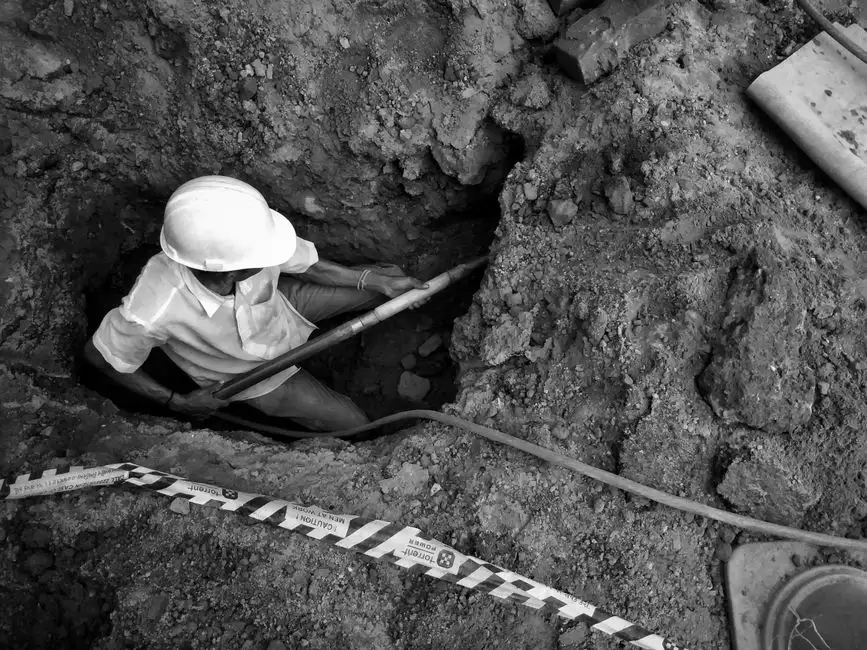
The verified WSZ process moves through anoxic biological contact oxidation, aerobic biological contact oxidation, sedimentation, and disinfection within one buried package unit. Its installation arrangement can place the unit below grade with landscaping above or mount it on a trailer for mobile deployment.
Each stage has a distinct design role. The anoxic and aerobic sections provide the biological treatment route; sedimentation separates settleable material; disinfection addresses the selected disinfection objective. The package arrangement integrates these functions, but it does not remove the need to design the inlet, outlet, controls, access, and residual-sludge route.
Before requesting a supplier design, the project team should establish:
- Hydraulic basis: design flow, peak condition, seasonal occupancy, and required standby strategy.
- Wastewater characteristics: suspended solids, organic load, pH, and any institutional, commercial, industrial, or healthcare contributions.
- Hydraulic and site works: inlet works, outlet works, retention requirements, excavation, groundwater, burial conditions, access roads, and maintenance clearances.
- Utilities and controls: power availability, power-loss response, control philosophy, odor control, and remote supervision arrangements.
- Disposal: the receiving-water or disposal route, required treatment objectives, and the authority responsible for each connection.
The catalog gives the WSZ range as 1–80 m³/h, but it supplies no site-specific effluent limits, loading rates, power consumption, footprint, or performance guarantee for Panama. Those items remain bidder-specific inputs. The statement that the unit is fully automated and needs no operator should not be interpreted as no local responsibility: scheduled inspection, maintenance access, consumable replacement, and a named responsible party are still required.
A buried unit can simplify the visible footprint, but buried equipment can also complicate inspection, lifting, access to settled solids, and repairs. Require bidders to explain how major components will be removed, how odor and flooding risks will be controlled, and who will respond when access is limited.
When MBR Technology Is the Better Rural Option
MBR should be evaluated when the project brief gives priority to a compact installation, very fine filtration, or an effluent route with tighter solids-control requirements. The supplied catalog identifies submerged PVDF membranes, a capacity range of 10–2,000 m³/day, filtration below 1 μm, and a footprint stated as 60% smaller than conventional systems. These are product-catalog values, not independent Panama performance evidence.
Fine filtration does not remove the need for a complete treatment train. Biological treatment, membrane solids separation, the associated controls, and the route for separated solids must all be priced and assigned. The buyer should compare membrane cleaning, aeration, power reliability, operator skill, spare parts, and solids management against the simpler operating demands of a conventional package route.
| Verified MBR item | Catalog value | Engineering interpretation |
|---|---|---|
| Integrated MBR system capacity | 10–2,000 m³/day | Use as a screening boundary; confirm the duty flow and basis of design |
| Filtration | Below 1 μm | A separation characteristic, not permission to discharge or reuse |
| Membrane medium | Submerged PVDF | Evaluate cleaning, replacement, aeration, and local technical support |
| Footprint | Stated as 60% smaller than conventional systems | Ask for the comparison basis, drawings, and site-specific dimensions |
| Separate flat-sheet DF module pore size | 0.1 μm | Applies to the module, not automatically to the complete integrated MBR |
| Separate DF module configurations | 80–225 m² | Relevant only when evaluating the module configuration itself |
| Separate DF module output | 32–135 m³/day | Must not be substituted for the integrated system range without reconciliation |
The catalog describes effluent near reuse quality, but that statement cannot replace a project-specific assessment of treatment objectives, water quality, and the receiving environment. Any reuse or discharge proposal requires confirmation from the relevant Panamanian authority and receiving body.
A separate flat-sheet DF membrane bioreactor module has a stated 0.1 μm pore size, 80–225 m² configurations, and 32–135 m³/day output. Use those values only for the module itself. The integrated MBR system must be evaluated as a complete process, including pretreatment, biological treatment, membrane operation, controls, solids handling, and discharge works.
Size the System From Field Evidence, Not Population Alone
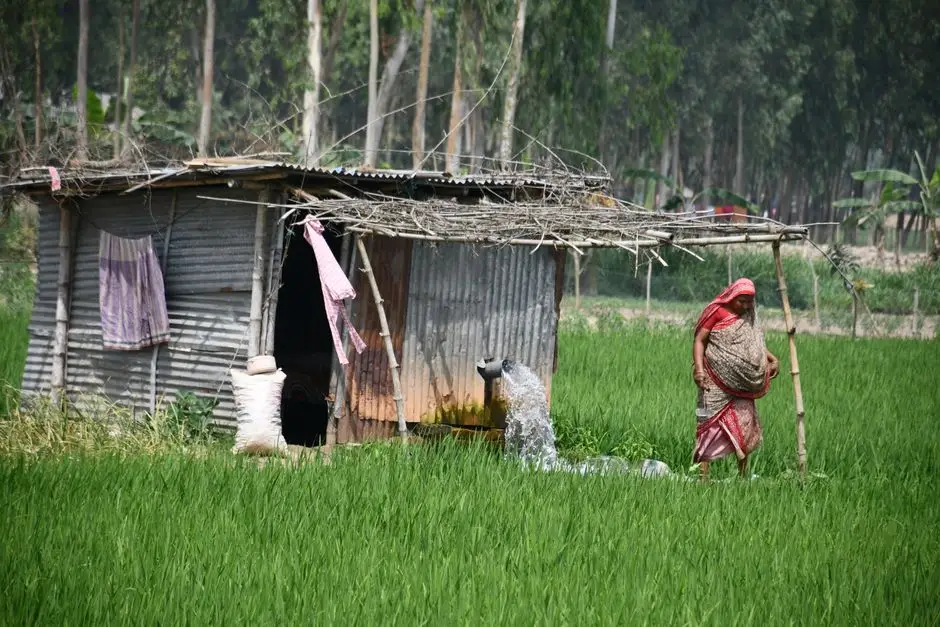
A defensible design starts with the project’s actual flow and load evidence, then tests the selected equipment against seasonal peaks, treatment objectives, and site constraints. Population is an input to the investigation, not a substitute for measured wastewater characteristics.
- Define the service area. Record current and future users, occupancy patterns, institutional or commercial connections, and seasonal tourism or other peak periods.
- Establish flow and quality. Use the owner’s and consultant’s approved sampling plan. Request suspended solids, organic loading, pH, and information on industrial or healthcare contributions.
- Map the physical and environmental context. Record soil, groundwater, flood exposure, footprint, access roads, power reliability, and the receiving-water or disposal route.
- Calculate nominal demand. Use documented inputs, then test the result against peak and seasonal conditions and the required standby strategy.
- Screen equipment ranges. Compare the WSZ range of 1–80 m³/h with the MBR range of 10–2,000 m³/day only after reconciling units and the basis of design.
- Request a basis-of-design calculation. The supplier should show flows, peak factors, process assumptions, duty points, and how the selected configuration responds to variation.
| Design input | Evidence required | Why it affects selection |
|---|---|---|
| Flow and occupancy | Current and future service population, occupancy schedule, connected users, and measured or otherwise documented wastewater flow | Establishes hydraulic duty and peak conditions |
| Wastewater quality | Suspended solids, organic loading, pH, and source characterization | Determines biological and solids-handling requirements |
| Seasonality | Peak-period demand and changes in wastewater characteristics | Tests whether one unit or additional standby capacity is needed |
| Site and utilities | Soil, groundwater, flood level, footprint, access, and power reliability | Tests installation, resilience, and maintainability |
| Discharge | Receiving-water or disposal route and authority-approved treatment objectives | Defines the treatment and monitoring basis |
The supplied research contains no verified hydraulic loading rate or reserve factor, so none should be inserted into the brief without project-specific justification. The MBR versus conventional activated-sludge buyer guide provides a useful method for comparing process complexity, but its chemical-wastewater context should not substitute for domestic wastewater field data.
Before choosing a route, assess whether a sanitary sewer collection system is technically and institutionally feasible. Advanced biological treatment cannot correct an incomplete collection strategy, leaking laterals, uncontrolled stormwater entry, or unresolved discharge rights.
Build a Supplier Brief That Prevents Procurement Errors
Comparable bids require the same technical basis. Give every bidder the documented flow and load information, site constraints, treatment objectives, discharge route, and required deliverables. Without that framework, quotations may describe different duties and cannot be compared responsibly.
Require each bidder to identify:
- The design-flow basis, treatment process, duty point, and effluent basis.
- Power requirements, utilities, footprint, commissioning tasks, and explicit exclusions.
- Inlet works, biological treatment, solids separation, disinfection, sludge handling, odor control, controls, and the discharge connection.
- Installation conditions, burial provisions, access requirements, and the approach to power interruption and flooding.
- Local operation and maintenance support, operator training, maintenance intervals, spare-parts availability, and a defined escalation process.
Ask for a process flow diagram, general arrangement, electrical and controls drawings, equipment schedules, commissioning and acceptance criteria, and a list of excluded civil, electrical, and discharge works. A statement that the plant can operate without a full-time operator does not establish who will inspect it, respond to alarms, replenish chemicals, remove solids, or arrange repairs.
Climate and site risks should be built into acceptance testing rather than left as general warranty exclusions. The agreement should address flood exposure, access during wet conditions, interruption of power, changing wastewater composition, and the maintainability of buried or remote equipment.
Use the US EPA’s Small and Rural Wastewater Systems guidance as planning context only. Its June 17, 2026 announcement concerned $25.5 million in new U.S. technical-assistance funding under the Clean Water Act. It is not Panamanian funding, regulatory approval, or evidence of local technical support.
Sludge and Energy Recovery Are Secondary Design Questions
Sludge management belongs in the initial treatment brief because residual volume, characteristics, storage, handling, and disposal can affect footprint, access, equipment selection, and operating cost. A proposal that shows only the liquid treatment line leaves a material scope gap.
The International Plasma Technology Center reports that U.S. wastewater biosolids have a calorific value of about 12 MJ/kg, comparable to low-grade coal. The same source states that 16,000 publicly owned U.S. wastewater plants produce biosolids and that U.S. sanitary sewer systems collect about 62.5 billion gallons per day. It also describes a modeled thermal efficiency approaching 85% for its most efficient plasma-assisted configuration.
These figures have a specific U.S. and commercial-concept scope. They do not show that a rural Panamanian project has enough biosolids to support plasma gasification, that such a route is technically or financially appropriate, or that the modeled efficiency would be achieved. The practical first step is to quantify sludge quantity and properties, then compare conventional storage and disposal routes with any energy-recovery proposal.
This sequencing matters for a plate-and-frame filter press and other solids-treatment equipment: the bid should establish feed characteristics, required dewatering outcome, cake handling, operator involvement, and final disposal before comparing energy claims.
Frequently Asked Questions
How much does rural sewage treatment cost in Panama?
The supplied research contains no Panama-specific price range. Comparable quotations require a defined design flow, wastewater load, treatment objective, available footprint, power basis, installation conditions, civil works, and discharge standard. Ask each bidder to separate equipment, freight, installation, commissioning, civil works, controls, utilities, training, spares, and annual operation and maintenance. A low equipment price is not comparable if one offer excludes the collection connection, solids handling, site works, or local service.
How should I select and size a supplier for a rural Panamanian project?
Require verified process parameters, a flow-by-flow basis-of-design calculation, drawings, commissioning and acceptance criteria, an operation and maintenance scope, local support arrangements, and documented capacity ranges. Reconcile the units before comparing equipment: the WSZ catalog states 1–80 m³/h, while the integrated MBR states 10–2,000 m³/day. Ask for the calculation behind the proposed duty point and for evidence that the supplier can deliver maintenance and spare-parts support at the site.
Can a composting latrine replace a sewer and wastewater treatment plant?
It can provide a non-sewered sanitation route, but it does not treat wastewater for conventional discharge. The 2010 Journal of Water and Health Bocas del Toro study found that the evaluated compost latrines did not reach temperatures sufficient to destroy all pathogens. User operation, moisture, retention, desiccant use, and maintenance therefore need to be addressed in the operating protocol and verification plan.
What approvals are needed before selecting an MBR or package plant?
Separate the sanitation decision from the discharge approval. Confirm the collection route, responsible operating arrangement, discharge destination, applicable treatment objectives, monitoring requirements, and authorization from the relevant Panamanian authority and receiving body. No specific Panama permit limits were supplied in the research, and neither a product catalog nor U.S. EPA guidance should be treated as local approval.
Related Equipment
- buried WSZ package sewage treatment plant — specifications, capacity range, and technical data