An industrial ozone generator water treatment manufacturer specializes in designing, engineering, and producing high-capacity ozone systems for oxidizing pollutants and disinfecting water across various industrial applications. These systems typically utilize Corona Discharge Technology to achieve powerful oxidation, which offers a 99%+ kill rate for pathogens and effectively breaks down complex organic compounds.
Understanding Industrial Ozone Generators for Water Treatment
Ozone (O₃), an allotrope of oxygen, is a highly reactive gas that acts as a potent oxidant and disinfectant in industrial water treatment processes. Its unstable nature, characterized by a short half-life, allows it to readily decompose into oxygen after reaction, leaving no harmful residuals. This makes ozone a valuable component for achieving stringent water quality standards without introducing persistent chemicals.
The primary technology for industrial ozone generation is Corona Discharge (CD). This method involves passing oxygen-rich gas through an electrical field, causing oxygen molecules (O₂) to split and then recombine into ozone (O₃). CD ozone generators are preferred for industrial applications due to their efficiency, scalability, and ability to produce high concentrations of ozone. While other methods like UV-based ozone generation exist, they typically produce lower concentrations and are less suitable for the high-volume, high-demand requirements of industrial water and wastewater treatment.
Industrial ozone generators offer significant benefits over traditional chemical treatments. They eliminate the need for chemical storage and handling, reducing safety risks and logistical complexities. Ozone reacts rapidly with contaminants, often within seconds to minutes, providing swift treatment. Ozone disinfection produces no harmful disinfection byproducts (DBPs) like those associated with chlorine, making it an environmentally superior choice. It is effective against a broad spectrum of contaminants, including bacteria, viruses, cysts, organic compounds, and heavy metals. As industrial processes demand precise and efficient treatment, understanding the key engineering specifications of ozone generators becomes vital.
Key Engineering Specifications of Industrial Ozone Generators
Optimal performance and cost-effectiveness of an industrial ozone generator depend on a detailed understanding of its engineering specifications for specific applications.
Ozone Output Capacity: This is the primary parameter, measured in grams per hour (g/h) or kilograms per hour (kg/h). Industrial systems typically range from tens of g/h to several kg/h, directly scaling with the required water flow rate and the concentration of contaminants. For instance, a system treating highly polluted industrial wastewater will require significantly higher ozone output than one used for tertiary disinfection of pre-treated effluent. Proper sizing prevents under-dosing, which leads to ineffective treatment, or over-dosing, which wastes energy and resources.
Feed Gas Requirements: Ozone generation efficiency correlates directly with the purity and concentration of the oxygen fed into the system. Industrial ozone generators require concentrated oxygen, typically supplied by dedicated air preparation systems that remove moisture, particulates, and nitrogen. Dry, concentrated oxygen (90-95% O₂) can double ozone output and significantly reduce power consumption compared to ambient air, which contains only 21% oxygen and often high humidity. The dew point of the feed gas is critical, often requiring -60°C or lower to prevent nitric acid formation and cell degradation.
Cooling Methods: Ozone generation is an exothermic process, and efficient cooling is critical for performance and longevity. Water-cooled systems, such as the OXW-Series, are prevalent in industrial settings. They circulate cooling water through the ozone generation cells, offering superior heat dissipation, higher ozone concentration, and better energy efficiency compared to air-cooled systems. Air-cooled units are generally smaller, less complex, and suitable for lower ozone outputs, but they are less efficient at dissipating heat, which can lead to reduced ozone output and shorter cell lifespan in high-capacity applications.
Power Consumption: Measured in kilowatt-hours per kilogram of ozone (kWh/kg O₃), power consumption is a significant operational cost factor. Modern industrial ozone generators achieve efficiencies typically ranging from 8-15 kWh/kg O₃, depending on feed gas purity and cooling efficiency. Lower power consumption directly translates to reduced operating expenses and a smaller carbon footprint.
Materials of Construction: Ozone is highly corrosive to many materials. Industrial ozone generators require construction from ozone-resistant materials to ensure durability and prevent leaks. Common materials include stainless steel (304, 316L), PTFE (Teflon), PVDF, and specific grades of ceramic and glass for the dielectric components. Elastomers and seals must also be ozone-compatible, such as Viton or EPDM, to withstand harsh industrial environments and maintain system integrity over a long operational life.
Integration Capabilities: Seamless integration with existing plant infrastructure is essential. Industrial ozone systems should be compatible with Supervisory Control and Data Acquisition (SCADA) systems, Programmable Logic Controllers (PLCs), and automatic dosing systems. This allows for real-time monitoring, automated adjustments based on water quality parameters (e.g., ORP sensors), and remote control, optimizing treatment efficiency and minimizing manual intervention.
| Parameter | Typical Industrial Range | Key Consideration for Selection |
|---|---|---|
| Ozone Output Capacity | 10 g/h to 100+ kg/h | Matches water flow rate and contaminant load; critical for effective treatment. |
| Feed Gas Purity | >90% Oxygen (dry) | Higher purity increases ozone concentration and energy efficiency. |
| Dew Point (Feed Gas) | -60°C or lower | Prevents nitric acid formation, protects generator cells. |
| Cooling Method | Water-cooled (most common) | Essential for heat dissipation, energy efficiency, and extended cell life in high-capacity units. |
| Power Consumption | 8-15 kWh/kg O₃ | Directly impacts operational costs and system efficiency. |
| Materials of Construction | 316L SS, PTFE, PVDF | Ensures durability and resistance to ozone corrosion, extending lifespan. |
| Control System Integration | SCADA, PLC, ORP-based controls | Enables automation, remote monitoring, and optimized dosing. |
With a clear grasp of these technical specifications, it is equally important to consider the diverse applications where ozone technology excels.
Applications of Ozone in Industrial Water and Wastewater Treatment
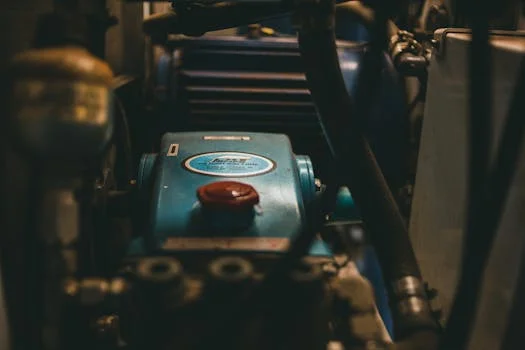
Ozone generators provide robust solutions across a diverse spectrum of industrial water and wastewater treatment challenges, leveraging ozone's strong oxidative and disinfectant properties.
Disinfection: Ozone is a highly effective biocide, with a 99%+ kill rate against a wide range of pathogens including bacteria, viruses, and protozoan cysts (HydropureWater field data). This makes it ideal for microbial control in various industrial effluents, ensuring compliance with discharge regulations and protecting public health. Industries such as food & beverage, pharmaceutical, and healthcare facilities rely on ozone for terminal disinfection of process water and wastewater.
Oxidation of Organic Pollutants: Ozone excels at breaking down complex organic compounds, contributing to significant reductions in Chemical Oxygen Demand (COD) and Biochemical Oxygen Demand (BOD). It effectively removes color, taste, and odor issues often caused by refractory organic molecules in industrial wastewater from sectors like pulp & paper, textile, and chemical manufacturing. For example, it can oxidize lignin derivatives in paper mill effluents or complex dyes in textile wastewater.
Micro-pollutant Removal: Many industrial and municipal wastewaters contain emerging micro-pollutants such as pharmaceuticals, pesticides, and endocrine disruptors, which are resistant to conventional treatment methods. Ozone, often as part of advanced oxidation processes (AOPs) like O₃/H₂O₂, efficiently oxidizes these persistent organic compounds, reducing their environmental impact.
Heavy Metal Removal: Ozone can oxidize dissolved heavy metals like iron (Fe²⁺) and manganese (Mn²⁺) into their insoluble forms (Fe³⁺, MnO₂), allowing them to be easily removed by subsequent filtration or sedimentation. This application is crucial in mining, metal finishing, and groundwater remediation processes.
Cyanide Oxidation: In industries such as mining, electroplating, and metal finishing, cyanide is a highly toxic pollutant. Ozone effectively oxidizes free and complex cyanides to less toxic cyanates, and further to carbon dioxide and nitrogen gas, providing a critical detoxification step.
Cooling Tower Water Treatment: Ozone offers an environmentally friendly alternative to traditional biocide programs in cooling towers. It effectively controls biofilm growth, legionella bacteria, and algae, while also oxidizing dissolved solids and reducing scaling. This leads to reduced chemical usage, lower blowdown volumes, and improved heat exchange efficiency.
Specific Industries: Ozone's versatility extends to numerous sectors:
- Food & Beverage: Disinfection of process water, bottle rinsing, CIP (Clean-in-Place) sanitation, and wastewater treatment.
- Pulp & Paper: Color removal, COD/BOD reduction, and bleaching.
- Textile: Decolorization of dye effluents and COD reduction.
- Pharmaceutical: Sterilization of water for injection (WFI) and wastewater treatment.
- Chemical: Oxidation of specific organic compounds and general wastewater treatment.
- Municipal Wastewater: Tertiary treatment for pathogen inactivation, micro-pollutant removal, and effluent polishing to meet strict discharge limits.
To ensure successful implementation and long-term value, selecting the right industrial ozone generator manufacturer is as critical as understanding the technology itself.
How to Choose an Industrial Ozone Generator Water Treatment Manufacturer
Selecting the right industrial ozone generator water treatment manufacturer is paramount for the long-term reliability and efficiency of your treatment system. This decision framework focuses on key criteria beyond just equipment specifications.
Manufacturing Expertise and Experience: A reputable manufacturer has a proven track record in designing and deploying industrial-scale ozone systems, not just small-scale laboratory or commercial units. Look for evidence of successful projects that match the complexity and capacity requirements of your operation. Their experience should span various industrial applications, indicating a deep understanding of diverse contaminant profiles and regulatory requirements.
Customization and System Integration: Industrial processes are rarely identical. A leading manufacturer should possess the engineering capability to design bespoke solutions that precisely meet your unique process requirements, water quality targets, and existing infrastructure. This includes customizing ozone output, integrating with existing SCADA or PLC systems, and designing skid-mounted or modular units for seamless installation within confined plant footprints.
Quality Standards and Certifications: Adherence to international and regional quality standards demonstrates a manufacturer's commitment to safety, performance, and reliability. Certifications such as ISO 9001 for quality management, CE marking for European market compliance, and UL/ETL listings for electrical safety show that equipment is built to rigorous specifications. These standards provide assurance regarding the manufacturing process, material quality, and operational safety.
After-Sales Support & Service: The operational lifespan of an industrial ozone system can exceed 15-20 years. Comprehensive after-sales support is essential, including readily available technical assistance, a robust inventory of spare parts, and flexible maintenance contracts. Prompt support minimizes downtime and ensures the continuous, efficient operation of the system. Inquire about response times, training programs for your personnel, and the availability of field service technicians.
R&D and Innovation: Manufacturers investing in research and development are leaders in improving energy efficiency, ozone generation technology, and advanced control systems. This commitment to innovation can result in more compact designs, lower operational costs, and enhanced treatment capabilities, providing advanced solutions. Look for patented technologies or ongoing development projects.
Project References and Case Studies: Request detailed project references or case studies from similar industrial installations. These provide tangible evidence of a manufacturer's capabilities, problem-solving skills, and the real-world performance of their equipment. Verifying successful installations in comparable settings offers confidence in their ability to deliver results.
Transparency in Pricing and ROI: A reputable manufacturer provides transparent cost breakdowns, detailing both Capital Expenditure (CAPEX) for equipment and installation, and Operational Expenditure (OPEX) including power consumption, oxygen supply, and maintenance. Understanding the total cost of ownership (TCO) and a clear Return on Investment (ROI) analysis is crucial for informed decision-making. This allows for a comprehensive comparison against alternative treatment methods and helps justify the investment. For insights into related industrial system costs, consider our engineering guide to industrial RO system selection and cost efficiency.
| Evaluation Criterion | Key Questions to Ask Manufacturers | Why it Matters for Industrial Buyers |
|---|---|---|
| Expertise & Experience | How many industrial projects of similar scale have you completed? Can you provide references for our industry? | Ensures capability to handle complex industrial demands and proven reliability. |
| Customization & Integration | Do you offer bespoke system design? How do you integrate with existing SCADA/PLC systems? | Guarantees a tailored solution that fits specific plant needs and minimizes disruption. |
| Quality & Certifications | What ISO, CE, or regional certifications does your equipment hold? What materials are used? | Verifies equipment safety, performance, and compliance with industry standards. |
| After-Sales Support | What are your service response times? Do you offer maintenance contracts and spare parts locally? | Crucial for minimizing downtime and ensuring continuous, efficient operation. |
| R&D and Innovation | What recent innovations have you implemented? How do you improve energy efficiency? | Indicates forward-thinking, potentially leading to lower TCO and advanced capabilities. |
| Project References | Can you share case studies or client testimonials from similar applications? | Provides tangible proof of successful installations and problem-solving abilities. |
| Transparency in Pricing | Provide a detailed CAPEX and OPEX breakdown, including energy usage and consumables. | Enables accurate ROI calculation and understanding of total cost of ownership. |
Beyond manufacturer selection, evaluating ozone technology against other disinfection methods is essential for a comprehensive treatment strategy.
Ozone vs. Other Disinfection Methods in Industrial Settings
Choosing the optimal disinfection method for industrial water and wastewater depends on specific effluent characteristics, discharge limits, and budget. Ozone offers distinct advantages and disadvantages when compared to common alternatives.
Ozone vs. Chlorine Dioxide (ClO₂): Ozone is a more powerful oxidant than chlorine dioxide for many applications, reacting faster and more effectively with a broader range of organic compounds and pathogens. Ozone also typically requires less contact time for disinfection. While ozone leaves no harmful residuals, chlorine dioxide can provide a stable residual disinfectant, which offers advantages for maintaining disinfection in distribution systems. However, chlorine dioxide generation requires handling hazardous chemicals, and it can form chlorite as a byproduct. Operational costs for ozone can be higher initially due to capital expenditure, but often lower long-term due to reduced chemical handling and more potent oxidation for specific pollutants. For a more detailed analysis, refer to our engineering comparison of chlorine dioxide and ozone for industrial wastewater.
Ozone vs. UV Disinfection: Ultraviolet (UV) disinfection is a physical process that inactivates pathogens by damaging their DNA, preventing reproduction. It is effective against many microorganisms without adding chemicals. However, UV effectiveness can be significantly reduced by water turbidity, suspended solids, and color, which can shield pathogens from UV light. Ozone, as a chemical oxidant, is less affected by these factors and can simultaneously disinfect and oxidize a wide array of organic and inorganic contaminants. Ozone also offers residual disinfection potential within the treatment zone, whereas UV provides no residual. Energy consumption for UV systems can be lower for simple disinfection, but ozone provides broader treatment benefits beyond pathogen inactivation. Comparing ozone's role against other disinfection methods like UV is crucial for holistic treatment planning, as explored in our engineering comparison of chlorine dioxide vs. UV disinfection.
Ozone vs. Chlorination: Chlorine is a widely used and inexpensive disinfectant, but its main drawback is the formation of potentially harmful disinfection byproducts (DBPs) such as trihalomethanes (THMs) and haloacetic acids (HAAs) when it reacts with organic matter in water. These DBPs are regulated due to their carcinogenic and mutagenic properties. Ozone, conversely, is a DBP-free disinfectant, decomposing into oxygen after reaction, making it a safer, more environmentally conscious choice, especially when stringent discharge limits apply, such as those outlined by UK Wastewater Discharge Standards 2025. While chlorine provides a persistent residual, ozone's strong oxidative power often eliminates the need for one by destroying the source of regrowth.
Decision Framework: The choice between these technologies requires a multi-faceted evaluation:
- Effluent Characteristics: High organic load, color, or specific micro-pollutants often favor ozone's oxidative power. Low turbidity and pathogen-focused disinfection might suit UV.
- Discharge Limits: Strict DBP regulations or specific contaminant removal targets (e.g., pharmaceuticals) lean towards ozone.
- Safety & Handling: Avoiding hazardous chemical storage and handling favors ozone or UV.
- Operational Costs: Consider both CAPEX and OPEX, including energy, chemical consumption, and maintenance.
- System Integration: How easily each technology integrates with existing plant infrastructure and automation.
| Feature | Ozone (O₃) | Chlorine Dioxide (ClO₂) | UV Disinfection | Chlorination (Cl₂) |
|---|---|---|---|---|
| Oxidative Power | Very High (strongest industrial oxidant) | High | None (physical process) | Moderate |
| Disinfection Byproducts (DBPs) | None (decomposes to O₂) | Chlorite, chlorate | None | THMs, HAAs (significant concern) |
| Pathogen Effectiveness | Broad spectrum (bacteria, viruses, cysts) | Broad spectrum (bacteria, viruses, Giardia) | Broad spectrum (bacteria, viruses, Giardia, Cryptosporidium) | Variable (less effective against Cryptosporidium) |
| Impact of Turbidity/Color | Low impact | Low impact | High impact (shields pathogens) | Low impact |
| Residual Disinfection | Short-lived residual in water | Stable residual possible | None | Stable, long-lasting residual |
| Chemical Handling/Storage | No chemical storage (generated on-site) | On-site generation from precursors (hazardous) | None | Storage of hazardous chemicals (gas, hypochlorite) |
| Energy Consumption | Moderate to High (for generation) | Moderate (for generation) | Low to Moderate | Low (for dosing) |
| Additional Benefits | COD/BOD reduction, color/odor removal, micro-pollutant oxidation, heavy metal removal | Taste/odor control, iron/manganese oxidation | None beyond disinfection | Basic disinfection, some odor control |
Frequently Asked Questions
What makes an industrial ozone generator manufacturer stand out? An industrial ozone generator manufacturer stands out through its proven expertise in large-scale system design, ability to provide customized solutions, adherence to rigorous quality standards (e.g., ISO, CE), comprehensive after-sales support, and a commitment to R&D and innovation in ozone technology.
How does a water-cooled ozone generator differ from an air-cooled one? Water-cooled ozone generators use circulating water to dissipate heat from the ozone generation cells, offering superior cooling efficiency, higher ozone concentrations, and better energy performance, making them ideal for high-capacity industrial applications. Air-cooled units rely on ambient air for cooling and are typically suited for smaller ozone outputs due to less efficient heat removal.
What is the typical lifespan of an industrial ozone generator system? With proper maintenance, regular servicing, and high-quality construction materials, an industrial ozone generator system can have an operational lifespan ranging from 15 to 25 years. Key components like ozone cells may require periodic replacement, often every 5-10 years, depending on usage and operating conditions.
Can ozone generators be integrated into existing wastewater treatment plants? Yes, industrial ozone generators are designed for seamless integration into existing wastewater treatment plants. They can be incorporated as a primary, secondary, or tertiary treatment step, often leveraging existing infrastructure for water intake and effluent discharge. Compatibility with SCADA systems and PLC controls facilitates easy integration and automated operation.
What are the primary safety considerations for operating industrial ozone systems? The primary safety considerations for operating industrial ozone systems include ensuring proper ventilation to prevent ozone gas accumulation in the workplace, using ozone-resistant materials to prevent leaks, implementing ozone monitoring systems with alarms, and providing operator training on safe handling procedures and emergency protocols. Ozone is a powerful oxidant and respiratory irritant, so containment and monitoring are critical.
Related Equipment
The following HydropureWater products are engineered for the wastewater challenges discussed above:
- our industrial chlorine dioxide generators — view specifications, capacity range, and technical data
- integrated wastewater treatment systems utilizing ozone disinfection — view specifications, capacity range, and technical data
Need a customized solution? Request a free quote with your specific flow rate and pollutant parameters.