What Makes Ahmedabad Trade Waste Difficult to Treat
Ahmedabad manufacturers in 2026 generally treat high-COD trade waste through a staged process: equalization and physical pretreatment, biological COD removal with controlled aeration, followed by membrane or chemical polishing where the discharge or reuse target requires it. Ahmedabad textile-effluent research found most tested physicochemical parameters above allowed limits, while an Ahmedabad CETP assessment reported variable reliability and COD removal above 50% at most facilities, but 41% at OGEPA. The practical priority is to reduce shock loads, monitor COD and operating conditions continuously, and select equipment around the wastewater’s actual COD, flow and contaminant profile.
Textile wastewater is not a single, uniform stream. Its characteristics change with the dyes and processing chemicals used, so a bulk COD value cannot describe the treatability of every production line. A 2023 study of a textile-effluent sample from Ahmedabad measured temperature, pH, turbidity, colour, odour, electrical conductivity, chloride, fluoride, phosphate, hardness, COD, BOD, TDS and TSS. It found that most measured parameters were above the allowed limits, although the study excerpt does not provide a complete numerical result for every parameter or establish the same profile for all Ahmedabad factories.
That variability makes source characterization more important than a generic “high-COD” equipment label. The Ahmedabad CETP assessment reports that the quantity and quality of industrial wastewater received by treatment plants vary daily and seasonally. Unit shutdowns, production changes and shifts between operating conditions can alter influent concentration and flow; therefore, plant design must cover the average load and the concentration or flow excursions that can upset downstream biology.
Manufacturers should segregate high-strength streams, neutralize acidic or alkaline streams where required, recover reusable process water where practical, and determine the COD contribution from each production unit before selecting equipment. Sampling should cover COD, BOD, flow, pH, temperature, suspended solids, nutrients, toxicity and industry-specific contaminants. The online COD analyzer selection guide defines monitoring requirements, but laboratory characterization remains the basis for process design.
| What to characterize | Why it affects treatment selection |
|---|---|
| COD and BOD by production stream | Identifies source reduction opportunities and biodegradable versus persistent organic load. |
| Flow and operating variation | Determines equalization duty and hydraulic loading on biological and membrane stages. |
| pH and temperature | Controls chemical dosing, biological activity and oxidation reactions. |
| Suspended solids, oil and grease, colloid | Determines the required physical pretreatment and sludge-management route. |
| Nutrients, toxicity and process-specific contaminants | Defines biological nutrient balance and any specialized removal or polishing requirement. |
Build the Treatment Train from the Source Out
A defensible high-COD treatment train starts with source control rather than the polishing unit. The sequence should reduce wastewater volume, recover usable water, segregate incompatible streams, identify each unit’s COD contribution, equalize the remaining flow, remove physical contaminants, remove biodegradable organics biologically, and apply only the polishing needed to meet the receiving or reuse requirement.
- Control at source: Separate dilute washwater from concentrated process streams, recover reusable water where technically appropriate, and prevent incompatible batches from mixing. This reduces the load and the number of shocks delivered to the treatment plant.
- Equalize the wastewater: Use a correctly sized equalization stage to damp variation in flow and concentration. The Ahmedabad CETP assessment recommends continuous monitoring of inlet and outlet quantity, quality and flow, with pH and COD identified as critical parameters; it also recommends monitoring temperature and flow rate as operating conditions.
- Remove material that can foul the biological stage: Physical pretreatment should address suspended solids, colloids, oil and grease, and floatables. An industrial DAF pretreatment system is an option for solids, oil and grease, and colloidal material before biological treatment.
- Remove biodegradable organics biologically: Activated sludge or an aerobic sequencing batch reactor should be treated as a controlled biological system. Aeration, dissolved oxygen, sludge age, hydraulic retention time, mixing and nutrient balance must be adjusted with the incoming load.
- Polish against the actual endpoint: Membrane or chemical polishing depends on the final discharge standard or reuse specification. The Ahmedabad assessment identifies membrane bioreactors, hydrodynamic cavitation and Fenton reaction as options to test at pilot scale before wider deployment.
Coagulation and flocculation can form and settle larger particles when required, while an automatic chemical dosing system can support controlled application. Biological treatment remains the core COD-removal stage for suitable soluble and biodegradable waste. If solids separation or reuse quality remains inadequate, an MBR membrane bioreactor for high-COD wastewater combines biological treatment with membrane solids separation, subject to verified influent data and fouling controls.
| Stage | Primary role | Design or operating focus |
|---|---|---|
| Source control and segregation | Reduce load and prevent incompatible shocks. | Unit-level flow and COD contribution. |
| Equalization | Buffer flow and concentration variation. | Verified mixing, available volume, pH, temperature, flow and COD control. |
| Physical pretreatment | Remove solids, colloids, oil, grease and floatables. | Removal performance, downstream protection and sludge handling. |
| Biological treatment | Remove biodegradable soluble and particulate organics. | Aeration, sludge age, retention time, mixing and nutrients. |
| Polishing | Meet discharge or reuse requirements. | Target contaminant, pilot evidence, by-products and maintenance access. |
Choose the COD-Removal Method by Wastewater Character
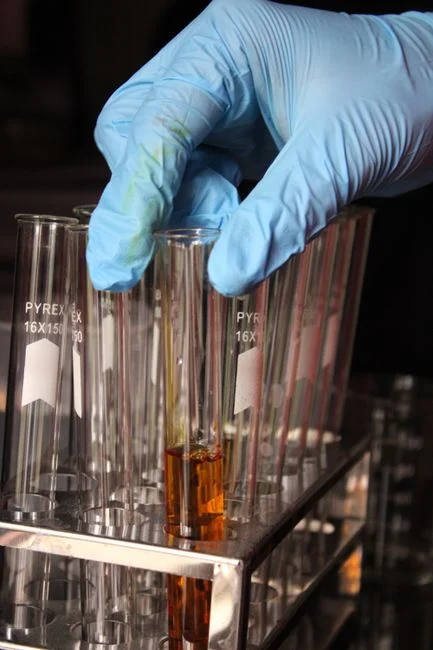
The correct COD-removal method follows the contaminant and the required endpoint. A manufacturer should not choose biological, chemical or membrane equipment from influent COD alone, because each process has a different mechanism, operating burden and limitation.
Coagulation and flocculation are primarily separation steps. The 2025 SSI Aeration process description explains that coagulation destabilizes small particles and flocculation gathers them into larger formations that can be separated, reducing COD associated with suspended matter. Chemical dosing must be controlled, and the resulting sludge requires proper disposal. Coagulation can protect downstream biology, but it does not substitute for biological degradation of soluble, biodegradable organics.
Activated sludge and the aerobic sequencing batch reactor use aerobic microorganisms to metabolize biodegradable organics. The PubMed-indexed paper supports aerobic SBR for high-COD wastewater, though performance varies. Their operating burden includes aeration, mixing, sludge separation, process control and adequate space. For an MBR versus extended aeration comparison, the useful comparison is the treatment objective, land requirement, sludge handling, aeration control and required effluent quality.
Chemical oxidation uses oxidants to attack persistent organics rapidly. The 2025 SSI Aeration description identifies hydrogen peroxide, chlorine and ozone, while warning that chemical oxidation can cost more than other treatments and may produce hazardous by-products requiring additional treatment. It should be assessed for the specific contaminant, reaction control, residual chemistry and downstream treatment.
Membrane filtration provides a physical separation barrier. The 2025 SSI Aeration guide identifies nanofiltration, ultrafiltration and reverse osmosis, noting the expense and need for regular cleaning or replacement. An ultrafiltration system for wastewater treatment may fit where solids separation is the required barrier; tighter membrane applications require verified contaminant removal, concentrate management and a defensible operating plan.
| Method | Best-fit role | Main operating burden | Principal limitation |
|---|---|---|---|
| Coagulation and flocculation | Remove suspended solids and associated COD before biological treatment. | Chemical dosing, mixing and sludge handling. | Does not independently remove all soluble biodegradable COD. |
| Activated sludge or aerobic SBR | Core biological removal of biodegradable organics. | Aeration, mixing, nutrient balance and sludge management. | Sensitive to shock loads and operating conditions. |
| Chemical oxidation | Rapid treatment of persistent or specifically targeted contaminants. | Oxidant control, reaction management and residual handling. | Potential by-products and higher comparative cost. |
| Membrane filtration | Solids separation and polishing against the required endpoint. | Cleaning, replacement and concentrate or solids handling. | Cost, fouling and feed-quality sensitivity. |
Treat Performance as a Monitoring Problem
Average removal does not prove dependable treatment, so performance must be managed as a continuously observed operating condition. The Ahmedabad CETP assessment reported COD reliability ranging from 7% to 99.99% across the assessed plants and found only one CETP with consistent treated-output quality. Although COD removal exceeded 50% at all assessed CETPs except OGEPA, these aggregate results do not demonstrate continuous compliance under changing industrial loads.
The 2025 SSI Aeration process guide recommends real-time COD monitoring to detect changes and make earlier process adjustments. For an Ahmedabad plant, the minimum control set should include inlet and outlet COD, flow, pH and temperature. Biological operation also requires dissolved oxygen and mixed-liquor volatile suspended solids; an inventory of treatment valves, filter media and critical spares supports inspection and replacement without leaving the train unprotected.
Online sensors should be paired with a weekly laboratory programme. Field instruments support operating control, but laboratory analysis remains necessary to verify indicator performance and assess parameters that the sensor does not represent. The monitoring plan should connect each trend to an action:
- COD or flow rises: verify equalization performance and check whether a high-strength batch has entered the train.
- Effluent COD deteriorates: examine aeration, dissolved oxygen, sludge age, nutrient balance, mixing and biological toxicity.
- Sludge separation declines: inspect sludge inventory, return and waste arrangements, clarifier or membrane condition, and physical pretreatment.
- Polishing load rises: reassess chemical dose, oxidation by-products, membrane fouling and the pretreatment barrier.
Advanced upgrades should be pilot-tested under representative shock loads before full-scale deployment. This follows the Ahmedabad assessment’s recommendation to test membrane bioreactors, hydrodynamic cavitation and Fenton reaction at smaller scale first. Pilot work should measure the target contaminant and any treatment by-products rather than relying only on COD reduction.
Match Equipment to Flow, Load and Compliance Risk
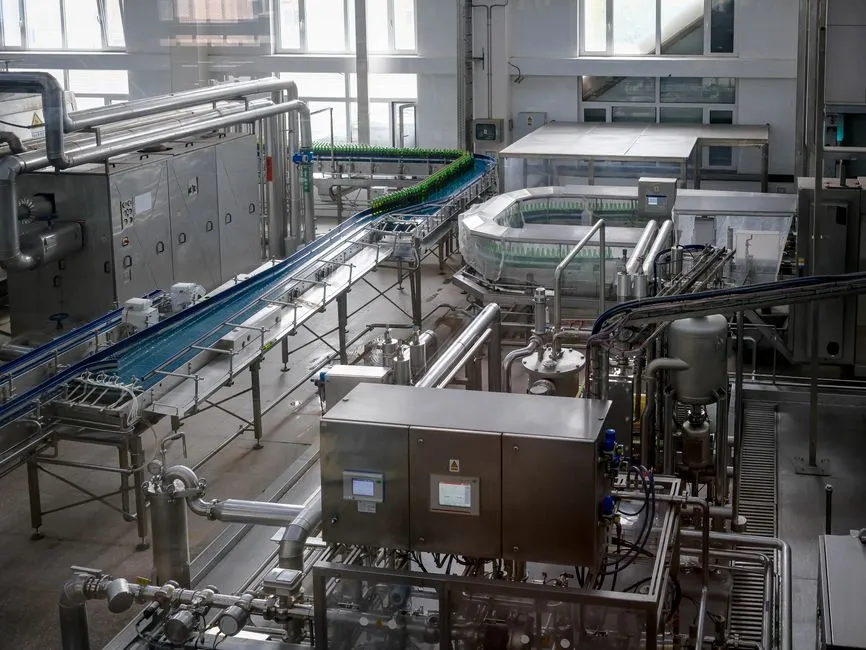
Equipment should be sized only after the wastewater profile, operating variation and receiving requirement are defined. A prospective supplier should submit the design flow, influent COD and BOD, hydraulic and organic loading, expected variations, solids content, pH range, nutrient profile, and the final discharge or reuse target. The supplier should also identify the design assumptions and show which treatment stages provide the required margin.
Catalog data can support preliminary product-fit screening, but it cannot replace design calculations. HydropureWater’s listed DAF range is 4–300 m³/h, while the listed MBR membrane bioreactor range is 10–2,000 m³/day. These figures indicate product coverage only; the selected configuration must follow the verified flow, load, pretreatment objective and final water quality. Similarly, a plate-and-frame filter press should be evaluated against the sludge volume, solids characteristics, filtration cycle and disposal route.
| Supplier submission | Buyer check | Risk if omitted |
|---|---|---|
| Design flow, COD, BOD and variation | Does the calculation include equalization and peak operating conditions? | Equipment sized to an unrepresentative average. |
| Hydraulic and organic loading | Are hydraulic retention, aeration and sludge-handling duties explained? | Biological overload or inadequate clarification. |
| Biological control method | How are aeration, sludge age, sludge separation and membrane fouling controlled? | Reliability and maintenance problems downstream. |
| Chemical treatment basis | What dose range, reaction control, by-product route and sludge plan are proposed? | Uncontrolled chemistry and secondary waste. |
| Compliance and reuse target | Is the proposed outlet checked against current consent and the applicable GPCB conditions? | Equipment that cannot meet the actual receiving requirement. |
The Ahmedabad CETP assessment lists inlet acceptance-screening values of COD 2,000 mg/L, BOD 700 mg/L, suspended solids 300 mg/L, ammoniacal nitrogen 50 mg/L and phenolic compounds 1 mg/L. These are not a substitute for a factory’s current consent conditions or current GPCB requirements; obtain the applicable approval and verify the receiving authority’s acceptance criteria before procurement.
Frequently Asked Questions
Which treatment method should an Ahmedabad manufacturer select for high-COD trade effluent?
Frequently Asked Questions
What is the most effective treatment system for high-COD industrial wastewater in Ahmedabad?
For high-COD industrial streams typical in Ahmedabad's chemical and textile sectors, a multi-stage approach combining Anaerobic Digestion (UASB or EGSB) followed by aerobic Membrane Bioreactor (MBR) technology is currently the most effective. This configuration handles influent COD concentrations ranging from 5,000 to 20,000 mg/L while providing a robust buffer against shock loads common in batch-process manufacturing.
Advanced Oxidation Processes (AOP), utilizing Fenton’s reagent or ozone-based systems, are increasingly deployed as a pre-treatment step to break down recalcitrant organic compounds that are non-biodegradable, ensuring the downstream biological systems maintain optimal performance and compliance with GPCB discharge norms.
What flow, COD and water-quality data should I provide before an ETP supplier sizes equipment?
To ensure accurate equipment sizing, you must provide the average daily flow rate in m³/day and the peak hourly flow rate to account for hydraulic surges. Crucial chemical data includes the average and peak COD (Chemical Oxygen Demand) and BOD (Biochemical Oxygen Demand) values, as well as Total Dissolved Solids (TDS) and pH levels.
Additionally, you must specify the concentration of heavy metals, oil and grease, and any specific toxic compounds such as phenols or chlorides. Providing the current GPCB (Gujarat Pollution Control Board) discharge standards for your specific industrial zone is essential for the supplier to guarantee final treated water quality.
Should an Ahmedabad factory rely on a CETP or install its own high-COD treatment system?
Factories should install an on-site pre-treatment system if their raw effluent COD exceeds 2,000–3,000 mg/L, as most Common Effluent Treatment Plants (CETPs) in Ahmedabad have strict inlet quality constraints to prevent biomass inhibition. Relying solely on a CETP for high-strength waste often leads to heavy penalty charges or rejection of effluent by the conveyance network.
An on-site system is mandatory if the wastewater contains high levels of inhibitory substances or if the factory aims for Zero Liquid Discharge (ZLD) to mitigate the rising costs of industrial water procurement. On-site treatment allows for partial water recovery, effectively reducing the overall volume of effluent sent to the CETP.
How much COD removal should we expect from DAF, biological treatment and MBR?
Dissolved Air Flotation (DAF) typically achieves a COD removal efficiency of 30% to 50%, primarily by removing suspended solids and emulsified fats, oils, and grease. Conventional activated sludge biological treatment processes generally achieve 80% to 90% COD reduction, provided the influent is readily biodegradable.
Membrane Bioreactor (MBR) systems provide superior performance, consistently achieving 95% to 98% COD removal by integrating biological degradation with ultrafiltration. The MBR process produces a permeate quality suitable for tertiary RO (Reverse Osmosis) treatment, which is essential for meeting the stringent 2026 industrial water reuse standards.
What operating costs should a manufacturer budget for high-COD wastewater treatment in 2026?
For 2026, manufacturers should budget between ₹45 and ₹85 per cubic meter of treated water, depending on the complexity of the treatment train and the concentration of the influent. This cost includes electricity for aeration and pumping, chemical consumption for coagulation and pH adjustment, and sludge disposal fees, which are trending upward due to stricter hazardous waste management regulations.
If the facility employs advanced ZLD technologies like Multi-Effect Evaporators (MEE) or Agitated Thin Film Dryers (ATFD) to handle high-salinity streams, operating costs can exceed ₹250 per cubic meter. Budgeting should also account for a 10-15% annual increase in membrane replacement parts and specialized labor costs for system maintenance.